Kangaroos (Macropus) are one of Australia's most iconic and distinctive animals, renowned for their powerful hind legs, leaping ability, and pouches. They are incredibly adaptable creatures, able to survive in Australia's diverse environment. This adaptability extends beyond their physical structure and behavior to their unique responses to food, climate change, and reproduction. Let's delve into how kangaroos adapt to their environment.
1. Powerful hind legs and jumping ability
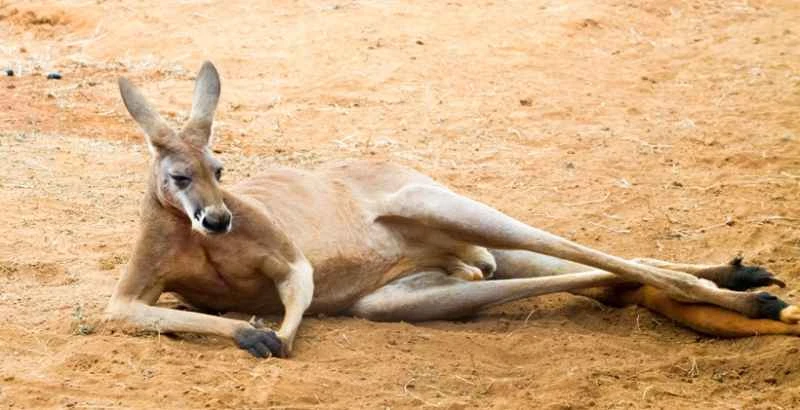
One of the most distinctive features of kangaroos is their powerful hind legs and unique jumping style. This body structure allows kangaroos to jump rapidly, reaching speeds of over 70 kilometers per hour. Kangaroos' jumping not only helps them escape predators quickly but also conserves energy, as jumping requires less effort than walking. Their well-developed hind leg muscles are adapted for prolonged running and rapid reflexes, helping them find food and water in arid and grassland environments.
2. Physiological characteristics adapted to arid environments
Australia is an arid continent with very little rainfall in many areas and extremely volatile climates. Kangaroos' adaptations allow them to survive in this environment. They can cope with water scarcity by fasting for extended periods and enduring thirst. Their kidneys are highly efficient, maximizing water retention. Furthermore, their sparse, light-colored fur helps reflect sunlight, lowering their body temperature and preventing overheating.
3. Adaptability of food choices
Kangaroos are herbivores, primarily feeding on grasses, leaves, and shrub leaves. Because Australia's grasslands and forests frequently experience droughts, kangaroos adapt to these changes by regulating their food intake. During dry periods, kangaroos choose the most water-rich plants, such as tender grasses and leaves, to meet their water needs. Furthermore, the structure of their stomachs allows them to efficiently digest roughage and absorb maximum nutrients, helping them survive difficult periods.
4. Adaptability of breeding strategies to the pouch
Kangaroos have a unique reproductive strategy, adapting to environmental changes by regulating their gestation period. While kangaroos typically breed during seasons of abundant food and favorable climate, their gestation period is not fixed like most mammals. Under unfavorable environmental conditions, a kangaroo's pregnancy can temporarily cease, resuming development once conditions become more suitable. This "delayed pregnancy" allows kangaroos to avoid excessive energy expenditure during challenging seasons, ensuring the survival of their offspring.
The kangaroo's pouch is also an important adaptive feature for its survival. Female kangaroos house their newborn joeys in the pouch until they are able to live independently. The pouch not only protects the joeys from external threats but also provides them with a warm, humid environment conducive to their healthy growth.
5. Adaptability of social and group behavior
Kangaroos are social animals, typically forming groups of varying sizes. Within these groups, kangaroos care for each other, share water and food, and increase their chances of survival. Group living also helps kangaroos improve their alertness, enabling them to detect threats from predators promptly. Through group cooperation, kangaroos are better able to adapt to changes in their environment and maintain population stability.