Exploring the Sleeping Habits of Jaguars: A Comprehensive Insight
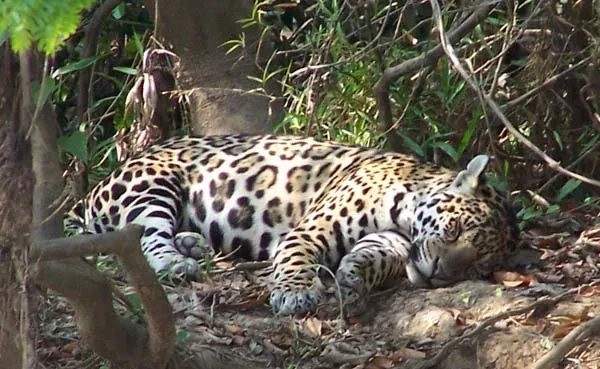
The majestic jaguar is one of the most iconic big cats in the animal kingdom, renowned for its powerful physique, incredible hunting skills, and enigmatic nature. Among its many fascinating characteristics, the jaguar's sleep patterns offer unique insights into its behavior, ecology, and survival strategies. In this article, we delve into the jaguar's sleep patterns, exploring their sleep locations, schedules, and their relationship to environmental and biological factors.
What are the sleeping habits of jaguars?
Jaguars' sleep habits refer to the specific ways they rest and recover to maintain their strength and agility. Like other predators, jaguars need long periods of rest to conserve energy for hunting and territorial activities. These habits are influenced by their environment, diet, and other predators or threats.
Jaguar sleeping spots
Preferred sleeping location
Jaguars exhibit a preference for secluded and protected locations when sleeping. Their sleeping habits typically involve seeking places that provide camouflage and safety, avoiding potential threats. These include:
Dense vegetation : Jaguars often sleep in shady, well-shaded places with dense foliage.
Riverbanks and wetlands : Locations near water not only aid their hunting but also provide cooler sleeping spots in hot climates.
Tree branches : Jaguars occasionally perch on tree branches to avoid ground threats and gain a favorable position overlooking their territory.
Caves and rock formations : These places can protect them from the weather and also serve as hiding places from other predators.
Environmental factors affecting sleeping location
Jaguars' sleeping habits are highly adapted to their surroundings. For example, in rainforests, jaguars may choose shady spots to escape the heat. On open grasslands, they may seek out locations near bushes or rocks for cover. Seasonal changes (such as rainy and dry seasons) also influence their choice of sleeping locations.
Jaguar's daily sleep schedule
Nighttime lifestyle
Jaguars are primarily nocturnal, meaning they are most active at night. Therefore, their sleep patterns revolve around conserving energy during the day. Jaguars typically hunt at night and rest during the day to avoid the heat and minimize competition with other predators.
Average sleep time
Jaguars spend approximately 10 to 12 hours a day resting or sleeping. This duration varies depending on factors such as food availability, environmental conditions, and the reproductive cycle. For example:
Abundant food supply : Jaguars in areas with plentiful prey may sleep longer due to reduced hunting needs.
Food scarcity : Jaguars in areas with limited prey may sleep less and spend more time hunting.
Seasonal variations in sleep patterns
Season has a significant impact on jaguar sleep habits . During the rainy season, when prey is plentiful and water sources are abundant, jaguars may sleep more frequently. In contrast, the dry season often forces jaguars to cover larger territories in search of food and water, thus reducing their sleep time.
The Influence of Biological Factors on Jaguar Sleep Habits
Energy conservation and hunting efficiency
The primary purpose of jaguar sleep habits is to conserve energy. Jaguars are apex predators, relying on bursts of power and speed to capture prey. Sleep allows them to replenish energy and maintain their physical condition to cope with these strenuous activities.
Age and developmental differences
Jaguars' sleeping habits vary greatly with age:
Cubs: Young jaguars spend most of their time sleeping, similar to domestic kittens. Their extended rest time is beneficial for their growth and development.
Adult Jaguars : Adult jaguars strike a balance between their sleeping habits and hunting, territorial patrolling, and mating activities.
Older Jaguars : Older jaguars may spend more time resting due to decreased hunting efficiency and physical strength.
The role of gender in sleep habits
Male and female jaguars have slightly different sleeping patterns:
Male jaguars : Compared to females, male jaguars spend more time patrolling their territory and may sleep less.
Female jaguars: Especially female jaguars with cubs may sleep for shorter periods and remain vigilant to protect their offspring.
Interaction between jaguar sleeping habits and predators
Avoid competition
One of the main reasons jaguars sleep during the day is to avoid direct competition with other predators. As nocturnal animals, jaguars minimize interaction with diurnal predators such as lions or cougars.
Defensive sleep strategies
Jaguars' sleeping habits typically involve choosing locations that minimize potential threats. They prefer high or secluded spots to ensure their safety even while sleeping. Their keen senses allow them to detect danger even when resting.
How Jaguars Adjust Their Sleep Habits to Adapt to Human Intrusion
Adjusting sleep mode
Human activities, such as deforestation and urban expansion, have forced jaguars to adjust their sleeping habits. For example:
Increased nocturnal activity : To avoid interaction with humans, jaguars may change their activity patterns and become more nocturnal.
Relocating to new sleeping spots : Jaguars may migrate further to remote areas in search of undisturbed resting locations.
The impact of habitat loss
Habitat destruction has severely disrupted the sleeping habits of jaguars . Decreasing forest cover limits the availability of safe sleeping sites, increasing their vulnerability to threats.
A comparison of sleeping habits between jaguars and other large cats.
Similarities
Like lions and leopards, jaguars are carnivorous predators and need long periods of rest to conserve energy.
Like tigers, jaguars often choose secluded spots near water to rest.
difference
Unlike cheetahs, which rely on open plains, jaguars prefer to sleep and hunt in dense forests or wetlands.
Compared to lions, which rely heavily on ego-conscious resting behaviors, jaguars exhibit greater adaptability in terms of sleeping locations.
Ecological Importance of Jaguar Sleep Habits
Jaguars' sleeping habits play a crucial role in maintaining ecosystem health. By conserving energy through strategic rest periods, jaguars can effectively hunt and regulate prey populations. Their behavior indirectly affects vegetation and other species within their habitat, contributing to the overall balance of the ecosystem.
Conclusion: The Importance of Understanding Jaguar Sleeping Habits
Studies of jaguar sleep habits have provided invaluable insights into the behavior, survival strategies, and ecological role of these incredible predators. From their choice of sleeping locations to their nocturnal activity times, jaguars demonstrate adaptability and resilience in the wild. Understanding their sleep habits not only enriches our knowledge of these majestic animals but also underscores the importance of protecting their habitats to ensure their survival.
In a world where human activities increasingly encroach upon wildlife, understanding and protecting jaguars and their unique behaviors is more important than ever. By protecting their habitats and respecting their natural rhythms, we can contribute to the conservation of these magnificent creatures and the ecosystems they inhabit.