Human activities have led to the endangerment of many animal species. Crocodiles are among the most endangered. According to the International Union for Conservation of Nature (IUCN) Red List of Threatened Species, several crocodile species are listed as endangered. These categories change over time based on ongoing assessments of species populations and habitat conservation status. We would like to inform you that currently no crocodile species are listed in the "Endangered" category. Instead, some species are classified as vulnerable or critically endangered, such as the Orinoco crocodile, the Philippine crocodile, and the Siamese crocodile.
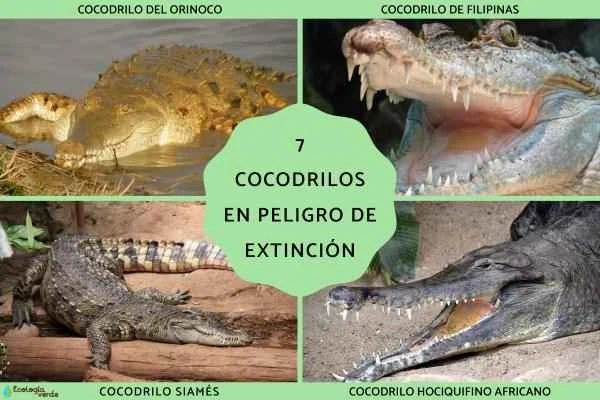
Table of contents
Why are crocodiles on the verge of extinction?
Introduction to 7 endangered crocodile species
Orinoco Crocodile
Philippine crocodile
American crocodile
Swamp crocodile
Cuban crocodile
Siamese crocodile
African crocodile
The Importance of Protecting Crocodile Species
Conclusion
1. Why are crocodiles on the verge of extinction?
Human activities such as habitat destruction, illegal hunting, the leather trade, and environmental pollution are the main reasons for the sharp decline in the global crocodile population. Currently, many crocodile species are listed as endangered, critically endangered, or vulnerable by the International Union for Conservation of Nature (IUCN).
2. Introduction to 7 Endangered Crocodile Species
1. Orinoco crocodile (Crocodylus intermedius) – Critically Endangered
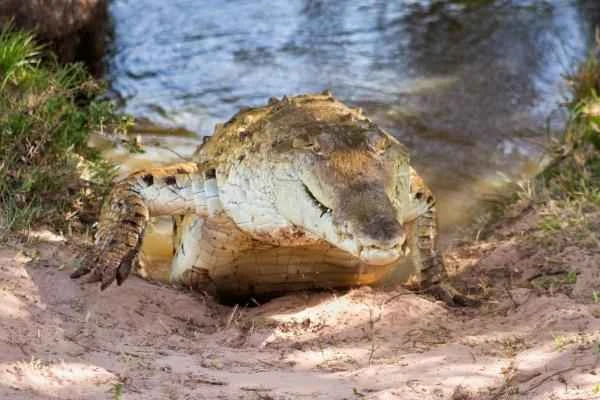
Distributed in the Orinoco River basin of South America, it is one of the largest crocodiles in South America, reaching lengths of up to 5 meters. It primarily feeds on fish, but also preys on mammals and birds. Due to habitat loss and poaching for its leather, its numbers have declined drastically, and very few remain in the wild today.
2. Philippine crocodile (Crocodylus mindorensis) – Critically Endangered
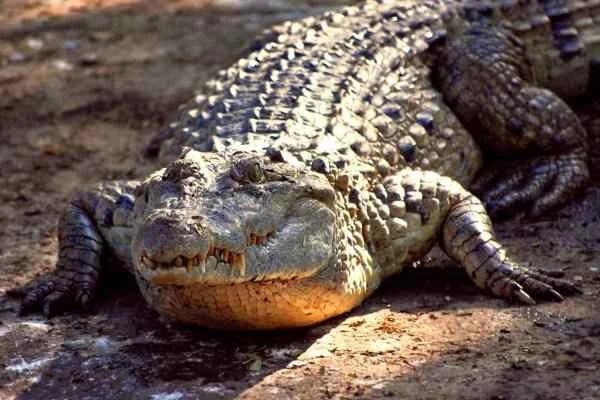
A species endemic to the Philippines, primarily inhabiting freshwater lakes and rivers. Adults reach approximately 3 meters in length and feed on fish, crustaceans, birds, and mammals. Due to habitat destruction and illegal hunting, the population has drastically declined, with only a very small number remaining globally.
3. American Crocodile (Crocodylus acutus) – Vulnerable
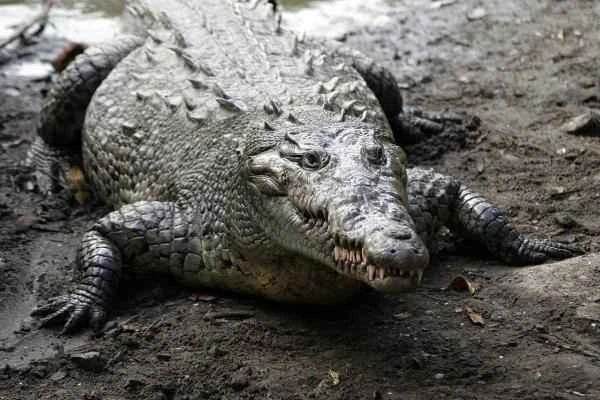
Widely distributed, from the southern United States to South America. Reaching over 5 meters in length, they have an imposing appearance. Their numbers have declined significantly due to habitat loss and the illegal leather trade.
4. Swamp Crocodile (Crocodylus palustris) – Vulnerable 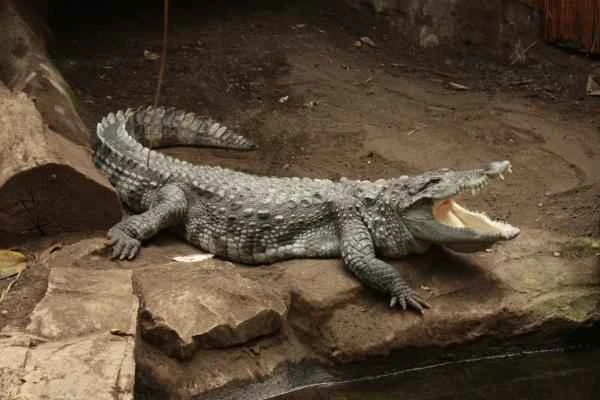
Also known as the Indian swamp crocodile or mangrove crocodile, it is mainly distributed in India and Southeast Asia. Adults are about 2-3 meters long. In the 20th century, it was endangered due to overhunting. Now, through artificial breeding and release into the wild, its numbers have recovered to some extent, but it is still classified as vulnerable.
5. Cuban crocodile (Crocodylus rhombifer) – Critically Endangered 
Endemic to Cuba, these animals typically reach 2-3 meters in length. Due to habitat loss and hunting threats, their population has been declining and they now exist only in a very small number of freshwater wetlands.
6. Siamese crocodile (Crocodylus siamensis) – Critically Endangered 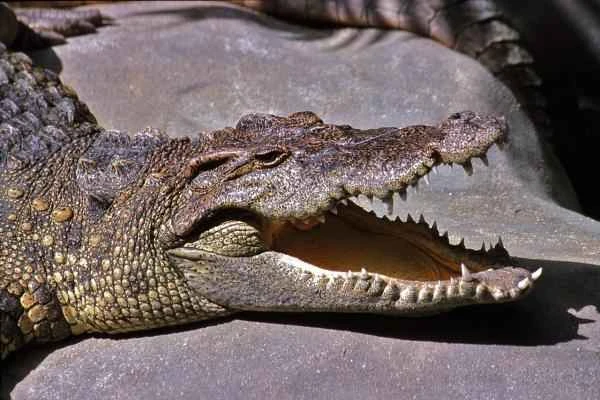
The representative freshwater crocodile of Southeast Asia, distributed in countries such as Thailand, Vietnam, and Cambodia. Males can exceed 4 meters in length, while females are slightly smaller. Due to overhunting and habitat loss, only about 5,000 remain in the wild.
7. African crocodile (Crocodylus cataphractus/Mecistops cataphractus) – Critically Endangered 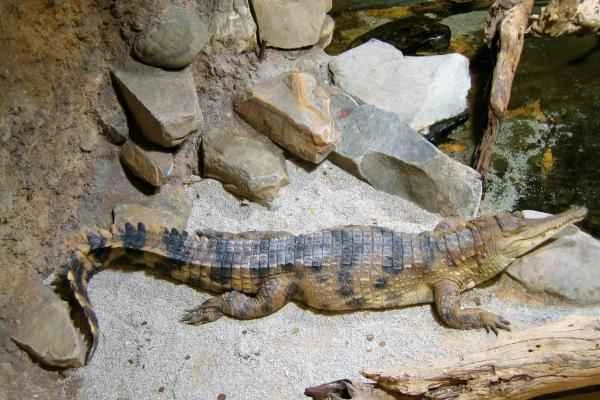
Distributed in central West Africa, it prefers densely vegetated waters. Adults can reach 4 meters in length. Due to habitat loss and political instability, it is now found only in a very few countries, and in some countries it has almost become extinct.
3. The Importance of Protecting Crocodile Species
Crocodiles are apex predators in aquatic ecosystems, regulating the populations of fish and other organisms and maintaining ecological balance. Protecting crocodiles means protecting the biodiversity of the entire aquatic environment.
4. Conclusion
Crocodiles, among the oldest reptiles on Earth, are facing existential threats from human activity. Protecting endangered crocodiles requires a global effort. To learn more about crocodiles and endangered reptiles, please visit our animal encyclopedia section.