Animals camouflage themselves by changing color to protect themselves and make themselves harder to detect or attack. Some animals can blend into their environment by changing the color, pattern, and texture of their skin, making them difficult to detect. This phenomenon is called "camouflage." Other animals use color changes for intimidation or deception; this phenomenon is called "mimicry." Animals camouflage themselves because they need to adapt to their environment, making themselves harder to be seen or attacked, thus improving their survival ability. Below, we've compiled a list of ten animals that can change color.
1. Chameleon
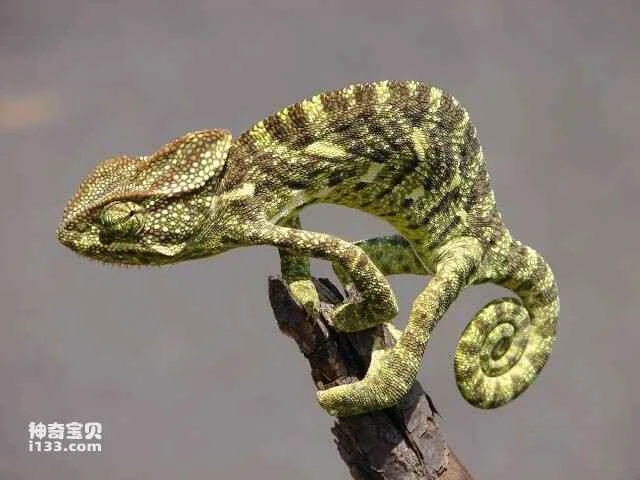
Chameleons can camouflage themselves by changing their skin color, making them harder to detect. This color-changing ability is actually controlled by a special layer of cells containing specialized pigments and reflectors that adapt to the colors and light of their surroundings, quickly adjusting their appearance. Furthermore, chameleons can enhance their camouflage by changing their body shape and head angle.
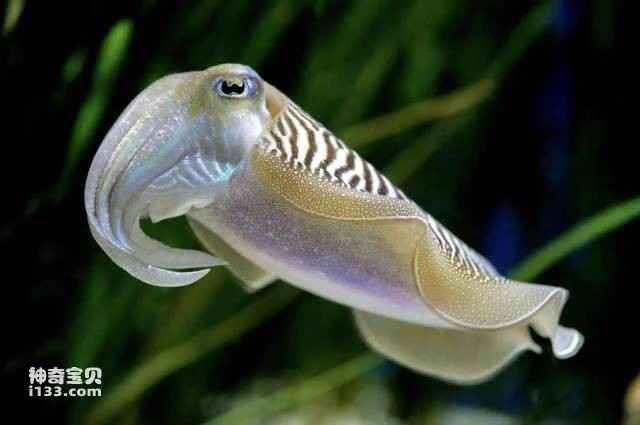
2. Squid
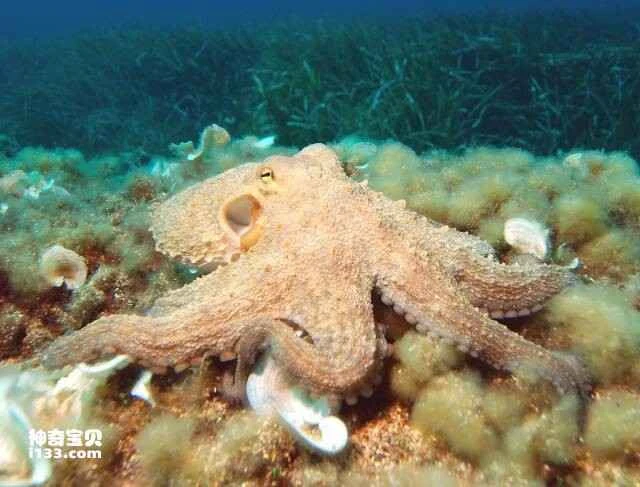
Cuttlefish possess highly developed intelligence and learning abilities, making them one of the most intelligent invertebrates. They have a unique defense mechanism: when threatened, they release melanin to change their body color, camouflaging themselves and making them difficult for predators to spot. Furthermore, they can sever one or more tentacles to escape predators and regenerate new tentacles to compensate for their losses.
3. Leaf-tailed gecko

Leaf-tailed geckos possess exceptional camouflage abilities. They typically choose locations where their body color blends into their surroundings, allowing them to blend in. Furthermore, they can adjust their skin color and patterns to make themselves even more difficult to spot. Another unique camouflage strategy they employ is using their tails to deceive predators. When threatened, they flick their tails, exposing them to the enemy and diverting their attention, making escape easier. Some species of leaf-tailed geckos also have prominent eye patterns on their tails, which can mislead predators into perceiving them as a larger, more aggressive animal, thus scaring them away.
4. Mimicry Octopus
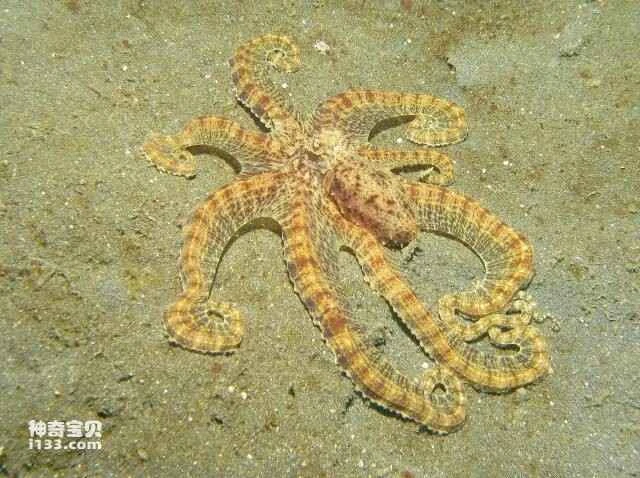
Mimicry octopuses are renowned for their remarkable ability to mimic other species. They typically have brown or gray bodies and can change their skin color and shape to imitate the appearance of other species. Mimicry octopuses can imitate a variety of animals, such as starfish, butterflyfish, and sea snakes, to deceive potential predators or approach potential prey. They can perfectly mimic the appearance of other species by changing their body shape, color, and texture, and can even mimic the behavior and movement of other animals. In addition to mimicry, mimicry octopuses can also use ink spraying, toxin release, and rapid swimming to evade predators. Furthermore, they can extend their tentacles to obtain food and can adopt various special shapes to attract prey.
5. Chameleon
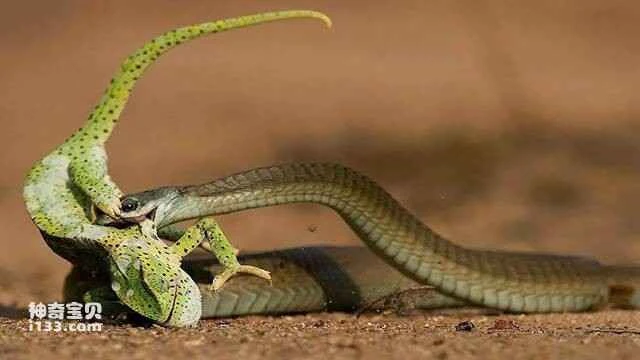
Chameleons are not a scientifically recognized species, but some snakes can adapt to their environment and camouflage themselves by changing their skin color. They typically have bright green or yellowish-green bodies and can blend into their surroundings by changing their body color and texture. This ability gives them a significant advantage in hunting, avoiding predators, and reproduction, and they can also deter enemies or attract mates by displaying bright colors.
6. Orchid Mantis
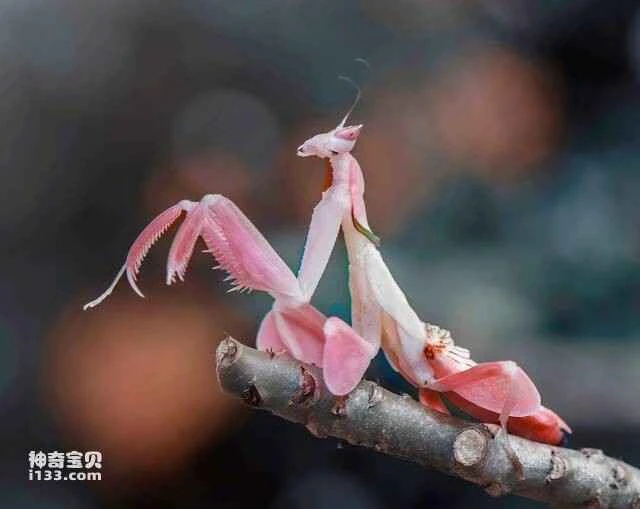
The orchid mantis possesses remarkable camouflage abilities, transforming its body and appearance to resemble an orchid to deceive potential predators or approach potential prey. Its camouflage is exceptional; it not only mimics the color and shape of an orchid but also enhances its camouflage by altering its body position and posture, making it even more difficult to detect. Furthermore, the orchid mantis releases chemicals that mimic the scent of orchids, further amplifying its camouflage. The orchid mantis is a truly fascinating, beautiful, and highly adaptable insect, widely recognized and studied for its exceptional camouflage. Its behavior and morphological changes are not only astonishing but also offer endless inspiration for our exploration of the natural world.
7. Thunderbird
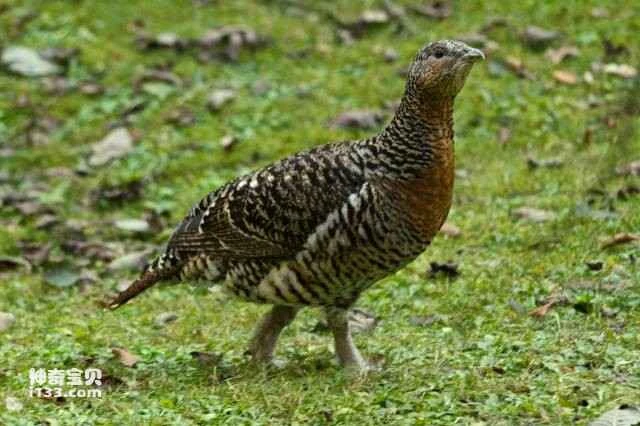
The ptarmigan's camouflage is primarily manifested in the color and pattern of its plumage. Male ptarmigans become more vibrant during the breeding season, their feathers displaying a coppery-green or purple sheen. However, in winter or other seasons, they adapt to their environment and change their plumage color to better blend in. Furthermore, ptarmigans can enhance their camouflage by spreading their tail feathers, making them even more difficult to spot. In addition to camouflage, ptarmigans possess powerful flight capabilities and keen hearing, effectively avoiding predator attacks. They are typical species in pine and coniferous forests, typically foraging for food in trees or on the ground, including pine cones, buds, and insects.
8. Flounder
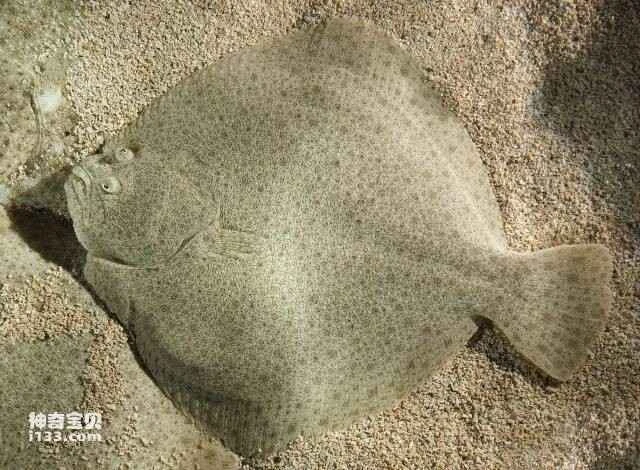
Flatfish possess a unique body shape and exceptional camouflage abilities. Their eyes are located on one side of their body, while the other side is completely eyeless, and their flattened bodies give them a completely different appearance from other fish. This body structure allows flatfish to camouflage themselves very effectively, blending their body color and texture into their surroundings to better protect themselves, hunt prey, or escape predators. Flatfish are remarkably adept at camouflage; they can mimic the appearance and texture of objects such as sand, rocks, and seaweed, and can match different backgrounds by changing their body color and patterns. Furthermore, flatfish can enhance their camouflage by changing their body posture and swimming style. For example, when flatfish curl into a ball, they become much harder to spot; when hunting prey, they swim quickly and spread their fins, making themselves appear more like ordinary fish. Their camouflage abilities allow them to better adapt and survive in the ocean, and also provide us with endless inspiration for exploring the natural world.
9. Frogfish
Frogfish are renowned for their remarkable camouflage abilities. Typically possessing eight tentacles and a relatively large body, they can adapt to their environment by altering the color, texture, and shape of their skin, deceiving predators or approaching potential prey. Frogfish skin is filled with pigment cells, allowing them to freely adjust their body color and appearance. When needing to protect themselves, they choose skin colors that blend with their surroundings, making them appear more like rocks, seaweed, or other objects on the seabed; when hunting prey, they adjust their body color to brighter hues to attract attention and launch an attack. Furthermore, frogfish can enhance their camouflage by changing the texture and shape of their skin. For example, they can mimic the surface structure of corals or sponges and adjust their body shape to blend into their surroundings. Additionally, frogfish can release chemicals to confuse enemies or attract mates, further enhancing their camouflage capabilities. Their behavior and morphological changes are not only astonishing but also provide a fascinating perspective for understanding marine life and the natural world.
10. Chameleon Frog
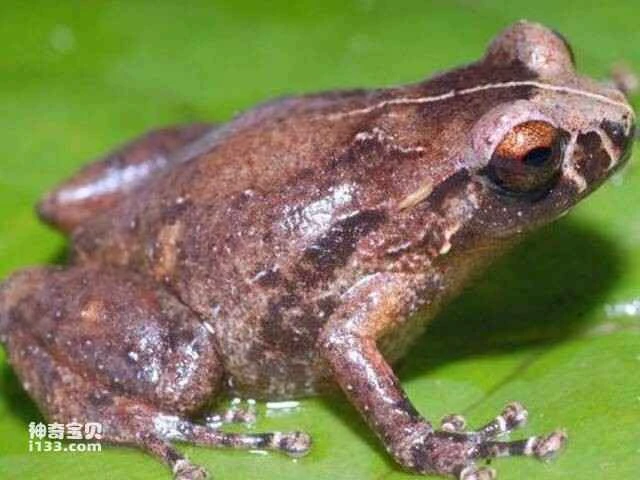
The chameleon frog is a miniature toad species primarily found in the high-altitude regions of New Guinea. Scientists have discovered that chameleon frogs possess exceptional camouflage abilities, blending seamlessly into their environment. They are typically dark brown or black, covered in countless skin folds and raised warts, making them extremely difficult to spot. Furthermore, chameleon frogs also camouflage themselves by mimicking leaves and dead leaves. They utilize their body color and shape to mimic their surroundings, making themselves appear more like objects and thus avoiding detection by predators. The chameleon frog's remarkable camouflage skills are a key reason why they can survive in harsh environments.