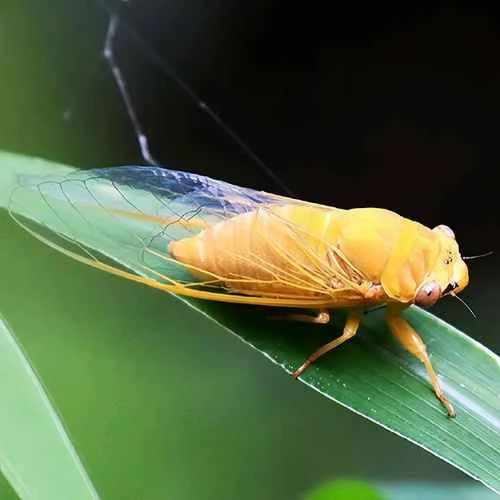
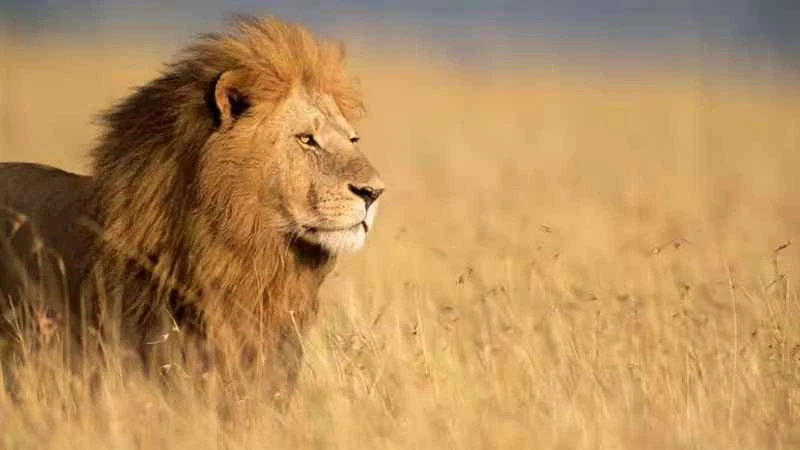
Metamorphosis is a special ability that animals have evolved in their natural environment for survival, hunting, or self-defense. While many people associate metamorphosis with visual changes, such as adjustments to color or shape, it can also manifest as alterations in body form, regeneration, chemical camouflage, and even changes in behavioral patterns. We will now explore animals with metamorphic abilities in more detail and further explain how they utilize this ability to survive in their environment.
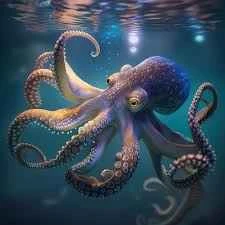
1. Octopus
Octopuses possess one of the most remarkable abilities in the animal kingdom: the ability to change shape. They can not only rapidly alter their skin color and texture, but also adapt to various environments by changing their body shape. This is due to the pigment cells within the octopus's body.
Transformation mechanism :
Octopuses can quickly adjust their color by changing the size of pigment cells under their skin, mimicking their surroundings.
They have no skeletons, so they can compress or expand their soft bodies to enter narrow caves or crevices.
Some octopuses can even mimic other marine creatures, such as highly venomous flounders and sea snakes, to scare away predators.
2. Chameleon
Chameleons are another animal known for their shapeshifting, but their "shapeshifting" is mainly reflected in color changes. The pigment cells in a chameleon's skin respond to external stimuli such as light, temperature, and emotions, thereby adjusting their color.
Transformation mechanism :
Chameleon skin has two layers of pigment cells: the cells on the surface contain pigments of different colors, while the cells in the deeper layers can reflect light of different wavelengths, which allows them to quickly adjust the color of their skin.
Chameleons change color not only for camouflage, but also to communicate with other chameleons. For example, male chameleons may use bright colors to declare their territory to other males or to attract females.
3. Cuttlefish
Like octopuses, squid possess an amazing ability to change color and camouflage themselves. They can not only change their color, but also alter the texture of their skin and the way they reflect light. The squid's camouflage techniques are so sophisticated that they become virtually undetectable in sand, rocks, or seaweed.
Transformation mechanism :
Cuttlefish skin also contains pigment cells, and they can use these cells to change color in milliseconds.
In addition, squid have tiny muscles on their skin that can tighten or loosen, making the skin appear smooth or textured, allowing them to mimic their surroundings.
4. Flatworms
Flatworms' ability to deform lies in their amazing regenerative capacity .
Transformation mechanism :
Flatworms can regenerate new body parts, even heads or tails, through their internal stem cell system. This regeneration process is crucial for their survival and reproduction.
Real-world application scenario : When faced with a threat, flatworms confuse predators by breaking their bodies apart, and then quickly regenerate their bodies using their regenerative abilities.
5. Pufferfish
Pufferfish can rapidly inflate themselves into a spherical shape by inhaling large amounts of water or air, drastically altering their appearance. This transformation not only deters predators, but the pufferfish's inflated spines can also injure them.
Transformation mechanism :
Pufferfish rapidly inhale water through their mouths, inflating their bodies. As they inflate, the sharp spines on their skin stand erect, forming a defensive barrier.
Survival advantages :
Self-defense : Pufferfish make themselves difficult to swallow by rapidly increasing their size and raising sharp spines, which can also injure enemies.
6. Glass Frogs
Glass frogs get their name from their almost completely transparent abdominal skin. Their internal organs are visible through this skin, providing them with a unique form of camouflage.
Transformation mechanism :
Glass frogs' transparent skin allows them to blend into their environment, especially when they perch on leaves or branches, their transparent bellies making them difficult to spot.
7. Sea Slugs
Some species of sea hares, especially the Spanish dancer sea hare ( Hexabranchus sanguineus ).
Transformation mechanism :
Sea hares can control the expansion and contraction of their bodies through muscles, rapidly changing their shape.
The Spanish sea hare's brightly colored body serves not only to confuse predators but also as a warning signal that it is venomous.
8. Amoeba
Amoebas are tiny, single-celled organisms whose name comes from their constantly changing shape. Amoebas do not have a fixed form; they can move, capture food, and cope with their environment in a microscopic way by extending or contracting their pseudopodia.
Transformation mechanism :
Amoebas change shape using pseudopodia (temporary structures formed by the movement of cytoplasm). These pseudopodia not only help them move but also help them capture prey.
Their cellular structure is very flexible and can adjust its shape in response to external stimuli.
9. Mantis Shrimp
Mantis shrimp are known for their powerful attack methods; their forelimbs can be extended in a very short time to strike prey or predators. This rapid and powerful movement demonstrates the mantis shrimp's metamorphic potential.
Transformation mechanism :
The mantis shrimp's forelimbs have a special hinge structure that allows it to accumulate energy in a short time before suddenly extending them to attack its target at extremely high speed.
Their movements are so fast that they can create a "cavitation effect," which is the shock wave generated when bubbles in the water burst, causing double damage to prey or enemies.
Metamorphosis is a crucial survival skill in the animal kingdom. Different species of animals employ various methods to change their form in order to adapt to their environment, hunt, escape predators, or communicate with each other. From octopuses and squid in the deep sea to amoebas in the microscopic world, these animals demonstrate astonishing evolutionary potential and diversity. Their ability to metamorphose not only helps them adapt to changing environments but also showcases the boundless innovation and vitality of nature.
Every animal has its unique survival strategies, and metamorphosis is an important tool for them to stand out in nature. Whether through changes in color or shape, or through regeneration or expansion, metamorphosis enables these animals to survive in extreme environments and ensure the continuation of their populations.