When choosing a cat breed, Siamese and Persian cats are two of the most popular choices. Both breeds possess unique characteristics and personalities, appealing to different types of cat lovers. This article will explore the key differences and similarities between Siamese and Persian cats to help you make an informed decision.
Overview of Siamese and Persian Cats
Siamese cat
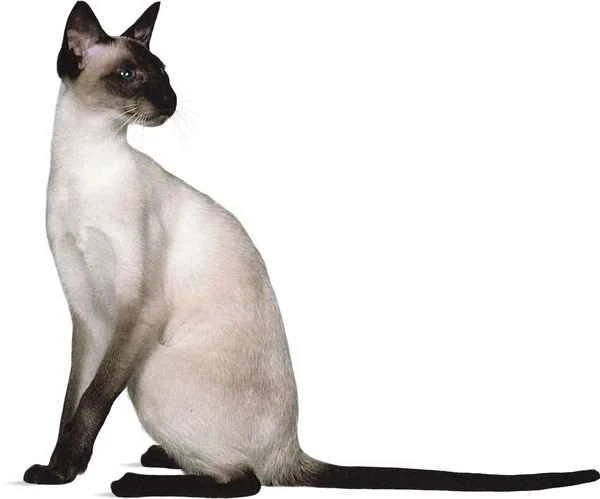
Siamese cats are known for their striking appearance and lively personality. Their short, smooth fur is typically distinguished by color points on their ears, face, paws, and tail. Siamese cats are active, sociable, and enjoy interaction, making excellent companions.
Persian cat
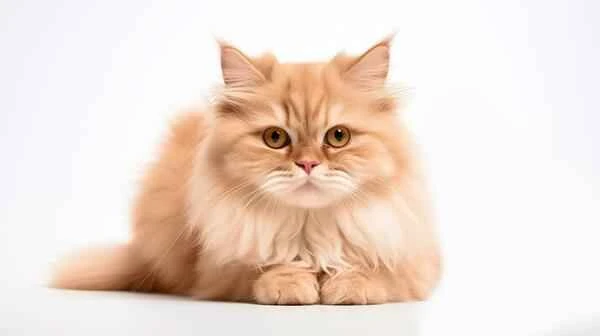
Persian cats are known for their long, luxurious fur and flat faces. They are generally gentle and prefer quiet environments. Due to their thick fur, Persian cats require regular grooming, but they are beloved for their gentle and affectionate nature.
Key differences
The following is a detailed comparison of the two varieties:
| feature | Siamese cat | Persian cat |
|---|---|---|
| Appearance | Short hair, smooth; with colored spots | Long, fluffy hair; flat face |
| personality | Noisy, active, social | Gentle, kind, introverted |
| Analyze requirements | Low combing requirements | High need for organization (daily organization) |
| life | 12-20 years | 2012-2017 |
| Exercise needs | Gao (likes to play and interact) | Low to medium (likes to be lazy) |
| health issues | Prone to respiratory problems | Prone to heart and kidney problems |
| Ideal environment | Active family, family environment | A quiet home environment suitable for the elderly. |
Detailed comparison
Appearance
Siamese cats have slender bodies, almond-shaped eyes with a captivating blue hue, and short, smooth fur. Their distinctive color points are typically cream, chocolate, lilac, and blue, adding to their beauty. Persian cats, on the other hand, have round faces and thick fur; regular grooming is necessary to maintain their healthy coat.
personality
Siamese cats are known for their boisterous and outgoing personalities. They love to "talk" to their owners and actively seek attention. They are very active in social situations and usually cling closely to their human companions. Persian cats, on the other hand, are generally more introverted and prefer a quieter lifestyle. While they are also affectionate, they may not require as much interaction as Siamese cats.
Analyze requirements
Siamese cats have relatively low grooming needs; their short fur only requires occasional brushing. Persian cats, on the other hand, need daily brushing to maintain the health of their long fur and prevent tangles. Regular brushing also reduces shedding and hairballs.
life
Both breeds have similar lifespans, with Siamese cats living between 12 and 20 years, while Persian cats live approximately 12 to 17 years. However, an individual's health condition and care can significantly affect their lifespan.
Exercise needs
Siamese cats are energetic and need regular playtime to stay active. They enjoy interactive toys and playing with their owners. Persian cats also like to play, but are generally quieter and prefer to relax after short periods of play.
health issues
Siamese cats may be prone to certain respiratory problems due to their narrow heads and noses. Persian cats are more likely to have hereditary health problems, such as heart disease (hypertrophic cardiomyopathy) and kidney disease, which is related to their breeding.
Ideal environment
Siamese cats thrive in active families and enjoy interacting with people. They are suitable for families with children and other pets. In contrast, Persian cats are better suited to quiet environments and prefer relaxation, making them suitable for seniors or individuals seeking a more leisurely pet.
Ultimately, choosing between a Siamese or Persian cat depends on your lifestyle and preferences. If you're looking for a lively, talkative companion, a Siamese might be the right choice. However, if you prefer a gentle, affectionate, and laid-back cat, a Persian might be more suitable. Understanding the differences between these two popular breeds can help you find the perfect furry friend for you.
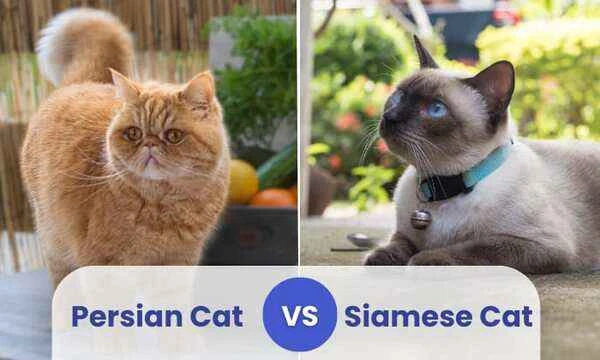
Can Persian cats and Siamese cats get along?
When considering whether Persian and Siamese cats can coexist harmoniously, it's important to understand their individual personalities and temperaments. Both breeds have unique characteristics that can influence their interaction; below, we'll explore how these two breeds can coexist.
Personality traits
Siamese cat :
Social and vocal : Siamese cats are known for being very social and vocal. They crave human interaction, often seek attention, and can be quite assertive, demanding play or cuddles.
Lively and active : They are energetic and love to play, including chasing toys and climbing.
Persian cat :
Gentle and affectionate : Persian cats are generally more gentle in temperament and prefer quiet environments. They are affectionate but do not have as strong a need for attention as Siamese cats.
Low activity level : Persian cats tend to enjoy laziness and relaxation rather than engaging in vigorous play.
Compatibility factors
Differences in temperament :
The outgoing and active nature of Siamese cats can sometimes clash with the more relaxed and gentle temperament of Persian cats. A Siamese cat's energy can sometimes overwhelm a Persian cat.
Socialization :
With proper socialization training from a young age, the two breeds can learn to coexist peacefully. Gradual introduction and positive reinforcement can help them build a friendly relationship.
Space and environment :
Providing each cat with its own space can be beneficial. Siamese cats may need more space to play, while Persian cats may prefer a comfortable, quiet place to rest. Ensuring that both breeds have their own territory can reduce stress and potential conflict.
Introduction under supervision :
When introducing Siamese and Persian cats, it's best to do so gradually and under supervision. Allow them to sniff each other through a door or fence before introducing them directly. Use positive reinforcement, such as treats and praise, to encourage good behavior during the introduction.
Understanding each other's signals :
Cats communicate through body language. Teaching two cats to recognize and respect each other's signals can help reduce misunderstandings. For example, if one cat shows signs of discomfort, it's important to give them space.
Potential challenges
Differences in play styles :
The lively playfulness of Siamese cats may be too intense for Persian cats, who may not appreciate rough play. If play becomes too noisy, Persian cats may withdraw, resulting in insufficient interaction.
Loud shouts :
Siamese cats are very vocal and may try to attract the more introverted Persian cats. This can be uncomfortable for the Persian cats, especially since they prefer a quiet environment.
Health considerations :
If one of the cats has a health problem or is older, their interactions must be closely monitored. For example, an older Persian cat may not be able to keep up with a lively Siamese cat.
In conclusion, although Persian and Siamese cats have different personalities, they can get along well if introduced correctly and provided with a suitable environment. Understanding their respective needs and characteristics is key to cultivating a peaceful relationship. With patience, socialization, and positive reinforcement, Persian and Siamese cats can absolutely coexist happily in the same household.
Price comparison between Siamese and Persian cats
Price is an important factor when choosing a pet cat. Siamese and Persian cats, as two popular breeds, vary in price due to a variety of factors. Below, we will discuss the price differences between these two breeds in detail.
Siamese cat price
Price range :
The price of a Siamese cat typically ranges from $500 to $2,000, depending on its pedigree, the breeder's reputation, the region, and the cat's physical characteristics.
Influencing factors :
Pedigree : Purebred Siamese cats are usually more expensive, especially those with champion bloodlines.
Age : Kittens are usually more expensive than adult cats because kittens are more popular.
Breeders : Choosing a reputable breeder will increase the price of your cat, as they usually provide health guarantees and a good living environment.
Persian cat price
Price range :
Persian cats typically cost between $500 and $5,000, with some high-quality Persian cats potentially costing even more, especially those with distinctive coat colors or pedigrees.
Influencing factors :
Pedigree and appearance : High-quality Persian cats, especially those with beautiful fur and unique colors, will be more expensive.
Breeders : Similar to Siamese cats, Persian cats from reputable breeders are usually more expensive because these breeders ensure the cat's health and socialization.
Other expenses
In addition to the purchase price, there are other related costs to consider:
Medical expenses :
Regular veterinary checkups, vaccinations, spaying/neutering surgeries, and treatment for potential health problems are all necessary expenses for owning a cat.
Food and supplies :
Cat food, litter, toys, and cat trees are also part of the total expense.
Beauty treatment costs :
Persian cats' long fur requires regular brushing and may require professional grooming, adding to the overall cost.
Generally speaking, Persian cats are more expensive than Siamese cats, especially high-quality Persians. However, price differences are also influenced by various factors, including pedigree, breeder, and region. When choosing a pet cat, in addition to considering the initial purchase cost, it is advisable to include long-term care and daily expenses in your budget. Regardless of the breed chosen, ensuring the cat comes from a responsible breeder is crucial to guarantee its health and well-being.
How to choose between Persian kittens and Siamese cats
When deciding between a Persian kitten and a Siamese cat, it's important to consider several factors, including temperament, grooming needs, health, and your lifestyle. Each breed has its unique characteristics and requirements, so understanding these will help you make the best choice for your family. Here's a detailed guide to help you make your decision.
1. Personality traits
Siamese kitten :
Social and vocal : Siamese cats are known for their outgoing personality and vocal nature. They love interacting with people and are generally very affectionate. If you want a cat that can interact with you and participate in your daily activities, a Siamese cat might be the right choice.
Active and playful : Siamese kittens are generally very playful and need a lot of stimulation. They love playing games and exploring their environment, making them active companions.
Persian kitten :
Gentle and affectionate : Persian cats are generally more gentle in temperament and may prefer a quiet environment. They are affectionate but often enjoy more relaxed interactions with their owners.
Less active : Persian kittens may not need as much playtime as Siamese cats, making them suitable for those who prefer a quiet companion.
2. Clarify requirements
Siamese kitten :
Low maintenance : Siamese cats have short, smooth fur that requires minimal grooming. Regular brushing helps maintain the coat but usually prevents tangles or knots.
Persian kitten :
High maintenance : Persian cats have long, luxurious fur that requires regular brushing to prevent tangles. Daily brushing is recommended, and regular professional grooming may be necessary to maintain optimal coat condition.
3. Health considerations
Siamese cat :
Common health issues : Siamese cats may be prone to several health problems, including respiratory and dental issues. Regular veterinary checkups are essential for monitoring their health.
Persian cat :
Brachycephaly-related issues : Persian cats have a brachycephaly, which can lead to breathing difficulties. They may also have certain genetic health problems, such as polycystic kidney disease (PKD). Ensuring you purchase from a responsible breeder can help reduce health risks.
4. Lifestyle considerations
Activity level :
Consider your activity level and the time you can dedicate to play and interaction. If you have a busy life and prefer an independent cat, a Persian cat might be more suitable for you. However, if you have time for play and social interaction, a Siamese cat could be a great option.
space :
Siamese cats typically prefer more space to explore and play, while Persian cats may be more content in a quiet environment. Consider your living situation and how much space you can provide.
5. Compatibility with other pets
Siamese kitten :
They are generally adaptable and may get along well with other pets due to their social nature. If you have other lively pets, Siamese cats may be a good match.
Persian kitten :
They tend to be more introverted and may need a gentler approach to interacting with other pets. If you already have pets, consider their personalities and how you would like to interact with a new cat.
Choosing between a Persian and a Siamese cat depends on your preferences, lifestyle, and the type of companionship you desire. If you want a lively, social, and vocal pet, a Siamese cat might be the perfect choice. Conversely, if you prefer a gentle, affectionate companion that requires less activity and interaction, a Persian cat might be the ideal option.
Ultimately, it's advisable to spend time with kittens of both breeds before making a decision. Visiting breeders or rescue organizations can help you understand the unique qualities of each breed and find a cat suitable for your family. Regardless of which breed you choose, Persian and Siamese cats can be wonderful additions to your household.
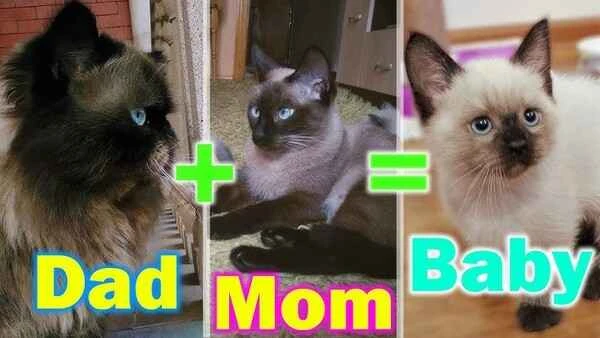
What is a Persian-Siamese mixed-breed cat called?
A crossbreed of Persian and Siamese cats is often referred to as a "Siamese-Persian hybrid" or "Siamese-Persian crossbred cat." This hybrid cat combines the unique characteristics of both mother breeds, creating a distinctive and charming feline companion.
Characteristics of Persian and Siamese cat hybrids
Appearance :
Coat : The coat type of Siamese-Persian crossbred cats can vary greatly. Some may inherit the long and luxurious coat of the Persian cat, while others may have a short and smooth coat, similar to the Siamese cat. This mixing can result in a combination of the two coat types.
Color : These cats may have spotted fur like Siamese cats, with darker colors on their ears, face, paws and tail, or they may display solid colors or tabby patterns common to Persian cats.
personality :
Sociality : Siamese cats are known for their outgoing and vocal personalities, while Persian cats are more gentle and affectionate. A mix of the two can produce a lively yet affectionate kitten that typically enjoys social interaction but can also appreciate quiet time.
Intelligence : Both breeds are intelligent, so Siamese-Persian crossbred cats may exhibit intelligence and curiosity, making them charming companions.
Requirements analysis :
Grooming : The grooming needs of a cat will depend on its genetically inherited coat type. If the cat has long hair, it will need regular grooming to prevent tangles and knots, similar to Persian cats. If the hair is short, grooming may be less of a concern.
Health considerations :
Potential health issues : Mixed-breed cats generally benefit from hybrid vigor, which may reduce the occurrence of certain genetic health problems. However, they can still inherit health issues from either parent, such as respiratory problems that Siamese cats may experience or heart problems that Persian cats may have. Regular veterinary checkups are crucial for monitoring their health.
How to care for a Siamese-Persian mixed-breed cat
Diet : A balanced diet is essential for maintaining a healthy weight and overall health. Consult your veterinarian for recommendations based on your cat's age, size, and activity level.
Exercise : Regular playtime is crucial for maintaining a cat's mental and physical well-being. Interactive toys and regular playtime can help keep them active.
Socialization : Encourage social interaction by spending time with your cat and introducing them to new environments. This will help them develop a positive personality.
Routine veterinary care : Ensure your cat receives regular checkups, vaccinations, and dental care to maintain its health.
The Siamese-Persian crossbred cat is a charming combination of two popular breeds, bringing together the best of both. With their unique looks, captivating personalities, and affectionate nature, these crossbreds can be wonderful companions for any family. Whether you're drawn to their beauty or charm, a Siamese-Persian crossbred cat may be the perfect addition to your household.