Ornamental shrimp are a type of freshwater crustacean prized for their color, shape, or other characteristics, kept as ornamental objects. Ornamental shrimp vary greatly in appearance; some species are small and exquisite with vibrant colors, while others possess bizarre and captivating shapes. So, what are some easy-to-keep ornamental shrimp species for beginners? Here are ten easy-to-keep ornamental shrimp species, including: Fire Shrimp, Cherry Shrimp, Yamato Shrimp, Green Crystal Shrimp, Elegant White Shrimp, White Claw Shrimp, Black Shell Shrimp, Florida Blueclaw Shrimp, Glass Shrimp, and Snowball Shrimp. Let's take a look!
1. Extremely Hot Shrimp
The Fire Shrimp, also known as the "Red Cherry Shrimp," is a common ornamental shrimp. Typically originating from China and Taiwan, it's a variant of the Cherry Shrimp with very vibrant colors. The Fire Shrimp's body is deep red or orange-red, becoming even more striking under light. They are relatively easy to breed and can multiply rapidly in aquariums. Reaching a size of approximately 1-2 cm, they are suitable for small aquariums. Fire Shrimp reproduce asexually, meaning there is a clear distinction between males and females, and the female can produce a large number of eggs. After hatching, the larvae need sufficient food and safe hiding places to grow and thrive.
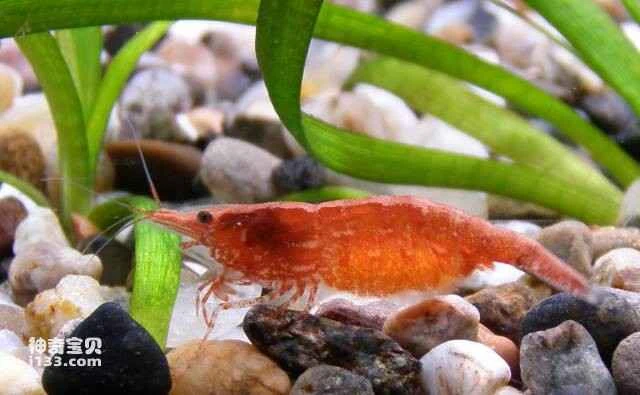
Compared to other ornamental shrimp, the Fire Shrimp is not very demanding in terms of water quality, but it still requires appropriate water temperature, pH level, and hardness. They can eat a variety of foods, including decaying plant and animal matter, aquatic plants, and shrimp bait. It's important to note that shrimp bait should be used in moderation to avoid affecting water quality. In short, the Fire Shrimp is a very beautiful, easy-to-breed, and beginner-friendly ornamental shrimp, and is very popular among shrimp enthusiasts.
2. Sakura shrimp
Cherry shrimp are a very popular ornamental shrimp, also known as "red cherry shrimp" or "cherry blossom shrimp." Native to China and Taiwan, cherry shrimp typically have a pale red or bright orange-red body, sometimes with white or transparent spots or stripes. Their beautiful colors easily attract the attention of shrimp enthusiasts.
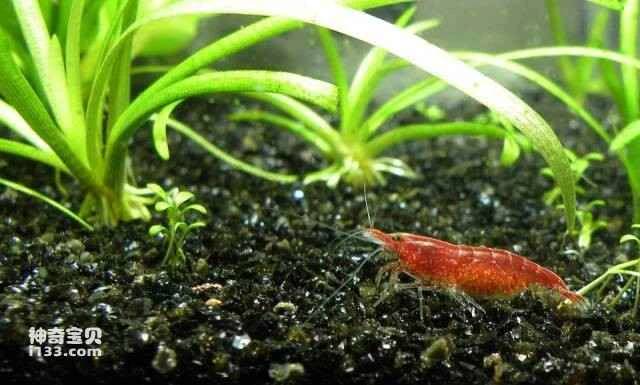
Cherry shrimp are typically small, measuring about 1-2 centimeters, making them well-suited for small aquariums. They reproduce asexually, with distinct differences between males and females, and females can produce large numbers of eggs. After hatching, the larvae require ample food and safe hiding places to grow and thrive.
Cherry shrimp are not particularly demanding in terms of water quality, but they still require appropriate water temperature, pH level, and hardness. They can eat a variety of foods, including decaying plant and animal matter, aquatic plants, and shrimp bait. It's important to note that shrimp bait should be used in moderation to avoid affecting water quality. In short, cherry shrimp are very beautiful, easy to breed, and suitable for beginners, making them popular among shrimp enthusiasts. If you are looking for a beautiful and easy-to-care-for shrimp, cherry shrimp might be a good choice.
3. Yamato algae shrimp
Yamato shrimp, also known as Yunnan toothless shrimp, Shandong spineless shrimp, corn shrimp, etc., is a popular freshwater ornamental shrimp suitable for keeping in medium to large aquariums. They are typically translucent or gray with many white or yellow spots or stripes on their bodies, making them very attractive. Yamato shrimp can usually grow to 2-3 cm in length and are omnivorous, consuming a variety of foods including decaying plant and animal matter, aquatic plants, and shrimp bait.
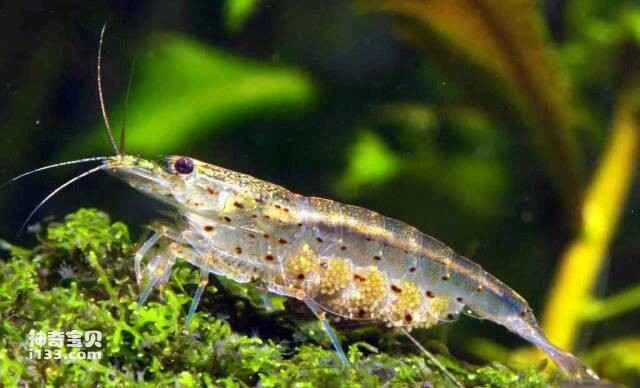
Besides being a beautiful ornamental shrimp, the Yamato shrimp is also widely used for ecological control in aquariums. They feed on various harmful bottom sediments and plankton in the aquarium, helping to maintain clean and stable water quality, thus reducing reliance on chemicals. In short, the Yamato shrimp is a beautiful and practical shrimp species that serves as both decoration and ecological control in aquariums. If you are considering keeping freshwater ornamental shrimp, the Yamato shrimp is a worthwhile option.
4. Green Crystal Shrimp
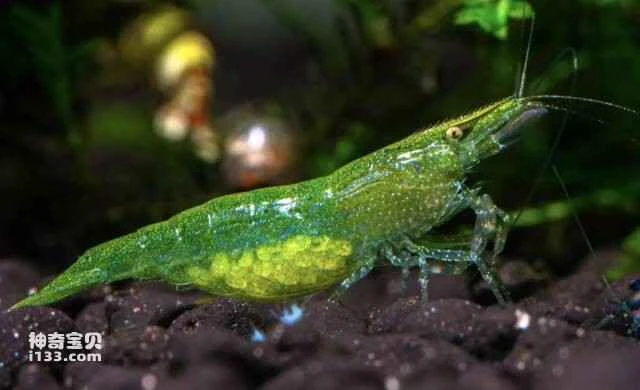
Green crystal shrimp, also known as New Guinea crystal shrimp, is a freshwater crustacean originating from Papua New Guinea, Indonesia. They typically grow to about 5 centimeters in length and are renowned for their beautiful colors and transparent shells. Living in freshwater, green crystal shrimp require stable water quality and temperature to survive. These shrimp are commonly kept in aquariums as they are excellent pets. They can eat various types of food, including vegetables, fruits, and meat. They are generally more active at night, and their movement through the water in an aquarium is a beautiful sight. Green crystal shrimp are also popular for their beautiful appearance; their bodies are emerald green or light blue, with a transparent shell and delicate claws. Due to their beauty and unique characteristics, green crystal shrimp have become a favorite among aquarium enthusiasts and shrimp lovers.
5. Beautiful White Shrimp
The beautiful white shrimp, also known as snow white shrimp, white jade shrimp, pearl shrimp, etc., is a common freshwater farmed shrimp. They typically grow to about 2-3 centimeters in length and possess a uniquely beautiful appearance and a gentle temperament. The beautiful white shrimp's body is pure white or has faint yellow or blue spots, giving it a clean and refreshing appearance that is very attractive. These shrimp have relatively small heads and robust bodies, and their tails are covered with a transparent membrane, resembling sails.
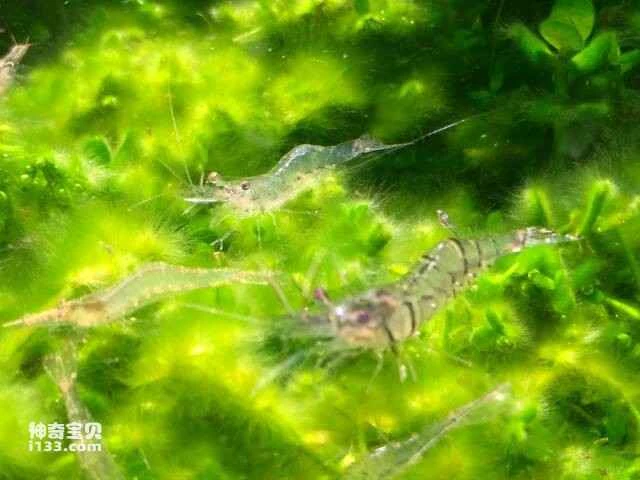
The beautiful white shrimp is not demanding in terms of water temperature, thriving in environments between 20-28 degrees Celsius. They typically find food and hiding places under the sand and rocks at the bottom of the aquarium. These shrimp are also sensitive to water quality, requiring clean and stable water conditions. The ideal pH is 7.0-8.0, and the hardness is 4-8 dGH or higher. The beautiful white shrimp is a gentle and friendly species that will not attack other fish or shrimp. They are omnivorous, feeding on plants, algae, and small aquatic animals. Due to their beautiful appearance and gentle nature, the beautiful white shrimp is very suitable for keeping in home aquariums.
6. White prawns
White-legged shrimp, also known as giant white-footed shrimp, is a type of freshwater shrimp. They typically grow to about 10 centimeters in length, making them one of the larger freshwater shrimp. White-legged shrimp are renowned for their delicious meat and are also popular aquarium pets. Their bodies are grayish-white or light yellow, with relatively small heads and long, slender bodies. They possess very strong pincers, used for catching prey and defense. Furthermore, white-legged shrimp are covered in numerous yellow or brown spots, making them quite beautiful.
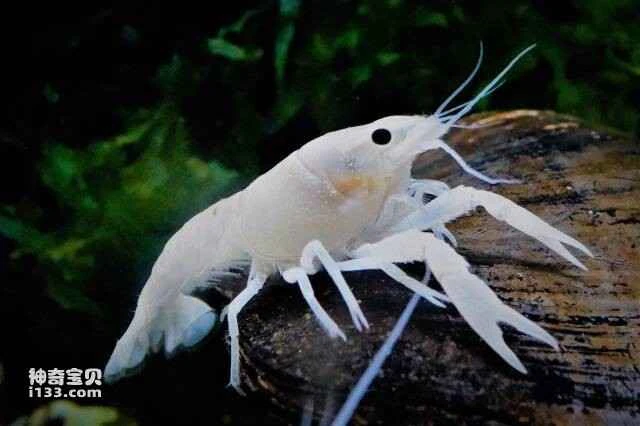
White slipper prawns have relatively high water quality requirements, needing clean and stable water with an ideal pH of 7.0-8.0 and a hardness of 4-8 dGH or higher. They typically live in still water, such as rivers, ponds, and lakes. White slipper prawns are omnivorous, feeding on plants, algae, and small aquatic animals, but they are also carnivorous, preying on other small aquatic creatures. When keeping white slipper prawns in an aquarium, it's important to pay attention to the amount and type of food they consume and avoid overfeeding. Overall, white slipper prawns are a suitable shrimp for advanced aquarium enthusiasts and are also a delicious edible shrimp.
7. Black-shelled shrimp
Black tiger shrimp, also known as black shell shrimp, is a type of freshwater shrimp. Their shells are black or dark gray, and their bodies are relatively short and stout, typically growing to about 6-8 centimeters in length, making them a relatively small freshwater shrimp. Black tiger shrimp are popular for their delicious meat and are also highly valued as aquarium pets. Their small size, agile movements, and lively nature make them ideal as ornamental marine life in aquariums.
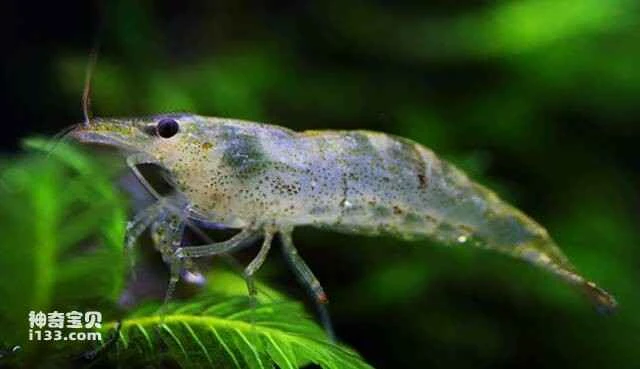
Black shrimp are not demanding in terms of water quality and can survive in various water conditions, but it is best to keep the water clean and stable, with an ideal pH of 7.0-8.0 and a hardness of 4-8 dGH or higher. They typically live in still water, such as rivers, ponds, and lakes. Black shrimp are omnivorous, feeding on plants, algae, and small aquatic animals, and are also carnivorous, preying on other small aquatic creatures. When keeping black shrimp in an aquarium, it is important to pay attention to the amount and type of food they consume and avoid overfeeding. Overall, black shrimp are a suitable shrimp for beginner aquarists and are also a delicious edible shrimp with a wide market.
8. Florida Blueclaw
The Florida blueclaw is a freshwater crayfish, also known as the American blue lobster or Florida lobster. They are relatively large freshwater crustaceans, typically growing to about 15-20 cm in length, with a deep blue or grayish-blue body and very strong, large claws. Native to Florida, USA, the Florida blueclaw is widely distributed worldwide. Renowned for its delicious meat and ornamental value, the Florida blueclaw is a very popular aquarium pet. When keeping Florida blueclaws in an aquarium, it's important to pay attention to their water quality requirements. The optimal pH is 7.0-8.0, with a hardness of 4-8 dGH or higher, and the water temperature should be maintained between 20-25°C.
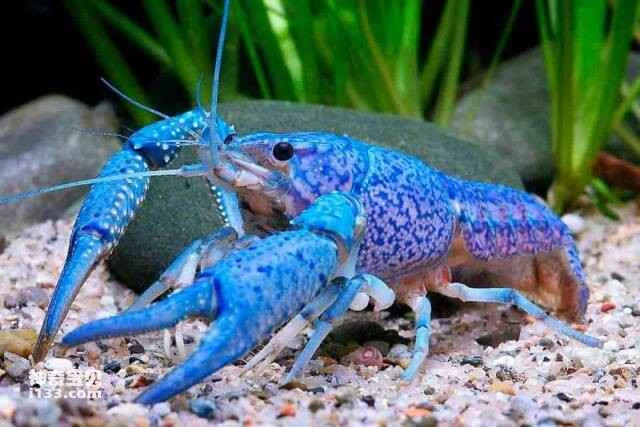
Florida blueclaws are omnivorous, feeding on plants, algae, and small aquatic animals, but they are also carnivorous, preying on other small aquatic creatures. When kept in an aquarium, they can be fed shrimp and small fish. It's important to note that because Florida blueclaws have a distinctive odor and irritating secretions, they should be kept away from natural waterways to avoid impacting the local ecosystem.
Overall, the Florida blueclaw is a suitable pet for serious aquarists, and also a delicious edible lobster with a wide market.
9. Glass Shrimp
Glass shrimp, also known as clown shrimp, are small freshwater crustaceans belonging to the family Daphniaidae in the order Decapoda. They typically grow to about 2-3 cm in length, with a body color that is mostly translucent or light brown, featuring very attractive blue and red spots. Glass shrimp are an ideal pet for keeping at home, not only because they are beautiful, cute, and easy to care for, but also because they can help clean the water and maintain a healthy ecological balance. When keeping glass shrimp, it is important to maintain clean water, a stable temperature, and provide suitable food. They are omnivorous, eating plants, algae, small aquatic animals, and can also be fed specialized shrimp and fish food.

Glass shrimp are widely distributed in nature, mainly living in freshwater bodies such as rivers, lakes, and ponds. Due to their beautiful appearance and ease of care, glass shrimp have become one of the most popular species in the freshwater aquarium pet market. It's important to note that glass shrimp are omnivorous; overfeeding can lead to water quality deterioration and overpopulation if the amount of food is not properly controlled. Therefore, it's essential to carefully control the amount of food and change the water regularly.
10,
Snowball shrimp are a type of freshwater farmed shrimp, also known as white snow shrimp. They typically grow to about 2-3 cm in length, with a rounded body, a clear exoskeleton, and a pure white or pale yellow color. Snowball shrimp are suitable pets for families because they are easy to breed, grow rapidly, are not demanding in terms of water quality, and can coexist with other small freshwater fish. When keeping snowball shrimp, it is important to maintain clean water, stable temperature, and provide suitable food. They are omnivorous, eating plants, algae, small aquatic animals, and can also be fed specialized shrimp and fish food.
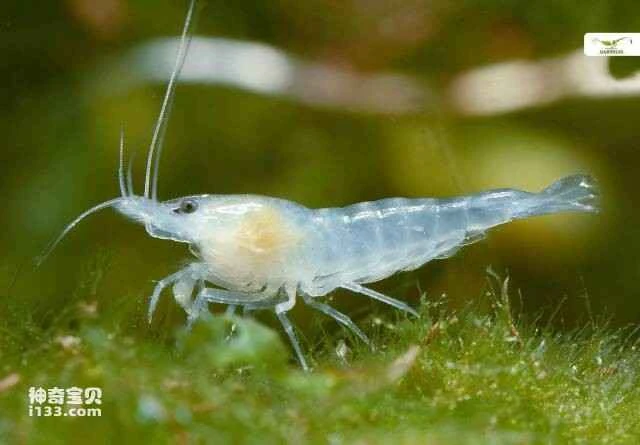
Snowball shrimp originated in southern China but are now widely distributed globally. Besides the white variety, there are also red, blue, and black varieties. The color of snowball shrimp can be influenced by various factors, including genetics and environment; therefore, color variation can be promoted by controlling environmental conditions during aquaculture. It is important to note that snowball shrimp are omnivorous; overfeeding can lead to water quality deterioration and overpopulation if the amount of food is not properly controlled. Therefore, it is crucial to carefully control the amount of food and regularly change the water.
Some ornamental shrimp are suitable for beginners because they are not so demanding in terms of water quality and environment. However, it is important to note that all ornamental shrimp require stable and appropriate water temperature, pH level, hardness, and other parameters, as well as adequate food and sufficient hiding places.