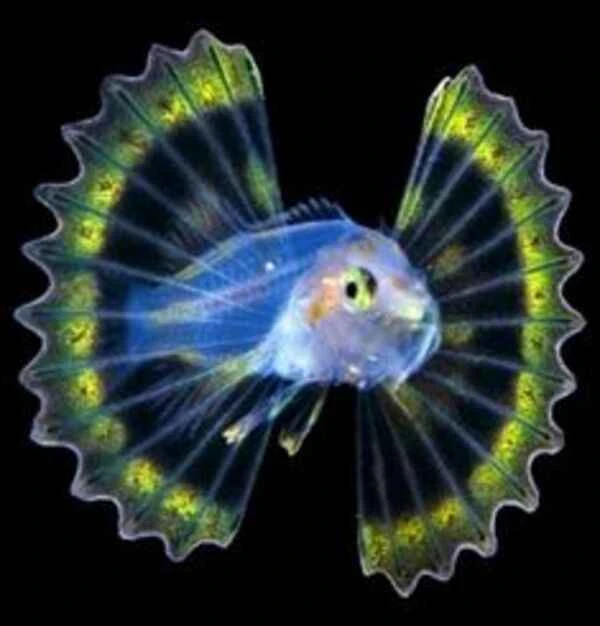
Generally, airplanes can fly higher than birds. Commercial airliners typically cruise at altitudes between 9,000 and 12,000 meters, while birds usually fly at lower altitudes of about 100-300 meters. However, some special birds are capable of flying to considerably higher altitudes, such as geese and vultures, which have been observed flying at altitudes as high as about 11,000 meters. Let's take a look at the ten highest-flying birds in the world.
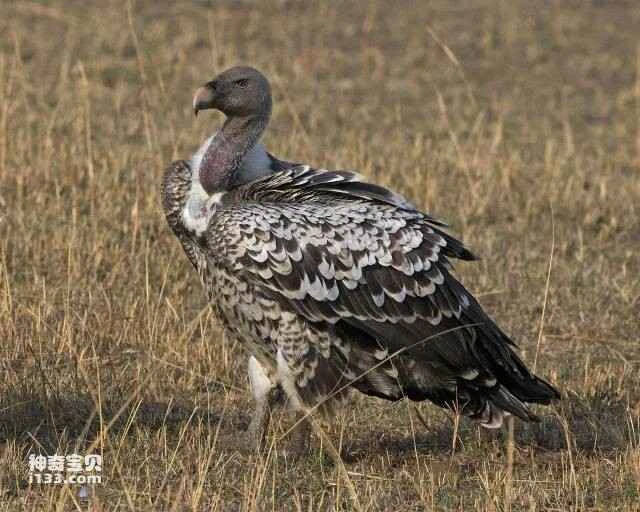
1. Black and white vulture
The Himalayan vulture is a large bird of prey capable of flying at great altitudes. Observations and records indicate that Himalayan vultures typically fly between 5,000 and 15,000 feet (approximately 1,524 to 4,572 meters). However, they sometimes fly even higher, with a record height of 32,000 feet (approximately 9,754 meters).
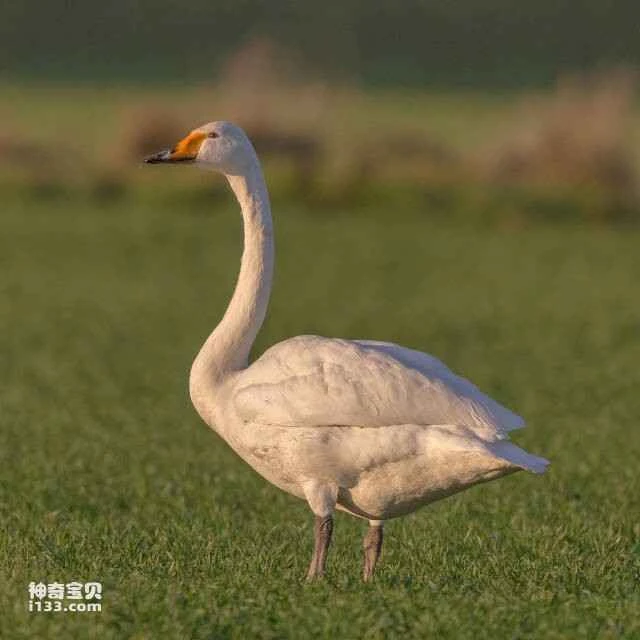
2. Whooper swan
Whooper swans are large waterbirds highly skilled at flying over water and in the air. Typically, whooper swans fly at altitudes between 1,000 and 3,000 feet (approximately 305 to 915 meters). However, they can fly even higher; according to observations, they have sometimes reached altitudes exceeding 10,000 feet (approximately 3,048 meters). Whooper swans usually glide during flight, utilizing convective air currents to maintain altitude and conserve energy.
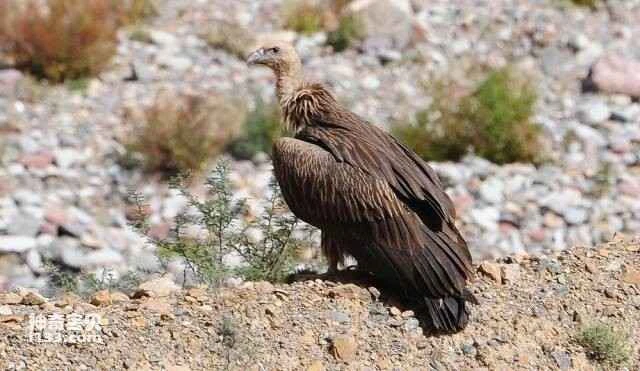
3. Alpine Vulture
The Himalayan vulture is a large bird of prey that lives in high-altitude regions and can fly at great altitudes. Observations and records show that Himalayan vultures typically fly between 6,000 and 24,000 feet (approximately 1,830 to 7,315 meters). However, they sometimes fly even higher, with a recorded altitude of 35,000 feet (approximately 10,668 meters). Himalayan vultures often utilize convective air currents to maintain altitude and conserve energy, allowing them to soar freely at high altitudes.
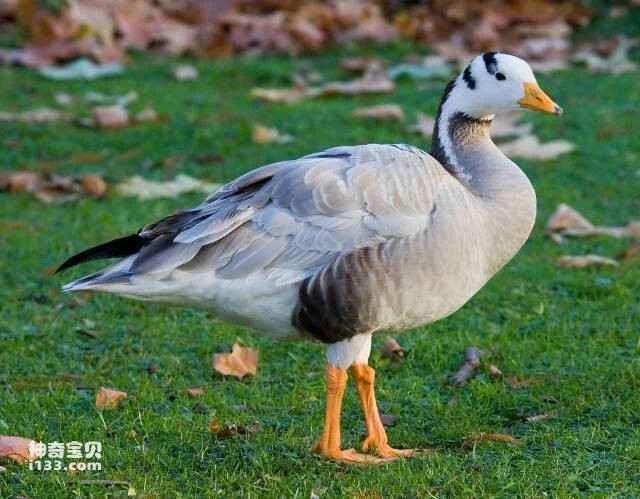
4. Bar-headed Goose
The bar-headed goose is a medium-sized migratory bird that typically migrates in spring and autumn. Observations and records show that bar-headed geese usually fly at altitudes between 3,000 and 6,000 feet (approximately 915 to 1,830 meters). However, they sometimes fly even higher, reaching altitudes exceeding 10,000 feet (approximately 3,050 meters) during peak migrations. When undertaking long-distance migrations, bar-headed geese typically fly in a "V"-shaped formation, which effectively conserves energy and reduces air resistance.
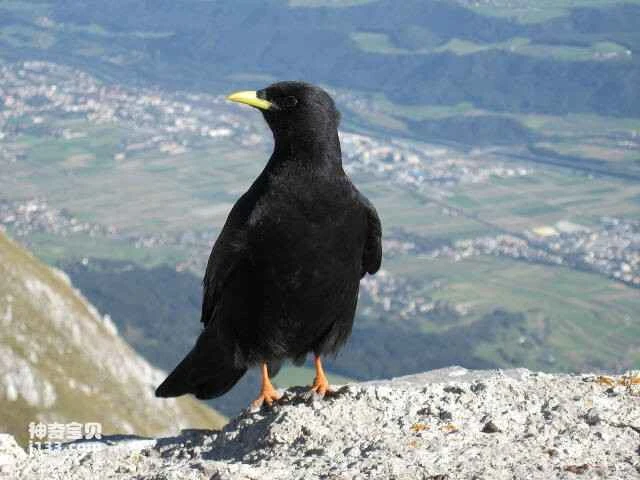
5. Yellow-billed Crow
The Yellow-billed Chrysalis is a large bird that inhabits high-altitude regions and typically flies at considerable altitudes. Observations and records indicate that Yellow-billed Chries usually fly between 4,000 and 10,000 feet (approximately 1,220 to 3,050 meters). However, they can also fly higher, with a recorded altitude of 23,000 feet (approximately 7,010 meters). Yellow-billed Chries typically glide during flight, utilizing convective air currents to maintain altitude and conserve energy. Furthermore, they are highly adaptable, enabling them to fly and hunt freely at high altitudes.
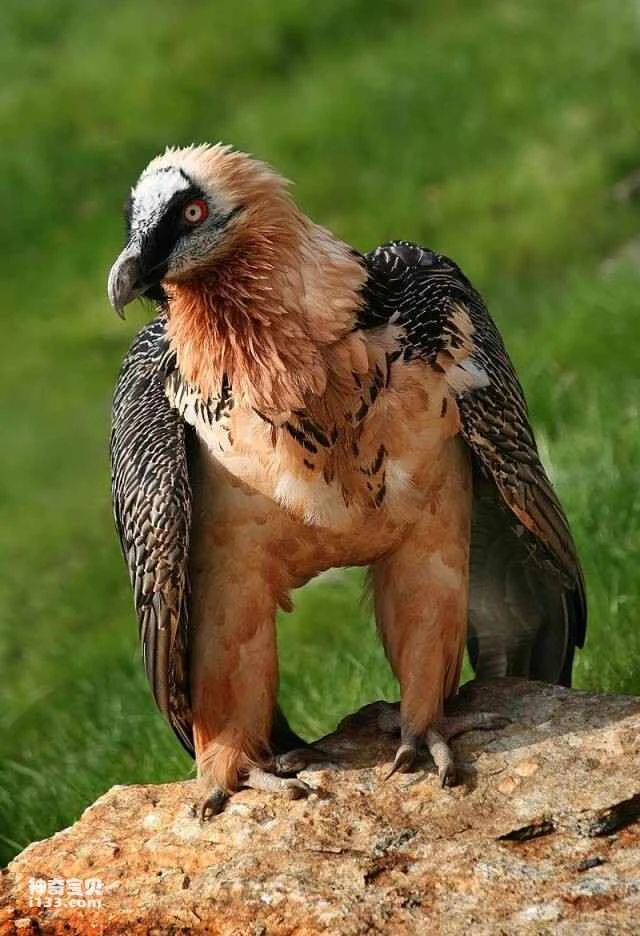
6. Bearded Vulture
The bearded vulture, also known as the Andean eagle or Cordillera eagle, is a large bird of prey. They inhabit the high-altitude regions of South America, typically flying at considerable altitudes. Observations and records indicate that bearded vultures usually fly between 15,000 and 24,000 feet (approximately 4,570 to 7,315 meters), and sometimes even higher, with a recorded altitude of 33,000 feet (approximately 10,060 meters). Bearded vultures glide during flight, utilizing air currents to maintain altitude and conserve energy. Due to the unique characteristics of their environment, bearded vultures are highly adaptable, enabling them to fly and hunt freely at high altitudes.
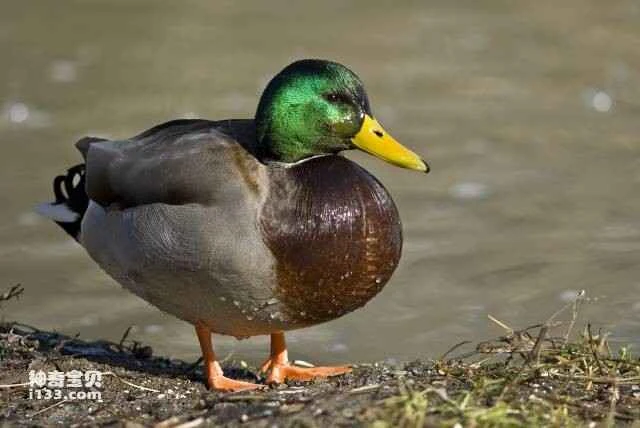
7. Mallard
Mallards are common waterfowl, typically inhabiting lakes, rivers, and coastlines. Observations and records indicate that mallards generally fly at relatively low altitudes, typically between tens and hundreds of feet (approximately 10 to 100 meters), rarely exceeding 1000 feet (approximately 305 meters). Mallards usually employ rapid and powerful wingbeats to take off quickly from the water and reach their destination. This doesn't mean mallards cannot fly higher; they simply typically operate at lower altitudes.
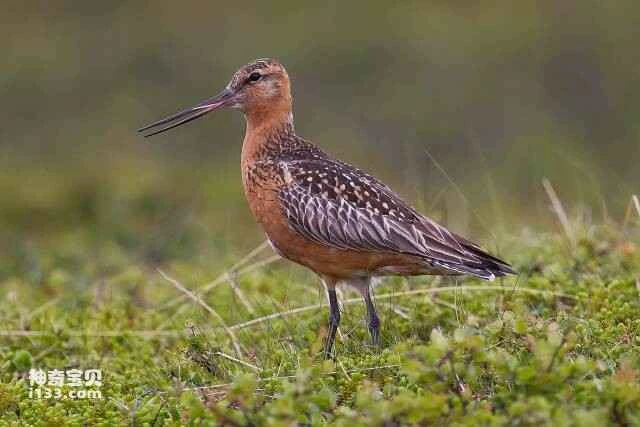
8. Bar-tailed Godwit
The Bar-tailed Godwit is a small migratory bird that typically migrates in spring and autumn. Observations and records show that Bar-tailed Godwits usually fly at relatively low altitudes, ranging from tens to hundreds of feet (approximately 10 to 100 meters). They employ rapid, continuous wingbeats, often creating a wavy flight path. While they generally fly at low altitudes, they can also ascend to higher altitudes when necessary to avoid storms or other adverse weather conditions.
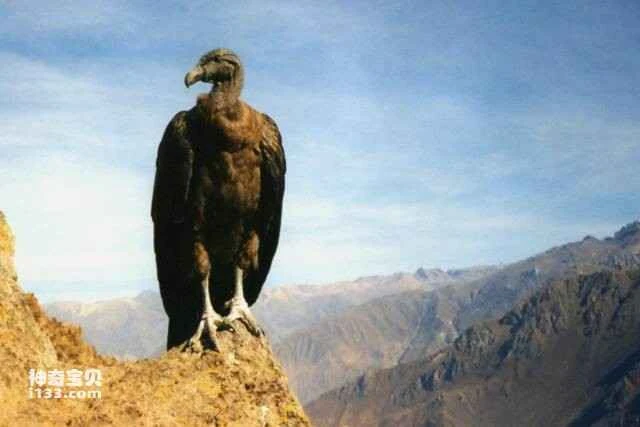
9. Andean condor
The Andean condor is a large bird of prey that inhabits the high mountains of South America, and it is one of the largest flying birds in the world. According to observations and records, Andean condors typically fly at altitudes between 13,000 and 16,000 feet (approximately 3,962 to 4,877 meters), and sometimes even higher. Depending on the conditions, Andean condors employ different strategies to maintain altitude. For example, in weak convective weather, they use gliding to maintain altitude; while in strong convective weather, they utilize the air currents to propel themselves to higher altitudes. Andean condors are highly adapted to high-altitude environments, enabling them to fly and hunt freely in mountainous regions.

10. White Stork
White storks are large waterbirds that typically inhabit bodies of water such as lakes, rivers, and marshes. Observations and records show that white storks generally fly at relatively low altitudes, typically between tens and hundreds of feet (approximately 10 to 100 meters), rarely exceeding 1,000 feet (approximately 305 meters). They fly using slow, powerful wingbeats, enabling them to quickly take off from the water and reach their destination. This doesn't mean white storks cannot fly higher; it simply means they usually operate at lower altitudes.
It should be noted that these data are based on recorded and observed data, and in reality, some birds may be able to fly even higher.
Many birds can collide with aircraft, but some of the most common include pigeons, sparrows, swallows, eagles, vultures, and geese. These birds typically operate at altitudes close to that of aircraft and at significantly different speeds, making them difficult to spot. When they collide with an aircraft, they can cause damage and even threaten the safety of passengers and crew. Therefore, airlines and airports typically employ various measures to reduce bird-related conflicts, such as using bird radar, flight path adjustments, and biological methods to control bird populations.