Animals hold profound significance for humanity. They are not only economic and cultural resources but also vital entities with which we coexist. Some animals are incredibly valuable, possessing every part of their animal body. Do you know which animals are the most valuable? This article lists ten of the world's most valuable animals: sika deer, snake, crocodile, coypu, reindeer, yak, donkey, horseshoe crab, blue eared pheasant, and bluefin tuna. Let's explore what makes these animals so valuable.
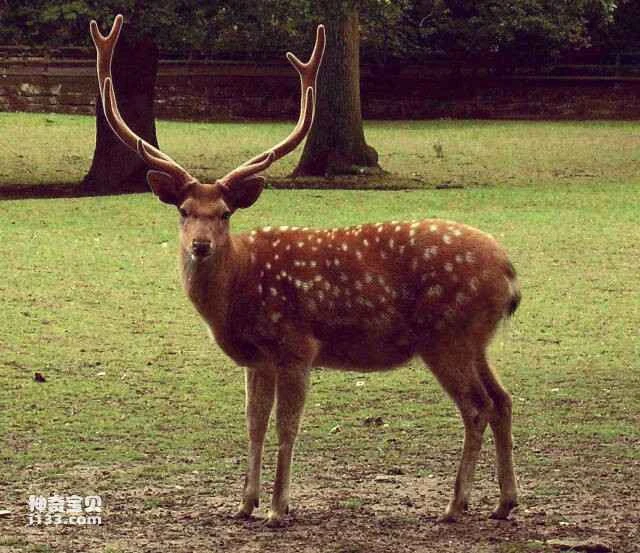
1. Sika deer
The sika deer is truly a treasure trove of resources. Besides the commonly known antlers, its fetus, heart, tail, tendons, penis, antlers, meat, and hide are all highly valuable. The fetus, heart, tail, tendons, penis, and antlers are particularly prized for their medicinal value, making them excellent for health and wellness, and in some aspects even surpassing the benefits of antlers. Venison is high in protein, low in fat, and easily digestible, boosting metabolism and immunity, making it a highly nutritious health food. Deer hide can be crafted into high-end leather goods.

2. Snake
Snakes are among the most widely distributed animals in the world and have significant economic value. They are not only used for medicinal and culinary purposes but are also an important raw material for traditional Chinese musical instruments such as the erhu. Snake meat is rich in protein, fat, and vitamins, and is believed to have various health benefits, including strengthening bones and muscles, promoting blood circulation, clearing heat and relieving summer heat, protecting skin and beautifying the complexion, and boosting immunity. Snake oil can be used to treat burns, frostbite, and eczema. Snake gallbladders have been a valuable medicinal ingredient since ancient times, and snake skin can treat toothache caused by wind-heat, vitiligo, and can also be used as a tonic.
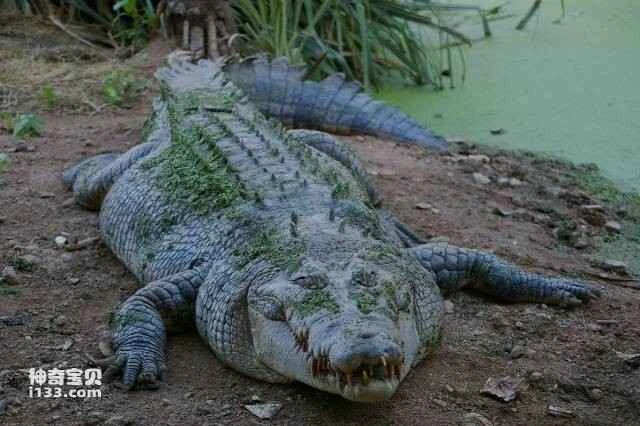
3. Crocodile
Crocodiles are highly valuable animals, with every part of them being valuable. Crocodile skin is a prized leather used to make high-end leather goods, as is well known. Furthermore, crocodile blood has significant medicinal value; ancient Chinese medical texts record that crocodile blood has anti-inflammatory, heat-clearing, detoxifying, and tumor-reducing effects. Crocodile meat is a high-quality, low-fat, high-protein food. Crocodile oil also has medicinal value and is used in various internationally renowned cosmetics and health products for frostbite prevention and anti-inflammation.

4. Coypu
Coypus, also known as the water rat, is found in South America. Coypus are highly valuable animals and are widely farmed around the world. Coypu meat, also known as sea dragon meat on the international market, is high in protein, low in fat, and extremely high in hemoglobin, making it an ideal food for women's beauty and children's physical development and intelligence enhancement. Coypu fur is thick, soft, durable, and has a beautiful appearance, making it a good material for clothing. Furthermore, coypu oil can be used to make high-end cosmetics, coypu blood has medicinal value, and the tendons from the coypu's tail, after processing, can be used to suture wounds without the need for stitches.

5. Reindeer
Reindeer, also known as elk, are the only species in the genus *Carex* of the family Cervidae, primarily distributed in the circumpolar regions of the Northern Hemisphere. Those familiar with reindeer know that every part of them is valuable. Reindeer milk is a high-quality beverage, rich in nutrients; reindeer antlers are also a valuable tonic, believed to replenish qi and blood, strengthen muscles and improve virility; reindeer fur is extremely warm, making clothing and footwear excellent for keeping warm in the cold north. Furthermore, in many places, they serve as a means of transportation; Santa Claus's sleigh in the West is pulled by reindeer.
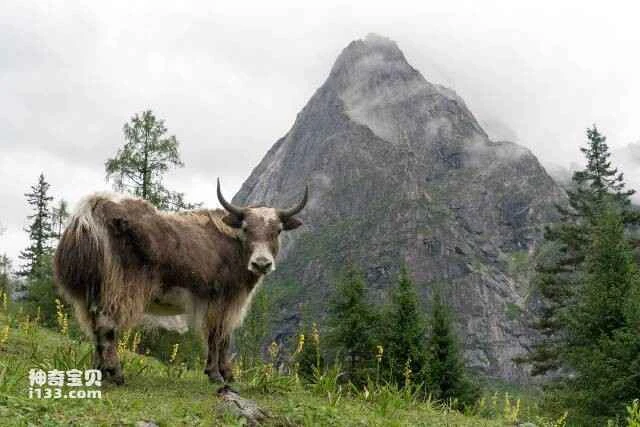
6. Yak
The yak is a species unique to my country, mainly distributed in the Tibetan areas of the Qinghai-Tibet Plateau. Every part of the yak is valuable; the Tibetan people rely on it for everything from clothing and food to shelter, fuel, and farming. They drink yak milk, eat yak meat, and burn yak dung. Its hair can be used to make clothing or tents, and its hide is excellent for leather. The yak serves both agricultural and high-altitude transportation purposes, providing local herders with essential supplies such as milk, meat, wool, draft power, and fuel. It is a vital source of livelihood and income for the herders of the Qinghai-Tibet Plateau and an indispensable livestock species in the local animal husbandry economy.
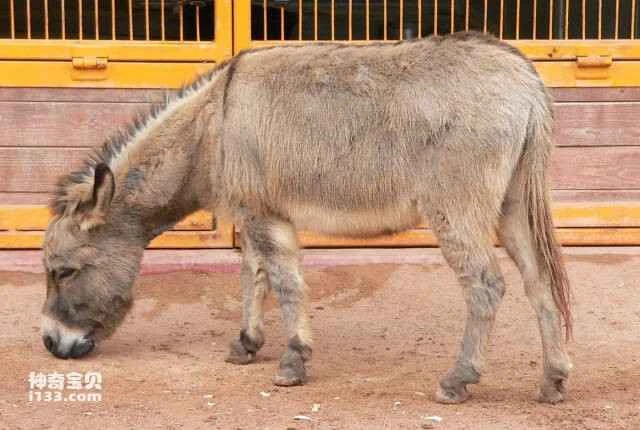
7. Donkey
Donkeys are sturdy, hardy, and not prone to disease. They are also known for their docile temperament, diligence, and obedience, making them suitable for both farming and riding. Donkey meat is believed to have health benefits, including replenishing blood, invigorating qi, and nourishing deficiencies. Furthermore, it is a delicacy served at banquets, prized for its fine texture and delicious flavor, leading to the saying, "Dragon meat in heaven, donkey meat on earth." Donkey hide is supple and thick, suitable for leather tanning, and also possesses medicinal value, serving as a raw material for the precious traditional Chinese medicine "Ejiao" (donkey-hide gelatin). Donkey milk is also highly valuable, closely resembling human milk and considered an excellent substitute.
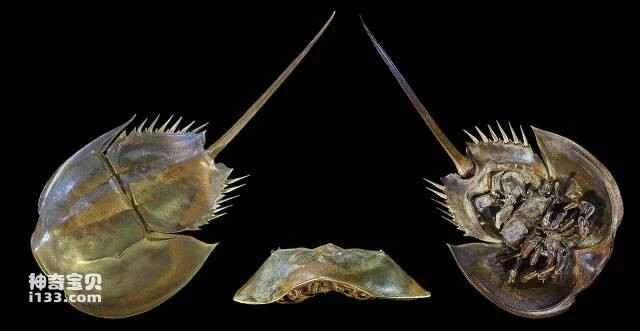
8. Horseshoe crab
Horseshoe crabs are marine arthropods, an ancient species, also known as horseshoe crabs, but they are not crabs and have high medicinal value. Horseshoe crab blood, used to make "horseshoe crab reagent," can accurately and quickly detect whether internal human tissues are infected with bacteria. Its tail-like spine and the horseshoe crab pearl inside its abdomen are used in medicine for internal and external hemostasis and for clearing heat and detoxifying. In addition to being edible, its meat and eggs, along with its shell and tail, are also used in medicine.
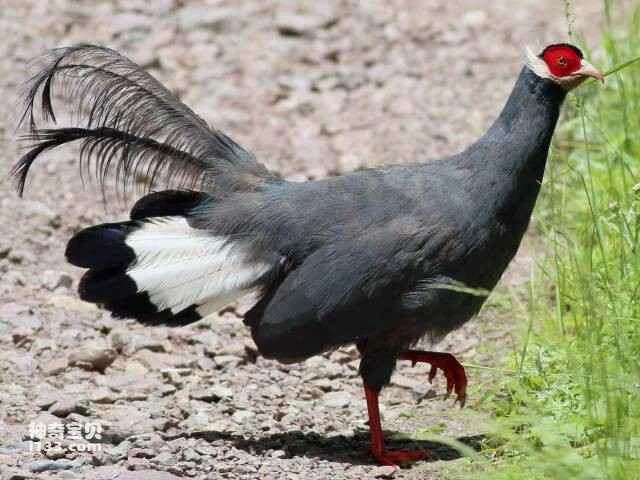
9. Blue Eared Pheasant
The blue eared pheasant is a rare and valuable bird, prized for its beautiful plumage, which can be used for decoration. It is an important economic animal, with its two pairs of original feathers being valuable ornaments; its meat and eggs are edible and highly nutritious. The blue eared pheasant is entirely blue-grey, with a darker neck and shoulders that shimmer with a metallic sheen. Its tail feathers transition from gray-blue to dark purplish-blue, tinged with metallic green and purplish-blue. The blue eared pheasant has 24 tail feathers, with the central pair being particularly long and flexible, curving into a beautiful arc and perched high above the other tail feathers—the most specialized tail feathers among the four eared pheasant species.
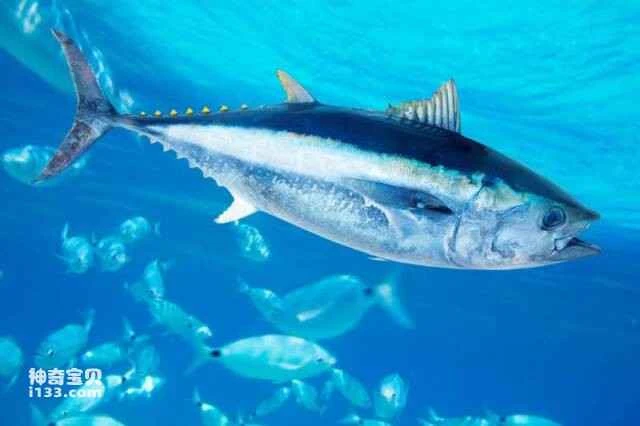
10. Bluefin Tuna
Bluefin tuna is a highly adaptable carnivorous fish. Due to its delicious flesh, bluefin tuna is widely used in various dishes and meals. It is one of the most important economic fish species and one of the world's largest fish resources. It not only supplies human consumption but also brings significant economic benefits to related industries. Furthermore, bluefin tuna is an important pelagic fish, playing a vital role in maintaining marine ecological balance and security.
Many species are currently facing the threat of extinction, therefore, animals have irreplaceable value in protecting and maintaining biodiversity. By protecting animals and their habitats, we can maintain ecological balance and ensure sustainable human development. In short, animals have many values to humankind, contributing to various aspects from the economy and culture to science, ecology, and conservation, and deserve our full recognition and protection.