Sea slugs, scientifically known as nudibranchs , are some of the most fascinating creatures in the ocean. These soft-bodied, often brightly colored mollusks, in a variety of shapes, sizes, and colors, are beloved by divers and underwater photographers. But these marine wonders are more than just visually appealing. This article will delve into the world of sea slugs, exploring what they are, where they live, what they eat, and why they are so fascinating to scientists and ocean enthusiasts alike.
What is a sea slug?
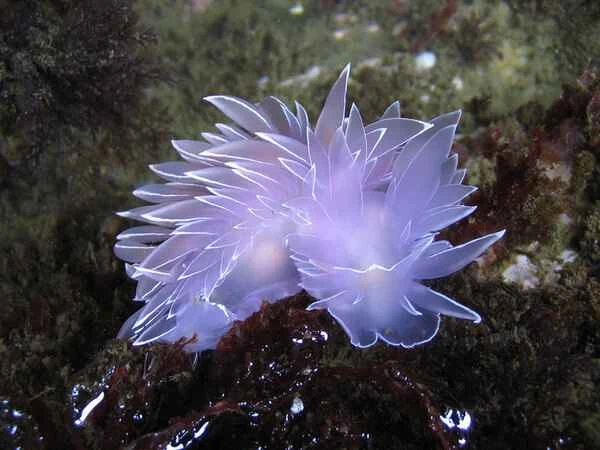
Sea slugs belong to the class Gastropoda , a group that also includes snails. However, unlike their shelled relatives, most sea slugs have lost their shells or never had one. Instead of relying on a hard shell for protection, they use toxins, camouflage, or vibrant colors to scare away predators. This is one of the reasons why sea slugs are so unique—they have evolved amazing survival strategies without a shell.
There are many types of sea slugs, but the most famous are nudibranchs . The term "nudibranch" means "naked gills," referring to the fact that these animals expose their gills to the outside of their bodies. These gills vary in shape and form, adding to the exotic appearance of sea slugs.
Where do sea slugs live?
Sea slugs are found all over the world, from tropical coral reefs to cold waters. They typically live in shallow waters, feeding on algae, sponges, and other small marine organisms. Some species have adapted to deep-sea environments, where they survive by finding food and evading predators.
In tropical regions, such as the Great Barrier Reef, sea slugs are particularly abundant. Their vibrant colors and intricate patterns make them stand out among corals and seaweed. In colder regions, sea slugs typically have more understated colors to blend into their environment and protect themselves.
What do sea slugs eat?
Sea slugs have diverse diets. Some species are herbivores, feeding on seaweed and marine plants. Others are carnivores, preying on sponges, sea anemones, and even other sea slugs. A few species form symbiotic relationships with certain algae, absorbing their chloroplasts and obtaining energy from sunlight through a process similar to photosynthesis.
One of the most amazing characteristics of sea slugs is their ability to "steal" defense mechanisms from their prey. For example, some nudibranchs that feed on jellyfish or sea anemones can extract stinging cells from their prey and store them in their own bodies for self-defense without being harmed.
Why are sea slugs important?
Sea slugs play a vital role in marine ecosystems. By feeding on algae, sponges, and other organisms, they help control these populations, thus maintaining the balance of the ecosystem. Furthermore, their presence can reflect water quality and environmental health, as they are highly sensitive to environmental changes.
Sea slugs have also attracted great interest from scientists. Their unique chemical defense mechanisms have potential medical applications. Researchers are studying these compounds for the treatment of various diseases, including cancer.
The stunning colors of sea slugs
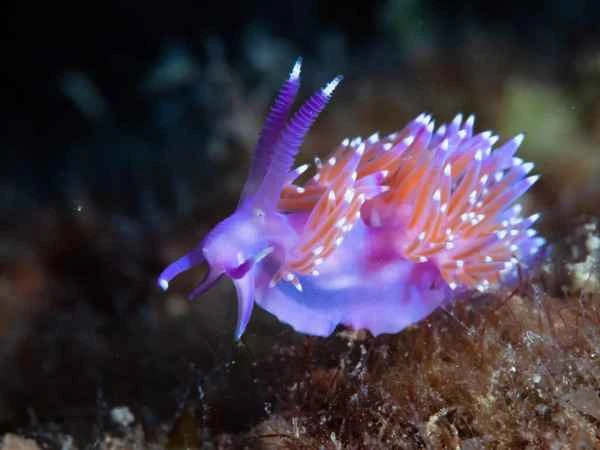
One of the most striking features of sea slugs is their vibrant colors. While some species use bright colors to warn predators of their venom, others use color to camouflage themselves, blending into coral reefs or seaweed. These colors range from deep blue and purple to neon yellow and orange, providing a visual treat for those who see them.
For example, the **Atlantic Blue Dragon (Glaucus atlanticus)** is known for its stunning appearance. This sea slug floats on the ocean surface, feeding on venomous jellyfish such as the Portuguese man-of-war, and storing the jellyfish's stinging cells in its body for self-defense.
Sea slug species
The following table shows the different species of sea slugs (nuclear slugs) and their main characteristics:
| type | scientific name | Habitat | Appearance features | food | Special features |
|---|---|---|---|---|---|
| Blue Dragon | Glaucus atlanticus | Tropical and subtropical ocean surfaces | Bright blue, silver abdomen, and wing-like antennae. | Preys on venomous jellyfish, including the Portuguese man-of-war. | It can store the venomous stinger cells of its prey in its body for self-defense. |
| Spanish dancers | Hexabranchus sanguineus | Coral reefs in the Indo-Pacific | Large, bright red or pink body, with a wavy mantle. | predatory sponges | Swimming by undulating the body like "dancing". |
| Gorgeous sea slug | Chromodoris splendida | Australian coral reefs | White body with red spots and a mantle edged with yellow. | predatory sponges | Secreting toxins to deter predators |
| Fire Slug | Felimare picta | Mediterranean and Atlantic | Dark blue body with yellow lines and spots | predatory sponges | The bright colors warn predators that it is poisonous. |
| Purple sea slug | Flabellina iodinea | North America and Central America Pacific coast | A bright purple body with orange antennae at the tips. | Predating hydra | Stinging cells can be stored in prey for self-defense. |
| Clown slug | Triopha catalinae | North American Pacific coast | Orange body with white and black spots | Predatory bryozoans | The body has multiple gills for breathing. |
| Lettuce and sea slug | Elysia crispata | Caribbean and Gulf of Mexico | Leaf-like appearance, green, with wavy edges. | Predation on seaweed | It can perform photosynthesis by storing chloroplasts from seaweed. |
| Red-spotted sea slug | Goniobranchus reticulatus | Indo-Pacific region | White body with red spots and yellow edges | predatory sponges | The bright color warns predators that it is poisonous. |
| Neon sea slug | Nembrotha kubaryana | Coral reefs in the Indo-Pacific | Black body with neon green and orange stripes | Predatory sea squirts | Releases toxins when threatened |
| Hopkins Rose Slug | Okenia rosacea | North American Pacific coast | Pink, with a rose-like body and papillary protrusions. | Predatory bryozoans | Bright colors serve as a warning, deterring predators. |
This table shows the different species of sea slugs and their habitats, appearances, diets, and unique adaptations for survival in different marine environments.
Sea slugs are not only beautiful, but also vital to marine ecosystems, attracting scientists' attention for their unique survival strategies and chemical defense mechanisms. Whether you are a diver, a marine biologist, or simply a nature lover, sea slugs offer endless opportunities for exploration.
From their stunning colors to their remarkable adaptability, sea slugs remind us that the ocean is full of unexpected surprises. So, the next time you explore the sea, keep an eye out for these incredible creatures—they might be lurking right before your eyes!
The difference between sea slugs and land slugs
The following is a comparison table of the main differences between sea slugs and land slugs :
| feature | Sea slug | land slug |
|---|---|---|
| Habitat | Marine environment (ocean, coral reefs, seagrass beds) | Terrestrial environments (gardens, forests, humid areas) |
| Scientific classification | Gastropoda (usually nudibranchs ) | Gastropoda |
| The existence of the outer shell | Most have no shell or their shells are extremely degraded. | Some have an inner shell or no shell. |
| color | Bright colors (blue, yellow, pink, etc.) | They are usually dark colors (brown, gray, black). |
| Breathing methods | Using gills or other special respiratory structures | Breathing through the breathing pores (stomata) |
| diet | They eat seaweed, sponges, sea anemones, and sometimes even other sea slugs. | Plant materials, decaying vegetation, fungi |
| Defense mechanism | Toxin secretion, or stealing stinging cells from prey for defense. | Secreting mucus to deter predators |
| size | It ranges from a few millimeters to over 30 centimeters (12 inches). | Typically small, about 2-10 cm (1-4 inches). |
| Movement | Use your muscular feet to move and glide on the surface. | Move using your muscular feet, leaving a trail of mucus. |
| Reproduction methods | Hermaphroditic, it lays its eggs in a gelatinous substance. | Hermaphroditic, typically lays eggs in moist soil. |
| Famous examples | Atlantic blue dragon (Glaucus atlanticus), a species of the genus Chromodoris | Large spotted slug (Limax maximus), black slug (Arion ater) |
This comparison table clearly shows the significant differences between sea slugs and land slugs in terms of habitat, physical characteristics, diet, and defense mechanisms.
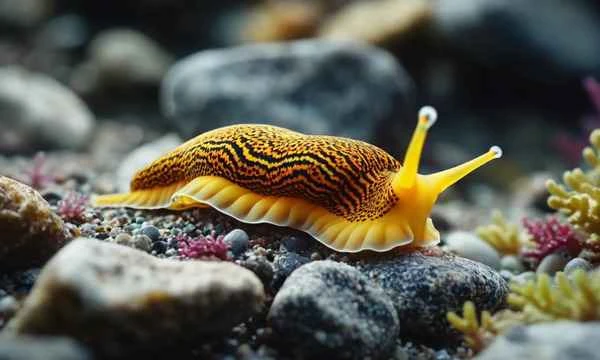
Sea slug pet breeding and care: a beginner's guide
Sea slugs (especially nudibranchs) have become increasingly popular pets due to their captivating colors and unique appearance. However, keeping sea slugs presents certain challenges because their care requirements differ from other common marine creatures. Below is a guide to sea slug pet care, including aquarium setup, feeding, and general care tips.
1. Choose the appropriate sea slug species
Not all sea slugs are suitable for keeping at home, so it's crucial to choose species that can adapt to an aquarium environment and are relatively easy to care for. Here are some species suitable for beginners:
Lettuce sea slug ( Elysia crispata ) - This type of sea slug is known for its ability to absorb chloroplasts from seaweed. Its leaf-like shape is also very attractive, and it is relatively easy to care for.
Berghia stephanieae - Commonly found in aquariums of marine hobbyists, it is widely kept because it feeds on a common aquarium pest, the glass rose hydra.
These varieties are relatively easier to manage with proper care and can survive in well-controlled environments.
2. Aquarium setup and environment
Sea slugs require a well-maintained and stable marine environment. The following are the main requirements for an aquarium:
Aquarium size : A minimum of 10 to 20 gallons is recommended, depending on the species of sea slug being kept.
Water quality : Sea slugs are very sensitive to water quality. Water parameters such as pH (8.0-8.4), salinity (1.023-1.025), ammonia, nitrite, and nitrate should be tested regularly. Ammonia and nitrite should be kept at zero, and nitrate levels should be minimized.
Temperature : Most sea slugs thrive in temperatures of 72-78°F (22-26°C), but this should be adjusted according to the specific species.
Filtration and water flow : Ensure the water flow is low to medium; a gentle flow reduces stress on the delicate bodies of sea slugs.
Light : Species like lettuce slugs require moderate light to support their seaweed diet.
3. Feeding sea slugs
Different species of sea slugs have different diets, so providing suitable food is very important:
Herbivorous sea slugs : Like the lettuce sea slug, these feed on seaweed, especially those species that can continuously photosynthesize within their bodies. If naturally grown seaweed is insufficient, supplemental seaweed diets may be necessary.
Carnivorous sea slugs : Many nudibranchs are carnivorous and have specific food requirements. For example, the Burgess nudibranch feeds on glass rose hydroids. Ensuring a continuous food supply is important, as they may not be able to adapt to other food sources.
Ensuring an adequate food supply is crucial, as nutritional deficiencies can lead to health problems for sea slugs.
4. Suitable companions in the aquarium
Sea slugs are fragile and easily disturbed by other aquarium creatures, so choosing suitable companions is very important:
Avoid aggressive species : Avoid keeping with aggressive fish and invertebrates to prevent them from biting the sea slugs.
Ideal companions : Small, gentle fish and non-aggressive invertebrates, such as snails and hermit crabs, can coexist harmoniously with sea slugs.
5. General Nursing Tips
Regular water changes : Change the water regularly (20% per month) to maintain water quality and environmental stability.
Observe the condition : Sea slugs are sensitive to their environment. Pay attention to whether they show signs of stress, such as fading color or reduced activity, which may indicate water quality problems or insufficient food.
Handle with caution : Sea slugs are very delicate and should not be handled directly unless absolutely necessary. If necessary, handle them gently with a soft net.
Keeping sea slugs requires dedication and meticulous care, ensuring a suitable environment and diet. By selecting species suitable for aquarium life and following optimal aquarium setup, feeding, and maintenance methods, you can provide these fascinating marine creatures with a healthy habitat while enjoying their visual appeal.