China’s vast landscape, from mountains to deserts and forests, supports extraordinary wildlife diversity. The following is an in-depth exploration of specific animal categories and their numbers, and China’s importance to global biodiversity.
1. Mammals
China is home to approximately 550 species of mammals , making it one of the countries with the highest mammal diversity in the world. Notable examples include:
Giant panda: The wild giant panda population is estimated at 1,800.
Snow leopard: There are an estimated 4,000 to 6,500 wild snow leopards.
Sika deer: There are about 1 million of them in East Asia.
2. Birds
China is home to over 1,300 bird species and serves as an important stopover point for migratory birds along the East Asian-Australasian Flyway. Key species include:
Red-crowned crane: The wild population is approximately 2,000, mainly distributed in eastern China.
Chinese crowned crane: This endemic species mainly inhabits the forests of central and southwestern China.
3. Reptiles and amphibians
China's diverse habitats support approximately 600 species of reptiles and 400 species of amphibians . Highlights include:
Chinese crocodiles: fewer than 150 in the wild.
The Chinese giant salamander: the world's largest amphibian, faces a serious threat of extinction.
4. Fish
China is home to approximately 3,000 species of fish , many of which are freshwater species. Notable species include:
Yangtze alligator: Only a few remain in the wild.
Mandarin duck: Known for its vibrant colors, it inhabits riverine habitats.
5. Insects
There are an estimated over one million species of insects, many of which have not yet been described. These include:
Butterflies: More than 3,000 species make China an important region for butterfly diversity.
Bees: vital for pollination and support agricultural ecosystems.
China's global biodiversity status
Globally, China ranks third or fourth in overall biodiversity. This ranking is primarily attributed to its vast geographical area, diverse climate, and rich ecosystems, which provide numerous habitats for different species. Key points include:
Ecosystem types: China has a variety of ecosystems, including temperate forests, tropical rainforests, deserts and wetlands, each of which is home to unique wildlife.
Endemic species: About 30% of species in China are endemic, meaning they are found only in this region, such as the Chinese golden eagle .
Wild animals unique to China
China boasts a rich diversity of wildlife, home to unique species found nowhere else on Earth. From towering mountains to lush forests and expansive rivers, the country's diverse ecosystems support an astonishing array of animal species. Here are some fascinating facts about China's wildlife, highlighting its richness and importance.
1. Giant Panda

Giant pandas are among the world's most beloved animals and a symbol of conservation efforts. Primarily inhabiting bamboo forests in Sichuan, they consume up to 40 pounds of bamboo daily! Due to habitat loss and low birth rates, giant pandas are considered a vulnerable species.
2. South China Tiger
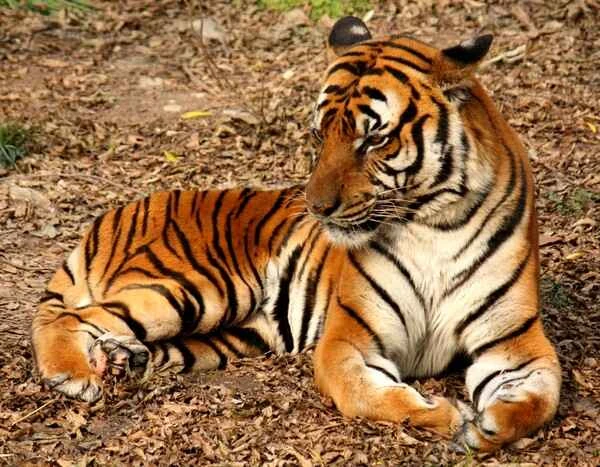
The South China tiger was once widely distributed in southern China, but is now critically endangered, with only a few individuals remaining in the wild. Conservation projects are working to reintroduce them to their natural habitats, but many challenges remain.
3. Golden monkey
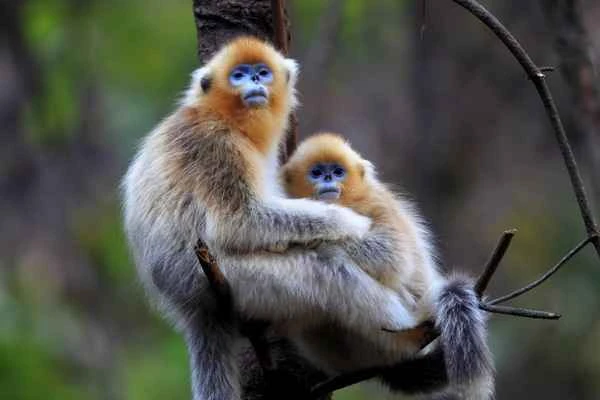
Golden snub-nosed monkeys are known for their dazzling golden fur and distinctive facial features, and are mainly distributed in the mountainous forests of central and southwestern China. These monkeys live in groups and are known for their playful behavior and complex social structures.
4. Tibetan antelope
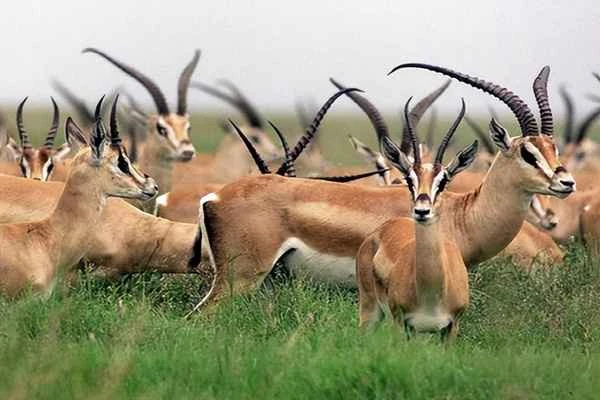
Tibetan antelopes have adapted to the high-altitude environment of the Qinghai-Tibet Plateau and are renowned for their soft undercoat (known as "shahtoosh"), which is highly sought after in the textile industry. Overhunting puts this species at risk, and international efforts are underway to protect them.
5. Chinese crocodile
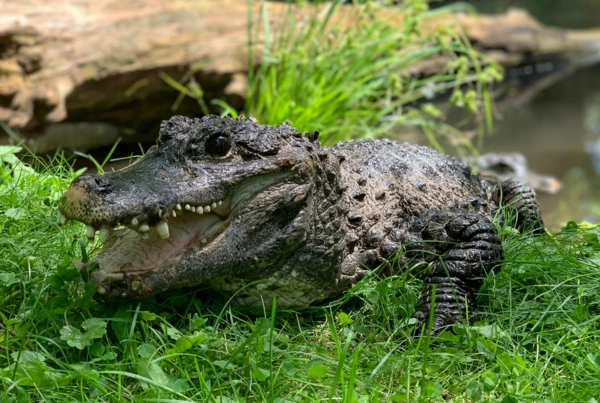
As one of the world's most endangered reptiles, the Chinese crocodile is native to the Yangtze River basin. Unlike the American alligator, this crocodile is smaller and prefers freshwater environments. Conservation efforts aim to protect its dwindling habitat.
6. Siberian Crane

These majestic birds migrate thousands of miles each year to spend the winter in China's wetlands. Known for their striking white plumage and resounding calls, the Siberian crane is a symbol of migratory bird conservation.
7. Yangtze Finless Porpoise
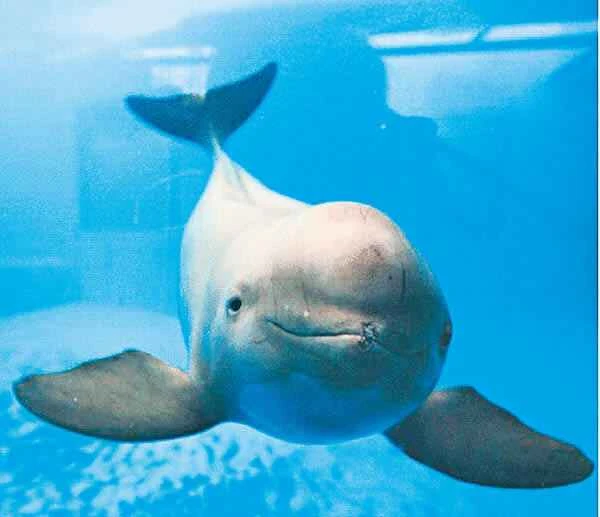
The Yangtze finless porpoise, also known as the Baiji dolphin, faces a severe threat of extinction, primarily due to habitat loss and pollution in the Yangtze River. Conservationists are working tirelessly to save this unique species, which is known for its playful nature.
8. Asiatic black bear
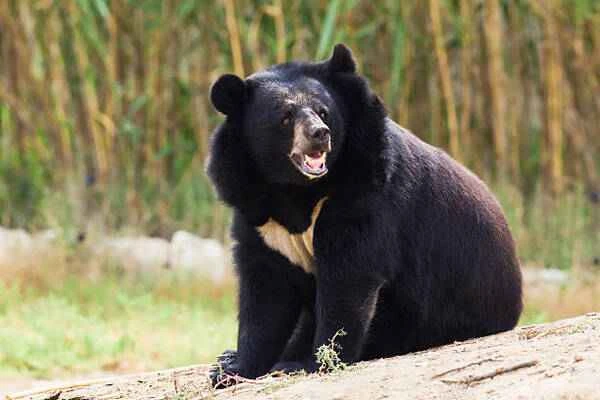
The Asiatic black bear, found in the mountainous regions of China, is known as the moon bear due to the distinctive white crescent on its chest. These bears are primarily nocturnal and play a vital role in the ecosystem, widely praised for their seeding behavior.
9. Chinese Water Deer
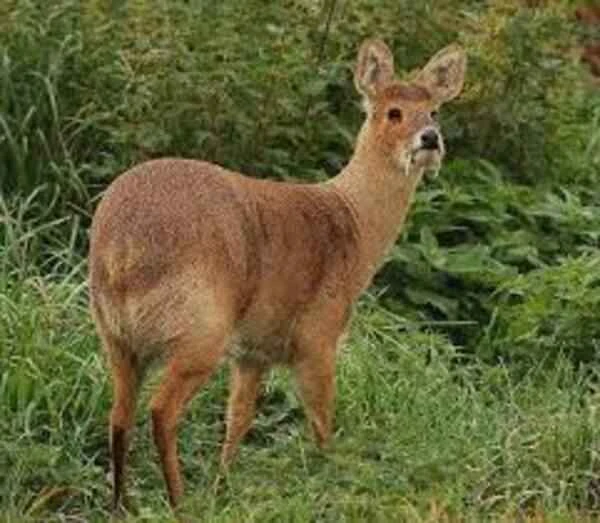
The Chinese water deer is a small deer species known for its long canines and upturned ears, primarily inhabiting wetland habitats. Unlike most deer, it lacks antlers but possesses relatively long canines.
10. Red-crowned crane
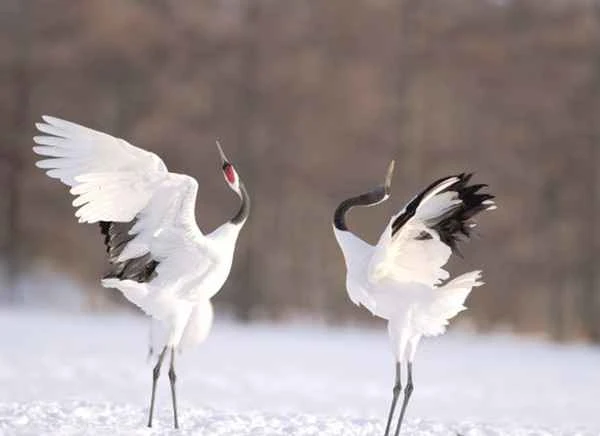
Known for their beauty and elegance, the red-crowned crane symbolizes longevity and good fortune in Chinese culture. They inhabit wetlands and often perform elaborate courtship dances in pairs.
Protect China's wild animals
With such abundant wildlife, conservation efforts are crucial. Habitat destruction, poaching, and climate change pose significant threats to these species. Numerous national parks and protected areas have been established to safeguard these animals and their habitats.
By understanding and supporting conservation initiatives, we can help ensure that China’s incredible wildlife continues to thrive in the future. Whether through ecotourism or donating to wildlife conservation organizations, every effort contributes to protecting these remarkable creatures.
Protection Challenges
Despite its rich biodiversity, China still faces significant conservation challenges:
Habitat loss: Rapid urbanization, agriculture, and infrastructure development threaten natural habitats.
Poaching and illegal wildlife trade: Many species, such as the South China tiger and pangolin, face serious threats from poaching.
Pollution: Industrialization leads to habitat degradation and pollution, which has a particular impact on aquatic life.
protection efforts
In response to these challenges, China has implemented a number of protection strategies:
Nature Reserves: More than 2,700 nature reserves cover approximately 18% of China’s land area.
Legislation: The Wildlife Protection Law and other regulations aim to curb poaching and habitat destruction.
Community involvement: Local communities are increasingly involved in conservation efforts, promoting sustainable practices and ecotourism.
in conclusion
China's wildlife is a precious asset of biodiversity and is vital to global ecological health. Continued conservation, research, and education are essential to protecting this rich natural heritage. By protecting these species and their habitats, we can ensure that China's wildlife continues to thrive and remain diverse in the future.