Penguins are unique seabirds that, although they have lost the ability to fly, have evolved exceptional swimming skills. Currently, there are 18 known species of penguins worldwide, all distributed along the coasts and in the oceans of the Southern Hemisphere. However, due to habitat degradation, climate change, poaching, and marine pollution, many penguin species are already endangered or critically endangered.
This article will take you through the penguin species currently facing extinction and what we can do to protect these adorable Antarctic messengers.
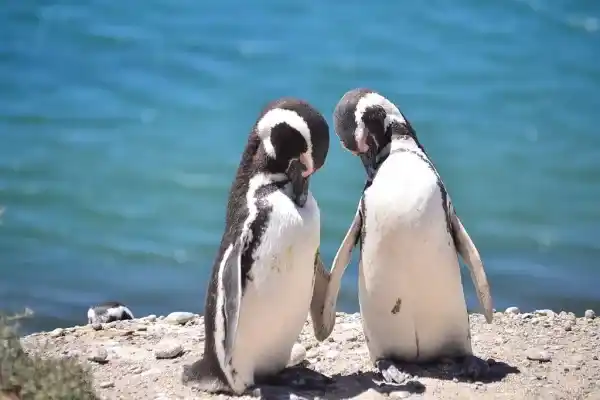
1. Galapagos penguin (Galápagos Penguin, Spheniscus mendiculus )
Distribution area : Galapagos Islands, Ecuador
Conservation Status : Critically Endangered (CR)
Causes of endangerment : habitat destruction, illegal hunting, and climate change (especially food shortages caused by El Niño).
As a species endemic to the Galapagos Islands, the Galapagos penguin is the northernmost penguin in the world and one of the smallest penguins.
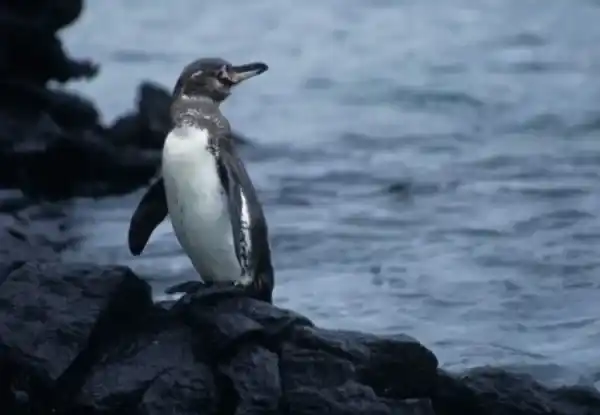
2. African Penguin ( Spheniscus demersus )
Distribution : Coastal South Africa, also known as "Cape Penguin" or "Spectacled Penguin".
Conservation Status : Endangered (EN)
Reasons for endangerment : overfishing, marine pollution, habitat destruction
According to the International Union for Conservation of Nature (IUCN), this species may become extinct in the near future if effective measures are not taken.
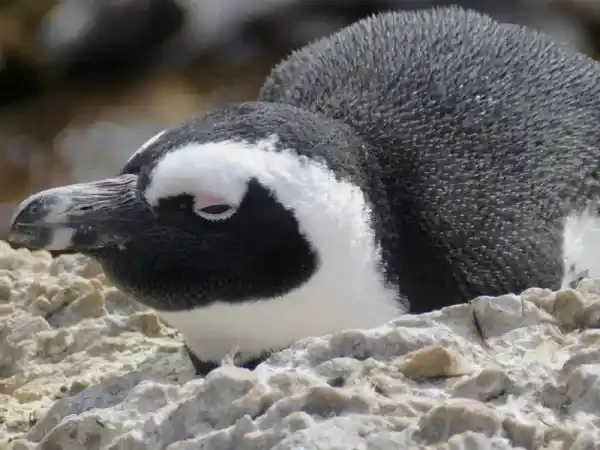
3. Magellanic Penguin ( Spheniscus magellanicus )
Distribution : Southern coastal areas of Argentina and Chile; winter migration to Uruguay and Brazil.
Protection level : Near Threat (NT)
Reasons for endangerment : oil pollution, fishing disturbance, habitat destruction
Although it is not currently listed as endangered, its population is declining, which warrants attention.
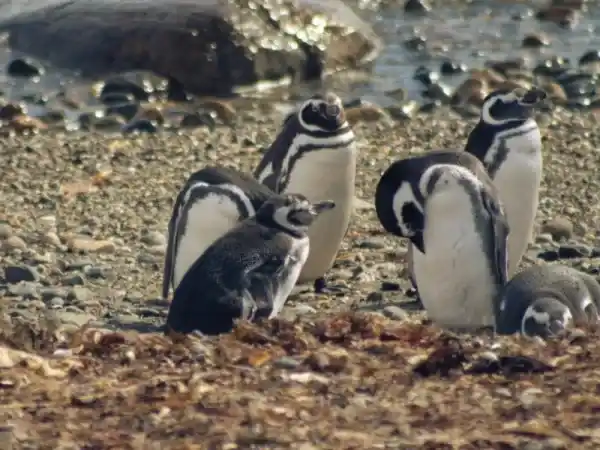
4. Humboldt Penguin ( Spheniscus humboldti )
Distribution : Coastal areas of Peru and Chile, dependent on the Humboldt Current ecosystem.
Protection level : Vulnerable (VU)
Reasons for endangerment : habitat loss, fishing conflicts, and human hunting.
Humboldt penguins are often poached because their meat is considered a delicacy in some regions.
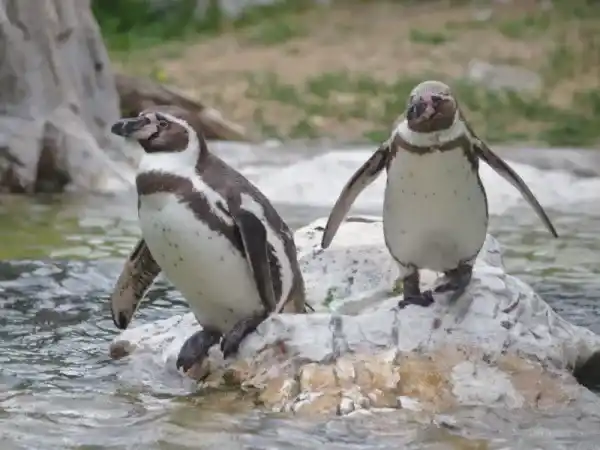
5. Macaroni Penguin ( Eudyptes chrysolophus )
Distribution area : South Georgia Islands, some Antarctic islands
Protection level : Vulnerable (VU)
Characteristics : Orange-yellow crest
Reasons for endangerment : climate change, hunting, marine pollution
Macaroni penguins are one of the most numerous species of crested penguins, but they are also facing a significant decline.
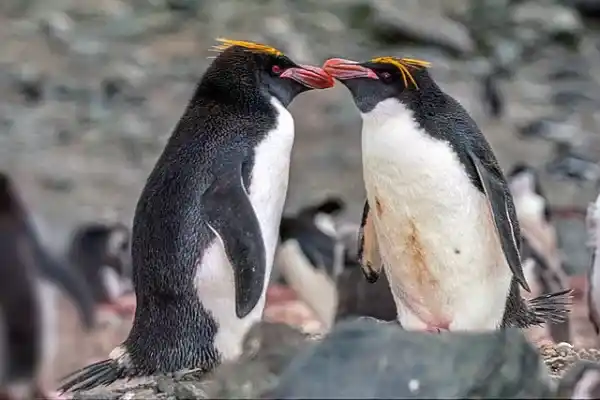
6. Antipodean Penguin ( Eudyptes sclateri )
Distribution area : Sub-Antarctic islands of New Zealand
Conservation Status : Endangered (EN)
Reasons for endangerment : climate change, invasive alien predators
These penguins are characterized by two yellow crests above their eyes. Due to their extremely limited distribution, they are easily affected by environmental changes.
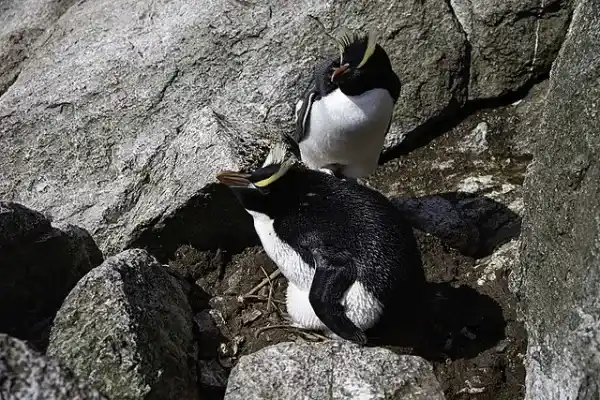
7. Northern Rockhopper Penguin ( Eudyptes moseleyi )
Distribution area : Tristan da Cunha Islands, Goff Island
Conservation Status : Endangered (EN)
Reasons for endangerment : industrial pollution, climate change, overfishing
Similar in appearance to other crested penguins, they differ in their unique geographical distribution and higher level of endangerment.
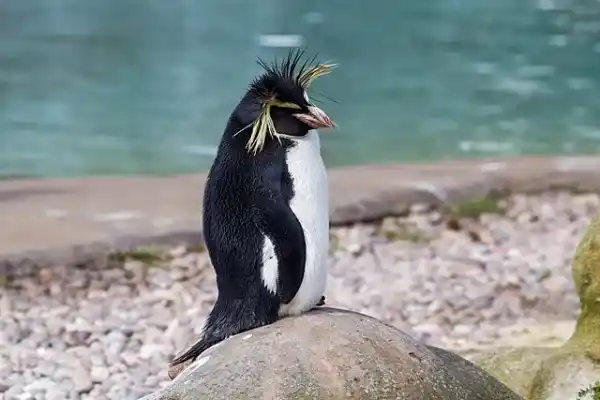
8. Snares Penguin ( Eudyptes robustus )
Distribution area : Snail Islands, New Zealand
Protection level : Vulnerable (VU)
Distinguishing feature : A white crest above the eyes
These penguins are limited in number and are greatly affected by climate change and human activities.
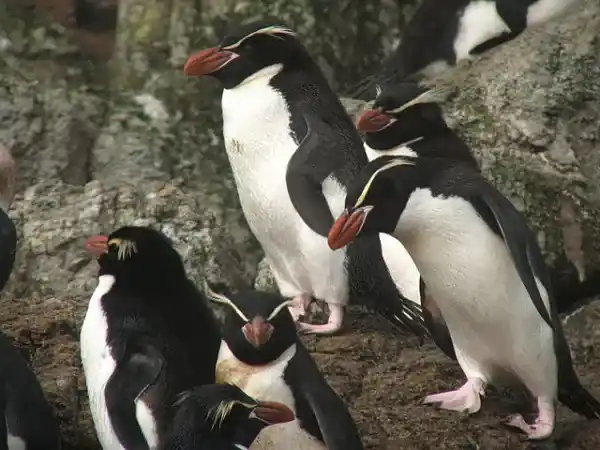
9. Southern Rockhopper Penguin ( Eudyptes chrysocome )
Distribution area :
E. chrysocome chrysocome : the southern coast and islands of Argentina and Chile
E. chrysocome filholi : New Zealand, Crozet Islands, Kerguelen Island, etc.
Protection level : Vulnerable (VU)
Characteristics : Yellow crest, one of the smallest crested penguins.
Despite its wide distribution, the overall population size is still declining.
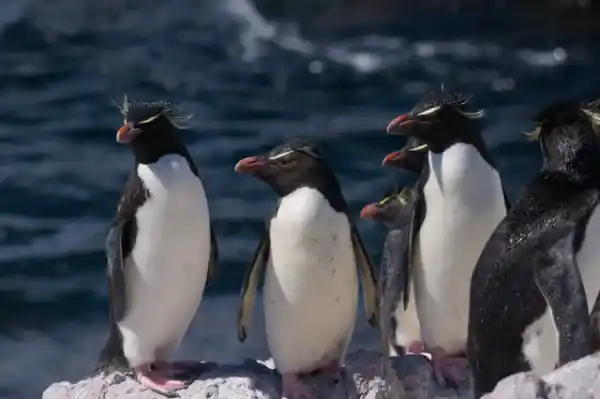
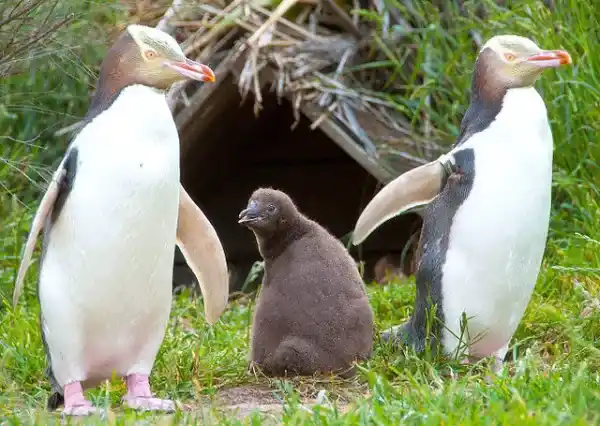
10. Yellow-eyed Penguin ( Megadyptes antipodes )
Distribution area : Southeast coast of New Zealand, Stewart Island
Conservation Status : Endangered (EN)
Feature : Distinctive yellow iris
Current population : Approximately 2,600-3,000 individuals in the wild.
Yellow-eyed penguins are among the rarest penguins in the world, with very limited habitat and threatened by both disease and climate change.
What can we do to protect penguins?
Penguins are endangered primarily due to human activity and climate change. But the good news is that each of us can take action to protect these polar creatures:
1. Reduce plastic use and pollution
Use biodegradable products and dispose of household waste properly to prevent plastic from flowing into the ocean.
Participate in or support public welfare projects that clean up the ocean.
2. Choose a plant-based diet
Livestock farming and fisheries are major sources of global greenhouse gases, and reducing consumption of animal-based foods can help mitigate climate change.
Avoid indirectly supporting industries that hunt penguins or disrupt their food chain.
Summarize
Penguins are not only a symbol of Antarctica but also an important part of the global ecosystem. Their endangered status serves as a stark reminder of the ecological crisis. Hopefully, this article has given you a deeper understanding of these adorable creatures, and we encourage you to join the effort to protect penguins.
If you would like to learn more about animal conservation and endangered species, please continue browsing our "Endangered Animals" section.