The giant panda (scientific name: *Ailuropoda melanoleuca *), also known as the panda, is a mammal belonging to the order Carnivora, although its main diet consists of bamboo. It sometimes eats insects, bird eggs, or small mammals, but its primary reliance on a plant-based diet has led to some taxonomic controversy.
A little-known and interesting fact is that the Chinese word for "panda" actually means "big bear cat" because their pupils are vertical, similar to those of felines, which is very rare among bears. If you are interested in this national treasure of China, this article will provide you with an in-depth introduction to the giant panda's distribution, habitat characteristics, living conditions, and whether it is still endangered.
Where are giant pandas mainly distributed?
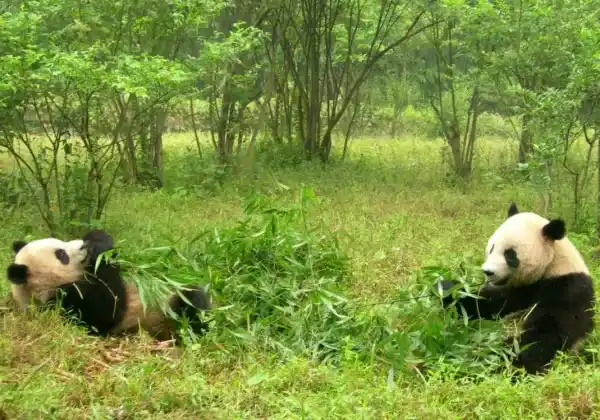
Although we now only see traces of wild giant pandas in southwestern China, the fossil record shows that their ancestors were once widely distributed in northern China, Myanmar, Vietnam, and the area surrounding Beijing. However, due to human activities, wild giant pandas now only exist in some mountainous areas of Sichuan, Shaanxi, and Gansu provinces in China, mainly concentrated in the high-altitude forests of the Qinling and Minshan Mountains.
What are the habitats of giant pandas?
Giant pandas are terrestrial animals that prefer to live in temperate forests at altitudes between 1,200 and 3,500 meters. These areas are often foggy and rainy, and have a humid subtropical climate.
This environment not only provides ideal conditions for bamboo growth (the staple food of giant pandas), but also helps maintain a suitable body temperature for them, because unlike other bears, giant pandas do not hibernate. This characteristic also makes them particularly sensitive to climate change.

What are the basic conditions for giant pandas to survive?
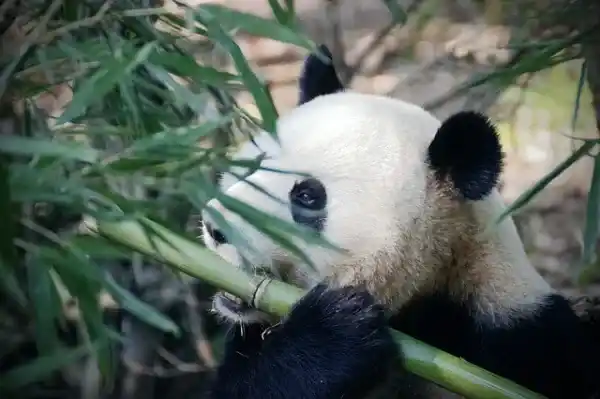
Abundant bamboo resources <br />Bamboo is the absolute main component of a giant panda's daily diet. Adult giant pandas may consume 12 to 38 kilograms of bamboo daily, including tender leaves, stems, and shoots. Without bamboo, they would not be able to survive.
Mild and humid climate <br />Giant panda cubs are born very light and have almost no fur, making them extremely sensitive to external temperatures. A temperate and humid climate helps them grow successfully. If the weather gets cold, they will move down to lower altitudes to find warmer places.
Secluded Habitat <br />Giant pandas prefer secluded, quiet forest environments, especially those sheltered by dense forests, with abundant water and food. This environment not only facilitates foraging but also provides a safe haven for reproduction and raising cubs.
Is the giant panda still on the verge of extinction?
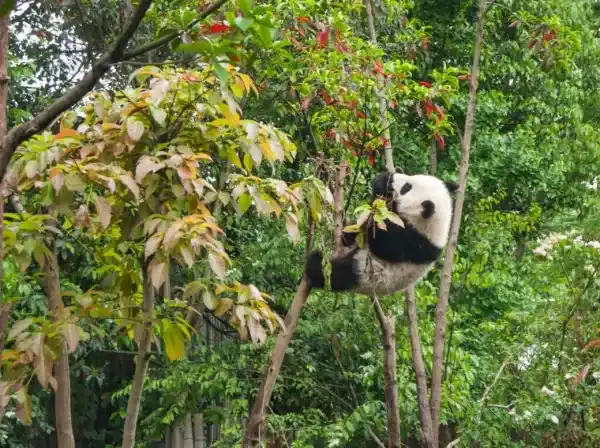
Currently, giant pandas are no longer listed as an "endangered species," but remain in the "Vulnerable" category. This means that although their numbers have rebounded, they still face potential threats, and conservation measures must continue to be implemented to prevent them from slipping back into endangered status in the future.
Giant pandas are a quintessential "flagship species" because their adorable appearance and symbolic significance make them one of the leading animals driving nature conservation. The Chinese government and numerous animal conservation organizations worldwide have invested significant funds and resources in panda habitat protection, population management, and artificial breeding.
Artificial conservation and natural restoration: What are the practical results?
Establishing Nature Reserves <br/>Currently, China has established 67 giant panda nature reserves and constructed multiple ecological corridors to connect fragmented habitats. These measures have effectively protected approximately two-thirds of the wild giant panda population.
Artificial Breeding and International Exchange <br />Despite the challenges of artificial breeding, some zoos have achieved significant results through scientific management, forming a global gene bank. These pandas also bear the responsibility of disseminating conservation concepts and promoting international cooperation.
National-level protection plan : The Chinese government, together with several conservation organizations, launched the "Giant Panda and Habitat Conservation Project" to promote comprehensive ecological protection through legislation, scientific research, and community participation.
What threats do giant pandas still face?
Habitat loss and fragmentation : Infrastructure development (such as roads, railways, and urban expansion) leads to forest degradation, reduces bamboo forest area, and forces pandas to shrink their range.
Poaching risk : Despite legal prohibition, illegal hunting has not been completely eradicated, especially in remote mountainous areas.
Human disturbance : Tourism, agricultural development, and pollution disturb panda habitats, affecting their reproduction and foraging.
Summary: How can we better protect giant pandas?
The giant panda's gradual return from the brink of extinction is a success story for global nature conservation, but this does not mean we can relax. Expanding protected areas, restoring bamboo forest ecosystems, and strengthening scientific research and law enforcement are all our shared responsibilities.
If you would like to learn more about the future of giant pandas, you can also refer to our related articles: "Will Giant Pandas Go Extinct?" and "A Comprehensive Review of Endangered Animals in Asia", etc.