The Sahara Desert, the largest desert on Earth, stretches across North Africa, covering over 9 million square kilometers—almost the size of China or the United States. Its climate is extremely harsh, with daytime temperatures reaching 54°C and frost possible at night. Despite this, the Sahara Desert still nurtures a diverse array of highly adaptable wildlife.
So how do these animals survive in such extreme environments? They play a key role in the desert food chain by evolving unique adaptations, such as the lack of sweat glands, concentrated urine, sun-protective fur, strong thirst resistance, and nocturnal behavior.
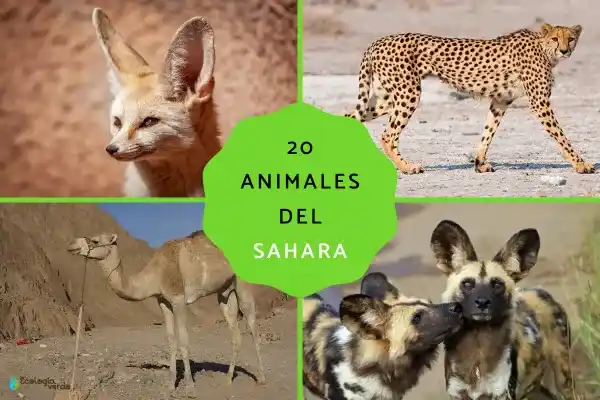
Here are 20 of the most representative animals of the Sahara Desert:
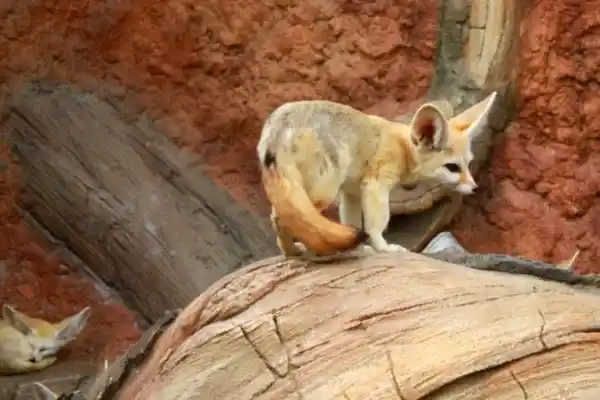
1. Desert Fox (Vulpes zerda)
Also known as the African small-eared fox, it is one of the smallest foxes in the world, weighing only 1.5 kilograms. Their oversized ears not only help dissipate heat but also allow them to detect the movement of prey from a distance, even small animals buried in the sand. Nocturnal activity is one of their key strategies for adapting to extreme heat.
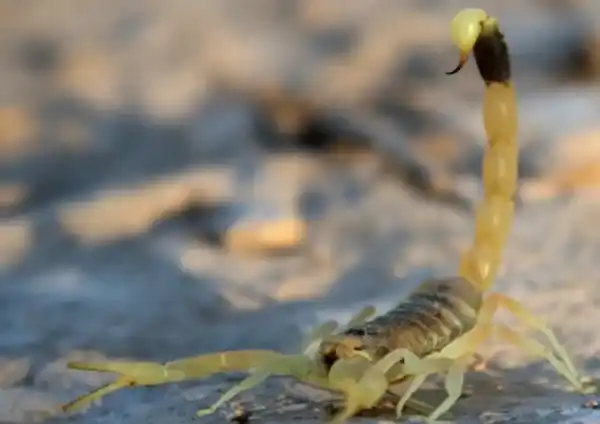
2. Yellow scorpion (Leiurus quinquestriatus)
Commonly known as the "death scorpion," it is one of the most venomous scorpions in the world. Found in the Sahara and the Middle East, its venom contains neurotoxins, making it deadly to small prey and posing a high risk to humans.
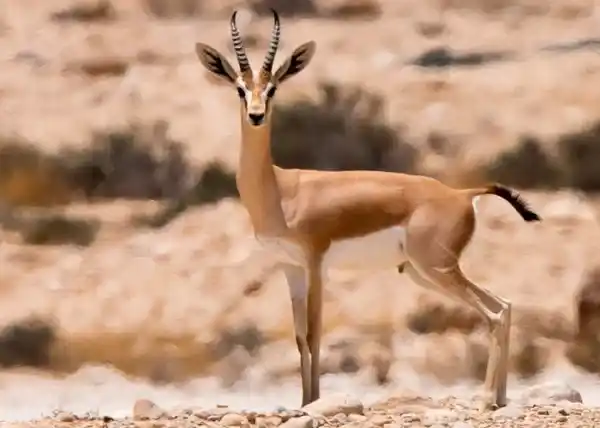
3. Dorcas Gazella
This small, herbivorous antelope is a typical Sahara herbivore. They survive by consuming water from plants and can go for very long periods without drinking. They are agile and typically inhabit sparsely vegetated sandy areas.
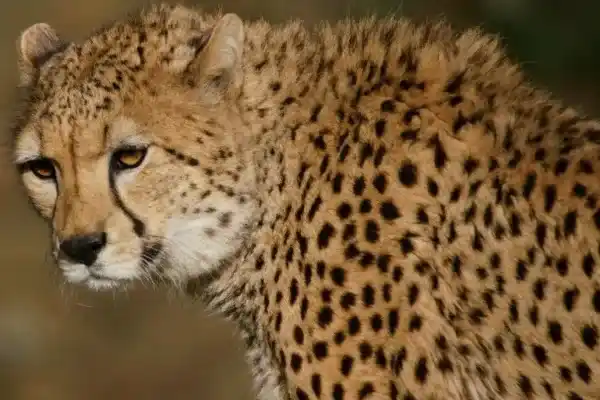
4. Sahara Cheetah (Acinonyx jubatus hecki)
This endangered subspecies of cheetah has fewer than 250 individuals remaining in the wild. They are slightly smaller and lighter in color than the common cheetah. Poaching and habitat destruction are their greatest threats.
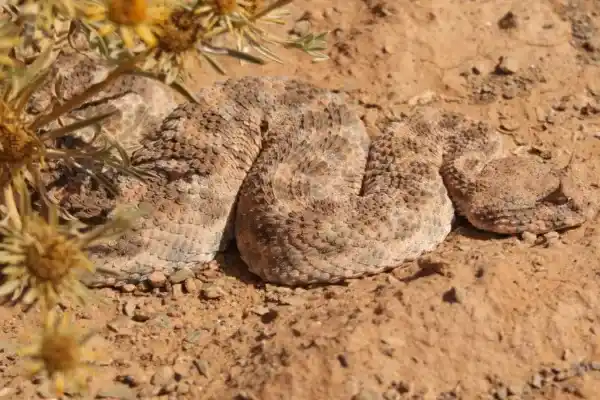
5. Desert Horned Viper (Cerastes cerastes)
Commonly known as the "horned snake," it is a venomous snake with a prominent horn-like protrusion above its eyes. They often lie in ambush in the sand, only exposing their eyes to wait for prey, and may even wiggle their tail tips to mimic insects in order to lure birds closer.
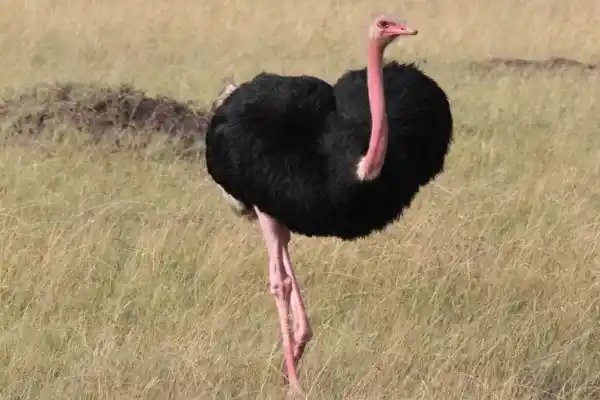
6. Red-necked Ostrich (Struthio camelus camelus)
More heat- and drought-resistant than other ostrich subspecies, with a red neck and legs. Primarily distributed in the western Sahara, they are herbivores and can run at speeds up to 70 km/h.
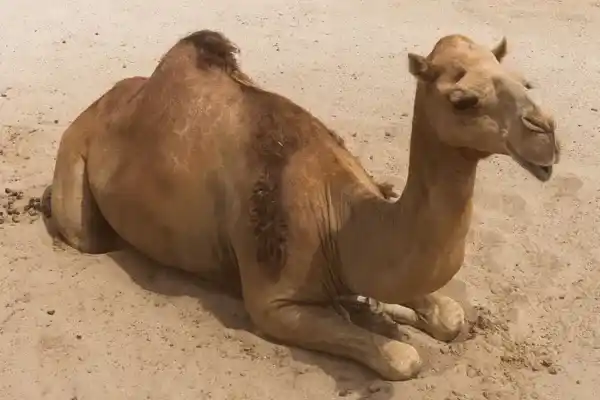
7. Dromedary camel (Camelus dromedarius)
It is one of the most well-known animals in the desert, possessing a hump for storing fat, enabling it to survive for extended periods in extremely arid conditions. Its thick eyelashes, sturdy hooves, and calloused pads on its feet are its survival tools.
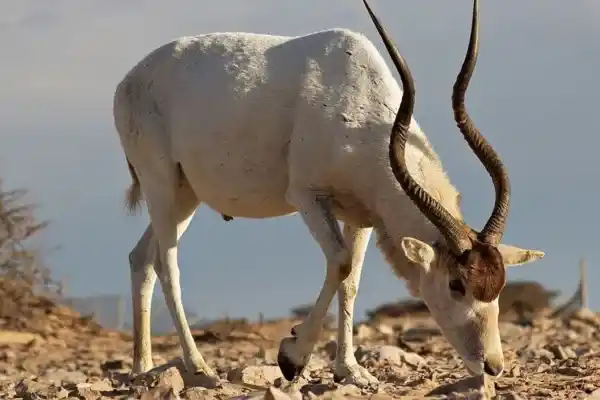
8. Spiral-horned antelope (Addax nasomaculatus)
Also known as the Sahara antelope, it is one of the most drought-resistant ungulates in the desert. They are typically active at dawn and dusk, feeding on low shrubs. They are now critically endangered and exist only in protected areas.
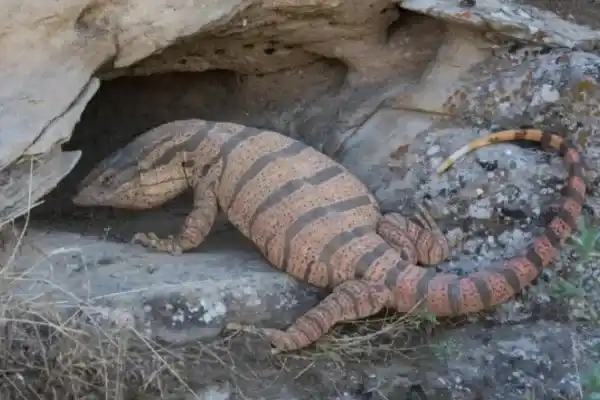
9. Desert Monitor Lizard (Varanus griseus)
It is a cold-blooded reptile that feeds on insects, lizards, snakes, and small mammals. They absorb heat during the day and hide in burrows at night to escape the heat, making them one of the top reptile predators in the desert.
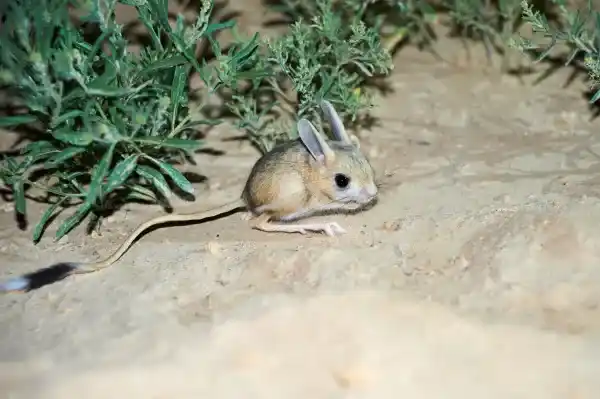
10. Egyptian jerboa (Jaculus jaculus)
Also known as the "pyramid rat," it is a small, nocturnal rodent with large eyes and ears adapted to darkness and high temperatures. They primarily eat plant seeds, but sometimes also bird eggs.
Other animals of the Sahara Desert:
Here are some more representative animals that live in the Sahara Desert:
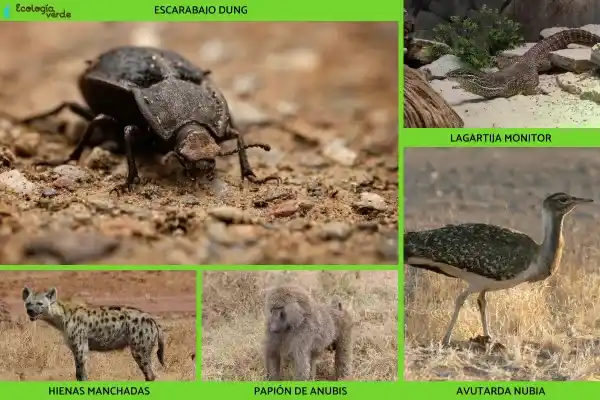
Dung beetles (Scarabaeoidea family)
Surveillance lizard (Varanus panoptes)
Spotted hyena (Crocuta crocuta)
Anubis (Papio anubis)
Nubian Great Bustard (Neotis nuba)
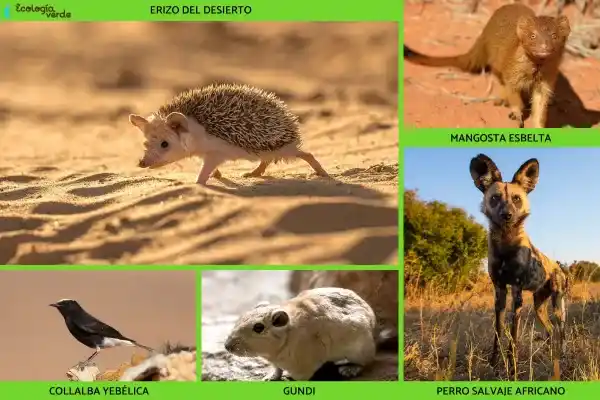
Desert hedgehog (Paraechinus aethiopicus)
Slender mongoose (Galerella sanguinea)
White-tailed Redstart (Oenanthe leucopyga)
Spiny rat (Ctenodactylus gundi)
African wild dog (Lycaon pictus)
Adaptation mechanisms of desert animals
The survival of Sahara animals depends on various adaptive strategies, such as:
Physiological adaptations : concentrated urine, water-retaining tissues, hair or skin for regulating body temperature.
Behavioral adaptations : nocturnal behavior, migration, and hiding behaviors to avoid extreme weather.
Ecological strategies include low metabolic rate, omnivorous diet, and tunnel construction.
If you would like to learn more about other animals in desert ecosystems, you can read our related articles "What animals live in the desert?" or "Biobiotic and abiotic factors in the desert".