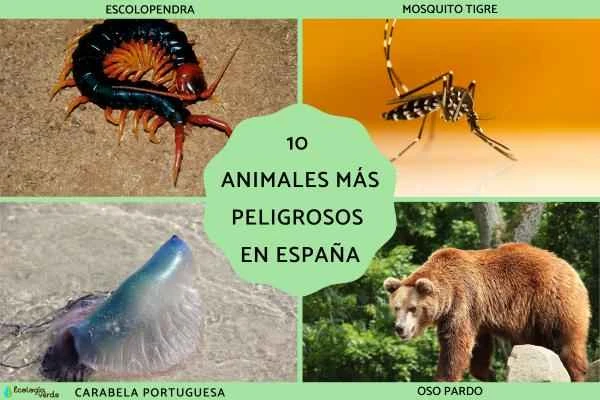
As the world's fourth-largest country by area, the United States boasts a vast geographical range, encompassing almost all major climate types, from the frigid climate of Alaska to the tropical wetlands of Florida and the arid deserts of Nevada. Consequently, this land fosters exceptionally rich biodiversity, making it one of the most biodiverse countries in the world.
This article will provide an in-depth introduction to wildlife in the United States, particularly some representative native animals, and will discuss their distribution, characteristics, and conservation status. Some species have been listed as endangered or vulnerable by the International Union for Conservation of Nature (IUCN), and deserve our attention and protection.
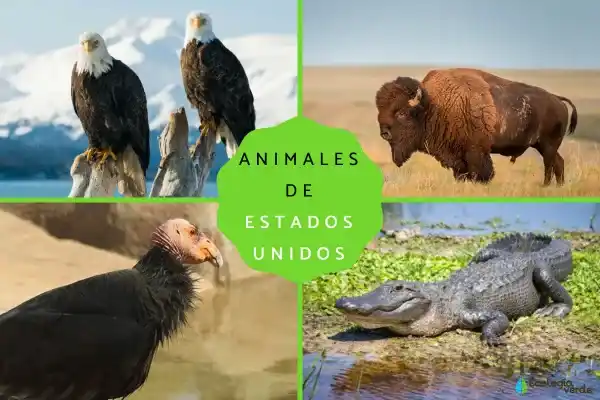
1. Bald Eagle (Haliaeetus leucocephalus)
As the national bird of the United States, the bald eagle is a symbol of the country and even appears on the national emblem. This large bird of prey is found throughout North America, from Canada and Alaska to northern Mexico. Its most distinctive features are its white head feathers and yellow beak. Thanks to years of conservation efforts, its population is currently growing steadily, and the IUCN has listed it as a species of "Least Concern".
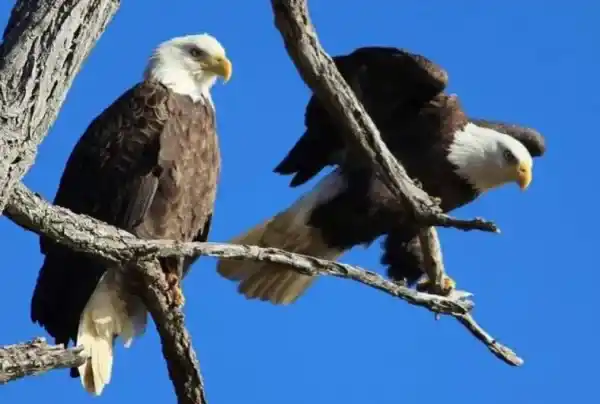
2. Bison bison
Also known as the American buffalo, it is one of the most iconic grassland animals in the United States. Males can weigh over 1300 kg and once roamed the North American grasslands in large herds. However, due to large-scale hunting in the 19th and 20th centuries, their numbers plummeted. Recent reintroduction programs have helped their numbers recover somewhat, but habitat loss remains the main threat, and the IUCN currently lists it as "Near Threatened."

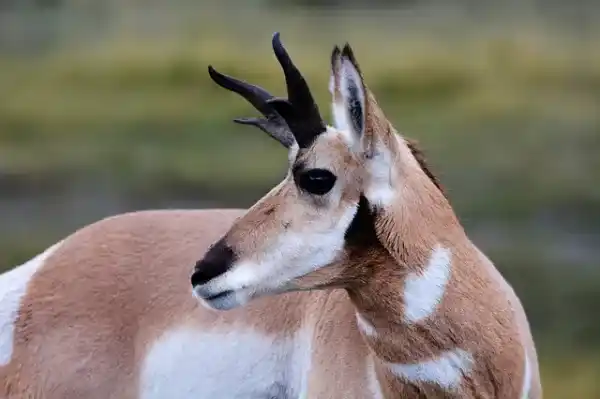
3. American pronghorn (Antilocapra americana)
Found in the open grasslands of the American Midwest, this mammal is endemic to North America and is extremely fast. Although the current population is approximately 750,000 and it is listed as "Least Concern" by the IUCN, it still faces certain threats due to habitat fragmentation and hunting activities caused by human activities.
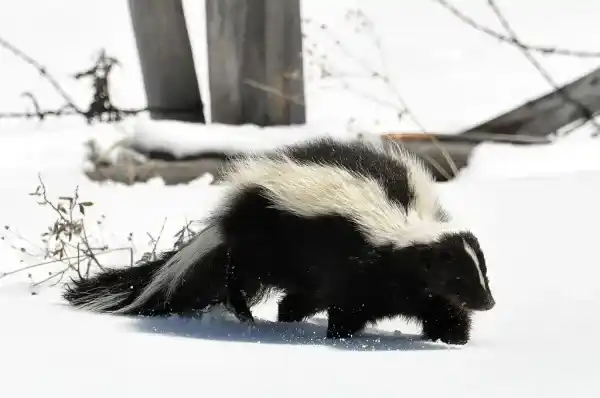
4. Striped skunk (Mephitis mephitis)
Widely distributed in the forests and rural areas of Canada, the United States, and Mexico, they are known for their two white stripes on their backs and their "stink attack." They are omnivorous, feeding on insects, small mammals, seeds, and fruits. Although their numbers are currently stable, pollution, poaching, and climate change remain threats.
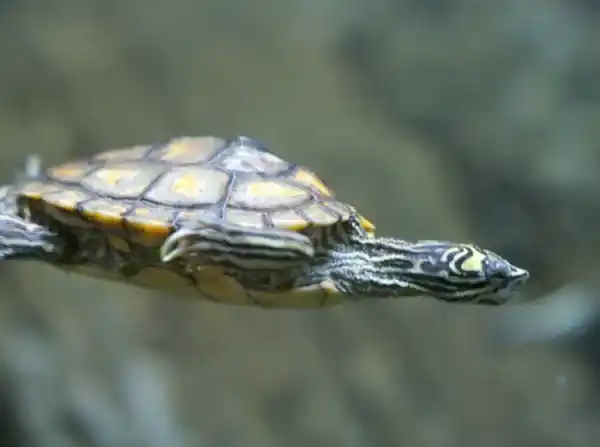
5. Yellow-spotted map turtle (Graptemys flavimaculata)
This is a small to medium-sized turtle found only in the Pascagoula River basin of Mississippi. Its shell has distinctive, map-like, intricate yellow markings. Due to pollution, water development, and the impact of invasive species, it is currently listed as "Vulnerable" by the IUCN.
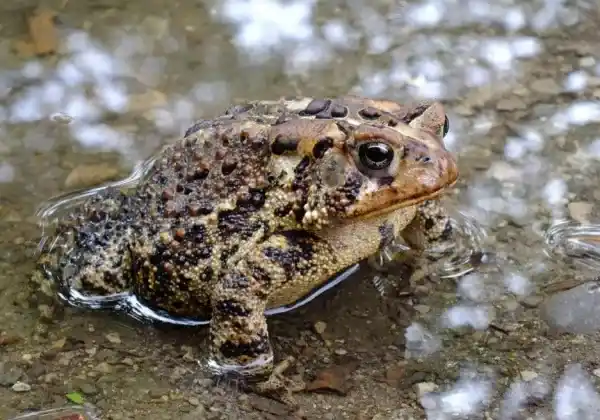
6. Yosemite toad (Anaxyrus canorus)
This species is endemic to the highlands of the Sierra Nevada Mountains in California. This toad is extremely sensitive to habitat change. Global warming, habitat destruction, and fungal pathogens have led to a sharp decline in its numbers, and the IUCN has listed it as “endangered.”
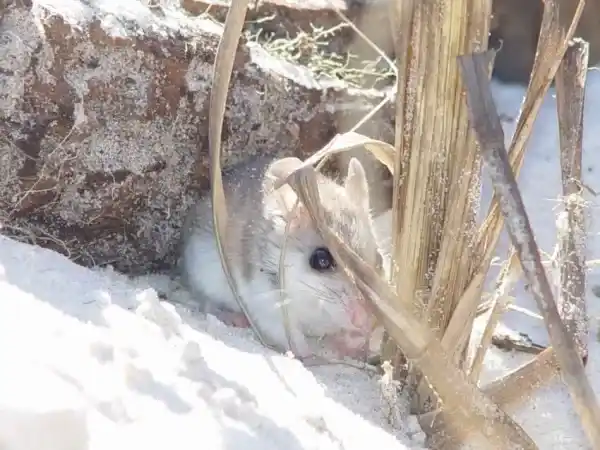
7. Beach mouse (Peromyscus polionotus)
It inhabits the coastal and cornfield areas of the southeastern United States. The coloration of this small rodent varies depending on its habitat: inland populations are brownish-yellow, while coastal populations are more whitish. Although currently listed as "Least Concern," its habitat is highly limited.
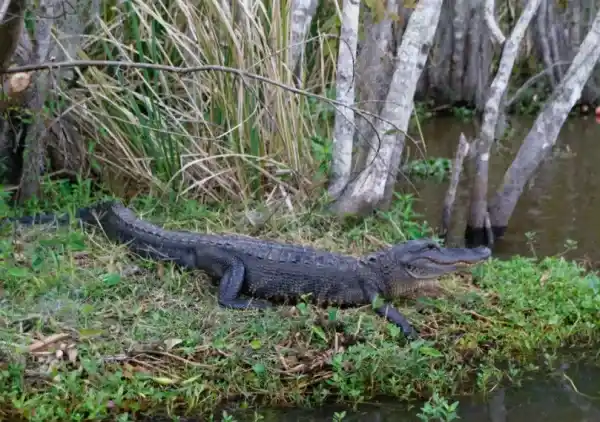
8. American alligator (Alligator mississippiensis)
It is a representative reptile of the swamps and wetlands of the southeastern United States, which can grow to over 4 meters in length and weigh over 400 kilograms. Due to past hunting practices, this species was once endangered, but has now successfully recovered its population and is listed as "Least Concern" by the IUCN.
Other native animals of the United States:
North American raccoon (Procyon lotor)
Cougar/Mountain Lion (Puma concolor)
California Condor (Gymnogyps californianus)
Island Grey Fox (Urocyon littoralis)
Palmeria dolei
Canadian marmot (Marmota monax)
White-tailed deer (Odocoileus virginianus)
Black-footed ferret (Mustela nigripes)
American beaver (Castor canadensis)
Flat musk turtle (Sternotherus depressus)
American black bear (Ursus americanus)
Red Knot (Calidris canutus)
Grizzly bear (Ursus arctos horribilis)
Florida Blue Jays (Aphelocoma coerulescens)
American Marabou Stork (Mycteria americana)
California owl (Strix occidentalis)
Gray Wolf (Canis lupus)
Desert tortoise (Gopherus agassizii)
List of endangered animals in the United States
The following are animals in the United States that are listed as endangered or critically endangered:
California Condor (Critically Endangered)
Aksikosichus (Critically Endangered)
Yellow-spotted map turtle (vulnerable)
Black-footed ferret (critically endangered)
Flat-faced musk turtle (critically endangered)
Florida Bluebird (Endangered)
Yosemite toad (endangered)
California owl (endangered)
Desert tortoise (endangered)
If you would like to learn more about and support the protection of these rare species, please read our feature article on "Endangered Animals and Conservation Measures in the United States" to help us spread important information about ecological conservation.
References
IUCN Red List. Website: https://www.iucnredlist.org/