As pet owners, we all want to provide the best life for our furry, scaly, or shiny-feathered companions. While a balanced diet and regular exercise are essential for a pet's health, animal supplements are increasingly becoming a popular way to improve their well-being, boost their immune system, and support overall vitality. Whether you own a dog, cat, horse, or a small pet like a rabbit, the right supplement can help address specific health concerns and improve your pet's quality of life. In this comprehensive guide, we'll explore the benefits of animal supplements, common types, and how to choose the right supplement for your pet.
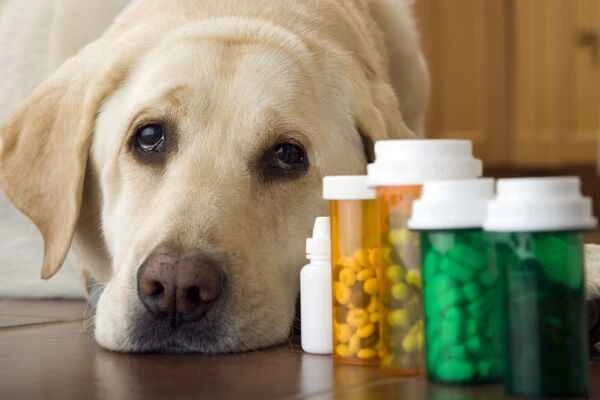
1. What are animal supplements, and why are they important?
Animal supplements are products specifically designed to complement a pet's daily diet. They contain essential vitamins, minerals, amino acids, and other nutrients intended to support all aspects of a pet's health. While most pets can meet their nutritional needs through a balanced diet, supplements can provide additional support for specific health concerns or areas of focus.
For example, older pets may need joint health supplements, while pets with skin problems may need omega fatty acids to improve their coat. Supplements are not meant to replace a balanced diet, but rather to enhance and fill nutritional gaps in a pet's diet.
2. Common animal supplements and their benefits
There are many animal supplements available on the market, each designed to meet specific health needs. Here are some common supplements and their benefits:
A. Joint health supplements
Joint health is a major concern for many pets, especially older ones. Supplements containing glucosamine, chondroitin, and MSM (methylsulfonylmethane) are commonly used to support joint function and reduce inflammation. These ingredients help maintain healthy cartilage and can alleviate symptoms of arthritis and joint pain in dogs, cats, and even horses. Regular use of joint supplements can improve mobility, reduce stiffness, and enhance a pet's overall quality of life.
B. Omega fatty acid supplements improve skin and hair health.
Omega-3 and omega-6 fatty acids are essential for maintaining healthy skin and shiny coat. These fatty acids help reduce inflammation, promote hair growth, and prevent dry skin or flaking. Fish oil supplements are a common source of omega-3, while flaxseed oil offers a plant-based alternative. If your pet has skin allergies, dull coat, or frequent shedding, omega fatty acid supplements may provide noticeable improvement.
C. Probiotic supplements to improve digestive health
Probiotics are beneficial live bacteria that help maintain a healthy gut flora and improve digestion. If your pet has gastrointestinal issues such as diarrhea, constipation, or stomach upset, probiotics can help restore gut balance. Probiotic supplements are especially suitable for pets recovering from illness or antibiotics, as these treatments can disrupt the balance of beneficial bacteria in the gut.
D. Multivitamin and mineral supplements
Sometimes pets may need increased intake of overall vitamins and minerals, especially when they have specific nutritional deficiencies or dietary restrictions. Multivitamin supplements are a good way to ensure pets get all the essential nutrients they need. These supplements help improve energy levels, immune function, and overall vitality. However, it's important not to overdo it, as excessive vitamins and minerals can also be harmful to pets.
E. Sedative supplements to relieve stress and anxiety.
Dogs and cats, in particular, may experience anxiety due to separation, noise, or changes in environment. Calming supplements containing natural ingredients such as valerian root, chamomile, and L-theanine can help pets relax in stressful situations. These supplements are especially effective for pets with anxiety issues, whether related to travel, thunderstorms, or social problems.
3. How to choose the right animal supplements
With so many types of animal supplements on the market, choosing the right product can be confusing. Here are some tips for selecting supplements:
A. Consult a veterinarian
It's best to consult a veterinarian before introducing any new supplements to your pet. A veterinarian can help identify specific health problems in your pet and recommend the appropriate type of supplement. They can also help determine the correct dosage based on your pet's size, age, and overall health condition.
B. Choose high-quality products
Not all supplements are the same quality. Always choose products from reputable brands that adhere to high-quality manufacturing standards. Look for certifications or third-party testing to ensure the ingredients are pure and effective. Supplements manufactured in GMP (Good Manufacturing Practice) certified facilities are generally safer.
C. Consider the specific needs of your pet
Every pet has unique health needs, and their supplement requirements may vary. For example, an older dog may need joint supplements, while a young cat may only need a general multivitamin. When choosing supplements, consider your pet's age, breed, lifestyle, and health history.
D. Searching for natural ingredients
Choose supplements with natural ingredients whenever possible. Many pets are allergic to synthetic chemicals or additives. Natural, plant-based supplements or those derived from whole foods are generally gentler on your pet's system.
4. Potential risks and side effects
While animal supplements can offer benefits, they must be used responsibly. Overdosing can lead to poisoning or adverse reactions, especially with vitamin and mineral supplements. Always follow recommended dosage guidelines and avoid giving your pet supplements designed for humans. Some pets may also be allergic or sensitive to certain ingredients, so watch for signs such as indigestion, skin irritation, or lethargy.
Animal supplements offer an excellent way to improve your pet's health and quality of life. From joint support to digestive health, skin care, and anxiety relief, the right supplements can significantly improve your pet's well-being. Always consult your veterinarian before adding any supplements to your pet's diet and choose high-quality, natural products to ensure optimal care.
By focusing on your pet's specific needs and providing appropriate nutritional support, you can help them live longer, healthier, and happier lives.
What are the side effects of animal supplements? Understanding the risks and how to prevent them.
Animal supplements are a popular choice for many pet owners to improve their pets' health and well-being. From joint support to skin care and immune system boosting, these supplements can offer significant benefits. However, like any form of supplement, they can also have side effects. Understanding these risks and how to prevent them is crucial to ensuring your pet stays healthy while enjoying the benefits of supplements.
In this article, we'll explore the potential side effects of animal supplements, how to identify them, and what steps you can take to minimize the risks. With a thorough understanding, you can make the best choices for your pet's health.
1. The Importance of Animal Supplements
Before delving into the side effects, it's important to understand why many pet owners choose to use supplements. Animal supplements are designed to enhance a pet's health by providing extra vitamins, minerals, amino acids, and other nutrients that may be insufficient in their regular diet. These supplements can help with joint health, digestive support, improved skin and coat, and stress relief.
However, just like in humans, the effects of supplements on the body can be complex, and not all pets can tolerate them in the same way. While they can provide necessary benefits, improper use or overdose can also lead to unwanted side effects.
2. Common side effects of animal supplements
A. Gastrointestinal discomfort
One of the common side effects of animal supplements, especially those containing probiotics, vitamins, or minerals, is gastrointestinal upset. Symptoms include diarrhea, vomiting, gas, bloating, or decreased appetite. This is especially common when starting a new supplement or when the pet is given more than the recommended dosage.
For example, high doses of omega-3 fatty acids or fish oil may cause diarrhea or stomach upset in some pets. Probiotic supplements may cause temporary bloating or loose stools initially, and the body needs time to adjust.
How to prevent it:
When introducing a new supplement, do so gradually, starting with a small dose and increasing it progressively over several days. Observe your pet's digestion; if symptoms persist or worsen, discontinue the supplement.
B. Allergic reaction
Some pets may have allergic reactions to certain ingredients in supplements, especially if they are sensitive to specific proteins or chemicals. Symptoms of an allergic reaction may include itching, swelling, hives, redness, or difficulty breathing.
For example, fish-based supplements (such as omega-3 fatty acids) may trigger allergic reactions in pets allergic to fish, while some joint health supplements may contain shellfish-derived ingredients, which may trigger reactions in pets sensitive to shellfish.
How to prevent it:
Before starting any new supplement, check the ingredient list for potential allergens. If your pet is known to be allergic to certain foods or ingredients, choose a supplement that does not contain those substances. If you are unsure about potential allergens, it is best to consult your veterinarian.
C. Poisoning caused by excessive supplementation
Excessive supplementation is one of the most serious risks associated with animal supplements. Giving pets too much of certain vitamins, minerals, or other nutrients can lead to poisoning. For example, excessive vitamin D can cause kidney damage, while too much calcium can cause gastrointestinal problems and even kidney failure.
How to prevent it:
Carefully follow the dosage instructions on the product label and consult your veterinarian before starting any new supplement program. Never give your pet supplements designed for humans, as their dosages may not be suitable for animals.
D. Weight gain or nutritional imbalance
Some supplements, especially those high in calories, fatty acids, or joint supplements, can lead to weight gain in pets if not managed carefully. Furthermore, supplements that are not suitable for your pet can cause nutritional imbalances, particularly if they provide excessive amounts of certain vitamins or minerals while lacking other essential nutrients.
How to prevent it:
When using supplements, monitor your pet's weight and overall health, especially if the supplement is high in calories. Consider adjusting your pet's regular food intake to compensate for the extra calories from the supplement. Ensure that the supplement is tailored to your pet's specific needs and does not replace a balanced diet.
E. Behavioral changes
Certain supplements, such as those containing calming herbs or natural sedatives like valerian or chamomile, may cause drowsiness or other behavioral changes in pets. While these effects are usually mild and temporary, some pets may exhibit excessive sedation or drowsiness when given high doses.
How to prevent it:
After introducing sedative supplements, closely observe your pet. If you notice your pet exhibiting excessive sleepiness or behavioral changes, you can reduce the dosage or consult a veterinarian to find alternatives.
3. How to safely use animal supplements
To minimize the risk of side effects and maximize the benefits of animal supplements, it is essential to follow these safety guidelines:
A. Consult your veterinarian
Always consult a veterinarian before introducing any supplements to your pet. A veterinarian can assess your pet's health needs, help you choose the right supplement, and recommend the correct dosage. A veterinarian can also help you avoid potential interactions between supplements and any medications your pet is taking.
B. Choose high-quality supplements
Not all animal supplements are of the same quality. To avoid unnecessary risks, always choose supplements from reputable brands that adhere to high manufacturing standards. Look for third-party testing, certification, and product transparency to ensure the supplements are safe and effective for your pet.
C. Start slowly and monitor your pet.
When introducing a new supplement, start with a small dose and gradually increase it as advised by your veterinarian. This allows your pet's system to adapt to the supplement gradually without causing any strain. During the transition period, closely monitor your pet's behavior, health, and for any side effects.
D. Follow the dosage guidelines
Make sure to use supplements strictly according to the dosage instructions on the product label or your veterinarian's advice. Overdosing is a major cause of side effects, so following the recommended dosage is very important.
Animal supplements can offer significant health benefits to pets, ranging from joint support to skin care, digestive health, and stress relief. However, like any supplement, they can also have potential side effects. By understanding these side effects, following correct dosage guidelines, and consulting a veterinarian, you can ensure your pet enjoys the benefits of supplements while avoiding adverse reactions.
Closely monitor your pet's health and adjust as needed to ensure they receive the correct nutritional support. When used prudently, animal supplements can be a valuable tool for promoting your pet's long-term health and well-being.
What are some natural animal supplements? Safe and effective choices for pet health.
As pet owners, we all want to provide our pets with the best possible health care, especially through dietary supplements to enhance their overall health. Natural animal supplements are a popular choice for many pet owners; made from plant-based ingredients, herbs, and other organic compounds, they are considered a safe and effective option for supporting pet health.
In this comprehensive guide, we'll introduce some of the most popular and beneficial natural supplements, including their functions, benefits, and how to safely incorporate them into your pet's daily diet. Whether you're looking to improve joint health, boost your immune system, or support healthy skin and coat, natural supplements offer a holistic approach to your pet's health.
1. What are natural animal supplements?
Natural animal supplements are products made from plant, mineral, or animal ingredients designed to enhance pets' health. These supplements typically do not contain synthetic chemicals or artificial additives, making them a popular healthy alternative for pet owners, especially those looking for a more natural approach to pet care.
Natural supplements may take the form of vitamins, minerals, amino acids, herbs, or they can be oils, probiotics, or plant powders. The purpose of supplements is to provide pets with additional nutritional support to help address specific health issues or improve their overall health.
2. Common natural animal supplements
A. Omega-3 fatty acids (fish oil)
Omega-3 fatty acids, a common natural supplement derived from fish oil, offer numerous health benefits for pets. They are particularly important for reducing inflammation, promoting healthy skin, and improving joint function. They can also support cognitive health and improve cardiovascular function.
benefit :
Reduce inflammation and relieve joint pain
Promotes healthy skin and shiny hair
Support heart and brain health
Improve dry or itchy skin
How to use : Fish oil can be given in liquid or capsule form. The dosage depends on your pet's weight and health needs. Please follow the product instructions or consult your veterinarian to determine the appropriate dosage.
B. Glucosamine and chondroitin
Glucosamine and chondroitin are often used in combination as natural ingredients, primarily to support joint health, especially beneficial for older pets or those with arthritis. They are typically derived from animal cartilage or shellfish and help maintain healthy cartilage, reduce inflammation, and relieve joint pain.
benefit :
Support joint function and mobility
Relieve symptoms of arthritis and joint degeneration
Promote cartilage repair
How to use : These supplements are usually available in chewable tablets, powders or capsules, and many products also combine other joint-supporting ingredients (such as MSM) to enhance their effects.
C. Probiotics
Probiotics are beneficial bacteria that promote a healthy balance of flora in the gut. They are commonly used to support a pet's digestive health, especially after indigestion, stress-related gastrointestinal problems, or the use of antibiotics.
benefit :
Improve digestion and nutrient absorption
Support the immune system
Reduce the risk of gastrointestinal problems such as diarrhea and constipation.
How to use : Probiotics are available in powder, capsule, or chewable form. For best results, follow the recommended dosage and consult your veterinarian during use.
D. Turmeric (curcumin)
Turmeric is a natural anti-inflammatory herb containing curcumin, which has antioxidant properties. Turmeric is commonly used to help relieve joint pain, arthritis, and inflammation in pets, and it can also support immune function and improve skin health.
benefit :
Reduce inflammation and joint pain
Support liver and kidney health
Improves skin condition and promotes wound healing
How to use : Turmeric is usually provided in powder or capsule form and is often mixed with food or given to pets as a treat. For better absorption, turmeric is best taken with black pepper or fat, as these can increase the bioavailability of curcumin.
E. CBD oil (cannabidiol)
CBD oil, derived from cannabidiol in the cannabis plant, has become a popular natural supplement for pets. Known for its calming effects, it is often used to relieve anxiety, stress, and pain in pets. CBD also has anti-inflammatory properties, making it ideal for pets with joint problems or arthritis.
benefit :
Relieve anxiety and stress
Relieve pain and inflammation
Support overall health
How to use : CBD oil can be given orally or added to your pet's food. Choose a high-quality CBD product suitable for your pet and start with a low dose to observe your pet's response.
F. Aloe
Aloe vera is a versatile plant known for its soothing properties. It can be used to treat skin problems, support digestive health, and even aid in wound healing. Aloe vera is commonly available in gel or liquid form and can be applied topically or taken internally, depending on the problem being treated.
benefit :
Relieves and treats skin problems such as rashes, burns, and hot spots.
Supports digestive health and reduces intestinal inflammation
Promote wound healing
How to use : Aloe vera gel can be applied directly to the skin, and the liquid form can be added to pet food. Please ensure you use pet-safe aloe vera products, as some aloe vera products may contain ingredients that are harmful to pets.
3. How to safely use natural supplements
While natural supplements can offer significant health benefits for pets, proper use is crucial. Here are some tips to ensure safe use for your pet:
A. Consult a veterinarian
Always consult a veterinarian before introducing any new supplements to your pet. They can help you choose the right supplement for your pet and ensure it does not interact with existing medications or treatments.
B. Choose high-quality products
Not all natural supplements are of the same quality. To ensure effectiveness, choose high-quality brands that use all-natural, organic ingredients. Look for products that have undergone third-party testing and certification to ensure they are safe and effective for your pet.
C. Follow dosage instructions
Correct dosage is crucial for safety and effectiveness. Always follow the manufacturer's recommendations or your veterinarian's instructions. Overuse of supplements can cause side effects, so make sure to follow the recommended dosage.
D. Monitor the pet's health status
After introducing a new supplement, closely monitor your pet's behavior, energy levels, and health. If any discomfort or changes are observed, discontinue use immediately and consult a veterinarian.
Natural animal supplements are an excellent choice for supporting your pet's health, offering a variety of solutions from improving joint function and boosting the immune system to improving skin and coat health. By choosing high-quality products, following dosage instructions, and consulting a veterinarian, you can safely incorporate natural supplements into your pet's daily care.
Whether you're looking to relieve pain, support your digestive system, or enhance your pet's overall health, natural supplements offer a variety of effective options for your pet. Always monitor your pet's response to new supplements to ensure they receive the best care.