Humans often react in extremes when encountering insects—we might marvel at the beauty of a monarch butterfly, while a scurrying cockroach might evoke disgust. But did you know that many insects are actually too small to be seen with the naked eye? Because of their incredibly tiny size and the difficulty in studying them, we know very little about these miniature creatures. In fact, some insects are so small that they cannot even be photographed. Today, we'll take you into the world's smallest insects and explore the wonders of these tiny creatures!
10. Midget Moths
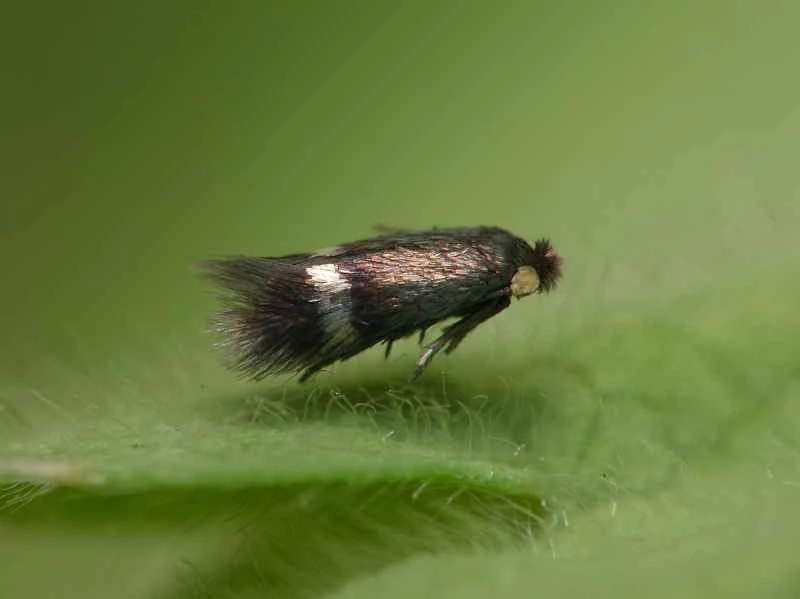
The dwarf moth (scientific name: Enteucha acetosae ) has a wingspan of only 2.54 cm , while the wingspan of a common moth is usually 22.86 cm .
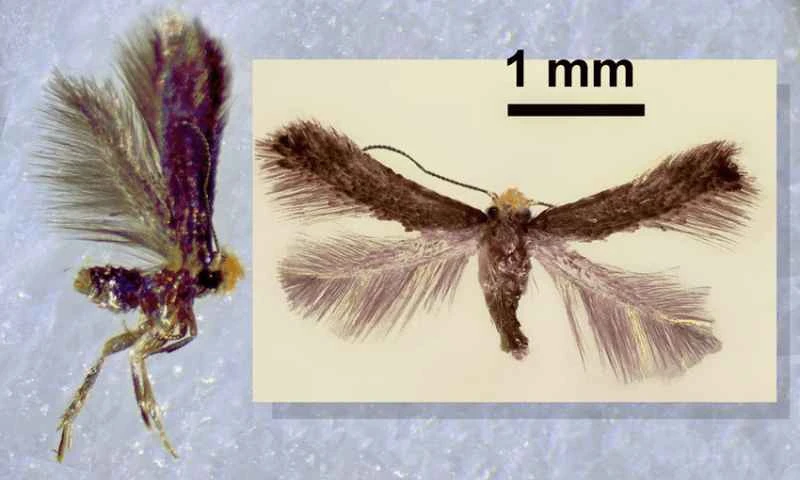
Although butterflies are generally associated with diurnal activity, while moths are typically nocturnal, they can be difficult to distinguish. However, they can be differentiated by their antennae—butterflies have antennae with a spherical tip, while moths do not. The smallest moths belong to the family Nepticulidae and are known as dwarf moths or miniature moths. Miniature moths have a wingspan of only 2.54 cm , while common moths typically have a wingspan of 22.86 cm . Their larvae feed on leaves, leaving distinctive patterns on the leaves as they feed.
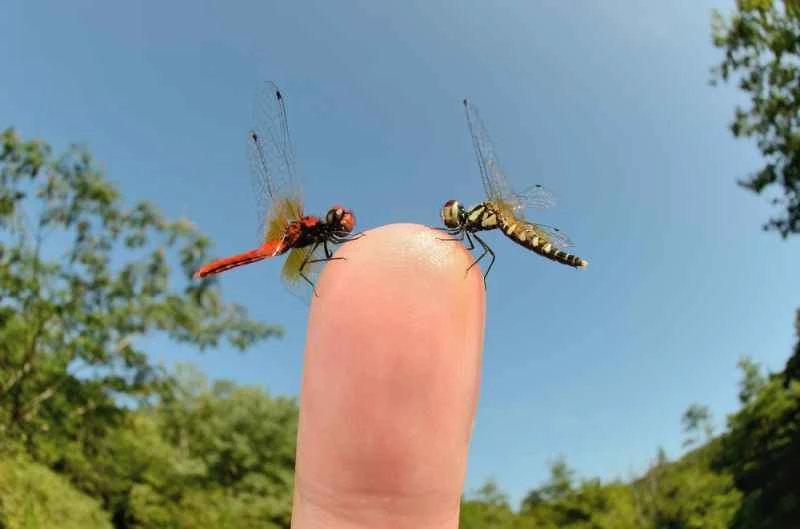
9. Scarlet Dwarf Dragonfly
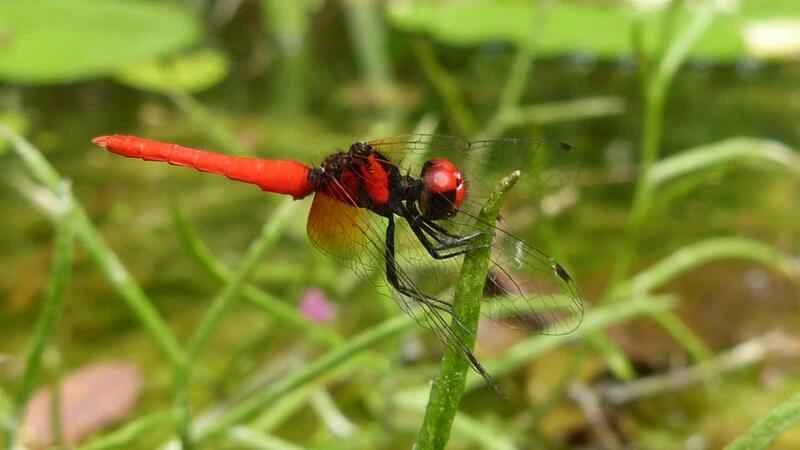
The scarlet pygmy dragonfly is a tiny species of dragonfly with a wingspan of less than 2.54 centimeters and a body length of only about 17 millimeters. They are native to Japan, China, and Southeast Asia, and can occasionally be found in Australia.
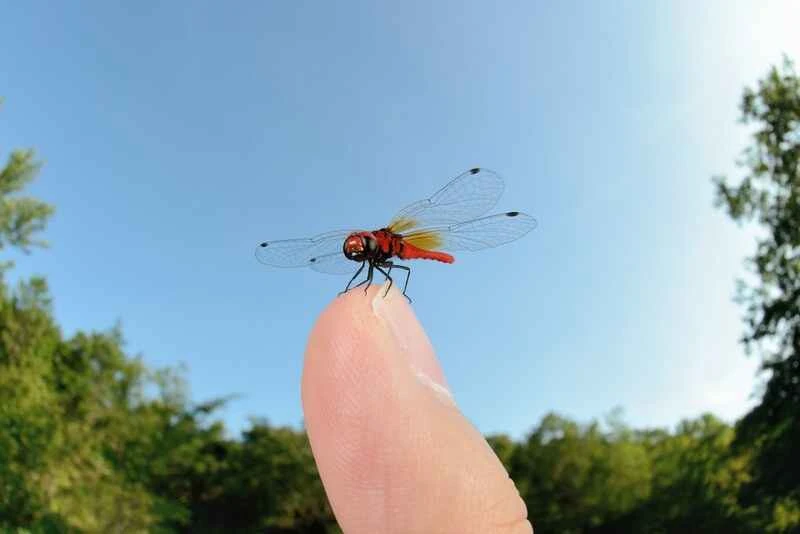
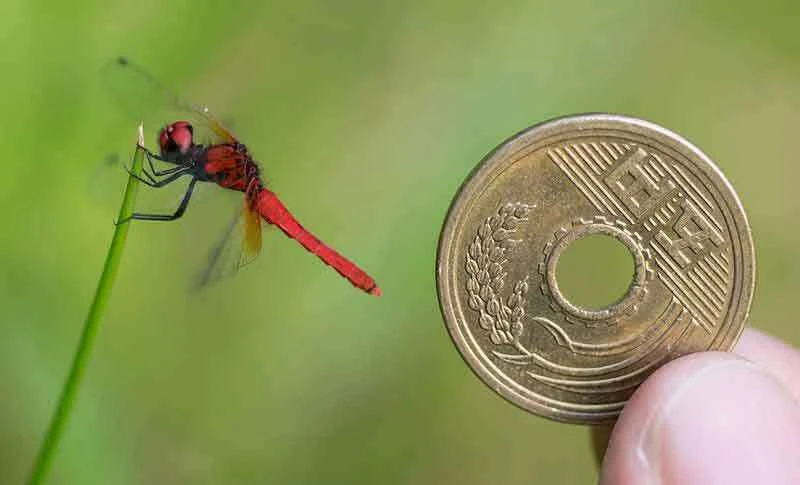
Despite its tiny size, it still shares many similarities with its larger relatives, even with the extinct Meganeopteryx , one of the largest known insects, with a wingspan of up to 71.12 centimeters, which lived during the Triassic period, approximately 300 million years ago. Like Meganeopteryx , the Scarlet Dwarf Dragonfly fed on other insects.
8. Western Pygmy Blue Butterfly
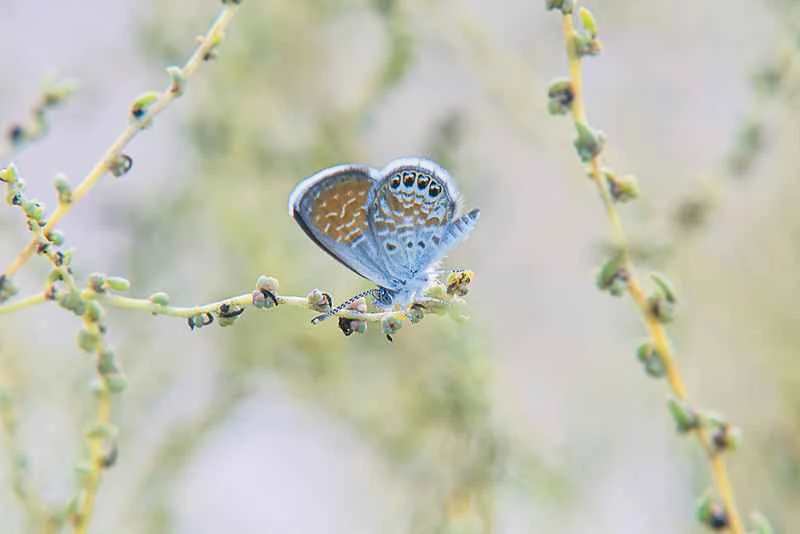
The Western Pygmy Blue Butterfly is one of the smallest lepidopteran insects, with a wingspan of only 1.27 cm. It is easily recognizable by the copper and dark blue markings at the base of its wings. This butterfly is found in North America, Hawaii, and parts of the Middle East.
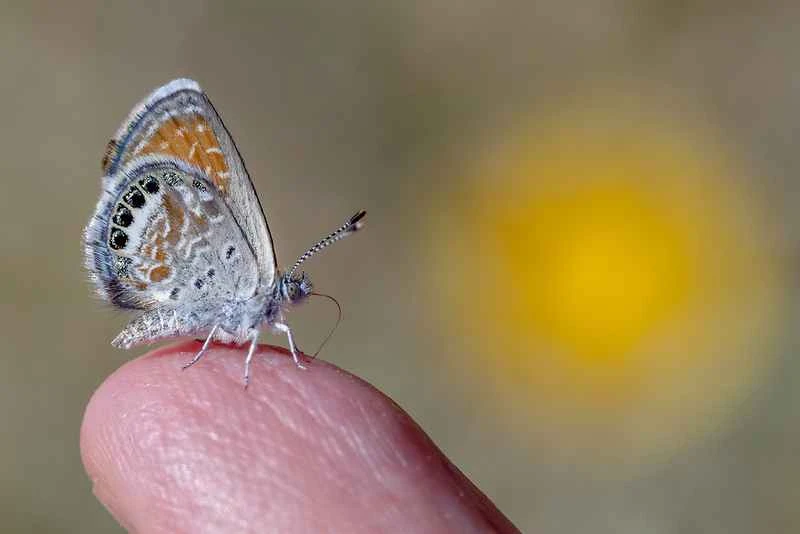
Butterflies have existed on Earth for over 200 million years. Fossil evidence suggests that their prehistoric ancestors danced among dinosaurs, even before pollen-rich flowers appeared on Earth. Despite mass extinctions and ice ages, butterflies have survived to this day, and their family comprises over 180,000 species.
7. Miniature Venomous Spider Scorpion (Microtityus Minimus Scorpion)
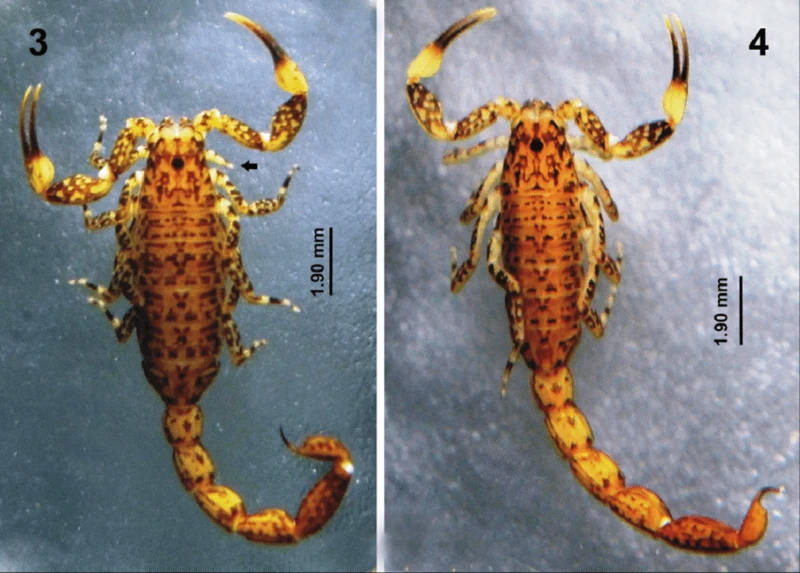
Venomous spider scorpions are often considered among the most dangerous insects because they are able to protect themselves from predators much larger than themselves, such as spiders. With venomous stingers, powerful chelicerae, and a hard exoskeleton, venomous spider scorpions have evolved over 430 million years.
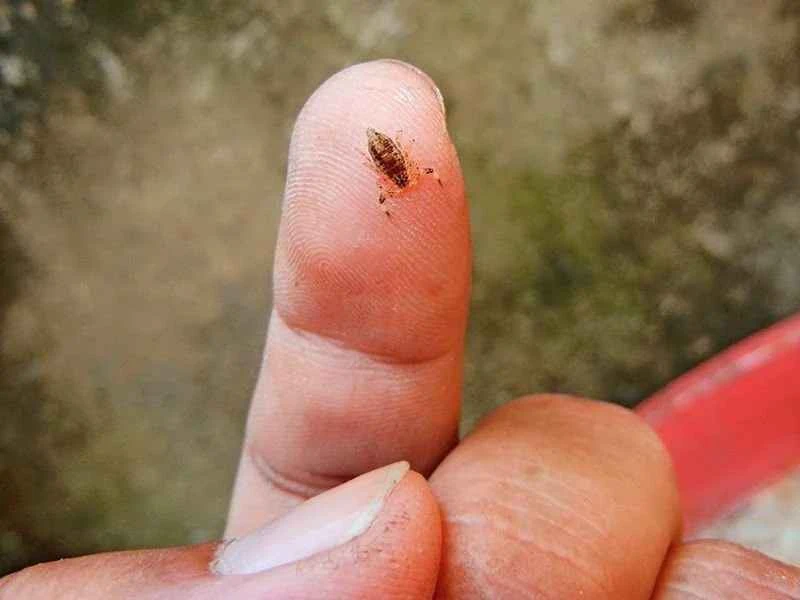
In 2014, researchers discovered the tiny venomous spider scorpion ( Microtityus minimus ) on the Greater Antilles in the Dominican Republic. This scorpion is considered the smallest scorpion in the world, measuring only 11 millimeters in length when fully mature. Its extremely small size makes its chelicerae and stinger appear neither frightening nor particularly cute. But don't be fooled by its size; this tiny scorpion is a very ferocious little creature!
6. Pygmaea Mantis
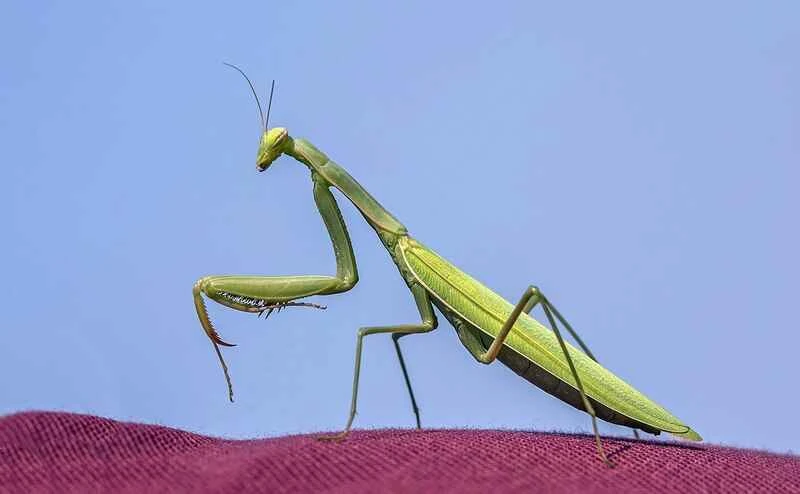
Praying mantises have a long history with humans, from being a supernatural symbol in ancient Greek and Egyptian cultures to inspiring Chinese poetry and two martial arts styles; they have always been a beloved pet for many.
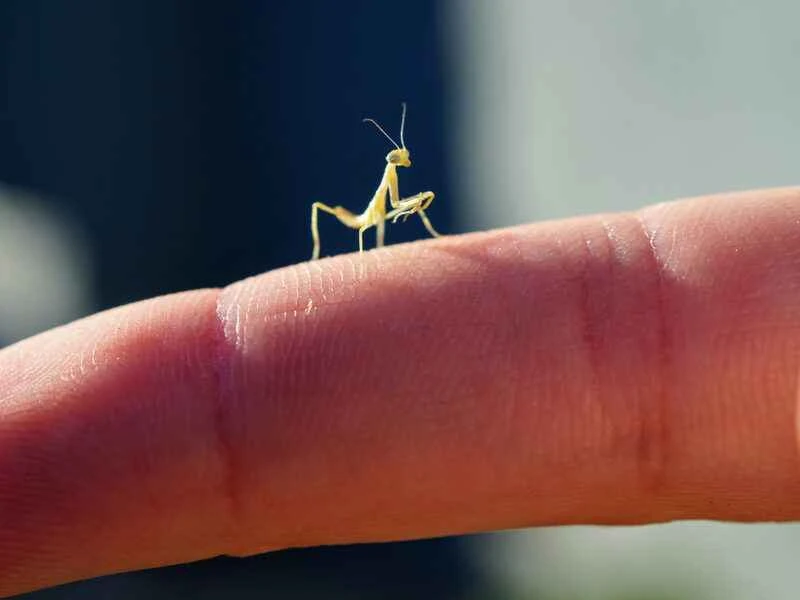
The order Mantises includes more than 2,000 species, some of which can reach 8.89 cm when standing upright. However, the smallest mantis species—the dwarf mantis ( Bolbe pygmaea )—is only 1 cm long (it is native to Australia).
5. Eranotaenia Iowii Mosquito
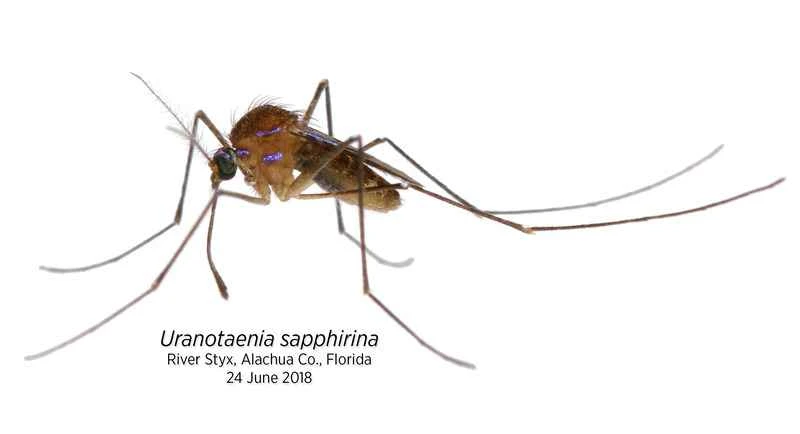
Mosquitoes are notorious for their itchy, painful bites. They can suck up to twice their own body weight in blood and use a special skill to fly in and out silently, making them exceptionally difficult to detect. This makes them particularly dangerous in some areas, as they are major culprits in spreading viruses and diseases.
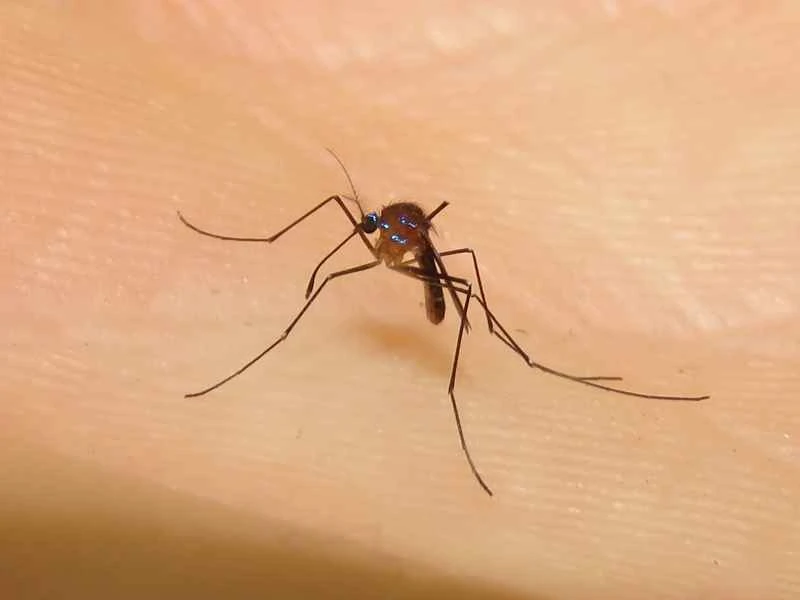
Now, let's introduce the smallest mosquito on Earth: the eosinophila ( Uranotaenia lowii ), also known as the light-footed eosinophila, which is only 2.5 millimeters long. Fortunately, it doesn't feed on human blood; instead, it uses its hearing to locate frogs and other amphibians for its blood. These tiny mosquitoes are native to the southern United States, from Texas to Florida, and even include North Carolina.
4. Patu Digua Spider
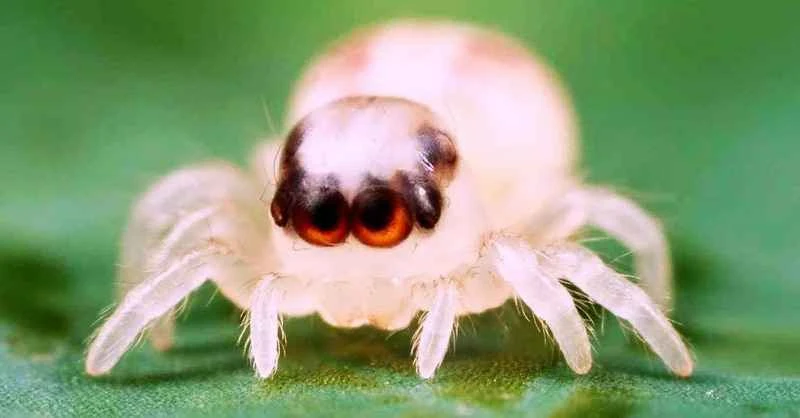
The Battudigua spider is one of the smallest spiders in the world, discovered in Colombia. It is less than 1/3 of a millimeter in size, even smaller than the tip of a pin! However, some people believe that there may be even smaller spiders.
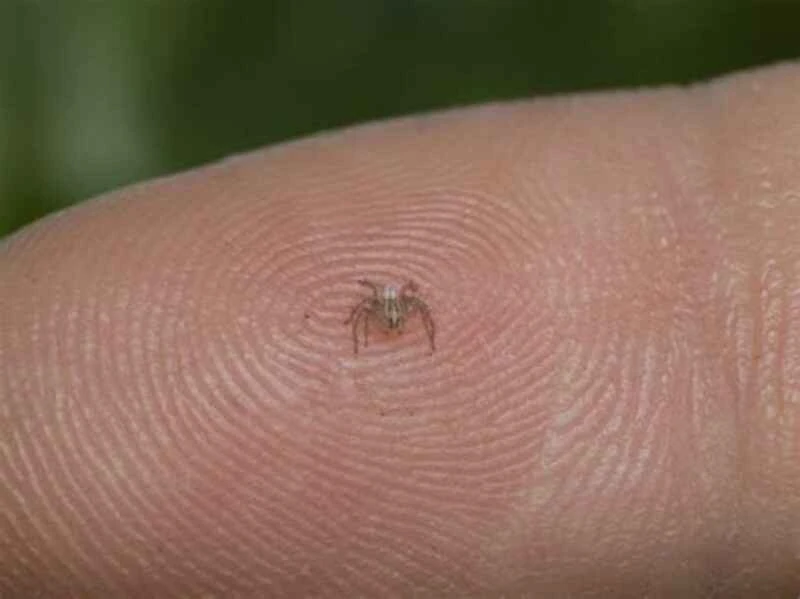
For example, female Anapistula caeculas from West Africa are only about 0.762 mm long, which may mean that the males are even smaller! Typically, male spiders are smaller than female spiders due to sexual dimorphism (i.e., the two sexes differ in appearance).
3. Nanaknihali fly (Euryplatea Nanaknihali Fly)
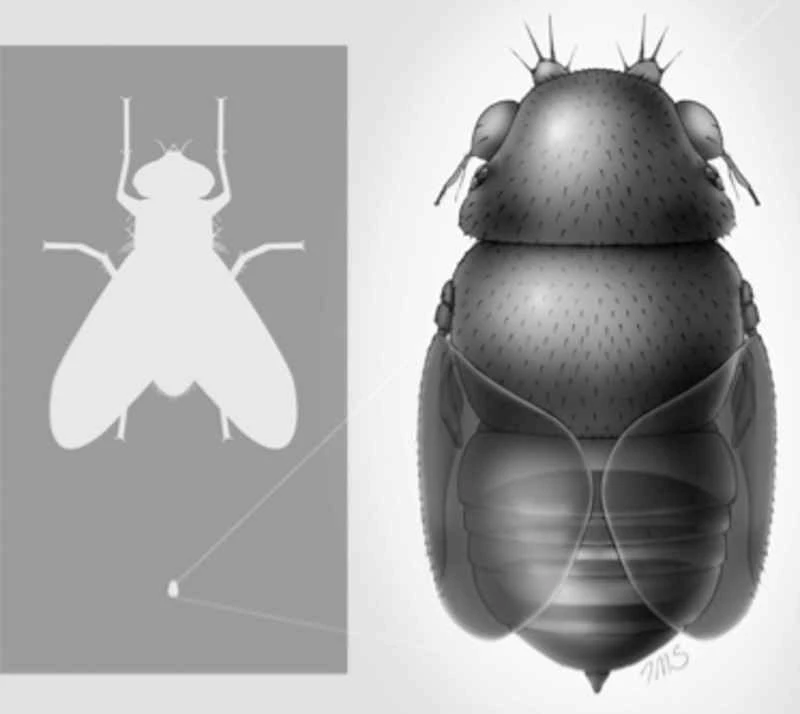
The Nanaknihali fly ( Euryplatea nanaknihali ) is the smallest known fly species, measuring only 0.5 mm or less in length.
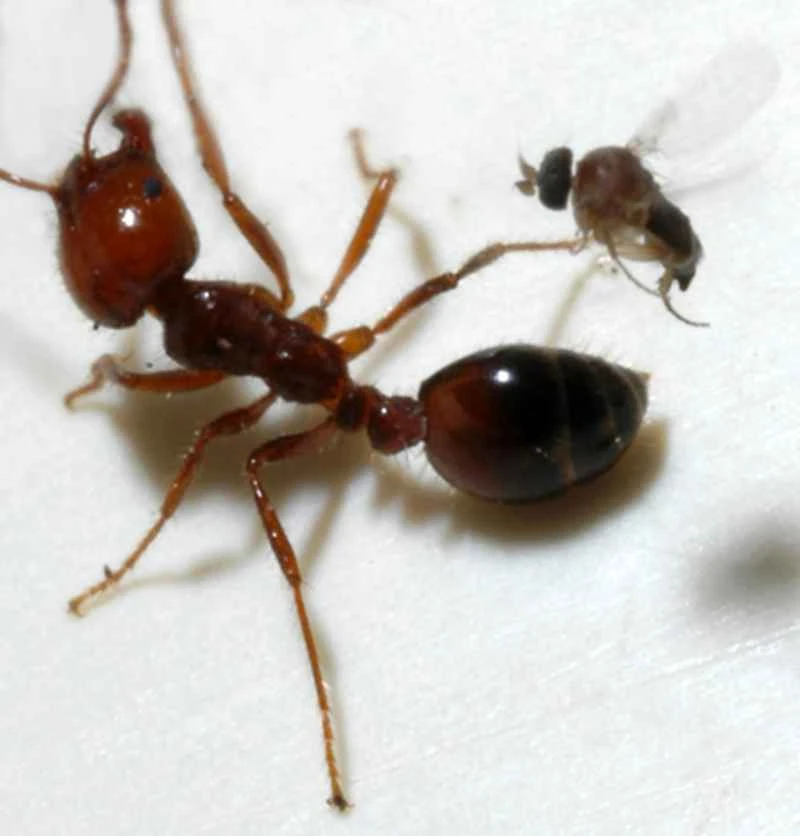
These tiny flies lay their eggs on the heads of ants, and the hatched larvae feed inside the ants, eventually causing their death. Although this process seems cruel, this reproductive method is not uncommon among mantis flies.
2. Mesawass beetle (Scydosella Musawasensis)
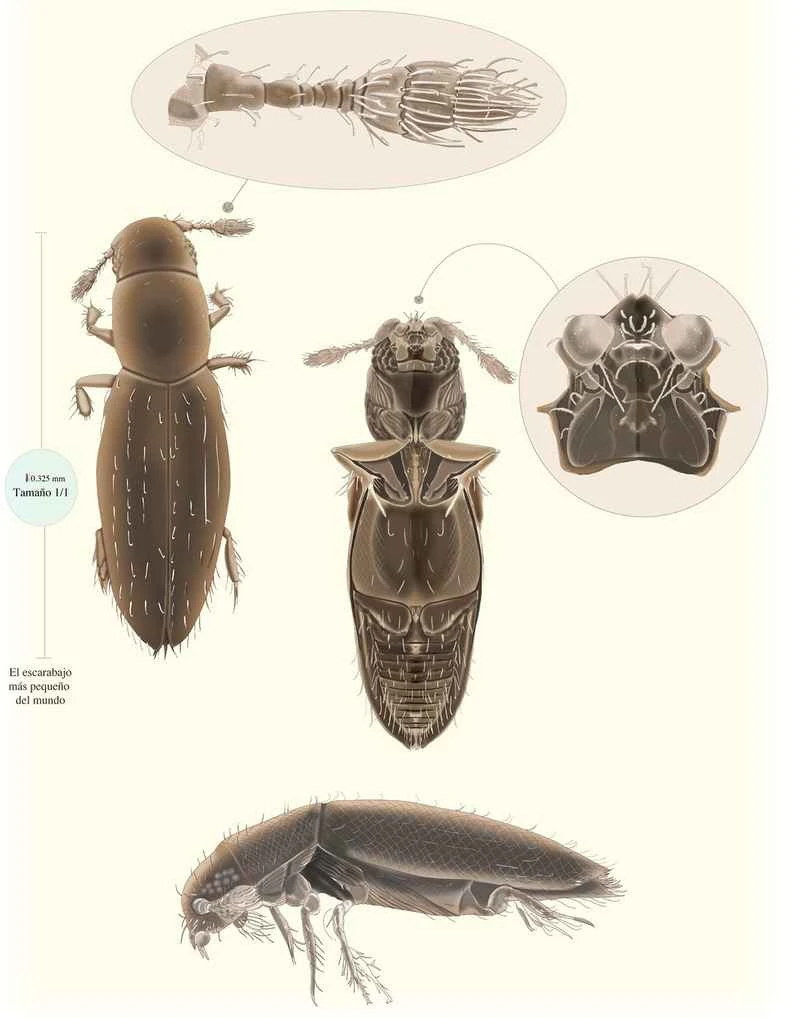
The musawasen beetle ( Scydosella musawasensis ) is one of the smallest beetles in the world. It belongs to the family Ptiliidae and is the only species in the genus Scydosella.
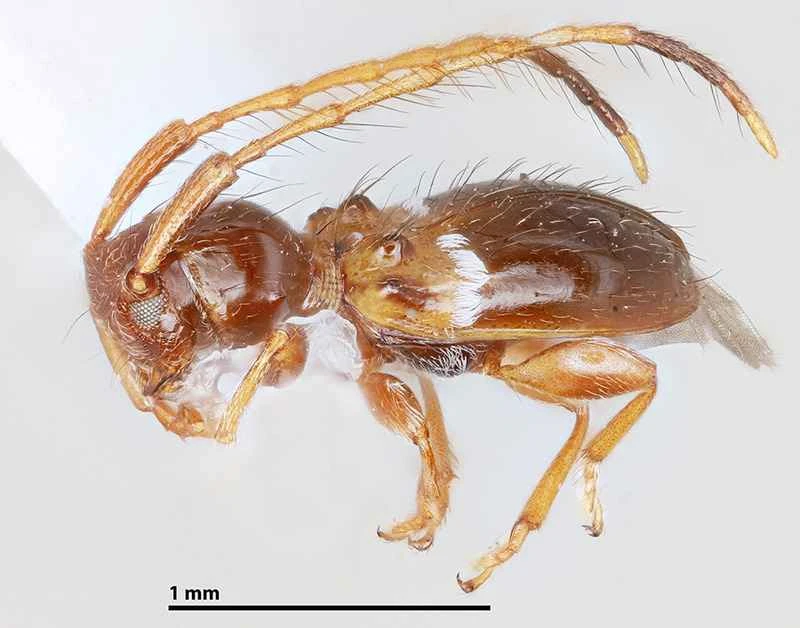
It has a slender, oval-shaped body; the smallest known individual is only 0.025 mm long, with an average length of 0.254 mm . It is not parasitic but feeds on the spores of Brazilian fungi. It was first discovered in Nicaragua and later in Colombia.
1. Fairyfly Wasp
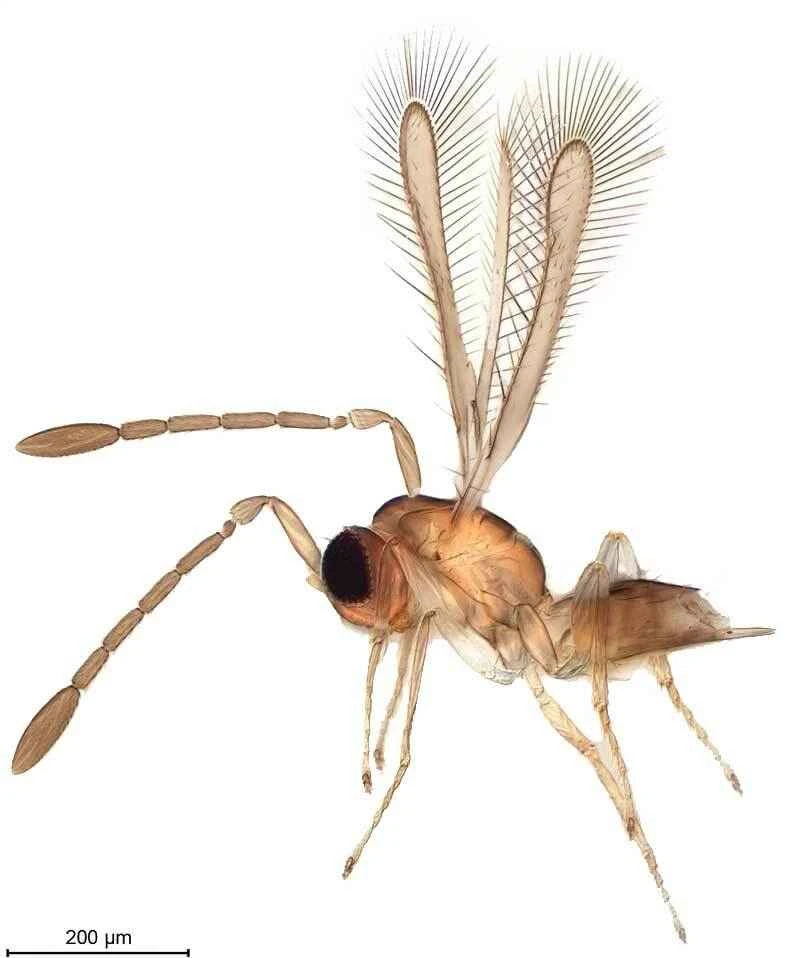
The fairy fly wasp ( Dicopomorpha echmepterygis ) is the smallest insect in the world, measuring only 0.139 millimeters in length. This parasitic wasp belongs to the order Hymenoptera, which includes ants, sawflies, bees, and wasps. They are found in a variety of habitats around the world, from humid rainforests to arid deserts.
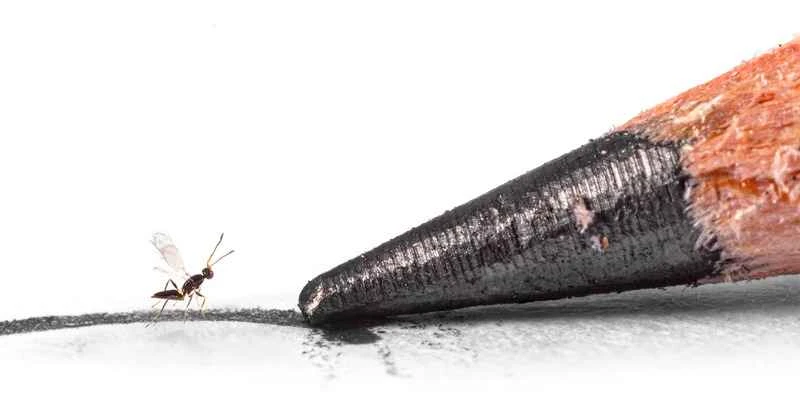
The smallest species of fairy fly wasp, * Dicopomorpha echmepterygis* , measures only 0.139 millimeters in length. If you think paramecia are small, this parasitic wasp will definitely surprise you! These tiny insects have no wings or eyes, only two extremely small antennae. In their larval stage, they eat the eggs of other insects from the inside. If you want to see this insect, you'll need to travel to places like Costa Rica, Hawaii, or Trinidad.