Like many plants and animals, mammals also face a serious threat of extinction.
Due to their size, appearance, and special status in culture, some mammals have long been symbols of global biodiversity conservation, such as giant pandas, polar bears, koalas , and large felines living in Asia, Africa, and the Americas.
This article will introduce some representative endangered mammal species and analyze the main reasons for their endangerment.
The Mammal Dilemma
Mammals have existed on Earth for over 200 million years and have successfully survived at least two global mass extinction events. However, the greatest threat they face today comes from human activities .
Scientists worry that if ecological destruction continues, only a handful of mammal species may survive on Earth in millions of years.
Endangered large cats
Large cats are not only apex predators in their respective ecosystems, but also key species in maintaining the balance of nature. However, they are facing multiple threats, including habitat loss, illegal hunting, and human activities.
White Tiger
The white tiger is not a separate species, but a rare coloration of the Bengal tiger ( Panthera tigris tigris ), with white fur and light brown stripes.
There are fewer than 200 white tigers left in the world, and most of them live in captivity such as zoos.
White tigers are extremely rare in the wild. The first recorded capture of a white tiger dates back to 1951 .
Habitat shrinkage, prey depletion, and human activity have brought wild white tigers to the brink of extinction.
Jaguar
The jaguar ( Panthera onca ) is the largest cat species in the Americas , with a range extending from Mexico to northern Argentina.
As apex predators, jaguars require vast and intact forests and wetlands as their habitat.
Deforestation, wetland degradation, and conflict between humans and jaguars have led to a significant decline in their population over the past few decades.
Iberian Lynx
The Iberian lynx ( Lynx pardinus ) was once one of the world's most endangered feline species.
They are mainly distributed in limited areas of Spain and Portugal.
Due to habitat fragmentation, declining prey numbers (such as rabbits), and poaching, its population was once on the verge of extinction.
Thanks to protective measures by the Spanish government and international organizations, the numbers are slowly recovering, but remain fragile.
Iconic endangered mammal
Besides large cats, many mammals also face survival crises, and they have become "flagship species" for global ecological conservation.
koala
The koala ( Phascolarctos cinereus ) is an iconic animal of Australia.
Their main food source is eucalyptus leaves, so they are highly dependent on eucalyptus forest ecosystems .
Deforestation, frequent wildfires, and climate change have led to a decrease in the distribution of eucalyptus trees, causing koalas to shrink their habitat.
In the past, koalas were also illegally hunted due to the fur trade, but now their main threats come from habitat loss and drought.

Giant panda
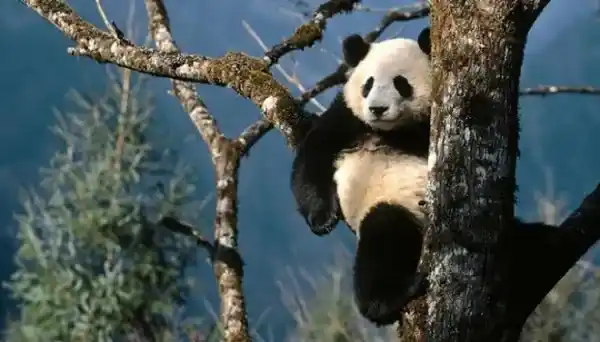
The giant panda ( Ailuropoda melanoleuca ) was once the world's most famous endangered animal.
At the end of the 20th century, the number of wild giant pandas was less than 1,000 , and they were only distributed in bamboo forests in mountainous areas of Sichuan and Shaanxi provinces in China.
In recent years, thanks to the establishment of nature reserves and artificial breeding, the number of giant pandas has gradually rebounded, but they remain highly sensitive to habitat changes.
polar bear
Polar bears ( Ursus maritimus ) are a "weathervane" species for climate change.
They rely on Arctic sea ice to hunt seals, but global warming has led to a significant reduction in sea ice, posing a great threat to their foraging, reproduction, and survival.
Historically, they suffered from rampant hunting. Although they have been protected by international conventions in recent years, climate change remains their greatest crisis for survival.
lemur
Lemurs are primates endemic to Madagascar .
Due to deforestation, more than 90% of the island's original forests have disappeared .
Meanwhile, hunting, the illegal pet trade, and climate change have further exacerbated the decline in lemur numbers.
Many lemur species have been listed as critically endangered or endangered.
Other endangered mammals
Besides the species mentioned above, many other important mammals face similar crises, such as:
African and Asian elephants : Their numbers have plummeted due to the ivory trade and habitat loss.
Black and white rhinoceroses : endangered due to illegal poaching of their horns.
Blue whales, North Atlantic right whales, and other whale species are threatened by whaling history, marine pollution, and ship collisions.
Primates such as gibbons and orangutans are severely affected by deforestation and illegal trade.
Why protecting mammals is so important
Mammals play a crucial role in the ecosystem:
Large carnivores maintain the balance of the food chain;
Herbivores promote vegetation renewal and ecological cycles;
Some species (such as bats and primates) are also important pollinators and seed dispersers.
If these species are lost, the ecosystem will lose its balance, and the chain reaction will affect the environment on which humans depend for survival.
Measures to protect endangered mammals
Strengthen habitat protection and restoration
Establish and expand nature reserves and ecological corridors
Preventing deforestation and wetland degradation
Restoring degraded ecosystems
Combating illegal hunting and wildlife trade
Strict law enforcement and enhanced international cooperation
Raise public awareness and reduce demand for wildlife products and pets.
Addressing climate change
Promote carbon reduction measures to reduce the threat of global warming to polar and alpine species.
Support scientific research and artificial breeding
Using satellite tracking and DNA testing to monitor populations
Projects to promote the breeding and reintroduction of endangered species
Community participation and environmental education
Encourage local residents to participate in conservation efforts
Ecotourism can generate sustainable income and reduce hunting pressure on wildlife.
In conclusion: Protecting mammals is protecting the future of our planet.
From giant pandas to polar bears, from jaguars to lemurs, endangered mammals are not only treasures of nature, but also guardians of the balance of the Earth's ecosystem and biodiversity .
Their decline often signifies a break in the food chain and directly impacts the sustainable development of human society.
Saving these species is not only about protecting these adorable animals, but also about protecting our shared home, Earth .
Only through global collaboration, habitat protection, combating illicit trade, and proactive measures to address climate change can we secure a safer and more sustainable future for these mammals.