In nature, there are many animals that look alike, making them easy to confuse, especially insects. Bees, wasps, and hornets are typical examples. They share similarities in appearance, habits, and ecological functions, but also have distinct differences. Many people worry about being stung when these small flying insects buzz close by, but in fact, they don't attack humans without reason. They usually only act when they feel threatened or defend their hive.
If you want to understand the differences between these three types of insects, I will explain them to you in detail below from four aspects: appearance, stinger, social structure, and dietary habits.
I. Physical differences between bees, wasps, and hornets
Although they are all Hymenoptera insects, their appearances differ significantly:
color :
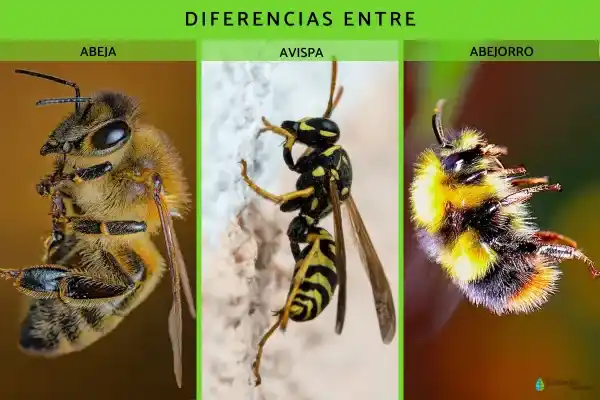
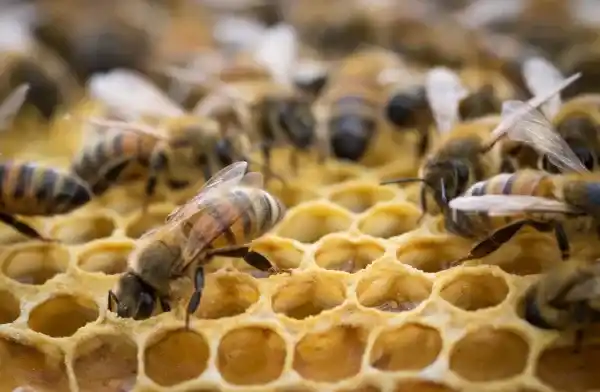
Bees: Their body color is usually brown and yellow, and their bodies are covered with fine hairs.
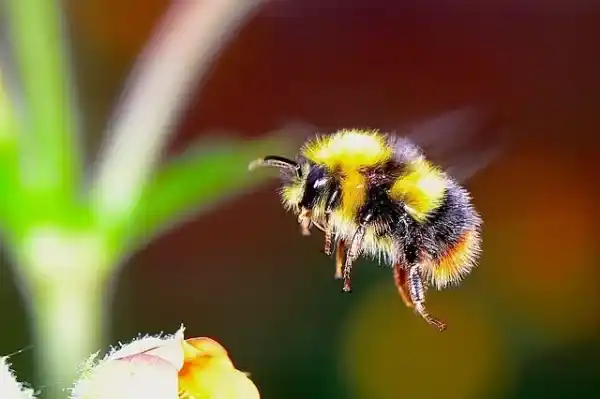
Bumblebees: They have more hair, and their body color is mainly black and brown, interspersed with yellow, orange or white stripes, making them look fluffy.
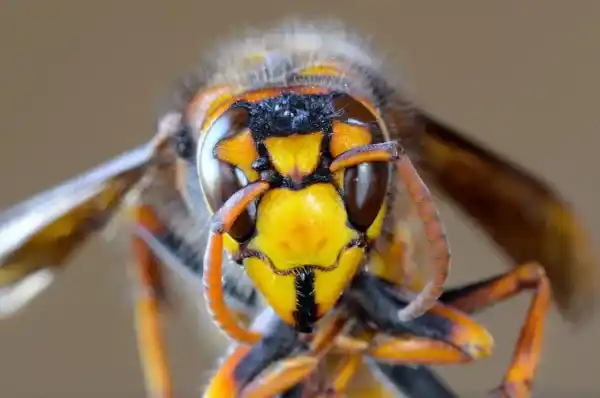
Wasps: Their bodies are mainly black or dark brown with bright yellow stripes, and they have almost no hair, giving them a smooth appearance.
Hair quantity : Both bees and bumblebees have obvious hair, which is helpful for collecting pollen; bumblebees have more hair, which is adapted to cold and damp environments; wasps are basically hairless.
Size :
Honeybees: Generally around 15 mm, queen bees can reach 20 mm.
Bumblebees: Usually about 20 mm, but some species can be larger.
Wasps: Variations are significant, ranging from as small as 10 mm to as large as 35 mm (such as hornets).
Stinger structure :
Bees: Their stingers have barbs that can penetrate the skin and become impossible to remove, leading to the bee's death after being attacked.
Bumblebee: The stinger is relatively thick and hard, but it does not involve the internal organs, and can be used multiple times after stinging.
Wasps: Their stingers are smooth, reusable, and flexible, making them more aggressive.
Venom composition : Bee and bumblebee venom is acidic, while wasp venom is alkaline.
II. Differences in Biting Methods and Aggression
Buzzing sound : Because of their large size and low wingbeat frequency, bumblebees have a deeper and louder flight sound; bees have a softer buzzing sound; and the buzzing sound of large bumblebees is also very piercing.
Aggressiveness :
Wasps are the most aggressive species, often using bites and stings for defense or prey.
Bees typically only sting when their hive is threatened.
Bumblebees are generally mild-mannered and rarely attack humans unless provoked.
The result of being bitten :
Bees: die after being stung once.
Bumblebees and wasps: can sting multiple times.
Poisoning reactions : Treatment methods vary depending on the composition of the venom. Bee/bumblebee stings (acidic venom) can be neutralized with alkaline substances; wasp stings (alkaline venom) require relief with weakly acidic substances.
III. Group and Social Differences
Honeybees and bumblebees : Both are social or semi-social insects that rely on the queen bee to reproduce. Honeybees produce honey, while bumblebees, although they build nests, do not produce honey.
Wasps : Some species live in groups, while others live alone. They mostly build their nests with pulp or mud, rather than beeswax.
Ecological role :
Honeybees and bumblebees are important pollinators, crucial for plant reproduction and ecosystems. Bumblebees, in particular, are more efficient than honeybees because they are more cold-hardy and can pollinate continuously in a wider range of environments.
Wasps are predators, primarily capturing other insects as food or as hosts for their larvae, playing an important role in maintaining the balance of insect populations.
IV. Differences in Dietary Habits
Honeybees and bumblebees : They mainly rely on nectar for food, using their long mouthparts (proboscis) to collect pollen and nectar.
Wasps : They are omnivorous, preying on insects as well as nectar and fruit. Some species are parasitic in their larval stage, with adults laying their eggs inside other insects, and the larvae absorbing nutrients from the host to grow.
Summarize
Although bees, hornets, and wasps look similar, they are distinctly different in appearance, stinger structure, social behavior, and diet .
Bees: They have many hairs, are diligent pollinators, produce honey, and die after being stung.
Bumblebees: They have more hair, are highly adaptable, have excellent pollination abilities, and are relatively mild-mannered.
Wasps: With bright colors and little hair, they are more aggressive and have a wider diet, making them "hunters" in nature.
Understanding them correctly can not only reduce our misunderstandings and fears about these insects, but also help us understand their irreplaceable role in the ecosystem.