Turtles are a type of reptile, belonging to the order Testudines. Here are some key characteristics of turtles:
1. Appearance characteristics:
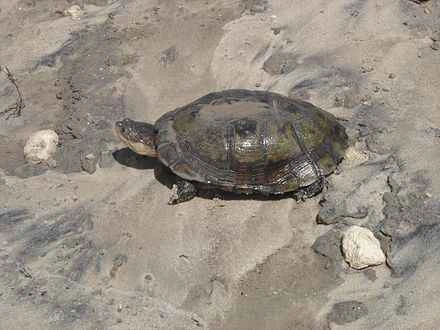
Shell: The main characteristic of turtles is their hard shell, which is their protective armor. The shell is usually round or oval and consists of a carapace (back shell) and a plastron (ventral shell).
Limbs: Turtles have four limbs, usually claw-like, which are suitable for walking on land. Some species of turtles have webbed feet, which are suitable for swimming in water.
2. Dietary habits:
Diet: The diet of turtles varies depending on the species, but they are generally omnivorous, eating grass, leaves, aquatic plants, aquatic animals, and insects.
3. Lifespan:
Long lifespan: Turtles are long-lived animals, with some large turtle species living for hundreds of years.
4. Habitat:
Land and water: Turtles usually live near water, but some species also live in dry areas such as deserts or grasslands.
5. Activities and living habits:
Hibernation: Some turtles hibernate during the cold winter months, while other tropical species do not.
Reclusiveness: When threatened, turtles usually retract their limbs and head into their shells to protect themselves.
6. Special species:
Sea turtles: Sea turtles are a type of tortoise that live in the ocean and need to come ashore to lay their eggs. They are one of the world's most endangered species.
Tortoises: Tortoises are turtles that primarily live on land.
7. Reproduction and protection:
Reproduction: Turtles are oviparous animals, and most species of turtles do not raise their young after laying eggs; the young turtles must survive on their own.
Conservation: Due to human activities, habitat loss and illegal fishing, many turtle species are facing extinction, prompting large-scale turtle conservation efforts around the world.
In general, turtles are a very ancient group of animals, characterized by longevity, diverse habitats, diverse diets, and protective instincts against external threats. However, due to the impact of human activities, many turtle populations are facing serious threats to their survival, making turtle conservation an urgent priority.