Share this
What animals eat spiders? — Understanding spiders' natural enemies and predators

What animals eat spiders? — Understanding spiders' natural enemies and predators

2026-01-19 14:43:59 · · #1

What animals eat spiders? — Understanding spiders' natural enemies and predators

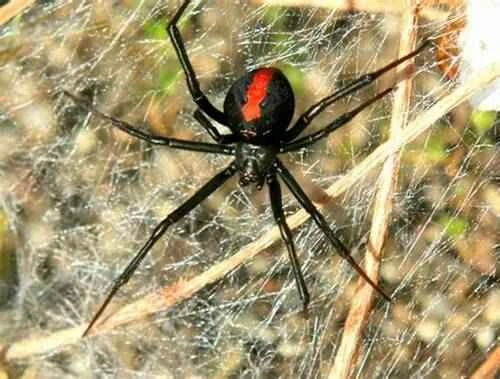
Spiders are found all over the world and are important predators, typically feeding on small insects. However, spiders also have many natural enemies, serving as a food source for many animals. Understanding which animals eat spiders not only helps us understand the food chain in nature but also provides a better understanding of spiders' place in the ecosystem.
1caa3dd1d4f3a7e63d06875371613cbc (1).jpeg

Common animals that eat spiders

  1. birds

    • Birds are among the most common predators of spiders. Many birds, such as sparrows , swallows , and woodpeckers , prey on spiders as part of their diet. Birds, with their keen eyesight and flying ability, are able to quickly spot and catch spiders.

    • Hummingbirds : Although hummingbirds mainly feed on nectar, they occasionally eat small spiders to obtain extra protein.

  2. Amphibians

    • Frogs and toads : Frogs and toads are typical spider predators. They inhabit damp environments and prey on spiders that are active on the ground or weaving webs in low places.

    • Salamanders : Salamanders also eat spiders, especially those they encounter in their habitat.

  3. Reptiles

    • Lizards : Many lizards, including geckos and chameleons, prey on spiders. Lizards are excellent hunters, capable of moving quickly and catching spiders with their tongues or mouths.

    • Snakes : Although snakes primarily prey on small mammals and birds, some small snakes also prey on spiders.

  4. mammal

    • Rats and other small rodents : In nature, rats occasionally prey on spiders, especially when the spiders appear in their foraging path.

    • Hedgehogs are omnivorous animals, and their diet includes various insects and spiders.

    • Bats : Some species of bats prey on flying spiders, especially those that use webs to catch insects.

  5. Other insects

    • Wasps : Some species of wasps, especially mud wasps and tarantula wasps, specialize in hunting spiders. They typically sting the spiders and carry them back to their nests to feed their larvae. Mud wasps may even paralyze spiders, making them a live food source for their larvae.

    • Ants : Some ant species prey on spiders, especially when they encounter injured or web-weaving spiders on the ground.

  6. Other spiders

    • Predation among spiders : Some spiders prey on other spiders, especially more carnivorous species such as jumping spiders and wolf spiders. Spider predation sometimes includes capturing other spider species smaller than themselves.

How do different animals hunt spiders?

  • Birds' hunting methods : Birds typically search for spider webs in trees or bushes and then quickly peck at the captured spiders. Some birds will even take the spiders directly from the web.

  • Insect hunting methods : Wasps usually paralyze spiders with venom and then carry them back to their nests, while ants capture and decompose spiders as food through collective cooperation.

  • Mammal hunting methods : Mammals like mice and bats hunt spiders at night when they are active, using their keen senses to quickly locate and capture them.

Spider's defense mechanism

Although spiders have many natural enemies, they have also developed a variety of defense mechanisms. Here are some common spider defense methods:

  1. Camouflage and stealth : Many spiders rely on their appearance to blend into their environment to avoid being detected by predators. For example, mantis spiders and flower spiders often use colors similar to the flowers or leaves they inhabit to conceal themselves.

  2. Venom : Spider venom is used not only for hunting but also for self-defense when attacked. Some predators may abandon their attack after being stung by a spider.

  3. Quick escape : Spiders have the ability to move quickly, and when they feel threatened, they will quickly escape to a safe area to avoid being captured.

  4. Advantages of web weaving : Spider webs are not only tools for hunting, but also their defense system. When predators approach, spiders can sense the vibration of the web and thus quickly escape or hide.

Spiders are highly efficient predators, but they also face many natural enemies. Birds, amphibians, reptiles, mammals, and even other insects prey on spiders. These predators capture and consume spiders in various ways, making spiders an important link in the food chain of the ecosystem. Understanding these predator-prey relationships helps us better understand the complex ecological balance in nature.

Frequently Asked Questions

  • Why do wasps prey on spiders? Some wasps, such as mud wasps, capture spiders to feed their larvae. They paralyze the spiders, turning them into a live food source for their larvae.

  • Can spiders defend themselves against predators? Yes, spiders defend themselves by using camouflage, venom, and quick escape to avoid becoming prey.

  • Which animals rely on spiders as their primary food source? For example, the brown tarantula wasp is a wasp that specializes in preying on tarantulas, while some birds and frogs depend on spiders for their food.



Which spiders do humans eat? — Common edible spiders and cooking methods

In some cultures around the world, spiders are considered a delicacy, particularly in parts of Southeast Asia, South America, and Africa. While people may feel uncomfortable eating spiders in many places, they are an important and popular part of local cuisine in some regions.

Common edible spider species

  1. Thai giant spider

    • Region of consumption : Thailand

    • Characteristics : Thai giant spiders (such as the Thai edible tarantula) are large in size, meaty, and easy to cook. Their legs contain a lot of meat, which is considered delicious by locals.

  2. Tarantulas in Cambodia

    • Consumed in : Cambodia, particularly Kratie Province

    • Features : Cambodian tarantulas are among the most famous edible spiders. These spiders typically live in tropical forests and are considered a delicacy by locals. Their bodies are rich in protein and have a unique flavor, often sold by street vendors.

  3. Tarantula, South America

    • Consumed in : Venezuela, Peru, and parts of Brazil

    • Features : The tarantula, found in South America, is the largest spider in the world and is often hunted by the indigenous people of the Amazon region. Its legs and abdomen are rich in protein, making them delicious; after cooking, they are crispy on the outside and tender on the inside.

  4. Giant spiders in Africa

    • Consumed in : Central African countries such as Congo and Angola

    • Features : Some giant spiders in Central Africa are considered a local delicacy and are often eaten with other ingredients, resulting in a unique flavor and rich nutrition.

How to cook spiders

While cooking methods for spiders may vary from region to region, here are some common ways to cook spiders:

  1. Fried Spider

    • step :

    • Features : Deep-fried spiders are the most common way to prepare spiders in Cambodia, especially tarantulas. The fried spiders are crispy on the outside and tender on the inside, with a hint of nutty flavor, making them a favorite among locals and tourists alike.

    1. First, remove the spider's fangs and internal organs, leaving its legs and abdomen intact.

    2. Deep-fry the spiders in hot oil until golden brown and crispy.

    3. Fried spiders are usually eaten with condiments such as garlic, chili, and lemon juice, resulting in a crispy exterior and tender interior with a delicious flavor.

  2. Grilled Spider

    • step :

    • Features : Grilled spiders are typically used in Tarantula, South America. The grilled spider meat is tender and has a flavor somewhere between shrimp and chicken.

    1. Clean the spider, removing its venom glands and internal organs.

    2. Spiders are marinated with spices such as salt, chili powder, and cumin.

    3. Roast the spider over a fire until its exoskeleton hardens and turns golden brown.

    4. Roasted spiders can be eaten with side dishes such as rice and potatoes.

  3. Spider soup

    • step :

    • Features : This cooking method is common in parts of Asia. The spider meat becomes more tender after stewing, making it suitable for those who do not like fried food.

    1. Remove the spider's internal organs and fangs, wash it clean, and then boil it in water.

    2. Add onions, ginger, garlic and other seasonings and simmer until the spider is tender.

    3. Spider soup has a rich flavor and is usually served with rice or noodles.

  4. Grilled Spider Skewers

    • step :

    • Features : This method is often used in street food stalls. The spider's legs are very crispy, while the abdomen is relatively soft and tender, resulting in a delicious flavor.

    1. Remove the spider's internal organs, wash it, skewer it, and grill it like a barbecue.

    2. You can brush it with honey, soy sauce or other seasonings while baking to make it more flavorful.

Nutritional value of eating spiders

  • High in protein : Spiders are rich in protein and are an important protein source in many regions, especially in areas with limited resources, where they are a good alternative to meat.

  • Low in fat : Spiders have a low fat content, making them suitable for those on a low-fat diet.

  • Rich in trace elements : Spiders contain trace elements such as iron and zinc, which help the body's immune system and metabolism.

While eating spiders is uncommon in many parts of the world, they are an important food source in some cultures. These spiders are not only delicious and rich in protein, but they can also be cooked in a variety of ways, including frying, grilling, barbecuing, and making soup. Whether for the sake of experiencing exotic flavors or for those seeking a high-protein, low-fat healthy diet, eating spiders is a unique and adventurous choice.

Frequently Asked Questions

  • Is it safe to eat spiders? Yes, but before eating them, you must remove the spider's venom glands and internal organs, and wash it thoroughly before consuming it.

  • What does a spider taste like? The taste of a spider varies depending on the species and cooking method, but it is generally described as having a nutty or crab-like flavor with a tender texture.

  • Where can you eat spiders? Eating spiders is common in Cambodia, Thailand, parts of South America, and some African countries; this delicacy can be found in many markets and street stalls.


Read next

33 Endangered Fish Species: Name, Characteristics, Distribution and Major Threats (Publishable Version, including scientific names)

Overfishing, habitat destruction, climate change, and pollution are pushing many marine and freshwater fish species to ...

Articles 2026-01-12