If you're a cat parent, you've probably heard your furry friend make all sorts of different meows. You might have noticed that they're especially loud when you're preparing food, or softer and gentler when they're getting ready for a nap. You can sense that your cat is trying to communicate and express their emotions through meows, and you might want to understand them better. Here, we discuss whether cats cry and what the different sounds they make mean.
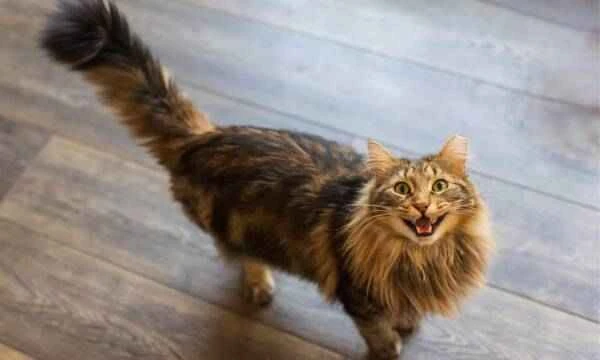
A long-haired brown tabby cat stood on the hardwood floor and meowed.
The meows and other sounds a cat makes can mean many different things.
1. Do cats cry?
As humans, we often shed tears because of things that trouble us, whether it's pain, sadness, or anger. However, cats typically don't cry with their eyes; they cry with their voices. If you hear your cat emitting a low, long meow and notice other behavioral changes, these could be ways they express physical or emotional pain.
Understanding the different ways cats meow and what they mean can help you better understand them. The closer you become to them this way, the more intimate you feel, and the easier it will be for you to notice if they are feeling unwell.
Howling or whining can indicate that your cat is stressed, lost, or worried. If you hear your cat making this unusual sound in the hallway, be sure to check it out. They might just be wondering where you are!
2. What do different cat meows mean?
Just like human language, the tone, volume, and type of vocalizations a cat makes can be its way of communicating different things. Let's explore some of the most common sounds our feline friends make and the possible meanings behind them.
hissing and roaring
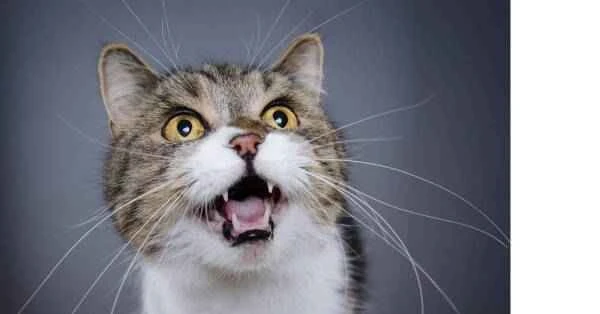
When your cat starts making low growls or loud hissing noises, it's easy to tell their mood, and they're not exactly enthusiastic. Cats usually growl or hiss when they're unhappy about something. This could be a person, another cat, another animal, or even someone you've put in the bathtub. These sounds can indicate that the cat is very angry or anxious, and it's important to avoid getting too close to it in this state if possible. Even if you haven't done anything wrong, they might quickly become aggressive towards you.
vibrato or chatter
Have you noticed your cat making a "brrr" sound at you with its mouth barely open? These chirping or trilling sounds are learned by kittens from their mothers! Mother cats often use this sound to get their babies' attention when they walk around together. So, when your cat trills at you, it could be their way of expressing a desire for your attention or being happy to see you. How sweet is that? Cats can also chirp with each other. This sound usually indicates that your cat is happy and positive.
chatter
Chattering (also known as squeaking) refers to a cat making a chattering sound while rapidly chattering its teeth. If you've never seen this before, you might be worried. However, in most cases, there's no need to worry when you see this common behavior in your feline. Cats start chattering their teeth when they have a strong hunting instinct, just like they do in the wild. For indoor cats, this behavior is easily triggered by seeing birds flying outside the window or even one of their favorite toys. This sound may indicate that your cat is frustrated and/or excited to see an opportunity to use its hunting instincts.
3. Contact them
Cat lovers always want their cats to be healthy and happy, and they also want to understand them better. These are the most common meanings behind typical cat sounds, but as always, if you feel something else is happening, be sure to consult a professional veterinarian.
Continue to connect with your cat by playing with them, giving them their favorite treats, and spending time with them. This will help you better understand their personality and emotions.