Arthropods are one of the largest and most diverse phyla of animals on Earth. Their common characteristics include an exoskeleton, segmented bodies and appendages, and one or more pairs of compound eyes. Arthropods include insects, arachnids (spiders, etc.), crustaceans (crabs and shrimp), and myriapods (millipedes, etc.). Below are some of the main characteristics and classifications of arthropods:
Main features
Exoskeleton : The body surface of arthropods is covered by a hard exoskeleton made of chitin, which provides protection and helps support the body.
Segmented bodies : Their bodies are divided into several segments, each typically with a specific function. This segmented structure enhances the flexibility of movement.
Appendages : The appendages of arthropods (such as legs and antennae) are also usually segmented and can be adapted to different functions, such as predation, walking, or sensation.
Compound eyes : Most arthropods possess compound eyes, which consist of many ommatidia and provide a wide field of vision and the ability to detect movement.
Respiratory system : Different arthropods have different ways of breathing. Insects breathe through their tracheal system, while crustaceans breathe through their gills.
Main categories
Insecta : This class includes most familiar insects, such as butterflies, ants, and flies. They typically have three pairs of legs, two pairs of wings (some have no wings), and a three-part body structure (head, thorax, and abdomen).
Arachnida : This class includes spiders, mites, and scorpions. They have four pairs of legs and two body parts (cephalothorax and abdomen), and usually do not have wings.
Crustacea : Includes crabs, shrimp, and lobsters. They typically have multiple pairs of appendages, live in water, and breathe through gills.
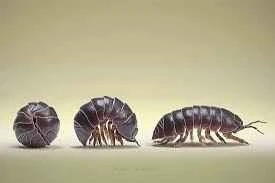
Myriapoda: This class includes millipedes and other similar insects. They have long, segmented bodies, with one or two pairs of legs on each segment.
Ecological role
Arthropods play important roles in ecosystems, including:
Key links in the food chain : They are either consumers or predators in the food chain.
Soil health : Certain arthropods (such as ants and insects) help break down organic matter and improve soil structure.
Pollination : Many insects, such as bees and butterflies, are important pollinators.
The diversity and adaptability of arthropods enable them to survive in almost any environment, from tropical rainforests to deserts, from land to the deep sea.
Arthropod Tables Summary
| category | Animal Name | Main features | Common habitats | Optimize keywords |
|---|---|---|---|---|
| Insects | Butterfly | It has wings and flies primarily through its wings. | Forests, grasslands, gardens | butterfly species, insect species |
| Spiders | Tarantula | It has no wings, but can weave webs and hunt. | Tropical rainforest, desert | Spider species, wolf spider |
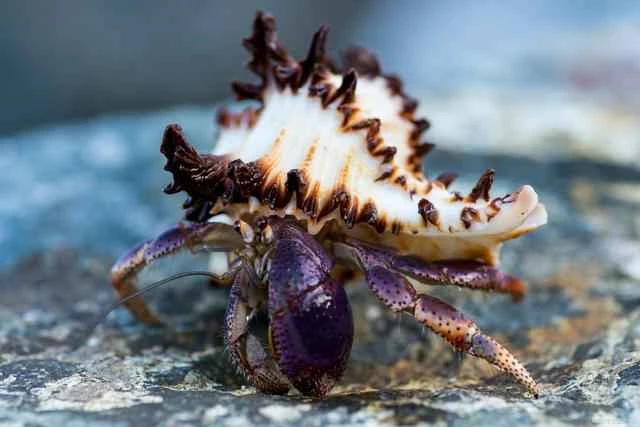
| Crustaceans | hermit crab | They protect themselves with an outer shell and live in the ocean. | Tropical coast, rocky beach | Crustaceans, hermit crabs |
| Insects | Ant | Social groups with a clear division of labor | grassland, forest, home | Ant habits, insect colonies |
| Crustaceans | Prawns | They have a hard exoskeleton and live in water. | Freshwater lakes, rivers, and oceans | Shrimp growth, crustaceans |
| Myriapods | Malu | Myriapods are long-bodied animals with multiple legs. | Damp soil, decaying plants | Myriapods, millipedes |
| Spiders | Black Widow Spider | Poisonous and highly aggressive | Tropical and temperate regions | Black widow spider, poisonous spider |
| Insects | dragonfly | It has wings and flies fast. | Lakes, rivers, swamps | Dragonfly species, insects |
Arthropod characteristics
Arthropods possess several unique characteristics that contribute to their success and diversity within the animal kingdom. Here are some key characteristics of arthropods:
1. Exoskeleton
Structure : The exoskeleton of arthropods is composed of substances such as chitin and calcium. They provide protection, support the body, and reduce water loss.
Growth : Due to the rigidity of their exoskeletons, they need to grow by molting (shedding their skin), and a new exoskeleton is formed after molting.
2. Segmented body structure
Body segments : The body of an arthropod is composed of multiple segments, which may differ in structure and function.
Appendages : Each segment is usually equipped with a pair of appendages, which are also segmented and can be adapted to various functions, such as walking, hunting, and sensation.
3. Compound eyes
Structure : The compound eye is composed of multiple ommatidia (called ommatidia), each of which can independently perceive light.
Function : This eye provides a wide field of view, making it suitable for detecting motion and capturing information about rapidly changing environments.
4. Shortened segments and appendages
Segmentation : The body of an arthropod is composed of multiple segments, each of which may be equipped with a pair of appendages adapted for specific functions, such as tentacles, legs, pincers, etc.
Adaptability : Different combinations of body segments and appendages enable arthropods to adapt to various ecological environments and lifestyles.
5. Respiratory system
Insects breathe through a tracheal system, which is distributed throughout the body and directly exchanges oxygen and carbon dioxide with cells.
Crustaceans : They usually breathe through gills, which allow them to exchange gases in the water.
Myriapods : Some breathe through the tracheal system, while others breathe through other means.
6. Digestive system
Digestive tract : Arthropods typically have a complex digestive tract, including the mouth, esophagus, stomach, and intestines, for the ingestion and digestion of food.
Digestive glands : Many arthropods also have specialized digestive glands that secrete digestive enzymes to help break down food.
7. Nervous system
Brain : Arthropods have a relatively simple brain and ganglia (nerve centers) that are responsible for controlling body movement and sensation.
Ganglia : Ganglia are distributed along every segment of the body and help coordinate movements.
8. Reproductive System
Reproduction : The reproductive system of arthropods is generally divided into males and females, possessing reproductive organs and reproductive behaviors. Some arthropods (such as insects) may possess complex mating rituals and ovaries.
9. Sensory System
Antennae : Most arthropods have one or more pairs of antennae, which are used to sense chemicals, humidity and temperature in the environment.
Receptors : Arthropods typically have various receptors on their exoskeletons for sensing touch, temperature, and vibration.
10. Behavior and Adaptation
Behavioral diversity : Arthropods exhibit a rich variety of behavioral patterns, such as foraging, mating, hunting, and defense.
Ecological adaptation : They can adapt to a variety of environments, from extremely arid deserts to deep-sea environments, demonstrating extremely high adaptability and survival ability.
These characteristics enable arthropods to be widely distributed and successfully survive in a variety of environments, making them one of the most diverse animal groups on Earth.