Penguins are a special group of birds, mainly distributed in Antarctica and its surrounding islands, South America, and Australia. They are birds with limited flight capabilities and live in the ocean and on islands. Below is detailed information about penguins and their habits:
Feature description:
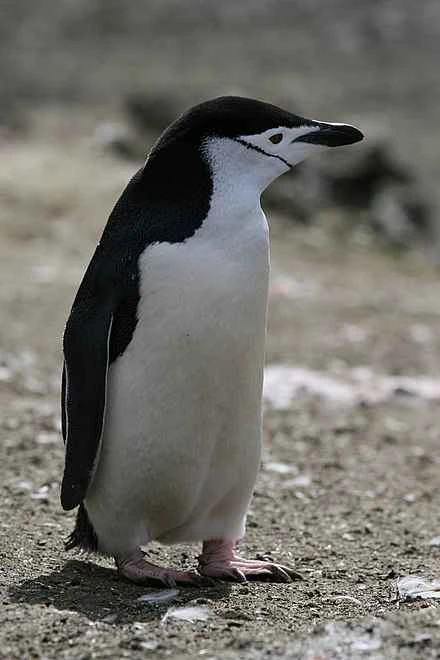
Physical characteristics: Penguins typically have black backs and white bellies, giving them a black and white mixed plumage appearance. They usually have short, stocky bodies, short, thick necks, and flat beaks.
Size: Generally large in size, but different species have different sizes. For example, the smallest penguin is only about 40 centimeters tall, while the largest emperor penguin can reach nearly 1 meter tall.
Eyes and ears: Penguins have small eyes and their ears are covered by feathers.
Distribution and Habitat:
Antarctica: Most penguin species are mainly distributed in Antarctica and the surrounding islands.
Other regions: Some species also live and thrive in South America, Australia and surrounding areas, such as the Magar Emperor Penguin, Antarctic Penguin and Gentoo Penguin.
Habitat: Penguins typically breed on cold ocean islands, although some species have adapted to warmer climates and survive in warmer environments.
Lifestyle habits:
Reproduction: Penguins typically form large breeding colonies and reproduce on land. They incubate their eggs safely by building stone or earthen nests.
Foraging: Penguins are excellent swimmers. They mainly feed on marine life such as fish, octopus, flounder, shrimp, and zooplankton, and can dive into the sea to find food.
Social life: Penguins typically live in groups, forming large colonies to better protect themselves from predators.
Keeping warm: Penguins have fluffy feathers to adapt to extremely cold environments. They also huddle together to keep warm. Some species of penguins will move around repeatedly to rotate the individuals on the periphery in order to keep the entire group warm.
Incubation: Penguins usually live in pairs, with one penguin incubating the egg while the other leaves the nest to forage for food. After a period of time, they switch roles so that the other can also forage and rest.
Diversity of species:
Globally, there are several species of penguins, including:
Emperor penguins are the largest species, with a large body size, and live in Antarctica.
King Penguin: Also a large species, of medium size, mainly distributed on islands near Antarctica.
Little Penguins: These are relatively small and are mainly found along the coastlines of Australia and New Zealand.
Protection status:
Due to factors such as climate change, environmental pollution, and human activities, some penguin populations are facing threats. Many countries and international organizations are committed to protecting penguins and their habitats to ensure their survival and reproduction.
Penguins are an important part of the ecosystem and play a vital role in maintaining the balance of marine ecosystems. Therefore, protecting penguins is crucial for the health and stability of the entire ecosystem.