Frogs are a type of amphibian; they typically have smooth skin, long hind limbs, and can jump and swim. Below is detailed information about frogs and their habits:
Feature description:
Physical characteristics: Frogs typically have smooth skin, large eyes, a wide mouth, and well-developed hind legs, which enable them to jump very far.
Size: Frogs vary in size and shape, from some very small tree frogs to some large species, ranging from approximately 2 to 30 centimeters.
Color: Frogs come in a variety of colors. Some species are predominantly green, while others have gray, brown, or other colors.
Distribution and Habitat:
Distribution range: Frogs are widely distributed across all continents of the world (except Antarctica), including tropical, subtropical and temperate regions.
Habitat: Frogs inhabit various ecosystems such as lakes, rivers, swamps, grasslands, forests and deserts.
Lifestyle habits:
Amphibian life: Frogs can live in water and on land, and they have different living habits in their aquatic and terrestrial stages.
Reproduction: Most frogs use external fertilization. After laying eggs, the female frog mixes her eggs with her own sperm, and then the male frog releases his sperm onto the surface of the eggs, completing the fertilization process. The fertilized eggs hang in the water and hatch into tadpoles.
Diet: Frogs are carnivorous, feeding on insects, worms, small invertebrates, and small vertebrates. Some larger species of frogs also prey on small birds, small mammals, and other frogs.
Hunting method: Frogs typically use their tongues to catch prey. They have well-developed hyoid bones and mucus, allowing them to quickly extend their tongues to capture food.
Hibernation: In cold environments, some frogs choose to hibernate to survive the cold winter.
Diversity of species:
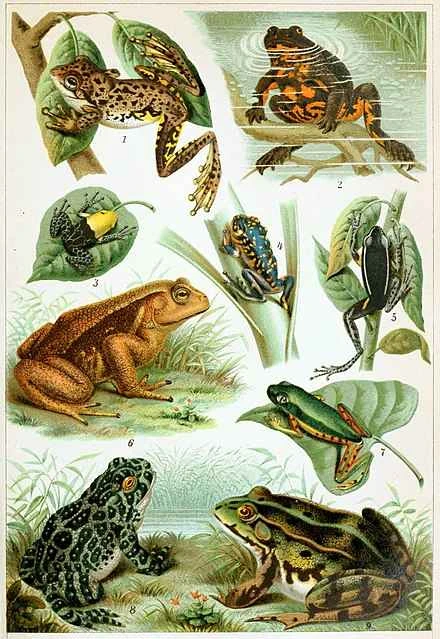
Frogs have a variety of species, including:
Tree frogs: They are good at climbing trees and mostly live in the canopy or tree holes.
River frogs: They live in streams and rivers and feed mainly on aquatic insects.
Bullfrogs: They are primarily aquatic, living mostly in lakes and ponds.
Woodpecker frogs: mainly distributed in Australia and New Guinea, many species hibernate in cold climates.
Protection status:
Many frog populations are threatened by factors such as habitat loss, infectious diseases from captive breeding, climate change, and human activities. Therefore, many organizations and researchers are working to protect frogs and their habitats to ensure their survival and reproduction.
Summarize:
Frogs are a little-known species, but they are attracting attention for their unique amphibious lifestyle, diverse species, and vital role in ecosystems. Protecting frogs, including their habitats, reducing pollution and deforestation, and controlling illegal fishing, is crucial.