Among burrowing rodents, marmots and ground squirrels are often confused due to their similar appearance and behavior. However, these two animals differ significantly in size, diet, habitat, and behavior. Understanding these differences can help you identify each species and appreciate their role in the ecosystem. This article will delve into the characteristics of marmots and ground squirrels, highlighting their unique features and providing a comparative table for clear understanding.
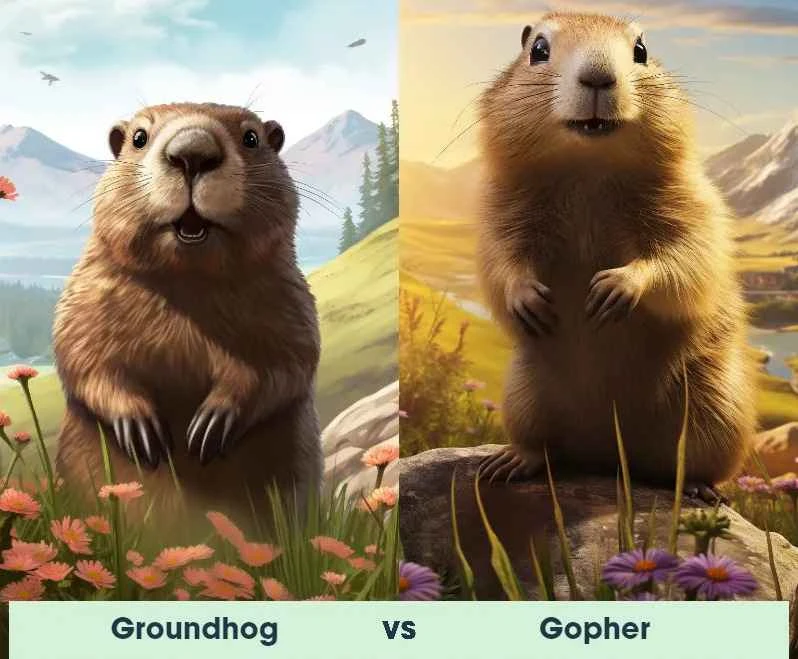
Marmots and Marmot Overview
groundhog
Groundhogs belong to the family Geomyidae and are small to medium-sized rodents known for their extensive digging habits. They primarily feed on the roots, tubers, and other plant matter of herbaceous plants. Groundhogs are mainly distributed in North America and are known for the cheek pouches they use to store food.
groundhog
Groundhogs, also known as wood rats, belong to the family Sciuridae and are much larger than regular ground squirrels. They are primarily herbivorous but occasionally eat insects. Groundhogs are common in North America and are known for their robust bodies and unique burrows.
The main differences between groundhogs
| feature | groundhog | groundhog |
|---|---|---|
| body shape | 5 to 14 inches (13 to 36 centimeters) | 16 to 26 inches (40 to 66 cm) |
| weight | 1 to 3 pounds (0.5 to 1.4 kilograms) | 5 to 14 pounds (2.3 to 6.4 kilograms) |
| Appearance | Small and stocky body; short tail; large incisors; small eyes and ears. | Large and robust body; bushy tail; strong limbs; small ears. |
| diet | Herbivorous (roots, tubers) | Herbivorous (grass, leaves), occasionally eats insects |
| Habitat | grasslands, open spaces, gardens | Forest edges, fields and suburbs |
| Excavation Style | Complex tunnel systems are typically located close to the surface. | Deep underground caves with multiple entrances |
| social behavior | They usually live alone. | Social, often seen in group activities during the summer. |
| predators | Birds of prey, snakes and mammals | wolves, foxes and domestic animals |
| hibernation | Not hibernating | Winter hibernation |
Detailed comparison
Body shape and weight
Marmots are significantly smaller than prairie dogs. Adult marmots typically weigh between 1 and 3 pounds and are 5 to 14 inches long, while prairie dogs can weigh between 5 and 14 pounds and are 16 to 26 inches long. This size difference makes prairie dogs more conspicuous in their environment.
Appearance
Marmots are short and stocky, with short tails and large incisors used for digging and foraging. Their small eyes and ears are adapted for underground life. In contrast, prairie dogs are more robust, with bushy tails, broad heads, and sturdy limbs, suitable for digging.
diet
Although both ground squirrels and marmots are herbivores, their diets differ slightly. Ground squirrels primarily feed on roots and tubers, while marmots consume a wider range of plants, including grasses, leaves, and occasionally insects. The damage ground squirrels cause to farmland and gardens makes them a more prominent pest in agricultural areas.
Habitat
Groundhogs typically inhabit grasslands, open areas, and gardens, which facilitates burrowing. They prefer forest edges, fields, and suburbs where food and shelter are plentiful. Their digging habits cause varying degrees of disturbance to the soil and landscape.
Excavation Style
Marmots create complex tunnel systems, usually located below the soil surface, to efficiently reach food. They dig deep burrows with multiple entrances that provide protection from predators and harsh weather.
social behavior
Marmots are typically solitary animals, often living alone in their burrows. However, they become more social in the summer, frequently foraging in groups. This difference in social behavior influences their interactions with the environment and other species.
predators
Both groundhogs and prairie dogs face predation pressure from a variety of animals. Groundhog predators include birds of prey, snakes, and small mammals. Due to their larger size, groundhogs have relatively fewer predators, primarily facing threats from wolves, foxes, and domestic pets.
hibernation
One significant difference is that groundhogs do not hibernate and remain active year-round. Groundhogs, on the other hand, hibernate during the winter to conserve energy when food is scarce.
in conclusion
In short, although marmots and ground squirrels are similar in some ways as burrowing rodents, they have distinct characteristics that distinguish them from each other. Understanding their differences in size, appearance, diet, and behavior is crucial for anyone interested in wildlife or managing garden pests. This comprehensive comparison now allows you to better appreciate the unique characteristics of marmots and ground squirrels in their natural habitats.