Foxes are a widely distributed group of animals, belonging to the genus *Vulpes* within the family Canidae. There are many different species of foxes in the world, varying in size, coat color, habitat, and habits. Below are some common fox species and their characteristics:
1. Red fox (Vulpes vulpes)
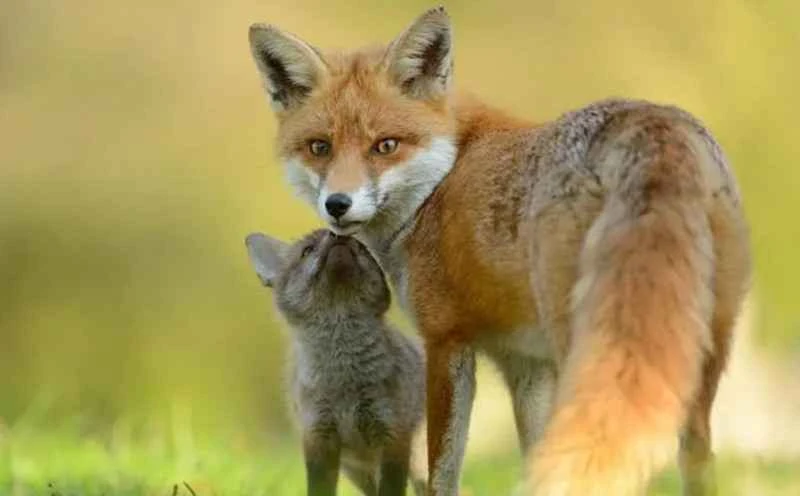
Distribution : The red fox is the most common fox species, with a wide distribution, found almost all over the world, including Europe, Asia, North America and parts of Australia.
Size and characteristics : Red foxes are medium-sized, with a body length (excluding the tail) typically between 45-90 cm. Their tails are relatively long, usually half or more the length of their body. Their fur is mostly red, with a lighter color on the belly and chin, and the tail has a distinct white tip. Red foxes have large, pointed ears and golden eyes.
Habitat and Habits : They are highly adaptable and can survive in a variety of environments, including forests, grasslands, cities, and suburbs. Red foxes are nocturnal and primarily feed on small mammals, birds, and insects.
2. Sand Fox (Vulpes zerda)
Distribution : Sand foxes are mainly distributed in the Sahara Desert and surrounding areas of North Africa.
Size and characteristics : Sand foxes are small in size, with a body length of about 40-50 cm and a tail length of about 30-40 cm. The most distinctive feature of the sand fox is its large, pointed ears, which allow it to better dissipate heat in the hot desert environment. Its fur is typically light yellow or sandy.
Habitat and Habits : Sand foxes are adapted to desert environments and are adept at digging burrows for shade and to avoid predators. They are nocturnal animals and primarily feed on small mammals, insects, birds, and plants.
3. Alaskan Fox (Vulpes lagopus)
Distribution : Alaskan foxes are mainly distributed in the Arctic region, especially in cold regions such as Alaska, Canada and Greenland.
Size and Characteristics : Alaskan foxes have a thick coat of white fur that helps them stay warm in cold environments. In summer, their fur turns a grayish-brown. Alaskan foxes are medium-sized with a short, bushy tail.
Habitat and Habits : They live in the extremely cold Arctic region, typically active in snow and ice fields. Alaskan foxes are omnivorous, feeding on small mammals, birds, marine life, and plants.
4. Silver fox (Vulpes vulpes f. argentée)
Distribution : The silver fox is mainly distributed in North America and parts of Europe, and is a variant of the red fox.
Size and characteristics : Silver foxes have dark gray or black fur with silvery-white spots, giving them a unique sheen. They are similar in size to red foxes, but their fur color and appearance differ significantly.
Habitat and Habits : The silver fox has similar living habits to the red fox and is highly adaptable, able to survive in forests, grasslands and urban areas.
5. Indian fox (Vulpes bengalensis)
Distribution : The Indian fox is found in India, Bangladesh, Pakistan, and other regions.
Size and characteristics : They are relatively small in size, with a body length of about 50-60 cm and a short tail, usually not exceeding 40 cm. The fur is mostly light gray or brown, and the tail has a black tip.
Habitat and Habits : Indian foxes adapt to a variety of environments, including grasslands, savannas, and forests, and primarily feed on small mammals, reptiles, birds, and insects.
6. Fox raccoon (Nyctereutes procyonoides)
Distribution : The fox is distributed in East Asia, especially China, Japan, and the Korean Peninsula. Their native habitat is temperate and subarctic regions.
Size and characteristics : The fox raccoon has a similar appearance to a raccoon, usually with a black stripe around its face. It is about 50-60 cm long, with a relatively short tail, and its fur is gray or brown.
Habitat and Habits : The fox adapts to a variety of environments and usually lives in forests, grasslands and wetlands. It is omnivorous and feeds on fruits, small mammals, birds and insects.
7. Arctic fox (Alopex lagopus)
Distribution : Arctic foxes live in the Arctic Circle and surrounding areas, such as Greenland, Canada and Northern Europe.
Size and characteristics : Arctic foxes are small in size and adapted to cold climates. Their fur is thick and white in winter, turning gray or brown in summer. They have long, bushy tails.
Habitat and Habits : Arctic foxes inhabit the extremely cold Arctic region, are adept at digging burrows in the snow, and mainly feed on small mammals, birds, and shellfish.
The role of foxes in the ecosystem
Foxes play a vital role in the ecosystem. As mid-level predators and scavengers in the food chain, they have multiple impacts on maintaining ecological balance. Specifically, the ecological role of foxes is mainly reflected in the following aspects:
1. Predators
Foxes are predators in the food chain, particularly adept at hunting small mammals, birds, insects, and reptiles. They control the populations of these species through predation, thus impacting biodiversity within the ecosystem.
Controlling small mammal populations : Foxes, which feed particularly on rabbits, voles, and other small mammals, help control the populations of these species and prevent them from overproducing and damaging vegetation.
Impact on bird and insect populations : Foxes also prey on bird eggs, chicks, and some insects, which plays a positive role in maintaining the health of bird and insect communities and preventing the overbreeding of certain species.
2. Scavengers
Foxes are typical scavengers; they eat the carcasses of dead animals. This not only helps clean up carcasses in the ecosystem but also prevents decay and the spread of disease.
Carcass cleaners : Foxes help accelerate the decomposition of organic matter by eating dead animals, releasing energy and nutrients back into the ecosystem.
Reduced pathogen transmission : By consuming carcasses, foxes help reduce the spread of germs or parasites that breed from decay, thus lowering the pathogen burden on the ecosystem.
3. Seed spreaders
When foxes forage, they eat some fruits and plant seeds, which may not be fully digested during digestion or be excreted in their feces. In this way, foxes indirectly participate in the dispersal of plants, especially those that rely on animals for dispersal.
Promoting plant reproduction : By consuming fruits and berries, foxes help plant seeds spread to wider areas, which has a positive impact on plant population growth and diversity.
4. Regulator of ecological balance
As predators and scavengers, foxes play a "balancer" role in nature. They not only control the population size of certain animal species but also indirectly influence the habitats of other species through the food chain. By regulating the populations of small mammals and birds, foxes help maintain the species balance of the ecosystem, preventing the overpopulation of certain species and the resulting damage to the ecological environment.
Preventing overpopulation : Foxes help maintain the stability of the ecosystem by preying on overpopulated species (such as rabbits or voles) and preventing excessive predation or food competition.
5. Indicator species of human society
Foxes are also considered indicator species of environmental health. They are highly sensitive to changes in their habitat, and the size and health of fox populations can reflect the health of the ecosystem.
Indicators of ecological health : If the fox population declines or develops health problems, it may indicate habitat degradation or problems in the food chain, providing important clues for ecological protection and environmental monitoring.
6. Cultural and social impacts
Foxes hold significant importance in human culture, particularly in folklore, literature, religion, and art. They are seen as symbols of wisdom, cunning, and mystery, and in some regions, their presence has profoundly impacted people's ecological understanding and cultural heritage.
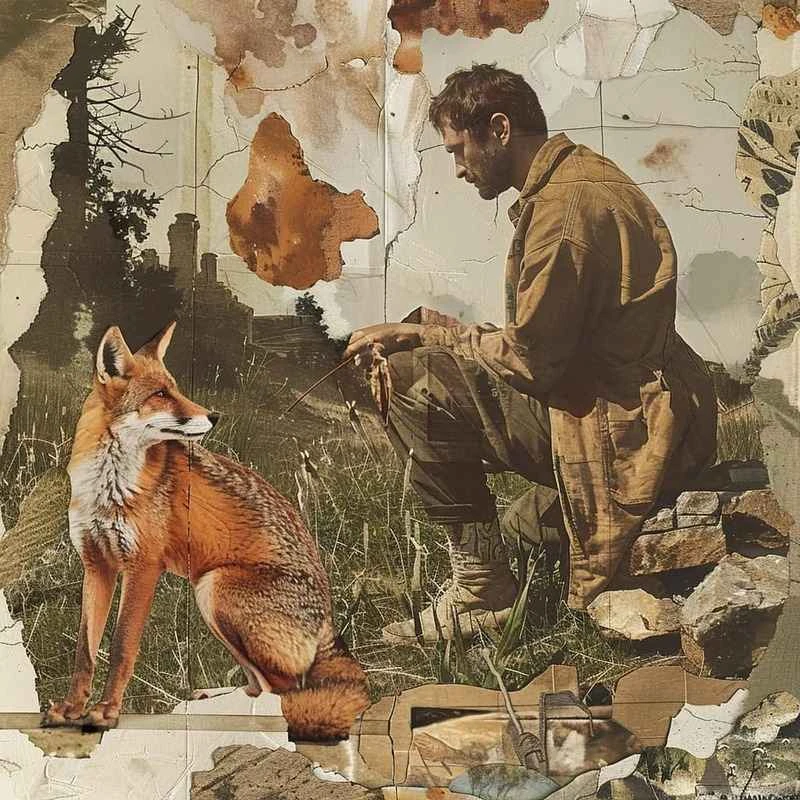
The Evolution of the Relationship Between Foxes and Humans
The evolution of the fox-human relationship is a complex and multidimensional process, encompassing symbiosis and hunting in primitive times, to modern cultural symbolism, pet ownership, and interactions in agriculture and environmental management. The following are some key stages in the evolution of the fox-human relationship:
1. Ancient hunting and food resources
In early human history, foxes were initially considered prey. Ancient humans relied on hunting for survival, and foxes, with their alertness and agility, presented a challenging prey. In some regions, fox meat served as a food source, especially during the winter when food was scarce.
Hunting : Foxes were considered difficult prey to catch, helping early humans develop hunting skills. They also held certain symbolic significance in ancient hunting cultures.
Fur utilization : Due to its softness and high commercial value, fox fur became an important resource for ancient humans, especially in cold regions, where fox fur was often used to make clothing and cold-weather gear.
2. The relationship between foxes and agricultural societies
With the rise of agricultural societies, human lifestyles changed, and the role of foxes gradually transformed. Foxes began to be seen as a threat to farmland and poultry, especially since they would hunt poultry and birds or eat crops.
Foxes as pests : In some agrarian societies, foxes were considered pests because they would invade farmland or attack poultry, affecting food production. Many farmers would try to drive away or kill foxes to protect their livestock and crops.
Fox population control : In order to reduce the threat of foxes to poultry and crops, systematic hunting and trapping activities have been carried out in many places, and the fox population has been controlled in some areas as a result.
3. The symbolic meaning of the fox in culture
As society has developed, the fox has gradually shed its role as merely a food source and a pest, becoming an important symbol in human culture. The fox's intelligence, cunning, and alertness have made it a symbol of wisdom and shrewdness in many cultures.
Myths and Legends : Foxes play an important role in myths and folklore around the world. In many cultures, foxes are often portrayed as cunning and shrewd, representing intelligence and strategy. For example, in European folklore, foxes are frequently depicted as cunning animals, cleverly escaping capture or acquiring resources.
Literature and Art : In literature and art, foxes often appear as symbols of wisdom, wit, and even cunning. For example, "The Fox and the Grapes," a famous fable in Aesop's Fables, conveys the philosophy that "what is unattainable is often devalued" through the fox's actions.
4. Modern fox and pet breeding
Over time, the relationship between foxes and humans began to change, especially in the late 20th century when the concept of foxes as pets emerged. Through the domestication of foxes, particularly Russia's "Silver Fox Project," scientists studied their behavioral characteristics and explored the relationship between humans and animals.
Fox domestication experiments : In Russia, scientists have studied the relationship between foxes and humans through selective breeding and domestication. After decades of domestication, researchers have successfully bred a docile and friendly fox, providing scientific evidence for the possibility of foxes as pets. Although these foxes are not as fully domesticated as dogs, they exhibit canine-like behaviors, such as tail wagging and affection towards humans.
The controversy surrounding foxes as pets : In some countries, foxes are kept as pets, although they are not traditionally considered domestic animals. Keeping foxes as pets has sparked ethical and legal debates in some regions, with many arguing that foxes remain too wild to be fully domesticated.
5. The relationship between foxes and environmental protection
With increasing environmental awareness, people's perceptions of foxes have changed. Foxes are gradually being seen as important members of the ecosystem, especially in nature reserves and wildlife conservation efforts, where their role is increasingly shifting towards protecting and restoring biodiversity.
Ecological role of foxes : Foxes are considered keystone species in ecosystems, regulating the populations of small mammals and promoting ecological balance. As predators and scavengers, they help clean up animal carcasses and control pest and rodent populations.
Protecting fox populations : In some areas, foxes are included in protected lists, especially in the face of habitat loss and threats from human activities. Habitat protection and population restoration for foxes have become an important ecological conservation task.
6. The Modern Relationship Between Foxes and Human Society
In modern society, foxes possess both natural value as wild animals and serve as cultural symbols, frequently appearing in advertising, media, and branding. They are often used to symbolize wisdom, wit, agility, and the allure of nature.
Foxes in Branding and Advertising : The image of the fox frequently appears in branding and advertising, representing wit, intelligence, or uniqueness. For example, some automotive and consumer goods brands use the fox as a mascot to convey a smart, efficient, and agile brand image.
Environmental and educational significance : As part of ecological education, foxes help raise public awareness of ecosystems and wildlife conservation. In some countries and regions, foxes have also become a symbol of ecotourism and nature conservation, attracting tourists interested in wildlife.
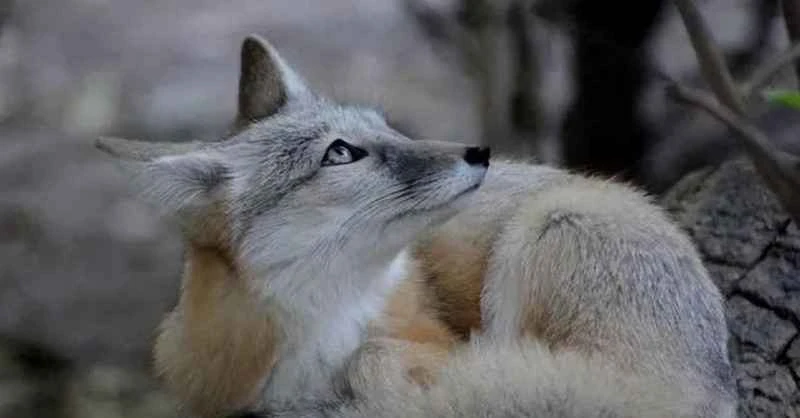
The cultural symbolism and folk tales of the fox
Foxes play a significant role in cultures and folklore around the world, often associated with wisdom, cunning, agility, and even mystery and supernatural powers. The cultural symbolism of the fox carries different meanings in different cultural contexts. Below are some symbolic meanings and folklore associated with foxes in various cultures:
1. The fox in Chinese culture
In Chinese culture, foxes are often associated with the image of the "fox spirit." The fox spirit is a common monster image, usually depicted as a seductive fox capable of transforming into human form. Especially in ancient legends, they are often seen as able to seduce and bewitch men, thereby disrupting social order.
The Legend of the Fox Spirit : In Chinese folk tales, fox spirits are often depicted as both alluring and dangerous beings. They bewitch humans by transforming into human form and using sorcery. The fox spirit is a common theme, especially in ancient literary works such as "Strange Tales from a Chinese Studio."
Foxes and Taoism : In Taoism, fox spirits are usually associated with Yin and Yang, the supernatural, and Taoist magic. Taoism believes that the transformations and allure of fox spirits are related to cultivation; foxes can, through long-term cultivation, transform into human form and become powerful monsters or spirits.
2. The fox in European culture
In Europe, the image of the fox is often associated with cunning, wit, and intelligence. The fox is seen as a symbol of wisdom, especially in medieval and Renaissance literature and fables, where it frequently appears as a clever and cunning character.
The fox in Aesop's fables : The fox is a typical character in Aesop's fables, usually displaying great wisdom and strategy. For example, in the fable "The Fox and the Grapes," the fox, unable to obtain the grapes, comforts itself by believing they are sour, symbolizing the self-comfort and rationalization that humans make when faced with unattainable desires. This cunning and clever behavior has made the fox a symbol of "clever but cunning" in European culture.
"The Fox and the Crow" : In another Aesop's fable, "The Fox and the Crow," the fox cleverly uses language to trick the crow into dropping the cheese from its beak, further emphasizing the fox's cunning and wisdom.
3. Foxes in Japanese Culture
In Japan, the fox ( Kitsune ) is a very important cultural symbol, often associated with Shinto, witchcraft, and shapeshifting abilities. In Japanese culture, the fox is both a sacred being and a spirit possessing supernatural powers.
Kitsune (fox spirit) : In Japanese mythology, the fox is considered the messenger of Inari, the god of agriculture, harvest, and commerce. As an incarnation of Inari, the fox (kitsune) possesses the ability to transform, becoming human, and is even believed to have the power to foresee the future and provide protection. Especially in Inari shrines, the fox is a highly sacred animal, and many Inari shrines feature fox statues.
Foxes and Yokai : In Japanese folklore, foxes are often considered yokai (supernatural beings) with supernatural abilities. They can transform into human form and even control people's thoughts and actions. Therefore, foxes possess both a sacred aspect and a fearsome yokai image.
4. Foxes in North American Indigenous Cultures
In North American Indigenous cultures, foxes are generally regarded as intelligent, cunning, and possessing mystical powers. Foxes frequently appear in legends and stories as symbols of wisdom.
Symbol of wisdom and cunning : In many North American Aboriginal mythologies, the fox represents wisdom and ingenuity, often using clever strategies to solve problems or overcome difficulties. The fox's cunning and resourcefulness often make it a hero or important figure in legends.
The fox's connection to nature : In some indigenous tribes, the fox is considered an animal closely connected to nature, representing wildness, freedom, and adaptability. Through its clever way of surviving in diverse environments, the fox has become a symbol of the intelligent connection between humans and nature.
5. Western Literature and the Image of the Fox
The fox is also an extremely important figure in Western literature, frequently appearing in fables, fairy tales, and literary works. In these works, the fox often appears within the cultural context of human society, portrayed as intelligent, witty, and possessing independent thought.
The fox in Robinson Crusoe : In Daniel Defoe's Robinson Crusoe, the fox is depicted as an animal closely associated with nature and human survival, playing an important role in the food chain on the deserted island.
Foxes in Modern Culture : The image of the fox also appears frequently in modern popular culture. For example, the fox characters in Disney's "The Fox and the Hound" and the movie "Abominable" continue the tradition of the fox being intelligent and cunning in Western culture.
6. The symbolic meaning of the fox
The fox carries diverse cultural symbolism, encompassing wisdom, cunning, shrewdness, and unpredictability. In many cultures, the fox represents the wisdom to adapt to its environment and the ability to use strategy to navigate complex situations. Furthermore, the fox is frequently associated with mystery, temptation, and supernatural forces.
Wisdom and Strategy : The fox is a clever character in many stories, symbolizing achieving goals through wisdom rather than force.
Metamorphosis and Seduction : In many cultures, foxes are believed to possess the ability to transform, especially to deceive others by changing their appearance. This characteristic also closely links foxes with themes of seduction and allure.
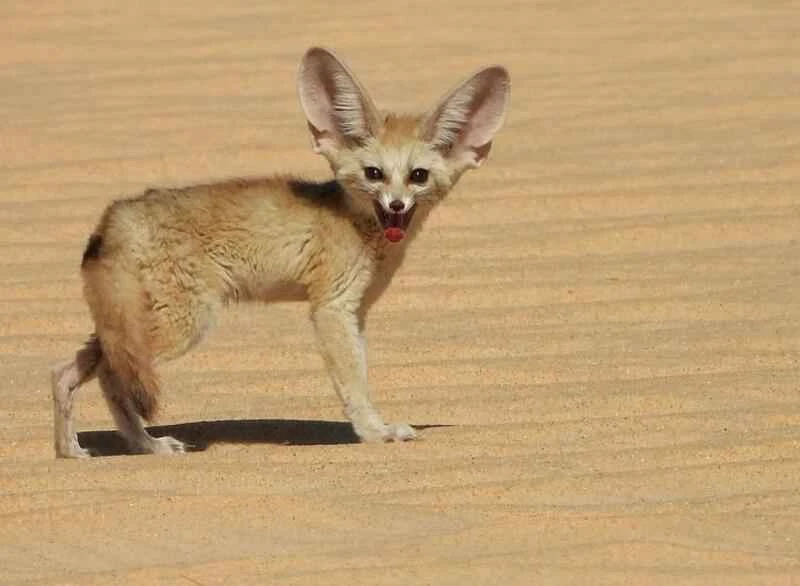
Foxes' adaptability and survival strategies
Foxes are highly adaptable animals with a variety of survival strategies, enabling them to survive in diverse environments, from cities and forests to deserts and extremely cold regions. These adaptability and survival strategies allow them to cope with changing environments, hunt for food, and compete with other species. Here are some of the fox's main adaptability and survival strategies:
1. Flexible diet
Foxes are omnivorous and can adjust their food sources according to different environments. They can adjust their eating habits according to seasonal changes, food availability, and the conditions of their surrounding environment.
A combination of carnivorous and herbivorous diets: Foxes feed on small mammals (such as rabbits and voles), birds, insects, reptiles, and some fruits, berries, and plants. Especially in winter, when prey is scarce, foxes turn to plant-based foods, including roots, nuts, and fruits. This dietary diversity allows foxes to survive when food is scarce.
Opportunistic predators : Foxes are typically opportunistic predators, meaning they randomly select food based on its availability in the environment. They are able to catch small, moving animals with quick reflexes and will also consume carcasses of dead animals if necessary.
2. Excellent hunting skills
Foxes are very flexible hunters; they can adapt to a variety of prey and hunt using different strategies.
Ambush and Patience : Foxes are typically very clever hunters. They wait for their prey to approach before swiftly pouncing on it. Their hunting style is closely linked to their alertness; they are adept at detecting prey's movements and reacting quickly.
Nocturnal activity : Foxes are mostly nocturnal animals, with highly developed vision, hearing, and sense of smell, especially at night, where they can track prey using their keen hearing and smell. This nocturnal behavior also helps them avoid daytime predators and competitors.
3. Concealed habitat
Foxes typically live in highly concealed habitats, allowing them to evade predators and human threats.
Burrows and dens : Foxes typically dig burrows underground or use existing burrows as habitats, which provide effective concealment. Foxes may also use tree roots, crevices between rocks, or abandoned structures as hiding places.
Adapting to different environments : Foxes can establish dens in various locations, such as forests, grasslands, and even near urban garbage dumps. Urban foxes utilize abandoned buildings, underground pipes, and other artificial environments as habitats, while in the wild, foxes tend to choose forest edges or areas with abundant food resources.
4. Efficient breeding strategies
Foxes' breeding strategies and life cycle design enable them to effectively ensure the continuation of their population.
High reproductive rate : Foxes typically breed once a year, with each litter containing 4 to 6 cubs. The breeding season is usually in the spring. After pregnancy, the mother fox will choose a secluded place to build a nest and carefully care for her cubs until they are able to survive independently.
Survival skills for cubs : Fox cubs are born blind and helpless, but they grow rapidly within weeks and begin to learn how to forage and protect themselves independently. The mother fox takes them hunting and "educates" them to master hunting skills.
5. Flexible behavior and social structure
Foxes also have very flexible behavior patterns, which allows them to adapt to different living environments.
Solitary vs. Social : Foxes are typically solitary animals, especially adults who prefer to live alone and establish their own territories. However, in areas with abundant food or during the breeding season, they may form loose social groups with other foxes. Territorial competition among foxes is fierce, but they also exhibit some cooperative behavior, particularly during the breeding season, when male foxes sometimes help female foxes protect their cubs.
Territoriality : Foxes typically have a strong sense of territory. They mark their territory with urine to prevent other foxes from entering. This method reduces conflict with their own kind and ensures they can exclusively occupy a territory in resource-rich areas.
6. High adaptability and survival strategies
Foxes' adaptability enables them to survive in a variety of environments, especially in rapidly changing ones.
Urban Adaptation : In recent years, with the expansion of human activities, foxes have gradually adapted to urban environments. In cities, foxes can survive by consuming resources such as garbage, food scraps, and small rodents. Urban foxes are generally quite bold; they sometimes even venture near humans and are able to establish habitats in abandoned buildings, underground pipes, and other similar locations.
Adaptability to environmental changes : Foxes can adapt to a variety of climates, from the cold Arctic to the warm desert. In cold regions, foxes grow thick fur to help them retain body temperature; in hot environments, foxes adjust their activity times to avoid hunting during the hottest hours.
7. Adaptation of biological characteristics
The biological characteristics of foxes also provide them with a great advantage for survival.
Keen senses : Foxes possess an exceptionally keen sense of smell, hearing, and night vision, enabling them to hunt effectively in the dark. Their sense of smell is particularly well-developed, allowing them to track prey or predators from a distance.
Rapid running and jumping ability : Foxes have long, powerful limbs, giving them excellent running and jumping abilities, enabling them to quickly escape predators or catch prey. Their agility gives them an advantage in both hunting and escaping.
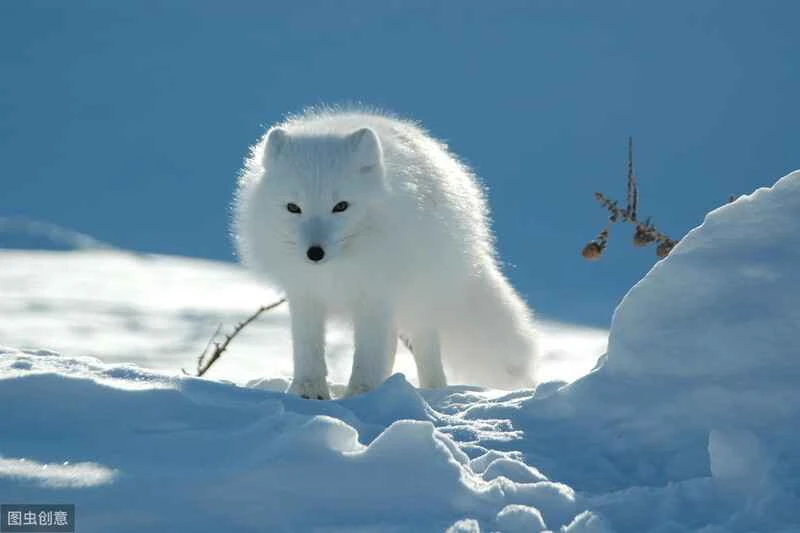
FAQ
1. Why are foxes considered cunning animals?
Foxes are known as "cunning" animals, primarily due to their intelligence in hunting and survival. This "cunning" doesn't refer to malice or evil, but rather to their ability to use wit and strategy to solve problems when faced with challenges, especially in hunting, evading predators, and avoiding traps.
Hunting Techniques : Foxes often employ an "opportunistic" strategy, utilizing their quick reflexes, stealthy movements, and patient waiting to hunt their prey. For example, a fox can approach its prey unnoticed and then pounce swiftly, demonstrating its agile hunting skills.
Escaping predators : When faced with predators (such as wolves, birds of prey, etc.), foxes will evade pursuit by running away quickly, changing direction, or using the environment for cover. They are also adept at camouflage and can confuse enemies through agile and mobile behavior.
Wisdom and Deception : In many cultures, the fox's "cunning" refers not only to its hunting abilities but also to its ability to cleverly escape predicaments. For example, in some folk tales and fables, foxes often use language and behavior to deceive or lure others in order to achieve their own goals.
Therefore, the cunning of foxes refers to their ability to use intelligence to solve problems, especially their clever strategies in hunting and self-preservation.
2. What does the sound of a fox's cry mean?
Fox calls have multiple meanings, primarily used for communication, marking territory, warning other foxes, or attracting mates. Fox calls are diverse, including screams, growls, and whimpers, each serving a different purpose.
Screaming : A fox's scream is typically used to mark territory or as a warning signal. This call often occurs at night, carries far, and can sometimes be mistaken for a human scream. It can be used to scare away other foxes or competitors.
Courtship calls : During the breeding season, foxes emit specific calls to attract mates, especially female foxes which emit a distinctive call that male foxes will respond to. These calls usually contain a slight whimper and high-frequency sounds.
Communication with cubs : There is also communication between the mother fox and her cubs. The mother fox will communicate with her cubs through low-frequency sounds or short barks, and the cubs will make soft moans to seek their mother's care.
The calls of foxes convey a wealth of information, serving purposes such as territorial defense, social interaction, and reproduction.
3. Where are foxes found in their habitat?
Foxes are highly adaptable animals with a very wide range of habitats; they can be found almost everywhere in the world, except Antarctica. Habitat varies depending on the species, but generally, foxes can adapt to a variety of different environments, including:
Forests : Foxes often inhabit forest edges or grasslands, where there are abundant food resources and suitable habitats. They can find shelter in trees and bushes and hunt in these environments.
Grasslands and open fields : Some foxes, especially desert foxes and steppe foxes, live in open grasslands, deserts and wastelands, where they dig burrows in dunes or bushes as habitats.
Urban Environment : Foxes have successfully adapted to urban environments, especially suburban areas and urban parks. They utilize food resources left behind by human activities, such as garbage and pet food, while also finding habitats in urban buildings, abandoned underground facilities, or green belts.
Mountainous and Arctic Regions : Some fox species, such as the Arctic fox, live in cold polar regions and have adapted to the extreme cold. Their fur is very thick, which helps them withstand the cold and forage for food in these areas.
Foxes are able to adapt flexibly to diverse habitats, and with their excellent survival skills, they can find a place to live in almost all types of ecosystems.
4. What are the natural enemies of foxes?
Although foxes are predators, they have many natural enemies, especially larger or stronger predators. The main natural enemies foxes face include:
Wolves : Wolves are one of the fox's main natural enemies, especially in northern and cold regions, where wolf packs will work together to hunt foxes. Wolves are usually stronger than foxes and can easily defeat them and take over their territory.
Birds of prey : Some large birds of prey (such as eagles and falcons) also prey on foxes, especially fox cubs. Birds of prey use aerial attacks to quickly capture foxes.
Large felines , such as lynxes and jaguars, may also prey on foxes, especially in areas where fox habitats overlap with those of these large felines.
Humans : In some areas, foxes also face threats from humans. Foxes may be hunted, driven out, or lose their habitat due to destruction. Human hunting activities (such as the fur trade) and urban expansion also threaten fox populations.
Foxes need to be constantly vigilant against predators when surviving in the wild. They usually avoid threats by hiding, running away quickly, and being active at night.
5. How do the behavioral habits of foxes affect the ecosystem?
Foxes play a vital role in ecosystems, and their behaviors directly or indirectly influence ecological balance. Here are some of the key impacts of foxes on ecosystems:
Controlling rodent populations : Foxes are among the main predators of rodents, such as mice and voles. By preying on these small mammals, foxes control their populations, thus preventing overpopulation and damage to plants and agriculture. The predatory behavior of foxes helps maintain species balance in the ecosystem.
Influence on plant dispersal : Although foxes are primarily predators, they also consume some fruits and seeds. After eating, foxes shed undigested seeds in various locations, which helps in the dispersal of plants and seeds.
Population competition : Foxes compete with other carnivores (such as wolves and falcons) for food resources and habitat. In some areas, an overpopulation of foxes can threaten other animal populations and disrupt the ecological balance.
Influence on prey behavior : The hunting behavior of foxes prompts some prey (such as small mammals) to evolve stronger escape abilities. Their presence accelerates the adaptive evolution of species in the ecosystem.
As predators and decomposers in the food chain, foxes play an important role in maintaining ecological balance, regulating species numbers, and influencing energy flow in ecosystems.