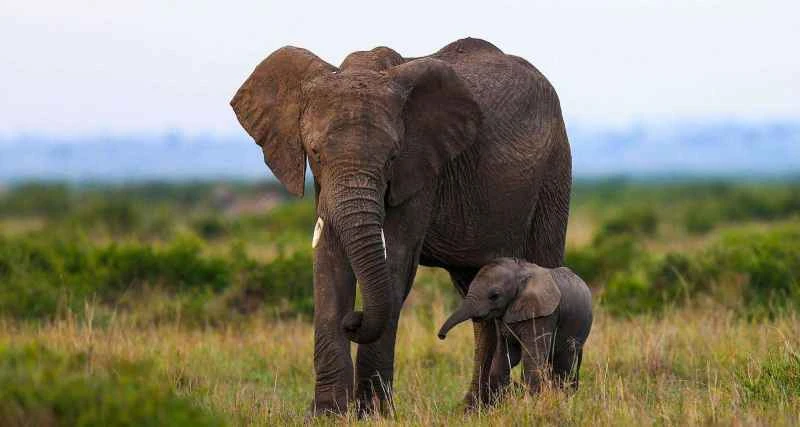
1. African elephant
African elephants are the largest land mammals, exhibiting sexual dimorphism (males and females differ in size and physical characteristics). Adult male African elephants are over 3.5 meters tall, with some reaching up to 4.1 meters. They weigh approximately 2.7 to 6 tons, with females being smaller than males; the heaviest recorded female weighed 13.5 tons. They can inhabit a variety of natural environments ranging from sea level to altitudes of 5,000 meters, including forests, open grasslands, meadows, thorn bushes, and semi-arid jungles.
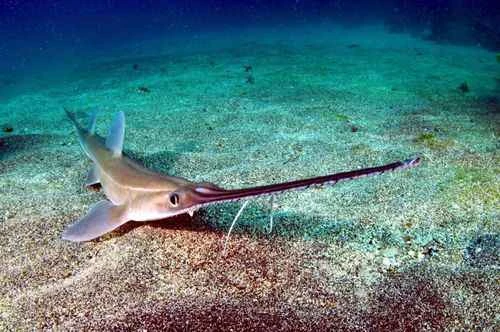
2. Sawfish family
Sawfish belong to the cartilaginous fish family, ranging in length from 5.4 to 7.6 meters, with a maximum length reaching 9 meters and a weight exceeding 500 kilograms. Their upper lip gradually elongates and flattens, developing 21-35 pairs of sharp rostrum teeth on each side; their "saw" can reach up to 2 meters in length and 30 centimeters in width. The snout is flat and narrow, protruding in a sword-like shape, with hard rostrum teeth along the edges. They lack a nasal groove and have five gill openings, located ventrally inside the base of the pectoral fins. They have two dorsal fins without spines; the anterior edge of the pectoral fins extends to the posterior side of their head; the tail is thick with a well-developed caudal fin; the odd and even fins are radially arranged. The posterior end of the cartilaginous fin has numerous horny fin rays.
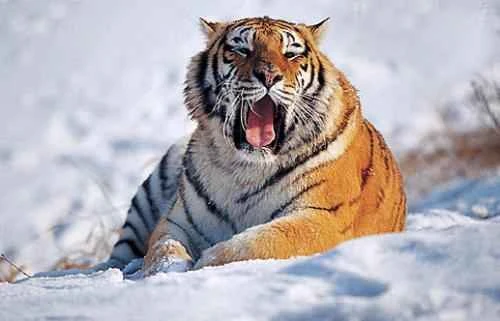
3. Siberian tiger
The Siberian tiger is a member of the cat family, genus Panthera. It is one of the subspecies of tiger. It is the largest cat species. Adult male Siberian tigers average 250 kg in weight and have a head and body length of approximately 2.3 meters; adult females average 170 kg in weight, about 2 meters in body length, with a shoulder height of about 1.1 meters and a tail length of about 1.3 meters. The maximum body length can reach 2.9 meters (including tail).
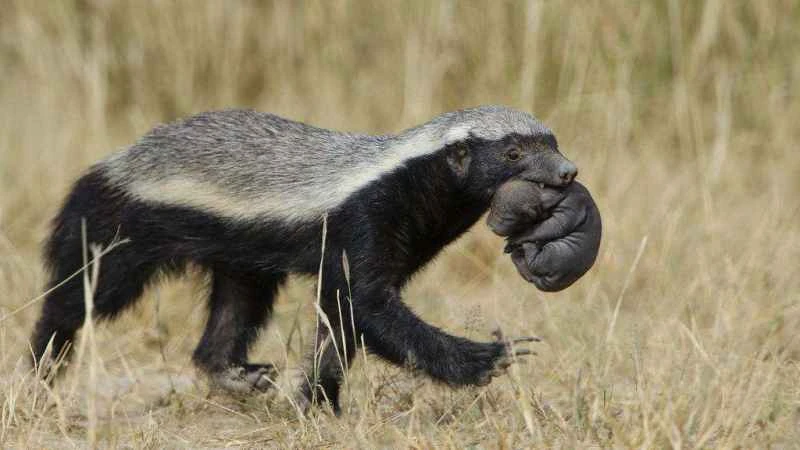
4. Honey Badger
The honey badger is the only species in the genus *Honey Badger* within the family Mustelidae. There is a significant size difference between males and females, with males sometimes weighing twice as much as females. Males average 98 cm in length, while females average 91 cm. Males stand 39 cm at the shoulder, and females 35 cm. Males weigh 9-14 kg, and females 5-10 kg. They have a stocky body, a broad head, small eyes, and ears that are not visible externally. They have a flat, blunt nose. The honey badger's body is robust, resembling a badger, with strong claws capable of destroying beehives. Its thick skin and coarse fur provide protection against bee attacks. It gets its name from its diet of bee larvae and pupae.
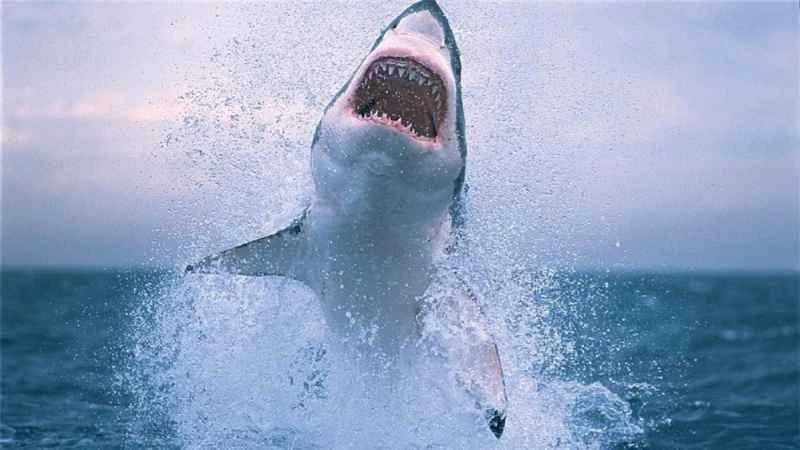
5. Killer whale
Orcas are the largest mammals in the dolphin family. Their heads are conical, lacking a prominent beak. They exhibit distinct sexual dimorphism in body size, flipper size, and dorsal fin height. The large, towering dorsal fin is located in the center of the back; in adult males, it is erect and reaches a height of 1.0-1.8 meters, while in females it is distinctly sickle-shaped and less than 1 meter high. The pectoral fins are large and broad, roughly rounded. Both the upper and lower jaws have 10-14 pairs of large, sharp teeth. The orca's coloration is primarily composed of contrasting black and white. The white area on the ventral side extends from the lower jaw to the tail, narrowing between the all-black pectoral fins and branching behind the navel. The ventral side of the tail fin is also white. The back and sides are black, but there are white patches on the flanks near the genital slit, and distinct oval white spots behind the eyes. Behind the dorsal fin are gray to white saddle-shaped markings.
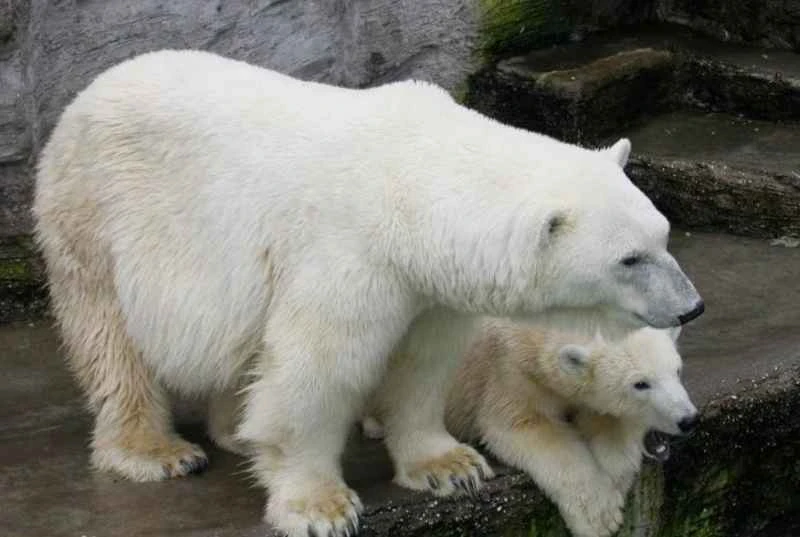
6. Polar bear
Polar bears are the largest land carnivores in the world, with large, robust bodies similar to brown bears, except they lack the humps on their shoulders. Their heads are relatively small compared to other bears, with small, rounded ears and long, slender necks. Their skin is black, often appearing white due to the translucent nature of their fur, though yellow and other colors are also possible. They are enormous and ferocious. Each foot has five toes with non-retractable claws; their large, paddle-shaped forepaws are well-suited for swimming and walking on thin ice. Polar bears are animals capable of surviving in harsh environments, possessing an extremely sensitive sense of smell, capable of detecting scents within a kilometer radius or up to a meter below the ice. Polar bears employ two hunting strategies. The primary strategy is stationary hunting. This involves locating a seal's blowhole in the ice and waiting for it to surface before killing it. Another technique involves swimming through any passages or crevasses in the ice until it is close enough to capture the seal. Polar bears are the apex predators of the Arctic region.
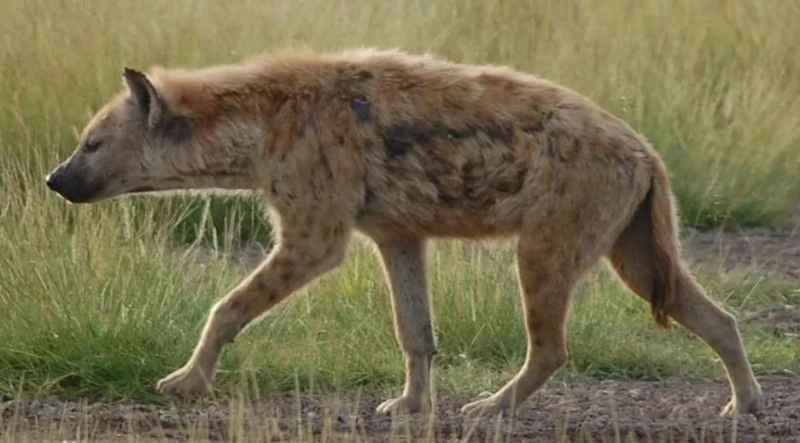
7. Spotted hyena
The spotted hyena is the second largest carnivore in Africa after the lion. They typically live in packs of about 80 individuals. Resembling a dog in appearance, they have long necks, shorter and weaker hind limbs than forelimbs, a relatively short body, high shoulders, and low hips. A long mane runs along the midline of their back. Fierce in nature, they prey on medium to large herbivores such as zebras, wildebeest, and serows, and can rival lion prides. They have an exceptionally high capacity for eating and digestion, capable of swallowing up to 15 kilograms of prey, skin and bones, in one go. They are excellent runners, reaching speeds of 40-50 kilometers per hour, with a top speed of 60 kilometers per hour. A single spotted hyena can consume up to 14.5 kilograms of meat in one sitting, roughly one-third of its body weight—an extremely high appetite for a mammal.
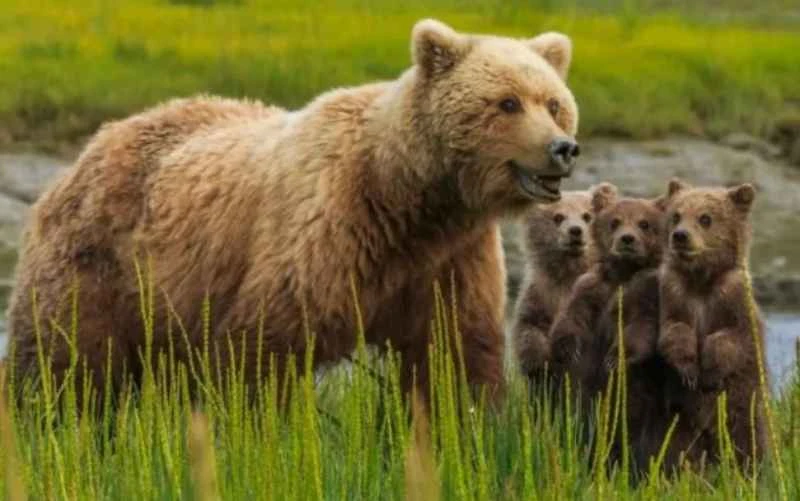
8. Brown Bear
Brown bears are among the largest land carnivores, large and round, with a robust body and a prominent back and shoulders. They have thick, coarse fur, very powerful forearms, and claws that can reach up to 15 centimeters in length. These claws can cause immense damage. Brown bears are primarily diurnal, generally foraging at dawn and dusk, although some individuals may be active at any time of day. They are solitary animals, hunting alone except during breeding and cub rearing periods. Brown bears are very sturdy and possess excellent endurance. They can kill a cow in one go, drive away a horse, outrun an Olympic athlete, and drag a dead elk up a mountain. Brown bears have an exceptional sense of smell, seven times that of a hunting dog, and can clearly see fish in the water while fishing. Brown bears are quite aggressive animals, especially when protecting their territory and food.
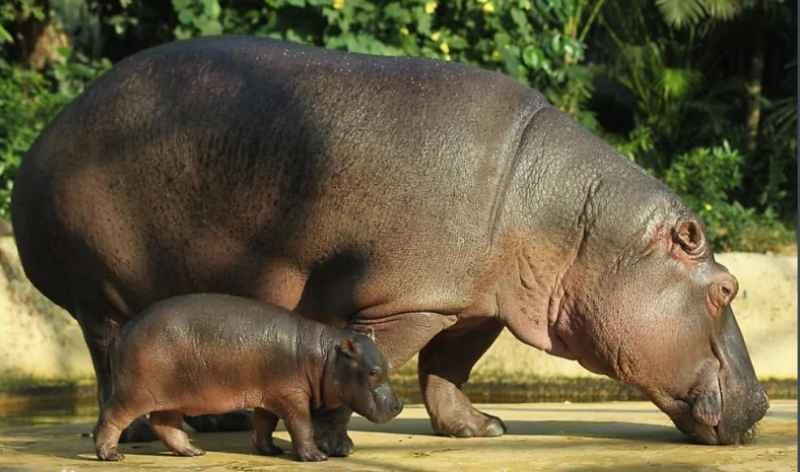
9. Hippopotamus
Hippos are omnivorous freshwater species. They are enormous, measuring 2-5 meters in length, with a stout, rounded body, short limbs, four toes on each foot, a large head, relatively small eyes and ears, an exceptionally large mouth, a relatively small tail, and large lower canines. Despite their size, hippos can float lightly in water and remain submerged for more than 5 minutes. Even as the third largest land animal, they can reach speeds of up to 40 kilometers per hour for short distances. Although hippos are always in the water, they cannot swim; they can only dive. When startled, they usually retreat into the water. They spend most of their day in the water, surfacing to breathe every 3-5 minutes, but can remain submerged for about half an hour. Hippos are generally quiet, but when angered, they often fight, using their sharp teeth to pierce each other's thick skin. Sometimes, when enraged in the river, they dare to capsize small boats and bite them in two.
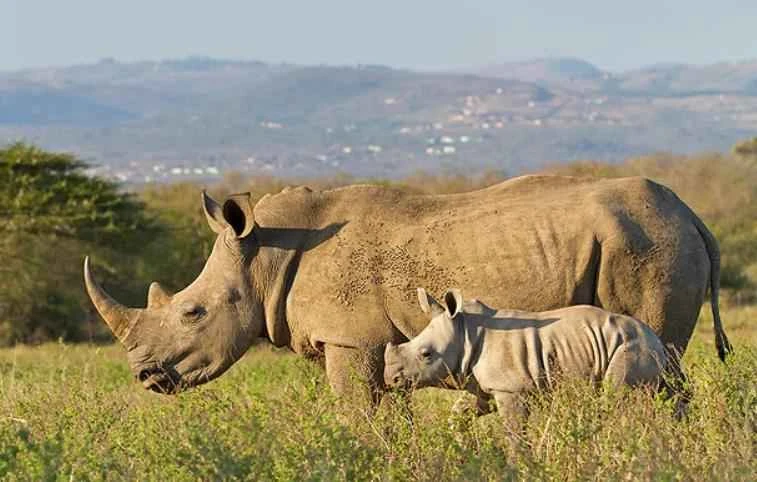
10. Rhinoceros
Rhinoceroses are the largest odd-toed ungulates in the world, robust and tall, reaching approximately 8 meters in length and 5 meters in height. They have short legs, a stocky and clumsy body, and are covered in thick, armor-like hides. They possess a single or double horn on their snout and a pair of small eyes on either side of their head. Despite their bulky appearance, they can still walk or run at considerable speeds. The African black rhinoceros can reach speeds of up to 45 kilometers per hour over short distances. Rhinoceroses are relatively slow-witted and have poor eyesight, but possess a keen sense of smell and hearing. They are herbivores.
11. Lion
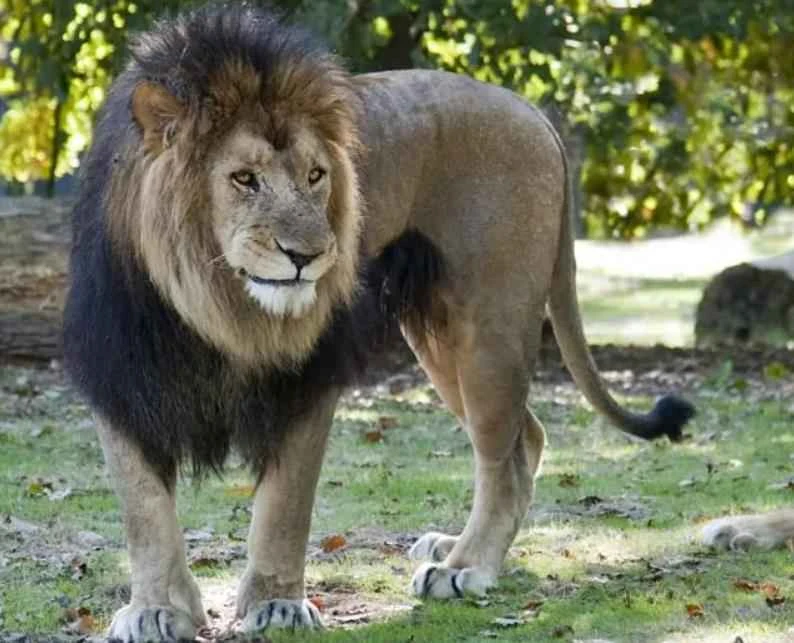
Lions are the only feline species in the world with distinct sexual dimorphism. Male lions have manes, while females do not. Lions are large, well-proportioned, with medium-length limbs and are digitigrade. They have large, round heads, relatively short muzzles, and highly developed senses of sight, hearing, and smell. They are carnivorous, often hunting other warm-blooded animals by ambush. Within a pride, lionesses are the primary hunters. Lions hunt a wide range of prey, frequently killing African buffalo, gazelles, and giraffes, but they prefer to prey on medium to large ungulates, such as zebras, impalas, and other species of antelope. Sometimes lions also target wild boar and ostriches.
12. Jaguar
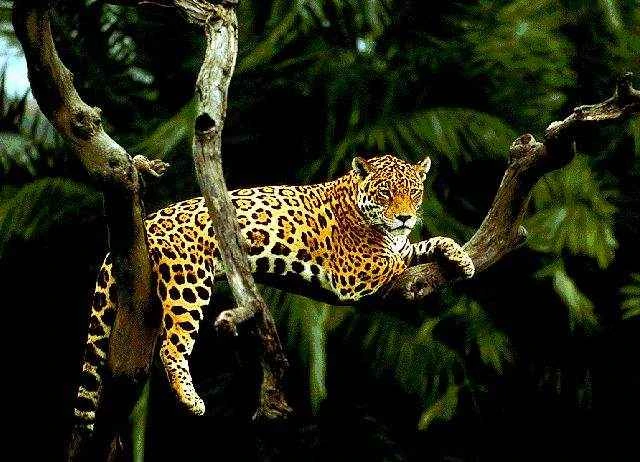
Jaguars have a relatively large head, a wide face, a thick chest, a stout body, and well-developed muscles, with short, thick limbs. Their markings are beautiful, with large black circular rings, usually containing one or more black spots. Because these are rings rather than stripes, they are easily distinguishable from tigers. However, their rings are significantly different from the smaller, hollow rings of a leopard, making them easy to identify upon close inspection. They live in aquatic environments and, like tigers, are swimming felines. Jaguars are solitary predators, ambushing predators who are highly opportunistic in choosing their prey. They are apex predators and cornerstone species, playing a crucial role in balancing ecosystems and regulating prey populations.