In the vast and mysterious ocean, many marine creatures have evolved a variety of amazing survival strategies. Among them, one type of fish is known for its extreme laziness and ugly appearance. These fish do almost nothing—they simply lie quietly on the seabed, waiting for food to come to them. This article will take you deeper into the lives of these "ugly" lazy sea fish, their habits, physical characteristics, and how they survive and reproduce in the ocean through this lazy behavior.
What are lazy ocean fish?
The term "lazy ocean fish" typically refers to fish that live on the seabed and lead extremely sedentary lives. Several well-known species in this category include anglerfish, stonefish, and frogfish. These fish rarely swim or actively chase prey, instead camouflaging themselves to blend into their environment and ambush unsuspecting prey. Their sedentary behavior is not only a strategy for conserving energy but also effectively increases their chances of successful predation.
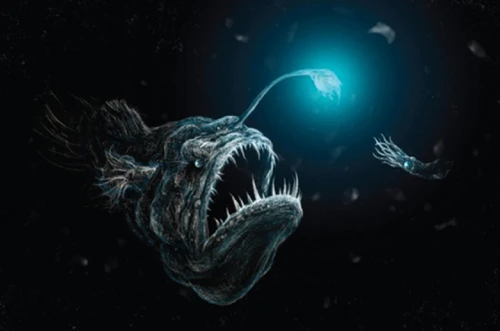
1. Anglerfish: The laziest "fisherman" in the ocean.
The anglerfish is one of the most representative of these lazy ocean fish, and is widely known for its bizarre appearance and unique hunting methods.
Appearance: Anglerfish are considered one of the ugliest fish in the ocean. They have large mouths full of sharp teeth and a rod-like protrusion on their heads called an "illicium".
Hunting method: The end of this fishing rod has a glowing fleshy structure called an esca. The anglerfish lies quietly on the seabed, wiggling the esca to attract curious prey. When the prey gets close, the anglerfish suddenly opens its mouth wide and swallows it whole.
2. Stonefish: Master of Disguise
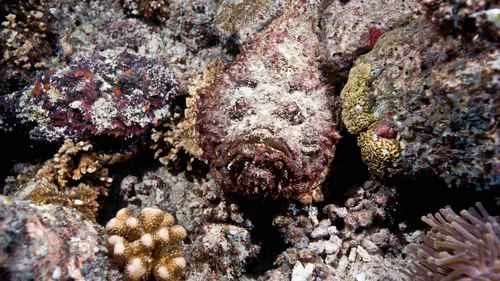
Stonefish are another typical lazy deep-sea predator. As the name suggests, it looks like a rock and is able to perfectly camouflage itself in its surroundings.
Appearance: Stonefish have a rough, uneven exterior, often covered with algae and marine debris, which helps them blend into their surrounding rocky environment.
Hunting method: Stonefish are typical ambush predators. They bury themselves in the sand or hide among rocks, waiting for small fish or crustaceans to approach. Once prey enters their attack range, the stonefish will quickly capture it with its powerful jaws.
3. Frogfish: The "Couch Potato" of the Deep Sea
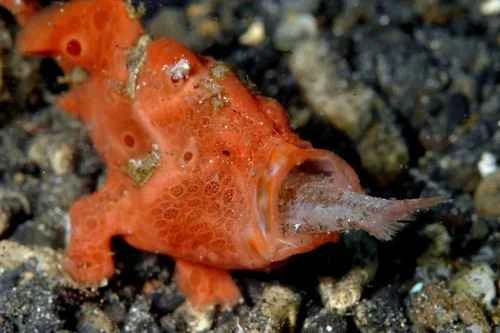
Frogfish are another example of lazy ocean fish, known for their almost completely inactive habits. These fish are extremely slow, often lying quietly in the same place for hours or even days.
Appearance: Frogfish have a round, plump, flat body and a wide mouth. Their skin is usually rough or covered with sponge-like or coral-like attachments, which help them blend into their surroundings.
Hunting method: Like anglerfish, frogfish also have a rod-shaped protrusion on their heads to lure prey. They attract small fish or shrimp and then swallow them whole.
Why are these fish so lazy?
These fish are not lazy by chance, but rather it is a survival strategy developed through long-term evolution. They conserve energy and increase their hunting success rate by ambushing and camouflaging. In food-scarce environments such as the deep sea, remaining still not only avoids energy consumption but also makes it easier for them to catch food.
Energy efficiency
One major reason these fish are so lazy is their energy efficiency. In the deep sea or on the ocean floor, food resources are often limited. By remaining still and waiting for prey to come to them, these fish conserve energy, greatly improving the balance between energy intake and expenditure.
Disguise and concealment
These fish are able to be so lazy thanks to their amazing camouflage abilities. Whether they resemble rocks, sponges, or blend into the seabed, these fish are masters of disguise. Their stillness makes them difficult for predators and prey to spot, thus securing them a favorable position in the marine ecosystem.
Habitat of lazy ocean fish
Most of these lazy deep-sea fish live in the deep sea or among coral reefs. Their ambush hunting strategy is very effective in these environments. Especially in the deep sea, where light is scarce and food is limited, a still and immobile lifestyle becomes the best option.
Deep Sea: Species like anglerfish primarily live in the deep sea, where light cannot reach and food is scarce. Their lazy habits are particularly effective in this environment.
Coral reefs and rocky seabeds: Stonefish and frogfish often appear in seabed areas with abundant coral reefs and rocks. These environments are full of hiding places, which are very suitable for their ambush hunting behavior.
Natural enemies and threats
Despite their superb camouflage and ambush abilities, these fish still face certain predator threats. Large predators such as sharks and groupers may prey on them, especially when they are exposed or disturbed. However, the threat posed by human activities is their greatest challenge.
Human impact
Pollution: Marine pollution, especially plastic waste and toxic chemicals, destroys the habitats of these fish, making it difficult for them to find suitable hiding places.
Overfishing: Some species living in coral reefs may face the risk of population decline due to accidental capture or being targeted by commercial fishing.
Climate change: Global warming is causing ocean temperatures to rise and coral reefs to degrade, which may threaten the habitat of these fish and reduce their food sources.
Protection and Prospect
Human activities, particularly coral reef degradation and marine pollution, pose challenges to the survival of some lazy marine fish. The establishment of marine protected areas, such as coral reef protected areas, is crucial for protecting these fish and their habitats. Raising public awareness of the importance of marine ecosystem conservation also helps protect these unique marine creatures.
in conclusion
Lazy ocean fish like anglerfish, stonefish, and frogfish showcase the evolutionary wonders of marine life. While they may not be the most active or beautiful creatures, their unique survival strategies are undoubtedly amazing. By lying on the seabed and waiting for food to come to them, these fish thrive in the harsh environment of the ocean. Their existence reminds us how much we should protect and cherish the diversity and complexity of marine ecosystems.