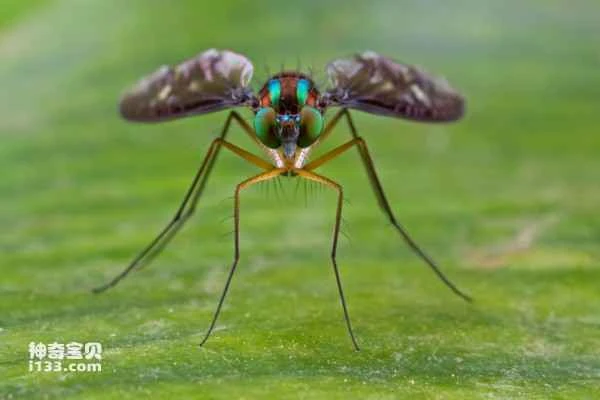
Salamanders are among the most fascinating and unique creatures in the ocean, renowned for their remarkable camouflage, striking appearance, and distinctive hunting techniques. These benthic fish belong to the family Antennariidae and inhabit tropical and subtropical oceans worldwide. Despite their small size, salamanders are astounding predators, seamlessly blending into their environment to ambush unsuspecting prey. In this guide, we will delve into the habitats, behaviors, appearances, and feeding habits of salamanders, as well as their unique role in marine ecosystems.
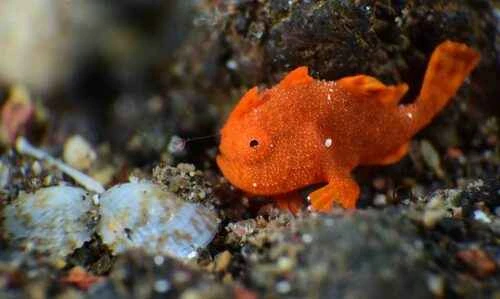
What is a salamander?
Salamanders are small, plump fish belonging to the order Lophiiformes. They possess a special fin called an illuminator, which they use to attract prey. Unlike most fish, salamanders are poor swimmers, typically "walking" along the seabed using their pectoral fins, making them appear more like amphibians than typical fish. This innate hunting strategy makes salamanders one of the most successful ambush predators in the ocean.
Key characteristics of salamanders:
Scientific classification: Antennariidae (tentacle fish family)
Size: Typically 5–15 cm (2–6 inches), but can grow up to 40 cm (16 inches).
Color and texture: Variable and usually matched to the environment.
Habitat: Tropical and subtropical coral reefs, rocky seabeds, and sandy bottoms
Diet: Carnivorous, feeding on small fish, crustaceans, and other salamanders.
Salamander's Appearance: Master of Disguise
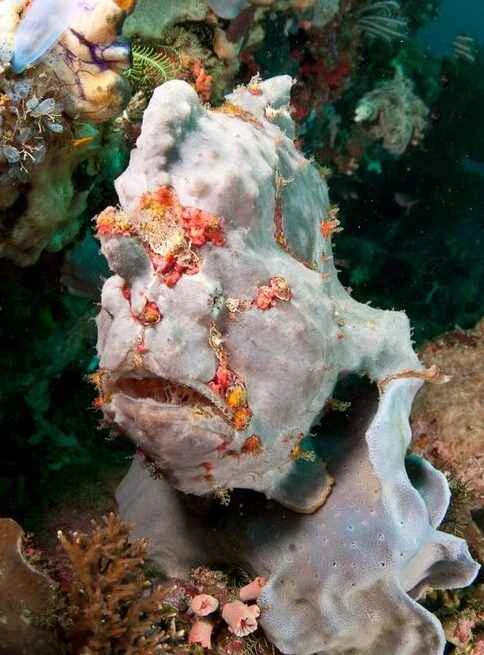
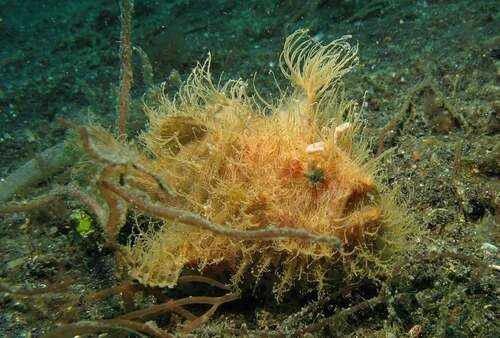
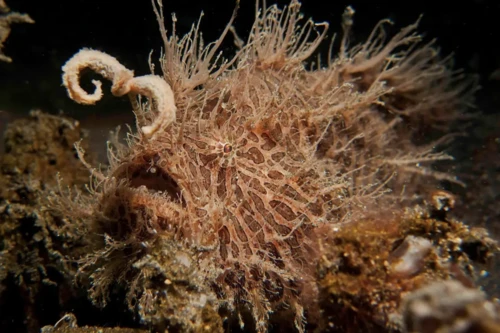
One of the most striking features of salamanders is their amazing ability to camouflage themselves. Their bodies are often covered with bumps, spines, or other growths, allowing them to mimic the appearance of sponges, corals, or rocks. Salamanders can change color to adapt to their surroundings, typically over days or weeks, depending on the species. This ability to blend perfectly with their environment makes them virtually invisible to predators and predators.
Body structure
Salamanders have short, round bodies and large, upward-facing mouths. Their skin is typically rough, and many species are covered in algae or debris, further enhancing their camouflage. Their dorsal fins have been modified into a lure to attract prey, making them relatives of barbel fish.
Color and texture
Diverse colors: Salamanders can be yellow, red, green, white, brown, or a mixture of colors, depending on their environment. Some species can even mimic the patterns of corals or sponges.
Texture adaptation: Their skin may have lumps, filaments or other structures that break their body contours, making them look like part of a coral reef or the seabed.
The habitat of salamanders: Where do they live?
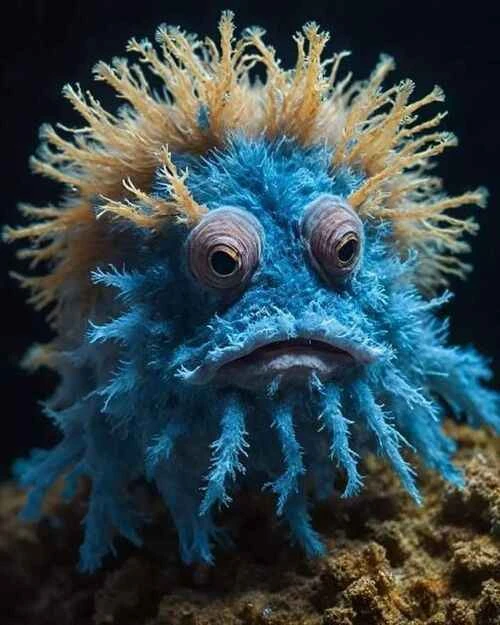
Salamanders primarily inhabit tropical and subtropical waters worldwide. They are most commonly found on coral reefs, rocky seabeds, or sandy bottoms, places ideal for their camouflage. Salamanders typically remain motionless, staying in the same spot for extended periods, waiting for prey to approach.
Geographical distribution
Salamanders are found in oceans worldwide, including:
Indo-Pacific region: This is one of the areas with the richest diversity of salamanders.
The Caribbean Sea: also a hotspot for many types of salamanders.
Atlantic Ocean: Although less common, salamanders have also been found along the Atlantic coast.
Depth range
Salamanders typically live in shallow waters ranging from 1 meter to 100 meters (3 to 330 feet) in depth, but some species can live at depths of up to 300 meters (985 feet).
Dietary Habits: How Salamanders Hunt
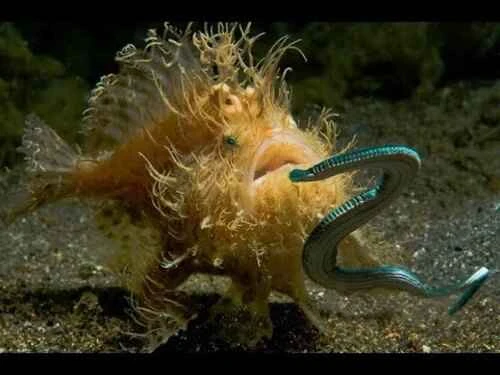
Salamanders are ambush predators. They don't actively swim to catch prey; instead, they lie quietly on the seabed, blending into their environment until the prey gets close. Their lure—a fleshy protrusion on their head that mimics the shape of a small fish or insect—is used to attract prey.
Predation techniques
Luring prey: Salamanders shake their tentacles (rod-like fins), with the lures at the ends mimicking the behavior of small fish or insects, thus attracting prey closer.
Ambush: Once the prey gets close, the salamander opens its mouth instantly, creating a vacuum that sucks the prey in. This process is extremely fast, taking less than 6 milliseconds.
Feeding: Salamanders swallow their prey whole. Thanks to their large mouths and expandable stomachs, they can swallow prey twice their own size, including other salamanders.
diet
Salamanders are carnivorous and have a relatively wide diet, typically including:
Little Fish
Crustaceans (such as shrimp and crab)
Other salamanders (yes, they are sometimes man-eaters).
Reproduction: Mating and Offspring
The breeding process of salamanders is fascinating, but risky for the females. Salamanders are typically solitary, only meeting during breeding season. The female lays eggs, which are then externally fertilized by the male. After fertilization, the female leaves the eggs, allowing them to develop on their own.
Mating behavior
Spawning: When salamanders are ready to mate, the male will gently touch the female, and they will swim together briefly.
Egg production: Female salamanders can produce up to 180,000 eggs, which are released as egg sacs formed from a gelatinous substance.
Fertilization: The male fertilizes the egg externally after it is released. After fertilization, the pair will quickly separate, usually with the female leaving quickly to avoid being preyed upon by the male.
development
The eggs of salamanders hatch into larvae, enter the planktonic stage, and then sink to the coral reef to begin their life as benthic organisms.
Natural enemies and threats
Although salamanders possess excellent camouflage skills that help them avoid predators, they are not entirely without threats. Their predators include:
Large predatory fish (such as grouper and squid).
shark
However, the greatest threat to salamanders comes from human activities. Habitat destruction, especially damage to coral reefs, severely impacts salamander populations. Furthermore, the occasional harvesting of salamanders for the aquarium trade can also affect their numbers in the wild.
Preserve the status quo
Currently, salamanders are not listed as an endangered species, but they are facing pressure from habitat loss and human activities. Protecting coral reefs and marine ecosystems is crucial to ensuring the survival of salamanders. Establishing marine protected areas (MPAs) is necessary to maintain healthy salamander habitats, while reducing pollution and overfishing also helps protect them.
Interesting facts about salamanders
The fastest predator in the animal kingdom: Salamanders can capture their prey in less than 6 milliseconds, making it one of the fastest predators in the animal kingdom.
Cannibalistic behavior: Salamanders are not picky eaters and sometimes devour other salamanders, including individuals of the same species.
"Walking Fish": Salamanders use their pectoral fins to "walk" on the seabed, a unique feature that adds to their charm.
Amazing camouflage: Some species are able to change their color and texture over time to adapt to their surroundings, making them almost invisible to predators and prey.
Salamanders are undoubtedly among the most unique and fascinating creatures in the ocean. Their astonishing camouflage abilities, coupled with lightning-fast hunting skills, make them masters of ambush predation. Despite their small size and slow movement, salamanders are extremely efficient predators. As human impact on marine ecosystems continues to increase, understanding and protecting species like salamanders becomes increasingly important. These fascinating fish remind us of the diversity of the ocean and the importance of protecting its habitat.