Marmots are fascinating burrowing rodents, known for their underground lifestyle. Primarily found in North and Central America, they play a vital role in ecosystems by loosening the soil and promoting plant growth. However, due to their digging habits, they are often considered pests by gardeners and farmers. This article will delve into the physical characteristics, physical features, and other important information about marmots to help you easily identify these animals.

Groundhog Appearance Characteristics
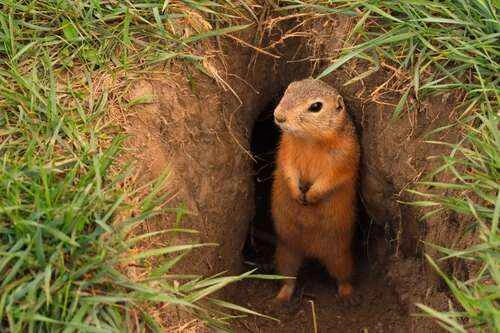
Groundhogs are typically small to medium-sized, ranging from 5 to 14 inches in length, depending on the species. They belong to the family Geomyidae and are named for their furry pouches on their cheeks, which they use to carry food and nesting material.
Here are some of the main characteristics of a groundhog:
1. Hair and color
Groundhogs have thick fur that ranges in color from brown to black, sometimes gray or sandy. Their fur is designed to blend into their environment, providing excellent camouflage and protection from predators. The soft, dense fur also protects them from soil erosion and keeps them warm while digging.
2. Teeth
One of the most distinctive features of marmots is their teeth. They have large, sharp incisors that are visible even when their mouths are closed. These teeth protrude, helping them to dig into hard soil, roots, and plants. Unlike other rodents, marmots' lips close behind their teeth, preventing them from swallowing soil while digging.
3. Body shape
Marmots are short and stocky, well-suited for digging. They are equipped with strong forelimbs and long, sharp claws specifically designed for digging in the soil. Their hind limbs are smaller, but still strong enough to help them push the soil backward while digging. The marmot's cylindrical body allows it to move easily through tunnels.
4. Eyes and ears
Groundhogs have small eyes and ears, reflecting their underground lifestyle. Because they spend most of their time underground in darkness, their eyesight isn't particularly strong. However, their sense of touch and smell are highly developed, helping them navigate and find food.
5. Tail
The marmot's tail is relatively short, usually about the same length as its hind legs. Interestingly, the tail has sparse or bare hair, serving as a sensitive tactile tool. When a marmot retreats backward in a dark tunnel, it often relies on its tail to sense its surroundings.
Groundhog Behavior: How to Utilize Their Physical Characteristics
After learning about the appearance of groundhogs, it is important to understand the connection between their physical characteristics and behavior.
1. Digging and excavation
Groundhogs are expert diggers. They can use their strong forelimbs, sharp claws, and large incisors to dig extensive tunnels and chambers. Their body structure is designed for digging, and their cylindrical shape allows them to move nimbly in narrow underground spaces. These burrowing habits help them find food, build nests, and escape predators.
2. Cheek pockets
Furry pouches are a distinctive feature of the marmot. These pouches extend backward to the shoulders and are used to store food such as roots, tubers, and plant stems. Marmots can carry large amounts of food back to their underground burrows without having to make multiple trips.
3. Defense Mechanism
Due to their small size, groundhogs are easy targets for predators such as owls, snakes, foxes, and even domestic cats. To defend themselves, groundhogs rely on their digging skills. When threatened, they can quickly disappear into their burrows. Their camouflage fur also helps them blend into the surrounding soil.
How to detect the presence of ground squirrels
If you want to know if there are groundhogs in your garden or yard, you can look for the following signs:
Mounds: Groundhogs leave fan-shaped mounds of earth near the entrance of their tunnels, which are clear signs of their presence.
Gnawing on plants: Groundhogs are herbivores that typically feed on the roots, stems, and leaves of plants. If you find plants near the ground that have been gnawed or damaged, groundhogs are likely the culprit.
Tunnels: Groundhogs create intricate networks of tunnels that can span hundreds of square feet. These tunnels are typically located below the soil surface.
The difference between groundhogs and other burrowing animals
Groundhogs are often confused with other burrowing animals such as moles, voles, and groundhogs. Here are some ways to distinguish them:
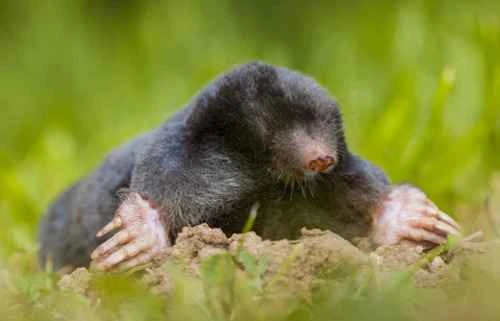
Groundhogs and moles: Moles are insectivorous, while groundhogs are herbivores. Moles have large, shovel-like forepaws specifically for digging, while groundhogs use their teeth and claws.
Groundhogs vs. Field Mice: Field mice are smaller than groundhogs, with shorter snouts and smaller front teeth. Field mice typically live in grasslands and are not as adept at digging as groundhogs.
Groundhog vs. Groundhog: Groundhogs are larger than groundhogs, reaching up to 30 inches in length. Groundhogs also hide less and spend more time on the ground.
in conclusion
In short, marmots are small burrowing rodents with unique physical characteristics that adapt them to underground life. Their large incisors, strong forelimbs, and cheek pouches distinguish them from other animals. Although they may be considered pests by some, marmots play an important role in soil health and ecological balance. Now that you understand the physical characteristics of marmots, you will be better able to identify and understand these fascinating creatures.
By understanding the appearance and behavior of groundhogs, you can take appropriate measures to manage their presence in the garden or appreciate their role in nature.