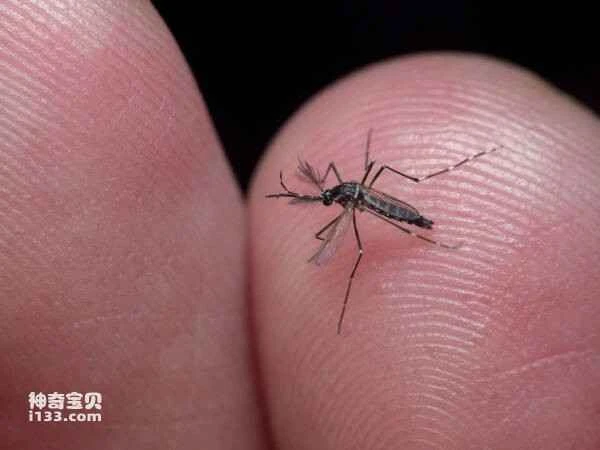
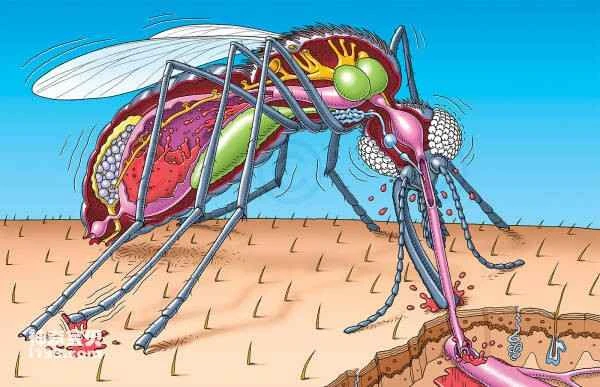
Mosquitoes are extremely annoying insects, possessing piercing-sucking mouthparts and a small body. Most male mosquitoes in the Culicidae family primarily feed on plant sap, while female mosquitoes, to meet their growth needs, require ectoparasites on the surface of other organisms, using their piercing-sucking mouthparts to penetrate the host's skin and suck blood. However, mosquitoes are not only a nuisance pest, but more frightening are the diseases they transmit; it is estimated that mosquitoes can transmit more than 80 diseases.
Globally, some mosquitoes are particularly venomous. These include Aedes aegypti, Aedes albopictus, Anopheles gambiae, Anopheles sinensis, Aedes dongxiang, Anopheles minimus, and Anopheles fasciatus. The diseases and venom levels carried by these mosquitoes are extremely dangerous and pose a threat to human health.
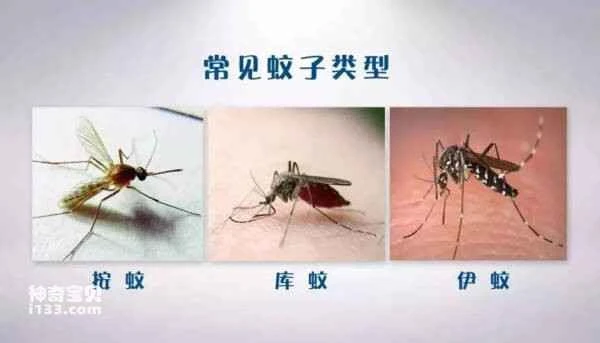
Understanding these mosquitoes and their potential harms can help us better prevent and control the spread of these diseases, protecting our own health and that of our families. May we, through greater understanding and preventative measures, effectively avoid the potential threats posed by mosquitoes.
1. Aedes aegypti
(Transmission of urban yellow fever/dengue fever and dengue hemorrhagic fever/kikengonya/Ligu fever)
In the ranking of mosquito venom toxicity, Aedes aegypti undoubtedly ranks at the top. This mosquito is widely distributed across all continents, and can be found on almost every continent except Antarctica. In China, Aedes aegypti is mainly distributed in Guangdong, Guangxi, Xishuangbanna, and Hainan. Female Aedes aegypti typically feed on human blood to lay their eggs.
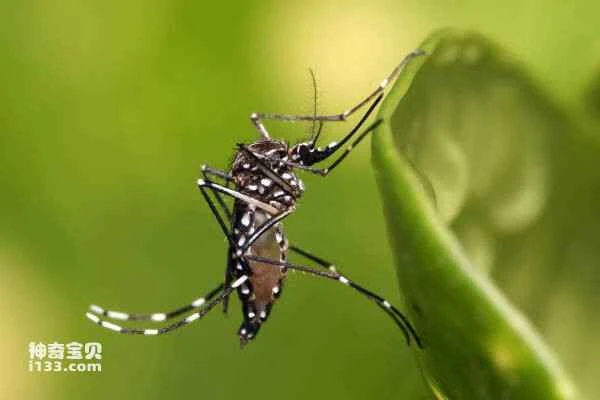
The Aedes aegypti mosquito is a dangerous vector for infectious diseases, carrying a variety of harmful pathogens. They are key vectors for the transmission of viruses such as urban yellow fever, dengue fever, dengue hemorrhagic fever, chikengony, and standing valley fever. In addition, Aedes aegypti can transmit various zoonotic diseases through their bites, including eastern equine encephalitis, western equine encephalitis, and Venezuelan equine encephalitis. For these reasons, Aedes aegypti is widely recognized as one of the most dangerous mosquitoes in the world, and the diseases it transmits pose a serious threat to human health.
2. Aedes albopictus
(Transmission of dengue fever/chikungunya/Japanese encephalitis/yellow fever/Usutu virus)
Aedes mosquitoes, commonly known as tiger mosquitoes, are considered one of the most venomous mosquitoes in the world. Among them, the Aedes albopictus is of particular concern in the mosquito world, considered a crucial global control target, and a key member of the Aedes family. This species transmits diseases such as dengue fever and chikungunya in Southeast Asia and is also one of the main vectors of dengue fever in China.
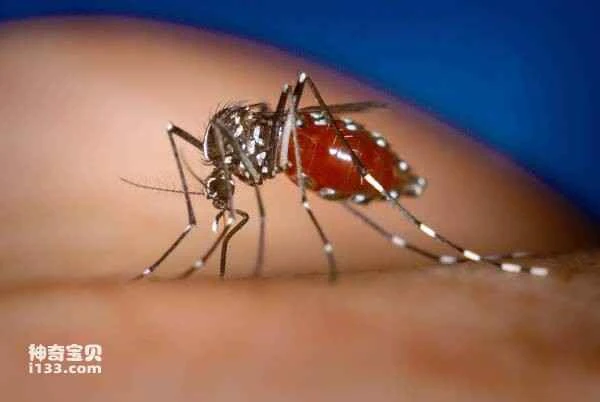
Based on experimental infection results conducted in China and abroad, the Aedes albopictus mosquito can transmit not only dengue fever, but also carry and transmit a variety of viral diseases, including yellow fever, western equine encephalitis, and Venezuelan equine encephalitis. Of particular note is the fact that the Aedes albopictus mosquito triggered the first-ever chikungunya outbreak in Europe, an event that has garnered widespread attention.
Worryingly, the Aedes albopictus mosquito appears to have adapted to temperate climates, enabling it to survive in sub-freezing temperatures and snowy weather.
3. Anopheles gambiae
(The most dangerous Plasmodium parasite transmits malaria/filariasis)
Anopheles mosquitoes are also considered among the most venomous mosquitoes, with Anopheles gambiae being particularly well-known. These mosquitoes carry Plasmodium falciparum, one of the deadliest malaria parasites. According to the World Health Organization, there were over 200 million cases of malaria globally in 2012, with over 600,000 deaths, the vast majority of which occurred in Africa. In sub-Saharan Africa, Anopheles gambiae is one of the primary vectors of malaria.
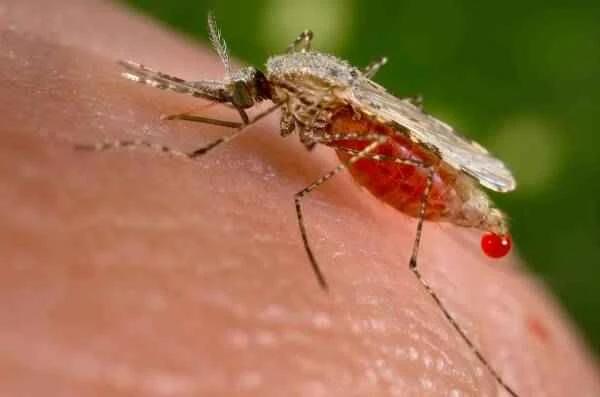
In Africa, a child dies from malaria every minute, and nine out of ten people die from the disease. The range and threat posed by the Anopheles gambiae mosquito are immense. This species invaded Mexico in the 1830s, causing a large-scale dengue fever outbreak.
4. Anopheles sinensis
(Transmission of malaria/filariasis/Japanese encephalitis)
One of the most venomous mosquitoes in China is the Anopheles sinensis , which holds a prominent place in lists of highly venomous mosquitoes. This mosquito is widely distributed across Asian countries, including Laos, Myanmar, Thailand, Singapore, Vietnam, South Korea, Japan, and North Korea. In China, Anopheles sinensis is mainly found in areas with an average annual temperature below 10°C.
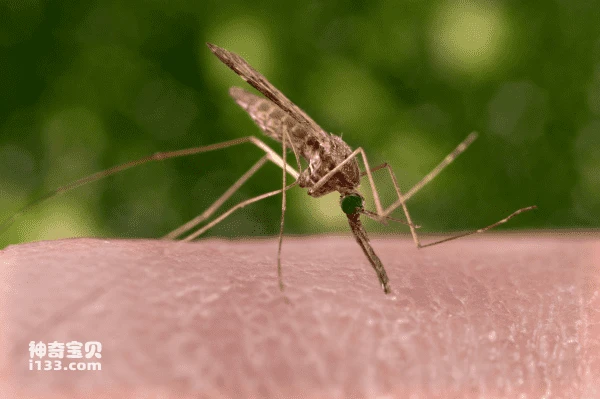
Anopheles sinensis mosquitoes typically feed on the blood of humans and animals. They rarely feed on human blood when there is an ample supply of livestock blood in the vicinity. However, if nearby domestic animals are scarce, reducing the available blood supply, Anopheles sinensis mosquitoes will also feed on human blood in large quantities. Although not a highly efficient pathogen transmitter, their large populations can trigger outbreaks of disease.
Anopheles sinensis is one of the important vectors for diseases such as malaria and filariasis, and can also transmit diseases such as Japanese encephalitis.
5. Aedes aegypti
(Transmission of Japanese encephalitis/filariasis)
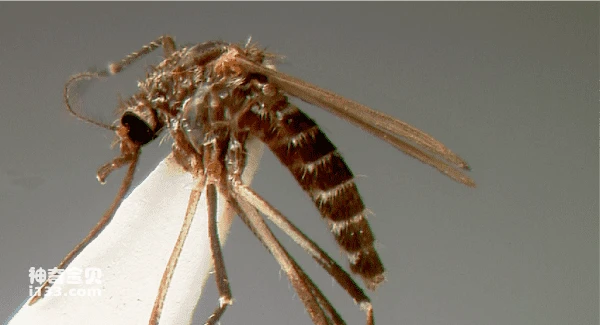
Aedes mosquitoes are aggressive biting insects, with some species acting as vectors for pathogens such as yellow fever and dengue fever, while a few are also vectors for filariasis. In China, *Aedes togo* is mainly distributed along the coastal areas from Liaoning to Guangdong and some islands, and has also been found in Japan, North Korea, the former Soviet Union, Thailand, and Malaysia. On some overseas islands, *Aedes togo* is a vector for Malayan filariasis; although natural infections of Malayan filariasis have been found in China, *Aedes togo* is not a primary vector for this disease. In Northeast China, Japanese encephalitis virus has been isolated from this mosquito species.
6. Anopheles minimus
(Transmission of malaria/filariasis)
Anopheles minimus is a common type of venomous mosquito in China. Its habitat and feeding habits vary from region to region: Anopheles minimus on Hainan Island, China, tend to feed on human blood, especially females, which mostly prefer to feed indoors; while in mainland China, Anopheles minimus tend to feed on both human and animal blood, with a preference for animal blood, especially in higher latitude areas. There are fewer Anopheles minimus that feed on human blood, but more that feed on cow blood, and they often live in cattle sheds.
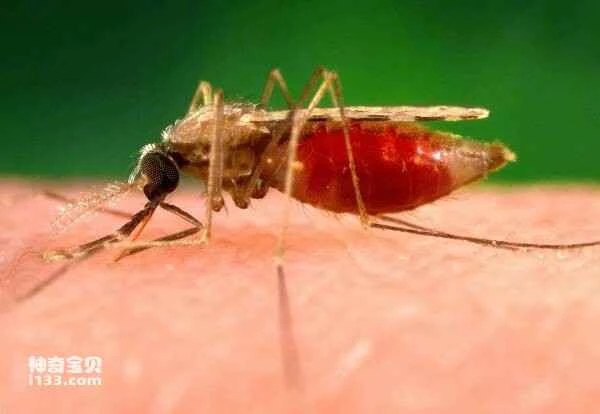
This mosquito is a major vector for malaria in the mountainous and hilly areas of southern China. In some regions, there have been reports of Anopheles minimus naturally infecting larvae of Filaria bancrofti, indicating that Anopheles minimus is also a significant vector for malaria in Southeast Asia.
7. Large-sized Anopheles mosquitoes
(Spreading malaria)
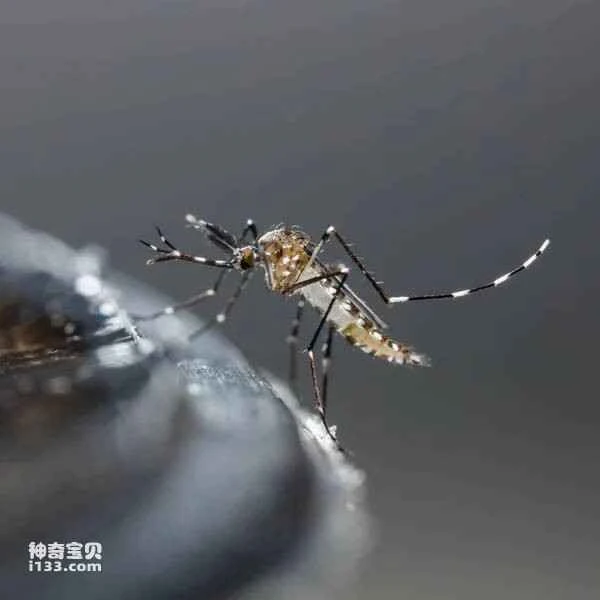
Anopheles maximus, listed as one of the ten most venomous mosquitoes, belongs to the tropical jungle mosquito species. This mosquito primarily breeds in dense forests, in secluded mountain streams, caves, stagnant water, and seepage areas where direct sunlight is absent. Female mosquitoes prefer to feed on human blood; once they enter a room to feed, they quickly fly out to rest in the wild, where they also bite. Anopheles maximus is one of the main vectors of malaria in the jungles and mountainous areas of Hainan Island, China, with a natural gland infection rate as high as 1.7%–5.9%. It also plays an important role in malaria transmission in many parts of Southeast Asia.
8. Culex pipiens sharpii
(Transmission of malaria/Malaysian fever/dengue fever/Rift Valley fever/West Nile virus)
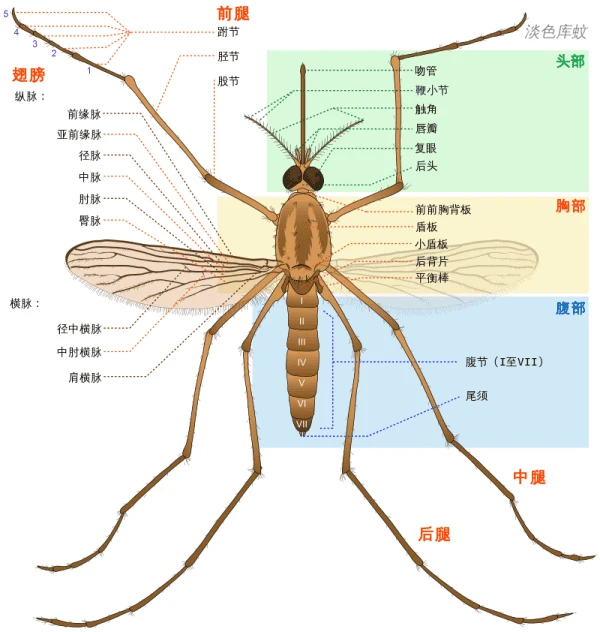
Culex mosquitoes, also known as house mosquitoes, are among the most common mosquitoes in my country. They lurk in homes day and night, waiting to feed on blood, making them a very common household pest. Globally, Culex mosquitoes are widely distributed, with nearly 800 known species and subspecies. Among them, Culex pipiens suavenifolia is found on every continent, including Europe, Asia, Africa, South America, and North America.
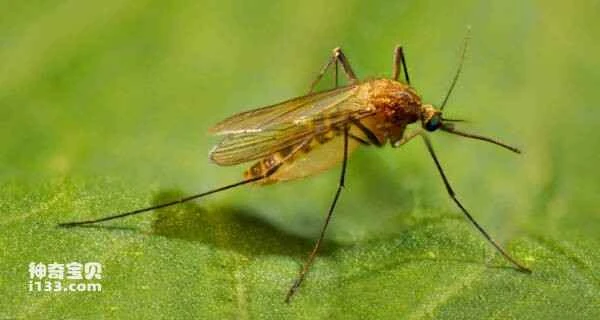
Female Culex mosquitoes feed on blood, especially human blood, while males primarily feed on pollen, nectar, and plant sap. This makes them potentially dangerous vectors for diseases such as malaria, Malayan fever, dengue fever, and Rift Valley fever, which pose a serious threat to human health.
9. Culex tritaeniorhynchus
(Transmission of Japanese encephalitis/filariasis/dengue fever)
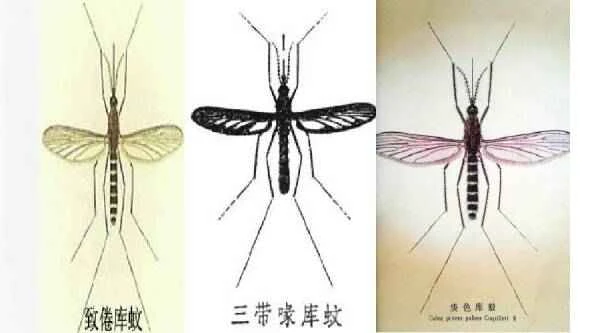
Culex tritaeniorhynchus is distributed in many countries, including Pakistan, India, Bangladesh, Sri Lanka, Myanmar, Thailand, Cambodia, Vietnam, Malaysia, and Singapore. In China, it is found throughout the country except for Xinjiang and Tibet, where its distribution has not yet been recorded. This mosquito primarily feeds on pig and human blood and is one of the main vectors of Japanese encephalitis in China. Compared to vectors such as Culex pipiens pallens and Aedes albopictus, Culex tritaeniorhynchus is hundreds of times more susceptible. Besides Japanese encephalitis, it also transmits several other important diseases, including filariasis and dengue fever.
To prevent the spread of Culex tritaeniorhynchus mosquitoes, emphasizing environmental sanitation and eliminating breeding water sources are basic control measures.
10. Anopheles mosquitoes that are attracted to humans
(Transmission of malaria/filariasis)
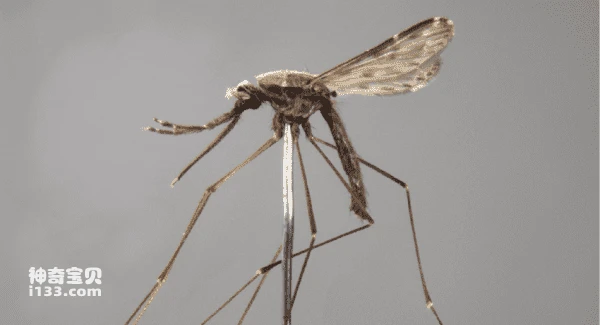
Anopheles anthropophagus is widely distributed in Jiangsu, Zhejiang, Anhui, Jiangxi, Fujian, Hunan, Hubei, Sichuan, and Yunnan provinces of China, and is a unique vector for malaria transmission in the country. It is mainly active in the middle and lower reaches of the Yangtze River and the low mountain and hilly areas north of 25°N latitude, where it is a significant source of transmission for malaria and Malayan filariasis. Anopheles anthropophagus is very similar to Anopheles sinensis , but the main differences are that the base of the leading edge vein of the wing is usually uniformly black, the lateral membrane of the abdomen lacks the T-shaped dark spot, and the lateral vein of the arm lacks scales; the male also lacks pale scales on the dorsal surface of the coxae of the claspers.
These mosquitoes prefer to feed on human blood and are highly efficient at transmitting malaria. In areas where Anopheles anthracis mosquitoes are the primary vector, the spread of malaria can be very serious.