Swans are elegant waterfowl, often considered iconic species of lakes and waterways. Below is detailed information about swans and their habits:
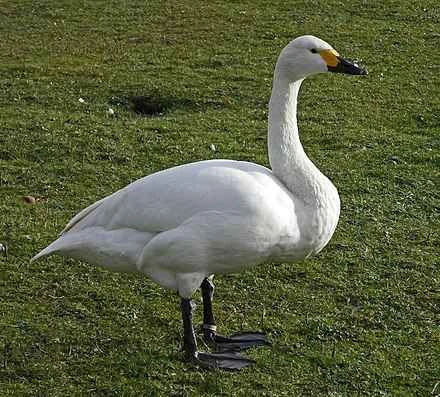
Physical characteristics:
Size: Swans are large waterfowl with long necks and strong bodies. Their weight can range from 11 to 15 kilograms when they are adults, and sometimes even more.
Feathers: Swans are usually named for their pure white feathers, which are also their most distinctive feature. The feathers are extremely soft, providing them with the insulation they need to swim in water and survive in cold environments.
Beak and feet: Swans have orange or black beaks and pink feet, which contrasts sharply with their pure white feathers.
Distribution and Habitat:
Geographical distribution: Swans are distributed all over the world. Some species mainly inhabit the Northern Hemisphere, such as the mute swan, while others are mainly distributed in the Southern Hemisphere, such as the black swan and several swan species in South America.
Habitat: Swans typically choose to live in aquatic environments such as lakes, rivers, marshes, and coastal wetlands, where abundant food resources and habitats are provided.
Lifestyle habits:
Diet: Swans are omnivorous, mainly feeding on aquatic plants, aquatic grasses, algae, and some small aquatic organisms. They usually search for food by diving or directly in the water.
Migration: Some swan species undertake seasonal migrations in search of more suitable habitats and climate conditions. Migration typically occurs during the colder seasons.
Social behavior: Swans are social birds; they often form groups and develop complex social structures within these groups. They also live in family units.
Reproduction: Swans typically have a high breeding rhythm, and they will seek suitable environments to build nests and incubate during specific breeding seasons.
Conservation behavior: Swans usually have a strong instinct to protect their territory and offspring, and some species take great care of their offspring during or after incubation.
type:
The Swan family includes several different species, mainly including the Mute Swan, the Chameleon Goose, the Black Swan, and the Bewick's Swan.
Protection status:
Swans are highly regarded for their beautiful appearance and important ecological role. In some areas, the protection of swans and their habitats has been incorporated into local protected areas and conservation plans.
Swans are beloved for their noble and elegant appearance and diverse lifestyles. A deeper understanding of swan ecology and conservation status allows us to better protect these beautiful animals and their habitats, thus maintaining ecological balance.