Scarabs are a large group of organisms, mainly distributed in Africa, Madagascar, and South America. Scarabs are generally known for their robust exoskeletons and unique lifestyle habits. Below is detailed information about scarabs and their habits:
Physical characteristics:
Giant size: Scarabs come in a wide variety of sizes, with the largest species having adults that can reach 10 centimeters or even longer.
Exoskeletons: They have a hard exoskeleton that provides excellent protection.
Horns: Male scarabs typically have well-developed horns, which play an important role in courtship, competition, and defense.
Distribution and Habitat:
Geographical distribution: Scarabs are mainly distributed in Africa, South America, and Madagascar.
Habitat: They typically live in forests and grasslands in tropical and subtropical regions, and some species also appear in deserts and arid regions.
Lifestyle habits:
Diet: Scarabs are usually scavengers, feeding on decaying plant and animal tissues.
Reproduction: Scarabs typically use compost as their egg-laying site. Female scarabs lay their eggs in fermenting organic matter, and the larvae that hatch from the eggs use this organic matter as food.
Uses of horns: Male scarabs typically use their horns when mating and competing for mates. They may compete with each other in terms of the size and strength of their horns to vie for mating rights.
Rolling behavior: Some species of scarabs are adept at rolling their feces into balls and then pushing them to suitable places to use as food storage or egg-laying sites.
Diversity of species:
The family Stigmatidae contains approximately 30,000 different species, encompassing a wide variety of lifestyles and body sizes. Among them, the most famous are perhaps the African rhinoceros beetle and the South American giant scarab beetle.
Cultural significance:
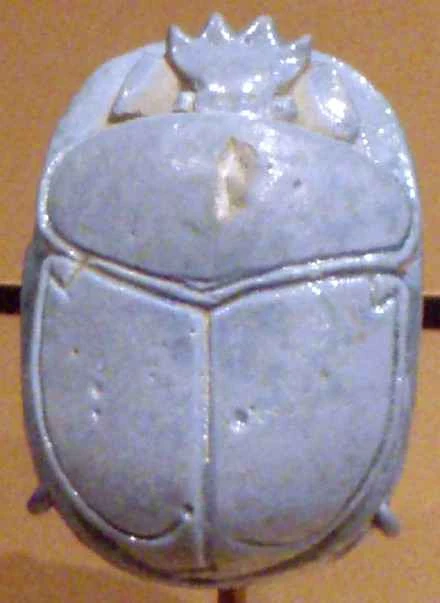
Due to its magnificent appearance and peculiar behavior, the scarab beetle has symbolic significance in many cultures, being regarded as a symbol of holiness or power. In ancient Egyptian culture, in particular, the scarab beetle symbolized rebirth and a new life.
Protection status:
Due to their unique ecological role and symbolic significance, some scarab beetle species face threats from habitat loss, human capture, and international trade. Therefore, several organizations and conservation programs are dedicated to protecting these species and their habitats.
The scarab beetle, an ancient and mysterious insect, holds significant value in the fields of biology, ecology, cultural studies, and art. Scientific research on scarab beetles helps us gain a deeper understanding of the diversity of nature and also contributes to promoting conservation measures.