The Amazon rainforest, known as the "lungs of the Earth," is not only a vital ecological treasure but also the birthplace of rich cultural practices, especially in terms of diet. The abundant edible insects in the rainforest are a crucial food source for many indigenous communities. As global issues of food security, malnutrition, and environmental sustainability become increasingly prominent, the role of edible insects is becoming ever more important.
Global Context of Edible Insects
Globally, approximately 1,900 to 2,000 insect species are consumed by about 3,000 populations in more than 102 countries. This figure represents only 0.2% of the more than one million insect species described in 2010. In recent years, interest in insectivorous behavior (i.e., eating insects) has been increasing, primarily due to the pressure on traditional food systems caused by global population growth and the urgent need to find alternative protein sources.
Benefits of eating insects
Nutritional advantages
Edible insects are rich in essential nutrients and are an excellent food source. Their key nutritional advantages include:
High protein content: Many edible insects have protein content comparable to traditional meats. For example, the larvae of the palm weevil (Rhynchophorus palmarum) contain about 76% protein, while beef contains about 50-57% protein.
Rich in micronutrients: Insects are a source of important vitamins and minerals such as iron, zinc, and B vitamins, which are essential for maintaining health and combating malnutrition.
Healthy fats: Insects contain beneficial fatty acids, including unsaturated fatty acids that can reduce the risk of heart disease. For example, the larvae of the palm weevil contain between 21% and 54% fat, providing an excellent source of energy.
Easily digestible: Insect proteins are highly digestible, meaning the body can absorb and utilize these nutrients more efficiently than some plant proteins.
Environmental sustainability
Compared to traditional livestock farming, insect farming has a much smaller environmental impact. Its main ecological advantages include:
High resource efficiency: Insects require far less land, water, and feed to produce protein than traditional livestock. For example, producing 1 kg of beef requires about 25 kg of feed, while producing 1 kg of insects only requires 2 kg of feed.
Lower greenhouse gas emissions: Insects emit far fewer greenhouse gases than cattle and other livestock, making them a more sustainable source of protein in the context of addressing climate change.
Waste reduction: Many insects can feed on organic waste and convert it into high-quality protein, promoting the development of a circular economy.
Edible insects of the Amazon
The Amazon rainforest is home to approximately 135 edible insect species, representing about 0.23% of the region's estimated 60,000 insect species. Among the most commonly consumed species are:
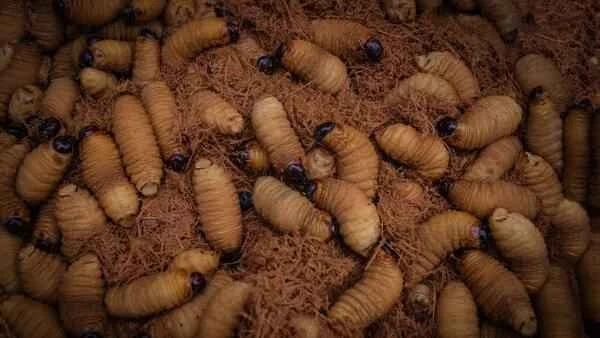
Palm weevil larvae (Rhynchophorus palmarum): commonly known as suri or chontacuro, are an important food source in many Amazonian communities. They can be eaten raw, roasted, fried, or even sold in urban markets.
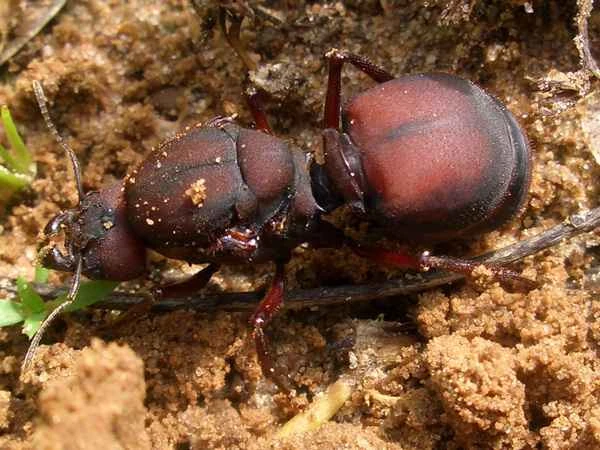
Ants and termites: Species such as Atta cephalotes and Atta sexdens are also popular. Indigenous groups in the Brazilian and Colombian Amazons, such as the Andoque, frequently consume these insects.
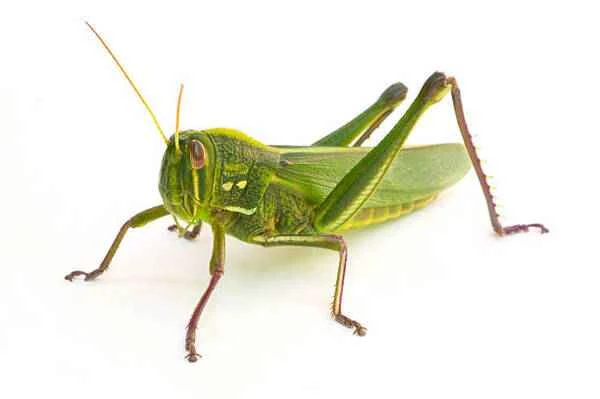
Locusts and beetles: Other insects from the orders Orthoptera and Coleoptera were also collected and consumed in various ways.
Cultural significance
In many indigenous communities in the Amazon, the consumption of insects is deeply ingrained in their cultural traditions. For example, some groups celebrate the harvest of specific insects during festivals, incorporating them into rituals and traditional dishes. This cultural connection not only emphasizes the importance of insects in their diet but also strengthens a sense of community belonging and identity.
Amazon's insect consumption patterns
Insect consumption levels vary across different communities in the Amazon. Studies indicate that while there are many edible insect species, only about 30 are actually consumed regularly. Palm weevil larvae are particularly popular, with reports suggesting that some communities, such as the Yanomami, consume an average of 6 kilograms of suri per person per year, equivalent to about 50 larvae per month, reflecting the importance of this food source.
City Market Dynamics
In urban areas of the Amazon, particularly in the city of Iquitos, Peru, edible insects are sold in markets. Sales of palm weevil larvae can reach an average of 3,500 per day on weekends, demonstrating their popularity and economic importance.
Cooking customs
In the Amazon, edible insects are prepared in a variety of ways. Traditionally, they might be eaten raw, cooked alive, roasted, or fried. In recent years, urban chefs have begun incorporating these ingredients into modern cuisine, creating innovative recipes that combine indigenous and modern culinary techniques.
Some popular dishes include:
Juane de Chonta: This is a traditional dish that combines palm larvae and palm shoots, showcasing the unique flavors of the Amazon.
Roasted palm larvae: Commonly found in restaurants as a delicious appetizer, these dishes attract not only locals but also tourists.
Nutritional components of edible insects
Many studies have highlighted the impressive nutritional content of edible insects.
Protein content: The protein content of edible insects varies greatly. Woodworm larvae contain 30% protein, while some wasps contain as much as 80%. For example, the protein content of palm weevil larvae is 76%, which is higher than that of most traditional meats.
Fat content: The fat content of insects is also worth noting. Traditional meats contain about 17% to 19% fat, while palm weevil larvae contain between 21% and 54% fat, and usually contain healthy unsaturated fatty acids.
Caloric value: The caloric density of 100 grams of palm weevil larvae is approximately 560 kcal, while that of beef is 430 kcal per 100 grams.
Biological value of protein
Insects are not only high in protein, but also have high biological value, meaning they contain all the essential amino acids required by humans. This high biological value makes insects a good supplement to other protein sources, especially plant-based foods such as rice or cassava that lack certain essential amino acids.
Challenges and Future Prospects
Despite the obvious benefits of eating insects, several challenges remain:
Cultural resistance: In some regions, eating insects is considered "dirty" or unpalatable, reflecting cultural prejudice. These perceptions can be changed through education and awareness campaigns, emphasizing the nutritional and environmental benefits of insects.
Seasonality: The availability of insects is seasonal, which affects their consumption patterns. Climate change and environmental degradation may also affect insect populations and biodiversity.
Market Development: The potential market for edible insects is enormous but currently underdeveloped. Establishing a robust supply chain and promoting insect farming can help meet this demand.
Regulatory Framework: It is crucial to establish safety standards and regulations for insect farming and processing to ensure consumer health and enhance confidence in edible insects as a viable food source.
Promote insect farming
Countries like Thailand and Mexico have begun large-scale insect farming. This not only enhances food security but also provides economic opportunities for rural communities. Promoting insect farming could offer a sustainable solution to the global food problem.
Edible insects offer a promising solution to some of today's most pressing problems—food insecurity, malnutrition, and environmental sustainability. By embracing traditional practices and integrating them into modern culinary culture, awareness and consumption of these nutrient-rich organisms can be increased. Driven by education, cultural acceptance, and economic support, the popularization of edible insects can not only provide innovative solutions to global food challenges but also propel a sustainable and nutritious future.