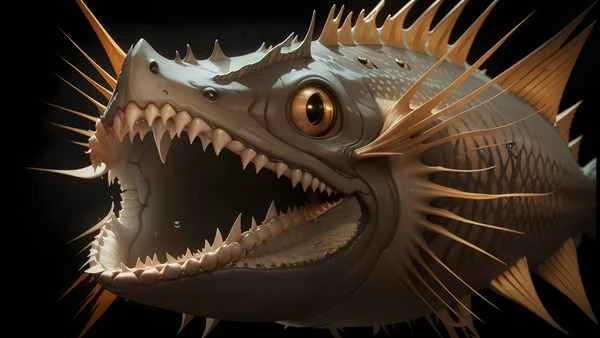
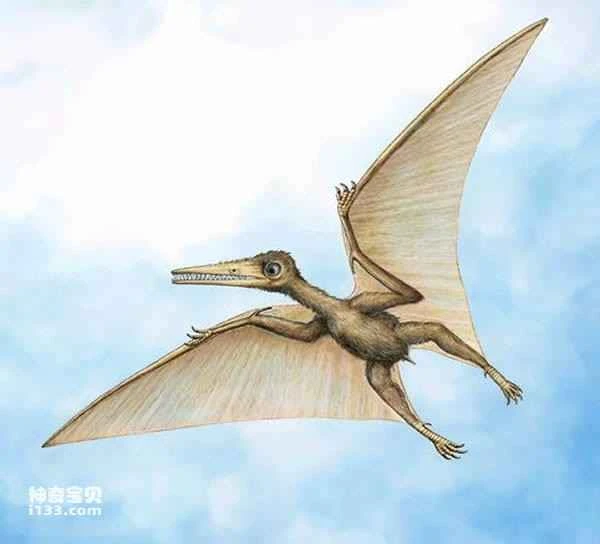
Mammals are a very special group of animals; they have some unique characteristics that help us distinguish them from other animals. For example, cats and dogs are mammals, but fish and parrots are not. Humans themselves are mammals! This means that we share far more similarities with cats and dogs than with cats and fish.
Next, we will introduce the main characteristics of mammals to children in a simple and easy-to-understand way, so that everyone can easily understand and learn to distinguish mammals from other animals.

What are mammals? (Child's definition)
Mammals are vertebrates : these animals all have skeletons made of bones.
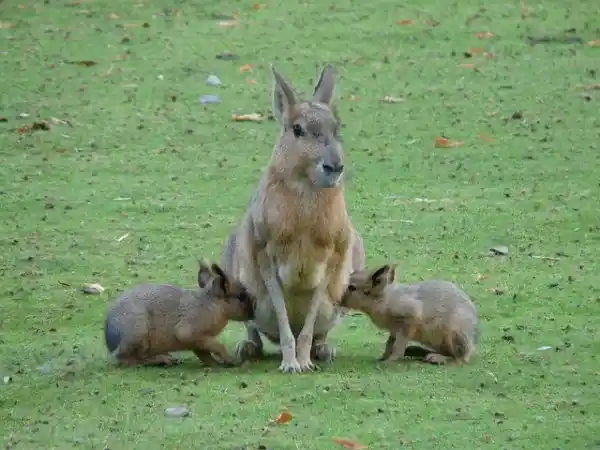
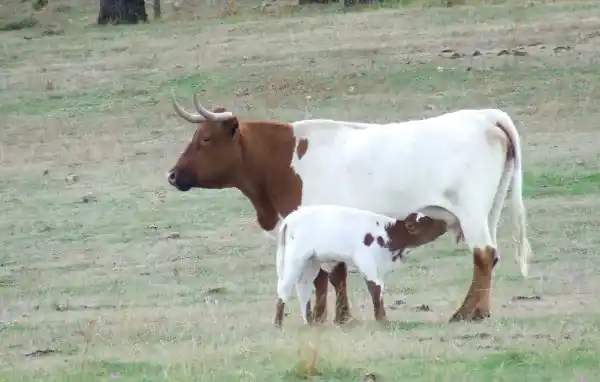
The most distinctive characteristic of mammals is that their babies obtain nutrition and energy for growth through their mother's milk after birth. This is the origin of the name "mammal".
The earliest mammal fossils discovered by scientists are about 200 million years old , dating back to the Triassic period of the Mesozoic Era, when they coexisted with dinosaurs. After the extinction of the dinosaurs (about 65 million years ago), mammals began to proliferate and gradually occupied an important position on Earth.
Today, mammals are found almost all over the world:
In the ocean , there are whales and dolphins;
Otters live in freshwater environments ;
On land , there are lions, rabbits, and even flying bats.
Different environments led them to evolve different physical characteristics:
Marine mammals have fins ;
Land mammals have four limbs ;
Flying mammals (bats) have wings or special membranes for flight.
Key characteristics of mammals (explained in a children's version)
Hair : All mammals have hair at least at some stage. Hair helps with warmth, protects the body, and can even be used as a weapon. For example:
The quills of a porcupine are deformed hairs;
The horns of armadillos and rhinoceroses are also composed of keratin (hardened hair).
It has sweat glands : it excretes waste products from the body and regulates body temperature through sweating.
Warm-blooded animals : also known as homeothermic animals. Regardless of whether the external environment is hot or cold, they can maintain a stable body temperature.
Viviparous : Most mammals develop their babies in the mother's uterus, where the placenta provides nutrition and protection.
Mammary glands : The mother's mammary glands secrete milk, which serves as the newborn's first food.
It has lips and a hard palate : making it easy for the baby to suckle and breathe at the same time.
Deciduous teeth and permanent teeth (double dentition) : Most mammals will go through a process of replacing their baby teeth with permanent teeth.
The ear has three small bones : malleus, incus, and stapes, which are unique auditory structures found only in mammals.
Diverse diet :
Animals that eat plants are called herbivores (such as cows and sheep);
Animals that eat meat are called carnivores (such as lions and tigers);
Animals that eat insects are called insectivorous animals (such as bats and hedgehogs).
Animals that eat both plants and meat are called omnivores (such as humans and bears).
Some even eat plankton (such as baleen whales).
Classification and Examples of Mammals
To study and understand mammals, scientists classify them into different "groups." The three main groups are:
1. Monotremes (egg-laying mammals)
The only mammal that lays eggs.
They are distributed in Australia and Oceania.
Examples: Platypus, echidna.
2. Bagged items
It is viviparous, but does not have a true placenta.
When a baby is born, it is very small and will crawl into the mother's **breast pouch** to continue developing.
Examples: kangaroo, koala, opossum, wombat.
3. Placental products
It has the largest quantity and the most diverse variety.
It has a real placenta and can nurture a more mature baby inside the mother's body.
Representative types:
Rodents : mice, squirrels, beavers, guinea pigs.
Carnivores : Felidae (lions, tigers), Canidae (dogs, wolves), Ursidae (bears, pandas).
Primates : monkeys, orangutans, humans.
Even-toed ungulates : cattle, sheep, deer, camels, giraffes.
Perissodactyls : horse, zebra, rhinoceros.
Cetaceans : whales, dolphins.
Elephant species : Asian elephant, African elephant.
Summarize
Mammals are among the most important groups of animals on Earth, and they are inextricably linked to humans. They can live in diverse environments and possess a range of unique characteristics such as fur, milk, and homeothermic behavior. By learning about these aspects, children can gain a clearer understanding of our relationship with other animals, appreciate the diversity of nature, and better understand the importance of cherishing and protecting these life forms that share our planet.