When it comes to teeth, humans seem quite "fragile": we only have two sets of teeth in our lifetime, and losing them requires expensive dental care. However, in the animal kingdom, many creatures possess the amazing ability to regenerate teeth. This skill seems almost magical to humans. This article will take you on a journey through the wondrous world of tooth regeneration, answering common questions and introducing animals that can continuously grow new teeth.
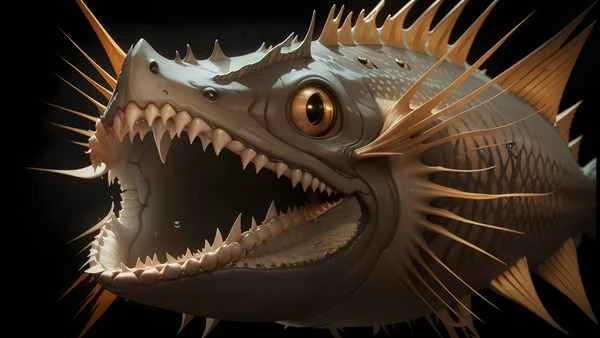
Which animals can regenerate their teeth?
Animals' ability to regenerate teeth is called polyphyodonty , and this ability is most common in reptiles, fish, and some amphibians. Unlike humans, who only grow two sets of teeth (diphyodonty), many animals can replace their teeth multiple times throughout their lives.
Sharks: The "Kings" of Tooth Regeneration
Sharks are perhaps the most famous animals that regenerate teeth.
A shark may lose up to 30,000 teeth in its lifetime!
They replace their teeth very frequently; some species can grow new teeth every two weeks .
This ability allows them to maintain sharp teeth at all times, ensuring their status as apex predators in the ocean.
Reptiles: Crocodiles and Lizards
Crocodiles have a similar tooth regeneration system, but at a lower frequency. A crocodile can replace its teeth about 50 times in its lifetime.
Some lizards, such as monitor lizards , can also regenerate their teeth, which is an important feature of their hunting adaptations.
Fish: Experts at constantly replacing their teeth
Many fish (such as piranhas and catfish ) are able to replace their teeth throughout their lives.
Parrotfish are a special example; they use their strong, regenerating teeth to scrape algae off coral reefs.
Amphibians: Teeth and other regenerative abilities
Amphibians like salamanders , though little known, can regenerate their teeth.
Even more surprisingly, salamanders can regenerate other parts of their bodies, such as limbs and tails, making them true experts in the field of regeneration.
Can mammals regenerate their teeth?
Most mammals, including humans, have only two sets of teeth: deciduous teeth and permanent teeth. However, there are some exceptions:
Elephants replace their tusks multiple times throughout their lives.
Manatees have a "conveyor belt" system where new teeth grow from the back of the jawbone, gradually moving forward to replace the old teeth.
Rodents (such as mice and rabbits) do not lose their incisors; instead, they continue to grow and need to gnaw to maintain their proper length.
Why can't humans regenerate their teeth?
Humans are double-teething animals , meaning we only have two sets of teeth in our lifetime. This evolutionary selection likely aims to make our teeth stronger and more durable, rather than requiring frequent replacement. This characteristic has its advantages, but it also makes us reliant on medical care when we lose teeth.
The scientific principles of tooth regeneration
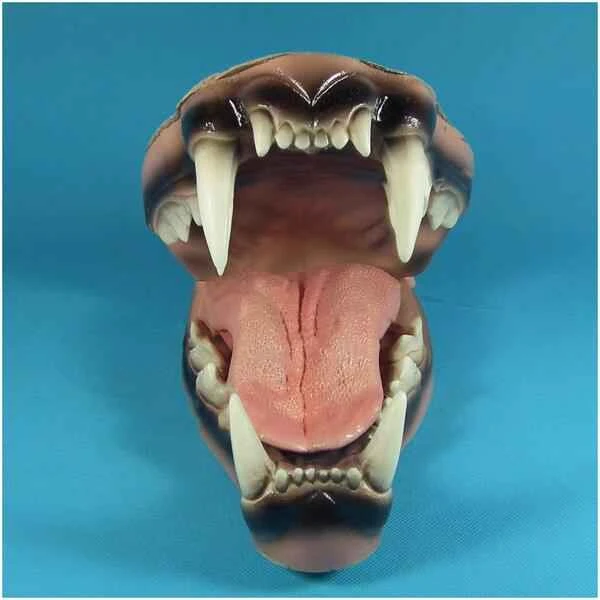
Animals' ability to regenerate teeth depends on stem cells in the dental lamina, a tissue that helps teeth grow. In animals that undergo multiple tooth replacements, this tissue remains active throughout their lives.
Scientists are studying this mechanism in an attempt to develop similar treatments for humans. By studying the genomes of sharks and crocodiles , scientists have discovered genes and mechanisms that may contribute to future tooth regeneration.
Why does tooth regeneration have an evolutionary advantage?
In the wild, losing teeth can mean starvation or vulnerability to predators. For predators like sharks and crocodiles, regenerating teeth allows them to maintain hunting efficiency. Herbivores like elephants rely on their teeth to process large quantities of plant matter to survive.
Frequently Asked Questions about Tooth Regeneration
How many times can a shark replace its teeth?
Sharks can replace their teeth an unlimited number of times; some species can even replace them every two weeks.
Do amphibians like frogs regenerate their teeth?
While frogs typically don't regenerate their teeth, other amphibians, such as salamanders, can.
Can humans regenerate teeth?
Currently, humans cannot regenerate teeth naturally. However, research progress on tooth regeneration is promising, and similar treatments may be available in the future.
Animals that can replace their teeth an unlimited number of times: Animals that replace their teeth multiple times
shark
Crocodile
lizard
Piranha
Parrotfish
Salamander
These animals greatly enhance their survival ability through tooth regeneration systems.
Learn the secrets of tooth regeneration from animals
Studying the tooth regeneration capacity of animals not only deepens our understanding of biology but also provides insights into human health. For example:
Dental treatments may utilize these mechanisms to help humans grow new teeth.
Studying these mechanisms could help treat problems such as osteoporosis and stem cell diseases .
Tooth regeneration is one of nature's most amazing adaptive abilities. From the seemingly endless teeth of sharks to the unique tooth renewal systems of elephants and manatees, this ability showcases the diversity and creativity of the animal kingdom. While humans cannot regenerate teeth like them, animal-inspired research may bring this superpower into our lives.
If you've ever been curious about tooth regeneration, you might want to look to animals for answers—their abilities demonstrate the extraordinary nature of life on Earth!