The size and structure of an animal's brain play a crucial role in its behavior, sensory abilities, and intelligence. While brain size is not entirely synonymous with intelligence, it is key in an animal's adaptation to complex environments, problem-solving, and social behavior. This article will list the ten animals with the largest brains, from largest to smallest.
1. Sperm Whale – 9000 grams
1. Brain volume
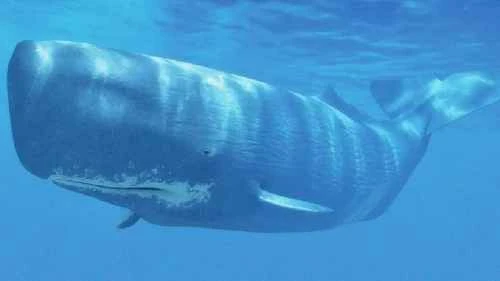
The sperm whale has the largest brain of any known animal, weighing approximately 9,000 grams (9 kilograms). Although the sperm whale is enormous, its brain does not account for a large proportion of its body weight, but its brain size is still astonishing.
2. Intelligence level
Sperm whales are among the most social animals in the ocean. Their complex social structures and communication abilities, especially their ability to transmit information through sound waves, demonstrate a high level of intelligence. The sperm whale's brain plays a crucial role in processing complex echolocation, hunting strategies, and social behaviors.
3. Behavioral characteristics
Sperm whales are not only adept at diving into the deep ocean to hunt large squid, but they are also known for their highly social behavior, usually living in family units.
II. African Elephant – 5000 grams
1. Brain volume
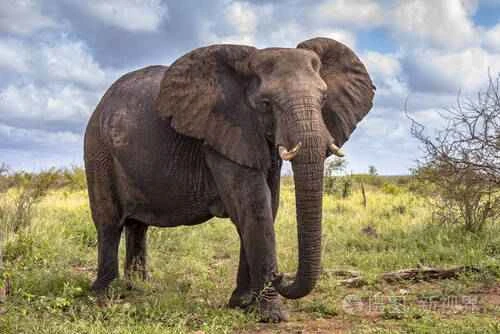
The brain of an African elephant weighs up to 5,000 grams, making it the largest brain among land animals. The elephant's brain is not only large but also structurally complex, which endows it with exceptional intelligence and learning abilities.
2. Intelligence level
African elephants are among the most intelligent land animals, possessing exceptional memory, complex social structures, and a strong capacity for emotional resonance. Elephant herds communicate through infrasound and even express grief for deceased members.
3. Behavioral characteristics
Elephants are very social animals with close-knit matrilineal family structures. Members of an elephant herd help, care for, and protect each other. They demonstrate remarkable cooperation and problem-solving abilities.
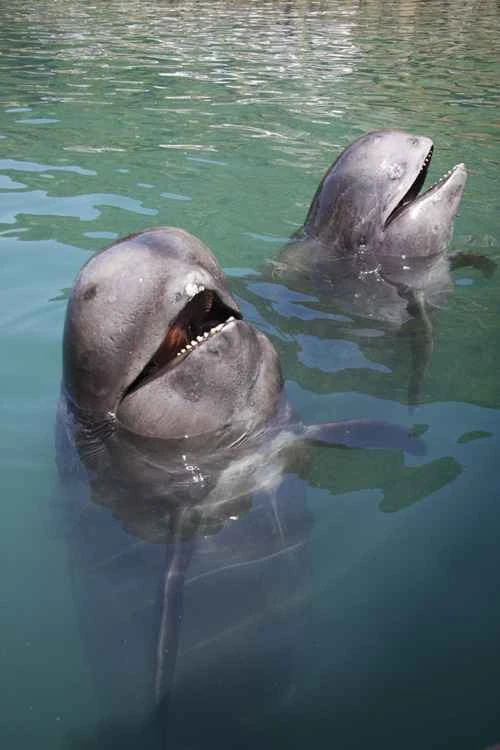
III. Pilot Whale – 4000 grams
1. Brain volume
Pilot whales have brains weighing approximately 4,000 grams, and despite their relatively small size, their brains are second only to sperm whales among marine mammals.
2. Intelligence level
Pilot whales exhibit exceptional sociality and cooperation, typically moving in family units and displaying complex group behavior and coordinated combat strategies. Their intelligence is reflected in their communication abilities and intricate social relationships.
3. Behavioral characteristics
Pilot whales are known for their highly social group life, forming pods of up to hundreds of whales that communicate and cooperate with each other through complex sound waves.
IV. Humpback Whale – 3000 grams
1. Brain volume
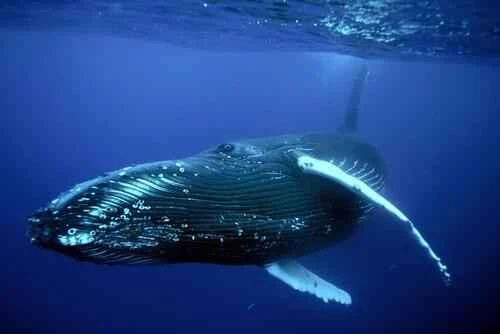
The brain of a humpback whale weighs about 3,000 grams, which is also considered to be one of the largest brains among cetaceans.
2. Intelligence level
Humpback whales are known for their complex "whale songs," which are used not only for communication but also for display and attracting mates. Their songs are characterized by complex structures and distinct rhythms, indicating a degree of creativity and expressive ability.
3. Behavioral characteristics
Humpback whales are known for their migratory habits, undertaking journeys of thousands of kilometers each year. Their social behavior is complex; they often engage in cooperative hunting during migration.
5. Bottlenose Dolphin – 1600 grams
1. Brain volume
The brain of a bottlenose dolphin weighs about 1,600 grams, which is much smaller than that of cetaceans, but the ratio of brain to body weight is quite high.
2. Intelligence level
Dolphins are considered among the most intelligent animals on Earth. They exhibit remarkable learning abilities, tool use, social complexity, and self-awareness. Dolphins can even recognize themselves in a mirror, a phenomenon considered a hallmark of advanced cognitive abilities.
3. Behavioral characteristics
Bottlenose dolphins are known for their highly social group life and complex language system. They can communicate by emitting different whistles and demonstrate amazing teamwork when hunting.

6. Orca (Sperm Vapor) – 6000 grams
1. Brain volume
The sperm porpoise, commonly known as the orca, is one of the largest and most intelligent members of the dolphin family. Their brains weigh approximately 6,000 grams.
2. Intelligence level
Orcas are extremely intelligent hunters, capable of adapting their hunting strategies to different prey and environments. They have complex social structures, forming family-based groups and demonstrating exceptional social skills.
3. Behavioral characteristics
Orcas are highly skilled at cooperative hunting, often skillfully capturing seals, fish, and other marine animals. They coordinate their calls to ensure a successful hunt.

7. Blue Whale – 6000 grams
1. Brain volume
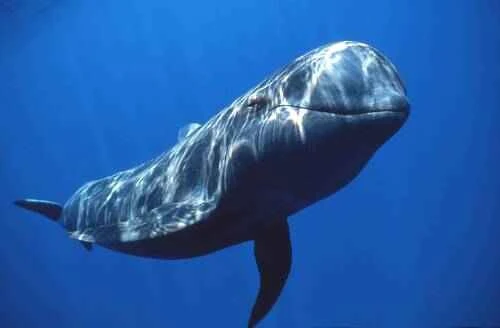
As the world's largest animal, the blue whale's brain weighs approximately 6,000 grams.
2. Intelligence level
Despite their enormous size, blue whales have a relatively low brain-to-body ratio. However, they exhibit a degree of intelligence in their long migrations, social interactions, and vocal communication, particularly in sound transmission.
3. Behavioral characteristics
Blue whales are known for their extremely long migration routes and sophisticated low-frequency acoustic communication abilities, which help them stay connected in the vast ocean.
8. Gorilla – 500 grams
1. Brain volume
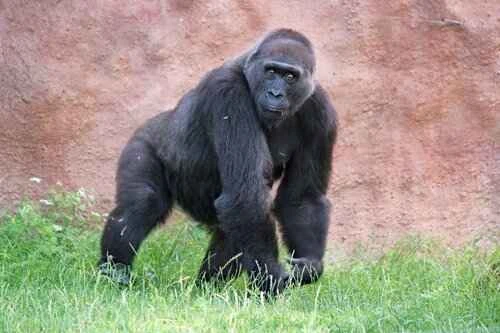
A gorilla's brain weighs about 500 grams. Although it is smaller than that of a whale, it is still quite large for a primate relative to its body size.
2. Intelligence level
Gorillas possess advanced cognitive abilities, emotional empathy, and social skills. They are capable of using tools, solving problems, and understanding complex social relationships. Research indicates that gorillas can even communicate with humans through sign language.
3. Behavioral characteristics
Gorillas, living in family units, exhibit close-knit social structures and complex interactive behaviors. They possess exceptional maternal instincts and a remarkable capacity to care for their young, demonstrating a high level of intelligence among primates.
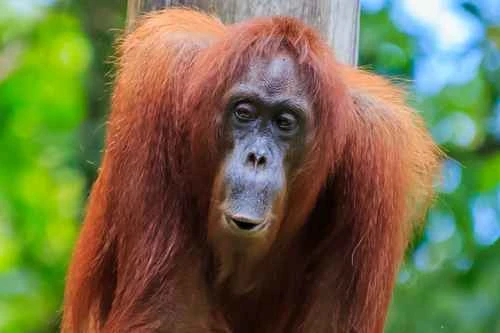
9. Orangutan – 370 grams
1. Brain volume
The orangutan's brain weighs approximately 370 grams, ranking among the top in primates.
2. Intelligence level
Orangutans exhibit exceptional intelligence, making them among the most intelligent primates after humans. They not only use tools but also learn new skills through imitation, demonstrating remarkable learning and adaptability.
3. Behavioral characteristics
Orangutans typically live in the canopy, and they are highly independent and adaptable. They can use branches to make tools to obtain food, demonstrating complex thinking and planning abilities.
10. Human (Homo sapiens) – 1400 grams
1. Brain volume
Although the human brain weighs about 1,400 grams, the ratio of the human brain to the body is the highest among all animals, which gives humans highly developed cognitive abilities and social behaviors.
2. Intelligence level
The human brain is highly complex, possessing advanced abstract thinking, language abilities, creative capacity, and social interaction. This complexity allows us to lead other species in areas such as tool use, technological development, and cultural transmission.
3. Behavioral characteristics
Human social structures are complex, with organizational forms ranging from the family to the nation demonstrating a high degree of cooperation and coordination. Human beings continuously advance their understanding and transformation of the world through technological progress and scientific exploration.
Brain size plays a significant role in animal intelligence and behavior; however, brain size and intelligence are not absolutely correlated. Although some animals possess large brains, their cognitive abilities are closely related to their lifestyles, exhibiting unique intelligence and behaviors.