Snails are fascinating creatures, belonging to a vast group called the class Gastropoda, which includes over 60,000 different species. They can be found in many places, from your backyard garden to oceans and lakes. In this article, we'll explore snails' physical characteristics, habitats, diet, reproduction, predators, and their uses as food in various cultures.
Detailed description of snail species
There are many species of snails, each with unique characteristics. Below is a comprehensive table of some notable snail species, including their size, whether they are poisonous, and whether they are edible.
| Common Names | Scientific name | Size (length) | toxicity | Edible |
|---|---|---|---|---|
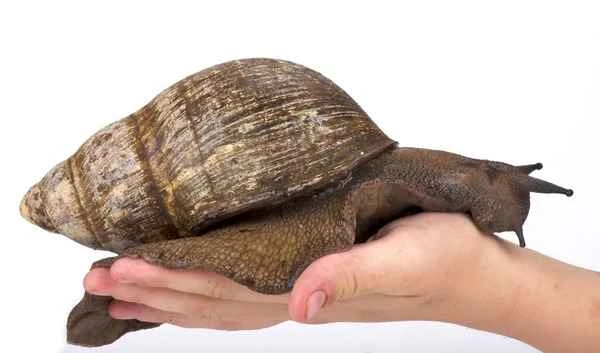
| African giant snail | Achatina fulica | Up to 30 centimeters | Non-toxic | Yes (cooking required) |
| Apple snail | Pomacea canaliculata | Up to 15 centimeters | Non-toxic | Yes (cooking required) |
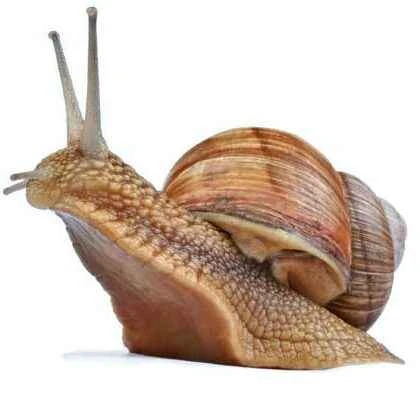
| Roman snails | Helix pomatia | Up to 10 centimeters | Non-toxic | Yes (cooking required) |
| Common garden snail | Cornu aspersum | Up to 5 centimeters | Non-toxic | Yes (cooking required) |
| Eastern Black Knot Snail | Succinea spp. | Up to 3.5 cm | Non-toxic | Yes (uncommon) |
| Brown Garden Snail | Cornu aspersum | Up to 3.5 cm | Non-toxic | Yes (cooking required) |
| Blue-striped snail | Elysia chlorotica | Up to 5 centimeters | Non-toxic | Yes (uncommon) |
| Conical snail | Conus spp. | Up to 15 centimeters | Highly toxic | no |
Table Explanation
African Giant Snail ( Achatina fulica ) : This is one of the largest land snails, commonly found in tropical regions. It is non-toxic, considered edible when properly prepared, and regarded as a delicacy in some cultures.
Apple snail ( Pomacea canaliculata ) : Known for its round shell, this snail is popular in aquariums and is also edible. It is non-toxic, but may accumulate toxins from the environment, so it should be handled with caution.
Roman snails ( Helix pomatia ) : In traditional European cuisine, this medium-sized snail is non-toxic and often used in cooking, especially in French cuisine (snail dishes).
Common garden snail ( Cornu aspersum ) : This snail is commonly found in gardens, is non-toxic, widely consumed, and typically plays an important role in the Mediterranean diet.
Eastern black knot snail ( Succinea spp. ) : A smaller, non-toxic snail that is occasionally eaten, but less common than other species.
Brown garden snail ( Cornu aspersum ) : Similar to the common garden snail, it is non-toxic and edible, and is commonly used in various dishes.
Blue-striped snail ( Elysia chlorotica ) : This beautiful marine snail is actually a sea slug, non-toxic and occasionally eaten, but not a common food.
Cone snail ( Conus spp. ) : This marine snail is known for its beautiful shell, but is considered dangerous and inedible due to its highly venomous nature.
Understanding the different types of snails helps us appreciate their diversity and importance in various ecosystems. Many snails are safe and delicious food, but some, like the cone snail, are dangerous due to their venom. When consuming snails, ensure they are from reliable sources and handled safely to avoid any health risks.
Physical characteristics
shell
One of the most distinctive features of snails is their spiral shell. The shell has multiple uses:
Protection : It can protect snails from predators and harsh weather.
Maintaining humidity : The shell helps keep the snail moist because snails are prone to drying out.
Growth : As the snail grows, its shell also grows, usually in a spiral shape.
Body structure
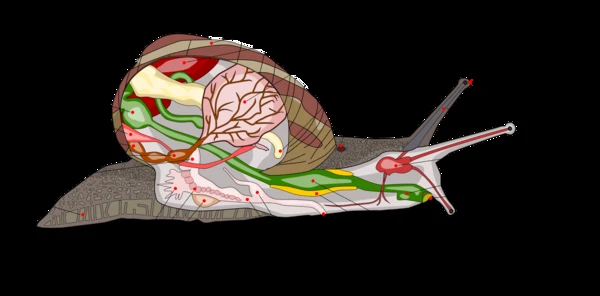
A snail's body is soft and can be divided into two main parts:
Visceral body : contains most of the internal organs.
Foot : A muscular structure used for locomotion. Snails move slowly by sliding on surfaces using a type of mucus, which helps them glide across different surfaces.
Habitat
Snails can live in a variety of environments:
Land snails : These snails are commonly found in gardens, forests, and grasslands, and prefer moist, organic-rich environments.
Aquatic snails : They can be found in freshwater lakes and ponds, as well as in the ocean, and play an important role in aquatic ecosystems.
diet
Most snails are herbivores, feeding primarily on plant matter. Their diet includes:
Leaves and stems : They like to nibble on the tender leaves and stems of various plants.
Algae : Aquatic snails typically feed on algae that grow on rocks and the water surface.
Fungi : Some snails also eat mushrooms and other types of fungi.
Feeding mechanism
Snails use a special tongue called a lingual tooth, which has many tiny teeth used to scrape food off the surface. This allows them to eat efficiently.
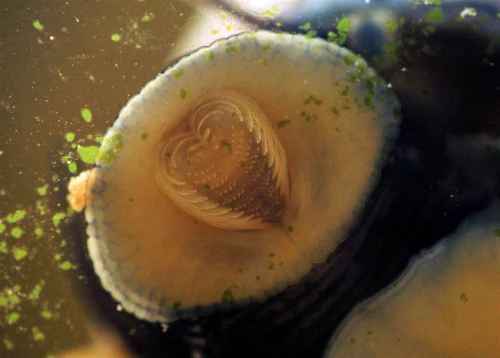
How many teeth does a snail have?
Snails may look simple, but they actually have thousands of teeth! Unlike human teeth, which are fixed in the jawbone, snail teeth are tiny, flexible structures located on a special organ called the radula. The radula, covered in tiny teeth, moves back and forth like a conveyor belt, helping the snail scrape and grind its food, usually plants or algae.
The number of teeth a snail has varies depending on the species, but generally, garden snails have around 10,000 to 15,000 teeth . Some species can even have over 20,000 teeth ! These teeth are arranged in rows on the radula, with new teeth constantly growing at the back to replace those that wear down at the front. The radula allows snails to feed on a variety of surfaces, from soft plant leaves to algae-covered rocks.
Although these teeth are small, they are very efficient and strong in scraping food. The constant renewal of the radula ensures that snails always have sharp teeth, allowing them to feed and survive successfully in various environments.
Reproduction
Snails have a unique way of reproducing:
Hermaphroditic : Most land snails possess both male and female reproductive organs, allowing them to mate with any snail they encounter.
Laying eggs : After mating, snails lay clusters of eggs in moist soil or under leaves. Depending on the species, they can lay dozens to hundreds of eggs at a time.
development
After hatching, the baby snails look like miniature versions of adult snails. They go through several growth stages before finally reaching maturity.
Behavior
Snails exhibit interesting behaviors:
Movement : Snails move slowly, using their muscular feet to glide across surfaces.
Hibernation and estivation : Under extreme weather conditions, snails can enter a state of hibernation to conserve water and energy.
Social interaction : Some species exhibit social behaviors, including courtship rituals during mating.
Natural enemies
Snails have several natural enemies, including:
Birds : Many birds enjoy snails as a delicious snack.
Mammals : Animals such as hedgehogs and some rodents also eat snails.
Invertebrates : Some insects and other invertebrates (such as beetles) may also prey on snails.
Ecological importance
Snails play an important role in the ecosystem:
Decomposition : By feeding on decaying plant material, snails help decompose organic matter, enriching the soil.
Food chains : They are an important food source for many animals and help maintain the food chain.
Soil aeration : Their movement and feeding habits help aerate the soil, promoting healthy plant growth.
Edible uses
In many cultures, snails are considered a delicacy. Here are some examples:
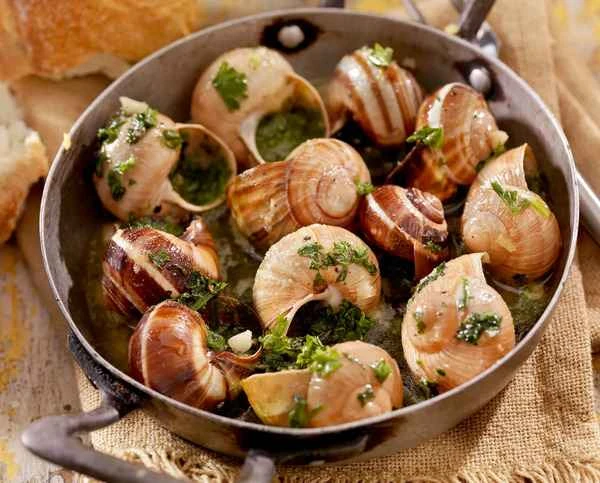
France : Snails (French: Escargot) are a popular dish, typically cooked with garlic butter and herbs. To prepare them, the snails are usually cleaned, removed from their shells, cooked in a delicious sauce, and then returned to their shells before serving.
Italy : Snails (called "lumache") are used in pasta or stews, often cooked with tomato sauce and herbs.
Spain : In some regions, snails are added to paella or stews to give the dishes a unique flavor.
Cooking methods
To prepare snails, you can follow these steps:
Cleaning : Snails should be fasted for a few days before cooking to cleanse their digestive system. Then rinse them thoroughly.
Boil : Boil the snails for 5 to 10 minutes to kill them and make them easier to handle.
Cooking : Season with garlic, butter, and herbs, or incorporate them into pasta or soup.
Interesting facts
Lifespan : Depending on the species, snails can live for anywhere from a few years to more than ten years.
Speed : The average land snail moves at a speed of about 0.03 miles per hour, making it one of the slowest animals.
Colors and patterns : Snail shells come in a variety of colors and patterns, which help them camouflage themselves in their natural habitats.
Snails are fascinating creatures that contribute to ecosystems in a variety of ways. Their unique adaptations, diverse diets, and fascinating behaviors make them an important part of nature. Whether as part of the food chain or as a delicious treat on our tables, snails deserve our appreciation. Understanding snails can help advance conservation efforts and enhance our understanding of biodiversity.
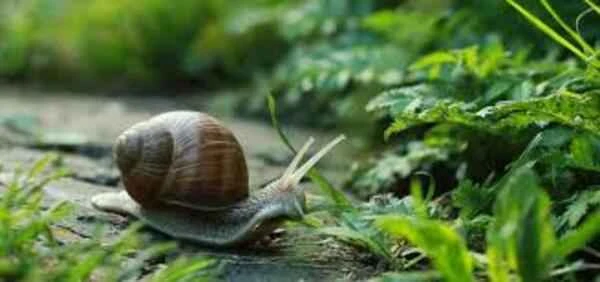
Are snails good or bad to you?
Snails often pique people's curiosity regarding their health benefits and potential risks. Below is a detailed analysis of whether snails are good for you.
Health benefits of snails
Nutritional value :
High in protein : Snails are an excellent source of high-quality protein, which is essential for muscle growth and repair.
Low in fat : Compared to many other protein sources, snails are low in fat, making them a good choice for maintaining a healthy weight.
Rich in vitamins and minerals : Snails contain important vitamins, such as vitamin B12, which supports nerve health, as well as minerals such as iron, magnesium, and zinc, which maintain various bodily functions.
Health benefits :
Antioxidant properties : Some studies suggest that snails may possess antioxidant properties that help combat oxidative stress in the body.
Skin health : Snail mucus is used in various skincare products and is favored for its moisturizing and healing properties. It can help skin regenerate and reduce signs of aging.
Low-calorie food : Snails are low in calories and suitable as part of a diet without causing weight gain.
Potential risks of eating snails
Parasites and toxins :
Risk of infection : Eating raw or undercooked snails may carry parasites, such as rat lungworm ( Angiostrongylus cantonensis ), which can cause serious health problems. Proper cooking is key to eliminating these risks.
Environmental pollutants : Snails may accumulate toxins from their habitat, especially if collected from polluted areas. Therefore, it is crucial to ensure that snails are sourced from reputable suppliers.
Allergic reactions : Some people may be allergic to shellfish, and snails, as mollusks, may also trigger allergic reactions.
Digestive problems : For some people, eating snails may cause digestive discomfort, especially if consumed in large quantities or improperly handled.
Cooking uses and preparation
Culinary Delight : In many cultures, especially French cuisine, snails are considered a delicacy. They are often cooked with garlic butter and herbs, resulting in a delicious flavor.
Safety Preparation : Ensure the snails are properly cleaned and cooked to kill any harmful bacteria or parasites. Thorough cooking eliminates most risks associated with eating snails.
Overall, snails can be a nutritious and low-calorie food option, offering a variety of health benefits. However, it's important to prepare snails safely and be aware of the potential risks. If you enjoy trying new foods and pay attention to sourcing and cooking methods, snails can be a delicious addition to your diet. If you have concerns about snail allergies or dietary restrictions, it's recommended to consult a medical professional.
Snail's close relatives
Snails belong to the class Gastropoda, a diverse group of mollusks. Their close relatives include many other gastropods and mollusks, as well as several other groups of animals. Below are some of the main related groups and examples of organisms closely associated with snails.
1. Slug
Description : Slugs resemble snails but lack a prominent shell. They have soft bodies and typically inhabit environments similar to those of snails.
Example :
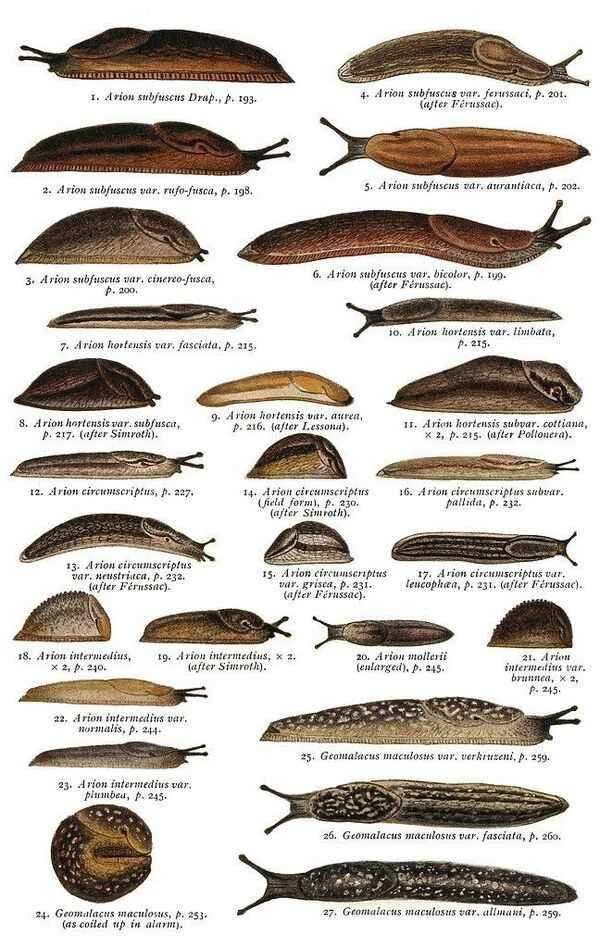
Common garden slug ( Arion hortensis ): Found in gardens, it comes in a variety of colors and is known for its slippery texture.
Black slug ( Arion ater ): A larger slug that is often a garden pest, usually black or dark brown.
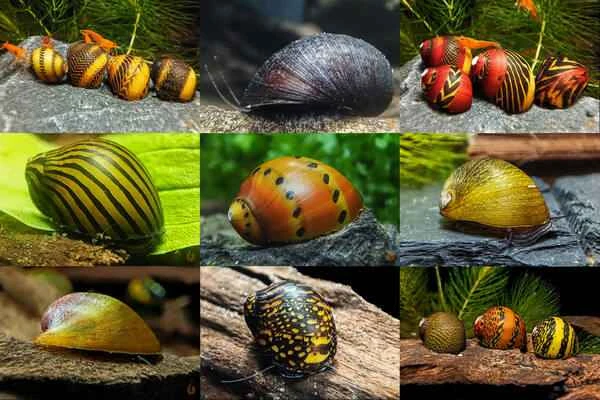
2. Freshwater snails
Description : These are aquatic snails that live in freshwater environments. They typically have curled shells and are an important part of aquatic ecosystems.
Example :
Giant freshwater snail ( Lymnaea stagnalis ): Known for its large size and curled shell, it is found in ponds and lakes in Europe and North America.
Common apple snail ( Pomacea canaliculata ): Commonly found in aquariums, known for its bright colors and large size.
3. Sea slugs (nude-branched slugs)
Description : These brightly colored marine gastropods are known for their unique appearance, are usually shell-less, and are found in oceans around the world.

Example :
Blue Dragon ( Glaucus atlanticus ): A small, brightly colored sea slug that floats on the sea surface and feeds on jellyfish.
Spanish dancers ( Hexabranchus sanguineus ): known for their vibrant colors and unique movement (like dancing).
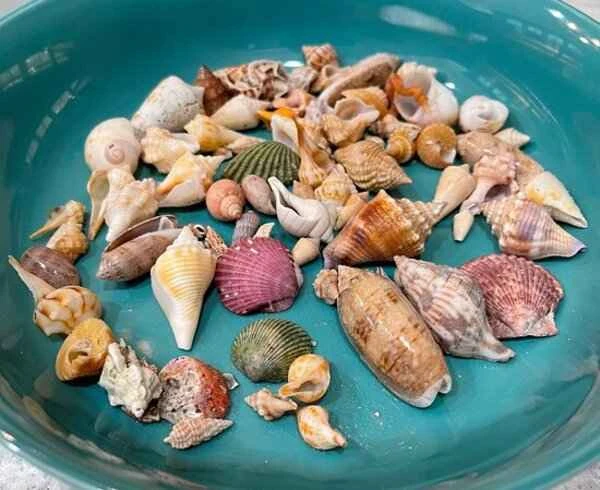
4. Conch and snail
Description : These are large marine gastropods with spiral shells and are often considered a delicacy.
Example :
Busycon carica : Found along the Atlantic coast of North America, it has a large shell and is often caught for food.
Queen whelk ( Strombus gigas ): Popular in Caribbean cuisine, it has a large shell and delicious meat.
5. Other mollusks
Description : Snails share a common kinship with various other mollusks, which may not be gastropods, but are still closely related.
Example :
Clams , such as the East Sea oyster ( Crassostrea virginica ) and the Philippine clam ( Venerupis philippinarum ), have two shells and live in aquatic environments.
Octopus : Although they belong to a different group (cephalopoda), octopuses share a common ancestor with snails and other mollusks.
Snails are a broad and diverse group of relatives belonging to the class Gastropoda and the larger family of mollusks. Their close relatives, such as slugs, freshwater snails, sea slugs, and conches, demonstrate the wide range of adaptations and habitat variations these organisms exhibit. Understanding these relationships helps us appreciate the diversity of life in aquatic and terrestrial ecosystems.