The Brahman blind snake, also known as the Indian blind snake (Indotyphlops braminus), is a unique and fascinating creature often overlooked in the animal kingdom. This small burrowing snake is a prime example of adaptability, capable of surviving in a wide variety of environments worldwide. This article will explore the Brahman blind snake's biological characteristics, habitat, behavior, and conservation status.
What is the Brahman blind snake?
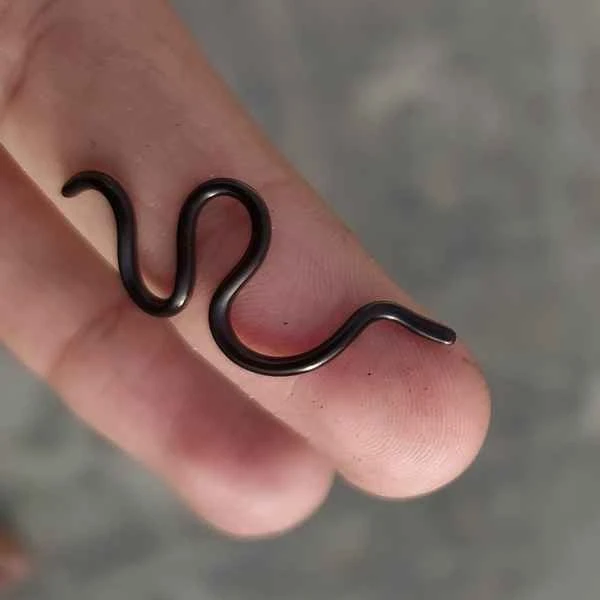
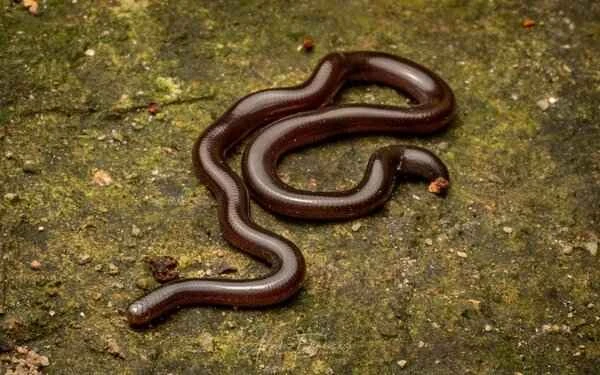
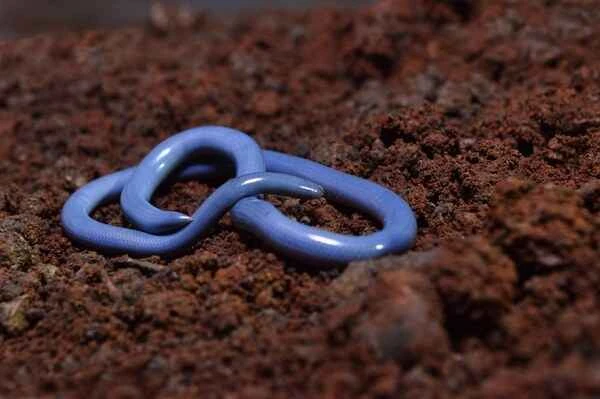
The Brahman blind snake is a non-venomous snake belonging to the family Blindidae. It is known for its distinctive appearance, with a cylindrical, smooth body that typically ranges in length from 10 to 15 inches. These snakes are usually light brown or gray with glossy scales that have an almost iridescent effect. Their most striking feature is the absence of functional eyes, giving them a blind appearance, hence their name.
Main features:
Size: Typically between 10 and 15 inches (25 to 38 centimeters) in length.
Color: Usually light brown or gray, blending in with the underground environment.
Eyes: Very small and covered with scales; in fact, the person is blind.
Habitat and Distribution
Brahman blind snakes are found in a variety of habitats, including tropical and subtropical regions. They thrive in moist soil, gardens, and farmland, typically burrowing underground for survival. Due to their adaptability, they have spread to many parts of the world, including Southeast Asia, parts of Africa, and even certain regions of the Americas.
Preferred Environment:
Moist, loose soil: suitable for digging and foraging.
Gardens and farmland: commonly found in areas rich in organic matter.
Urban areas: Landscapes that can adapt to human modification, often found in gardens and courtyards.
Behavior and Diet
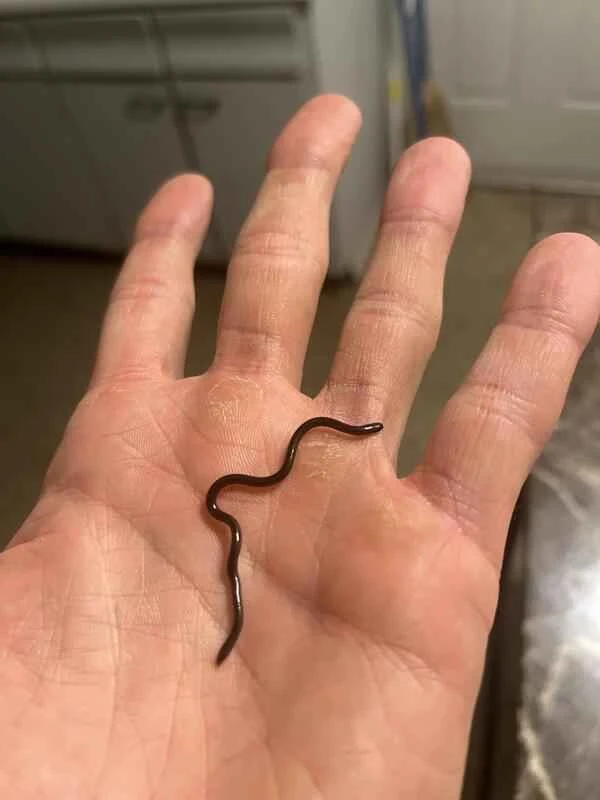
Brahman blind snakes are primarily digging creatures, meaning they spend most of their time underground. They use their specialized snouts to burrow into the soil in search of food and shelter. Their diet mainly consists of small invertebrates such as ants and termites, and they locate their prey by sensing vibrations in the soil.
Foraging habits:
Invertebrates: They mainly feed on ants, termites, and other small soil organisms.
Foraging techniques: Utilizing a keen sense of smell and vibration to detect prey in the dark.
Reproduction
Brahman blind snakes reproduce through a process called ovoviviparity, in which females give birth to live young. Mating typically occurs during warmer months, allowing females to produce multiple offspring under suitable conditions, thus promoting population growth.
Breeding cycle:
Mating season: usually occurs in warmer months.
Juveniles: Females can give birth to multiple live juveniles, enhancing their adaptability to different environments.
Protection status
Although the Brahman blind snake is not currently considered an endangered species, habitat destruction and pesticide use pose a potential threat to its population. As burrowing organisms, they are highly dependent on a healthy soil ecosystem. Promoting sustainable agricultural practices can help protect this unique species and its habitat.
Protective measures:
Habitat protection: Protect natural habitats and reduce soil degradation.
Sustainable practices: Encourage farmers to reduce pesticide use in order to protect local biodiversity.
Interesting facts
The world's smallest snake: The Brahman blind snake is one of the smallest snakes in the world and is easily overlooked.
Excavation experts: They are very good at digging and often create extensive tunnels underground.
Wide distribution: This species can thrive in a variety of environments, leading to its global spread.
The Brahman blind snake may not be the most striking creature in the animal kingdom, but its unique adaptations and ecological role make it an important species. By learning more about this fascinating creature, we can appreciate the hidden diversity of life beneath our feet. Protecting its habitat and promoting sustainable practices will ensure that these unique creatures continue to thrive in their natural environment in the future.
Whether you're a wildlife enthusiast or simply curious about the natural world, the Brahman blind snake can reveal the wonders of its underground life.