Turtles are among the oldest living reptiles, covered in a hard shell for protection from predators. The shell consists of two parts: the upper part is called the carapace (back), and the lower part is called the plastron (bottom). They are generally peaceful and do not fight each other. When threatened or frightened, they retract their head, limbs, and tail into their shell. They inhabit many different types of habitats, including swamps, lakes, rivers, grasslands, and forests. They are primarily herbivores, but some species also eat insects, small invertebrates, and small fish. Due to their unique appearance and temperament, turtles have become a popular choice as family pets. Their shells are their most distinctive feature, and many turtle species have beautifully patterned shells, sometimes even leading to them being hunted by humans for their striking appearance. Below, we've compiled a list of the world's ten most beautiful turtles—let's take a look!
1. Golden Coin Turtle

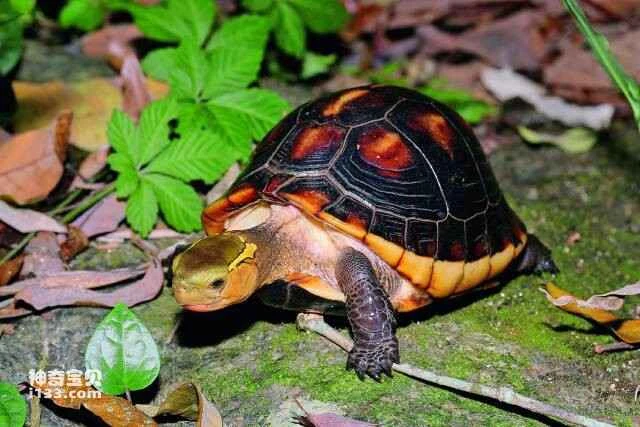
The Golden Coin Turtle, also known as the Three-Striped Box Turtle, is famous for its reddish-brown carapace with three black stripes, black plastron, orange-red armpits and hips, waxy yellow head and back, and light orange-yellow throat and neck. Golden Coin Turtles are docile and gentle, rarely biting, and seldom attack each other. When threatened, they only flee and have no ability to retaliate. They are a valuable animal resource, with every part of them possessing significant economic value in medicinal, ornamental, craft, edible, and modern scientific research applications. In many cultures, the Golden Coin Turtle is considered a symbol of good fortune, and people believe that owning one can bring wealth and longevity.
2. Map Turtle
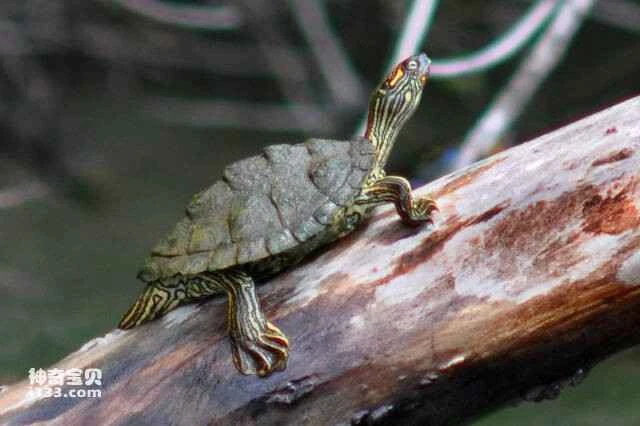
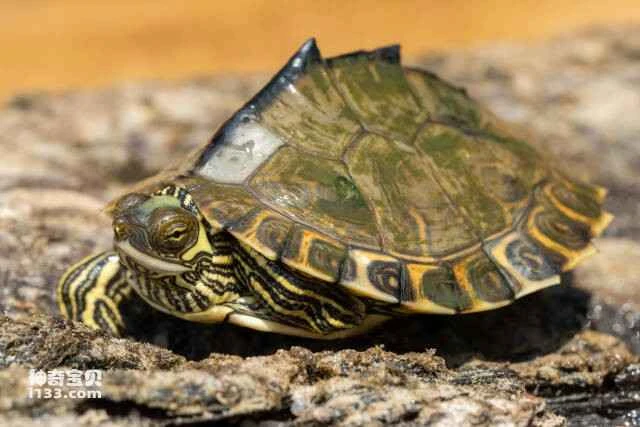
The map turtle, also known as the serrated-backed turtle, is a freshwater turtle native to North America, found in lakes, rivers, and other freshwater bodies in Canada, the United States, and Mexico. Most map turtles have marginal scutes on the posterior side of their carapace that project backward, giving the posterior edge of the carapace a distinct serrated appearance. Some species possess large heads and jaws, allowing them to crush snails and other mollusks. The most striking feature is the distinctive fine lines on their skin and scutes, hence the name "map turtle," as they resemble contour lines and road maps—a feature unmatched by other turtles. They typically bask in the sun on rocks or branches and also dive into the water to forage. Map turtles are popular pet turtles, favored by breeders for their beautiful appearance, docile temperament, and wide-ranging diet.
3. Diamondback Tortoise
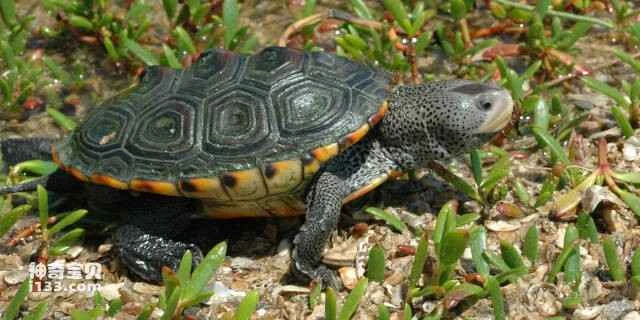
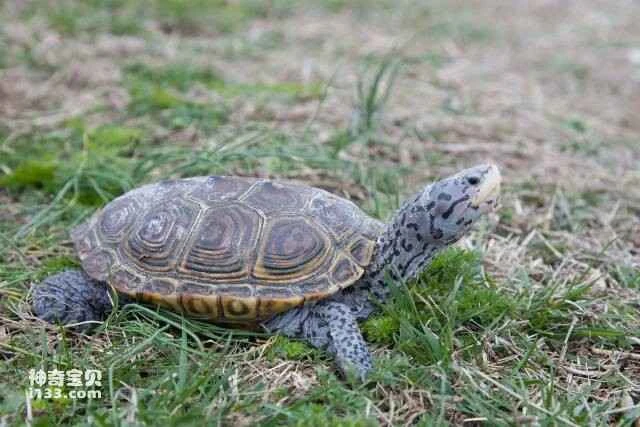
Diamondback terrapins are aquatic turtles and the only species in North America that can live in saline waters. There are seven subspecies, with significant differences in carapace patterns, skin color, markings, and shape between individuals, making them incredibly diverse and fascinating. Their shells range in color from brown to gray, and their bodies can be gray, brown, yellow, or white. All diamondback terrapins have unique patterns on their bodies and heads, sharing the common characteristics of prominent, concentric diamond-shaped markings and diamond-shaped scutes. Diamondback terrapins are a protected species, primarily due to habitat destruction and illegal collection. Many groups and organizations are now dedicated to protecting and restoring their habitats and conducting related educational campaigns.
4. Hawksbill turtle
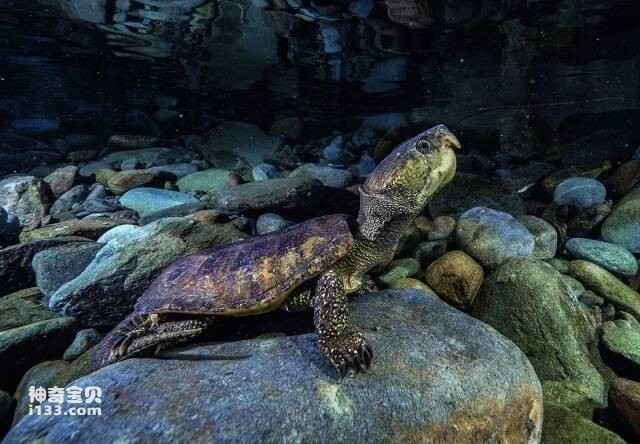
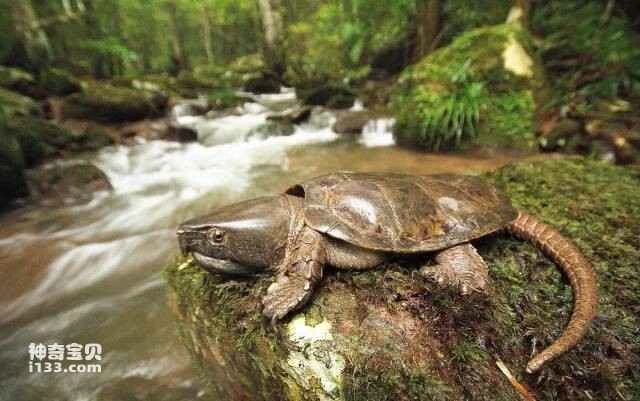
The hawksbill turtle, scientifically known as *Platychelys macrantha*, is characterized by its long, hawk-beak-like snout and oval or nearly round carapace, which is brown or black with distinct white spots and stripes. Its short legs are well-suited for swimming in water, and it can also crawl on land. The hawksbill turtle is one of the most aggressive freshwater turtles in my country. Unlike other turtles that passively defend themselves, the hawksbill turtle is often proactive in attacking. When threatened, it will open its eyes wide, hiss, and open its mouth as if to bite. If caught, it will scratch and bite with its claws, lashing its tail from side to side in a fierce struggle. With its long claws and legs, the hawksbill turtle can crawl very fast, at 7-8 meters per minute. It is also a strong swimmer, moving freely on the surface with its tail tip raised and its limbs paddling. The hawksbill turtle is a threatened species, primarily affected by habitat destruction and illegal collection and capture. Many groups and organizations are now dedicated to protecting and restoring its habitat and conducting related educational campaigns.
5. Burmese Star Tortoise
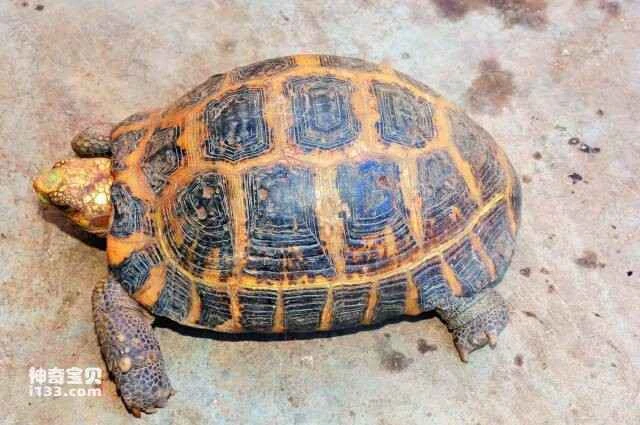
The Burmese star tortoise, also known as the yellow elephant tortoise or dragon claw tortoise, is a large tortoise and one of the largest tortoises in Southeast Asia. They inhabit tropical rainforests and forests, including Thailand, Myanmar, Malaysia, and Indonesia. The Burmese star tortoise is characterized by its round, brown or black carapace with prominent stripes and dark patches. It can reach over 60 cm in length and weigh over 50 kg. They have a relatively large head with a conical mouth, and their heads are dark brown or black. Their hind limbs are more robust than their forelimbs, and their claws are larger. Burmese star tortoises are docile and intelligent, primarily herbivorous. They enjoy basking in the sun and dig burrows for shelter at night. Due to overhunting and habitat loss, the number of Burmese star tortoises has drastically decreased. They are now listed as an endangered species and are protected.
6. Spotted Turtle
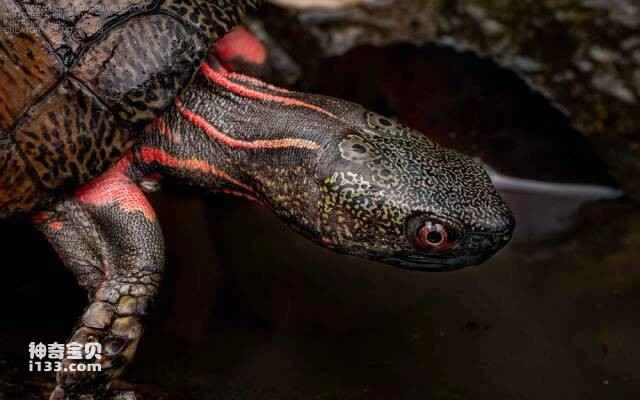
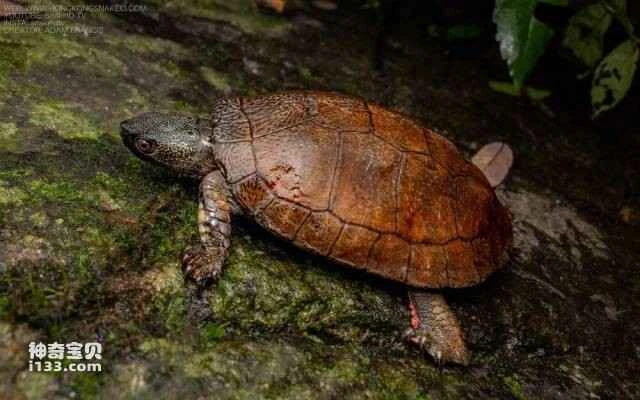
The Asian Spotted Turtle (Symplocos sulcata) is a small tortoise belonging to the family Microcephalyidae. They are distributed in southern China, Taiwan, Vietnam, and other regions, primarily inhabiting mountain rivers and ponds. The Asian Spotted Turtle is characterized by a round or oval carapace, usually dark brown or black with yellow edges and white spots, and a distinct yellow eye patch around its eyes. It typically measures 10-20 cm in length, with males slightly larger than females. Asian Spotted Turtles are omnivorous, feeding on insects, small invertebrates, and aquatic plants. They enjoy basking in the sun and dig burrows at night for temporary shelter. They are very docile pets, making them popular with many enthusiasts. However, it's important to note that wild Asian Spotted Turtles have drastically declined, so when choosing to keep one, it's crucial to select a legal source and avoid purchasing illegally obtained wild animals.
7. Spotted Turtle
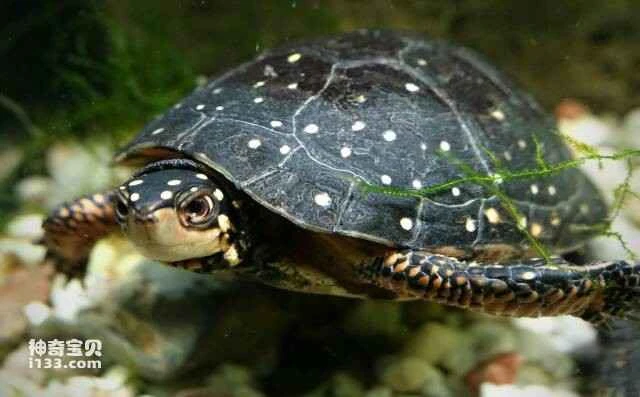
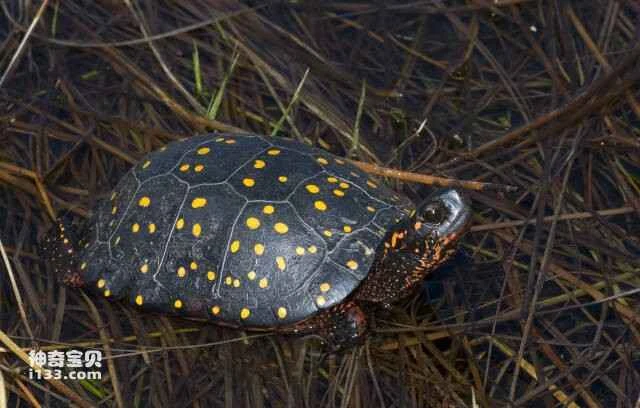
The Spotted Tortoise is a small tortoise, also known as the Indian Star Tortoise or Red-legged Tortoise. Native to South Asia, it is found in India, Bangladesh, Sri Lanka, and other regions. Its carapace is round or oval, brown or black with prominent yellow or red spots. The plastron is light yellow or creamy white. It typically measures 15-30 cm in length, with males slightly larger than females. Spotted Tortoises are generally long-lived, reaching 50 years or more. They primarily feed on plants, including leaves and fruits, and will also consume small amounts of insects and small invertebrates. They enjoy basking in the sun and require a warm, humid environment. Spotted Tortoises are very popular pets, but it's important to note that wild populations have drastically declined. Therefore, it's crucial to purchase from legal sources and avoid buying illegally obtained wild animals. Providing a suitable environment and food, and ensuring they receive proper care, is essential when keeping them as pets.
8. Yellow-throated box turtle
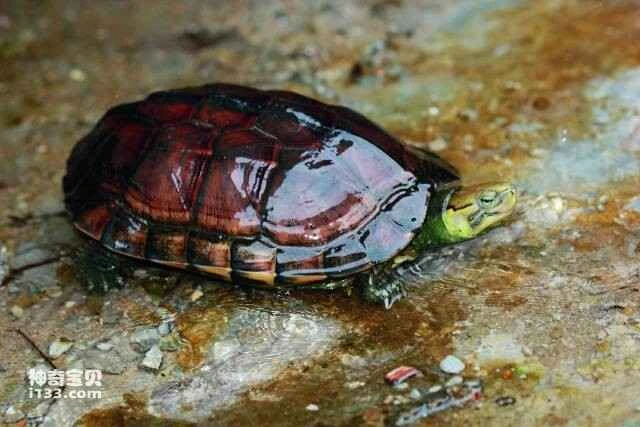
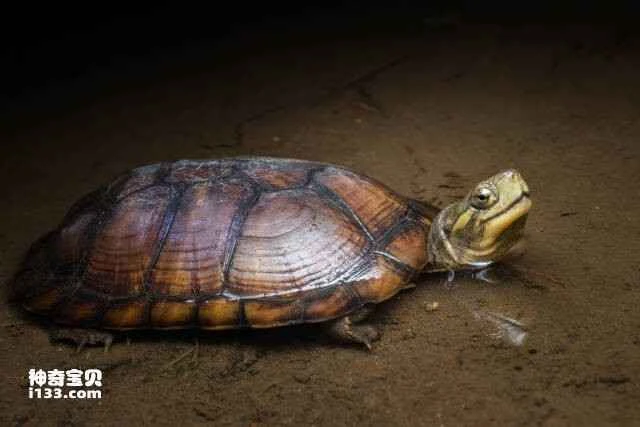
The Yellow-margined Box Turtle is one of the oldest and most primitive aquatic turtle species, often referred to as the "Ancient Stone Turtle" in folk tradition. It is believed that, like the Golden Coin Turtle, it possesses feng shui properties that can enhance the wealth and career luck of its owner. The Yellow-margined Box Turtle has a brown or black carapace with yellow and orange patches. Its plastron is light yellow or creamy white with black stripes. Its head is also black, while its neck is a distinct yellow or orange. It typically measures 25-40 cm in length. The Yellow-margined Box Turtle primarily feeds on plants such as aquatic grasses, leaves, and fruits. It also eats insects, worms, and small fish. With its gentle temperament and ease of taming, the Yellow-margined Box Turtle is an ideal choice for freshwater turtle enthusiasts.
9. Leaf Turtle
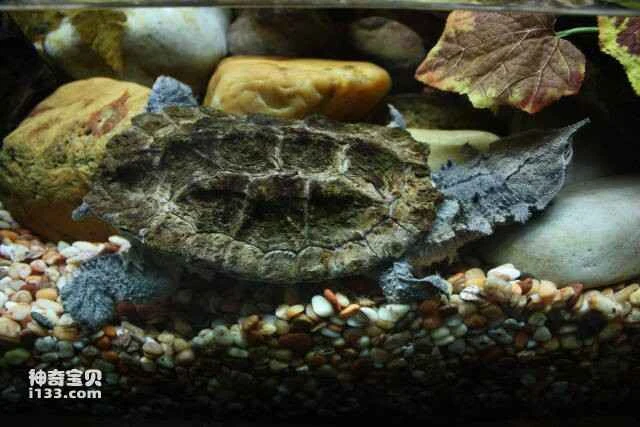
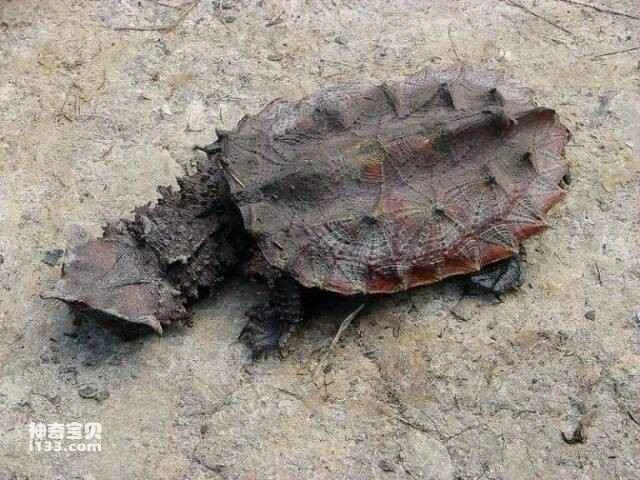
The leaf turtle (Lady's leaf turtle) is a large aquatic turtle and one of the oldest living reptiles. It is a sedentary turtle with a flat, triangular head, a tubular nose with a horn-like structure, and three barbels and four filiform barbels on its chin. Resembling a withered leaf, it is yellowish-brown and can be seen in lakes. When attacked, the leaf turtle can retract its legs into its shell, but its tail and head cannot. It is carnivorous, feeding on worms, snails, shrimp, and small fish, as well as plant stems and leaves. The leaf turtle has a very peculiar, protruding nose, which acts like a snorkel for divers, aiding in its diving. Its greatest hobby is sitting still for long periods, as it is a very inactive creature. The leaf turtle's unique appearance and habits have made it popular among some turtle enthusiasts, but it is difficult to keep in captivity and only a small number are sold in the Chinese market.
10. Flame Turtle
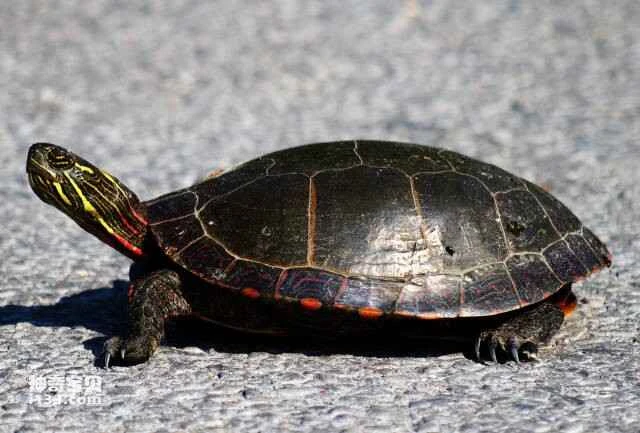
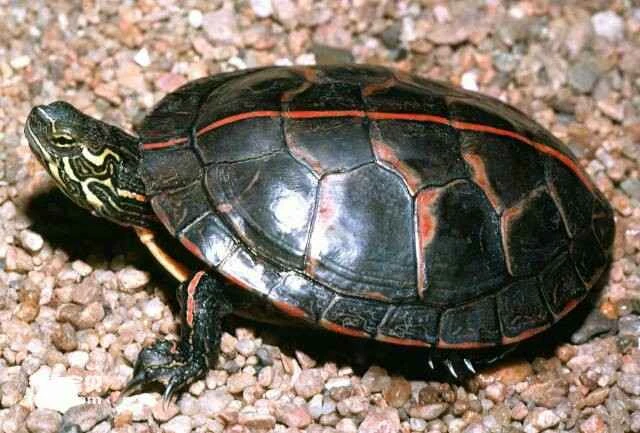
The painted turtle, scientifically known as *Carica rubescens*, is a small freshwater turtle. It has a dark olive head with several pale yellow longitudinal stripes on its sides extending to the neck. The carapace is dark gray with green edges, lacking a central red longitudinal stripe, but featuring red curved stripes on the marginal scutes. The carapace is elongated oval in shape, and the posterior marginal scutes are not serrated. The plastron has brown stripes and markings in the center. The limbs are dark green with pale yellow stripes. It has a short tail. Painted turtles are small ornamental turtles, prized for their delicate and charming appearance, rich colors, and ability to perform comical movements, making them highly valued for their ornamental qualities. They are typically kept in aquariums for enjoyment.
This list of the world's ten most beautiful turtles was compiled by searching various turtles on relevant online platforms and considering their appearance, body shape, popularity, and fame. If you have any questions, please feel free to comment/criticize at the end.