Some dog breeds are banned because their inherent breed characteristics and behavioral habits may lead to aggression or harm to humans and other animals. In large cities, the selection of pet dogs is actually quite limited. Do you know which dog breeds are banned in cities? Below, we've compiled a list of the top ten banned breeds of dangerous dogs. It's important to note that the specific banned breeds may vary from city to city or region to region; you'll need to check local regulations for details. Furthermore, when keeping other dogs, it's crucial to adhere to relevant regulations to ensure the safety of your pet and maintain social harmony.
1. American Pit Bull Terrier
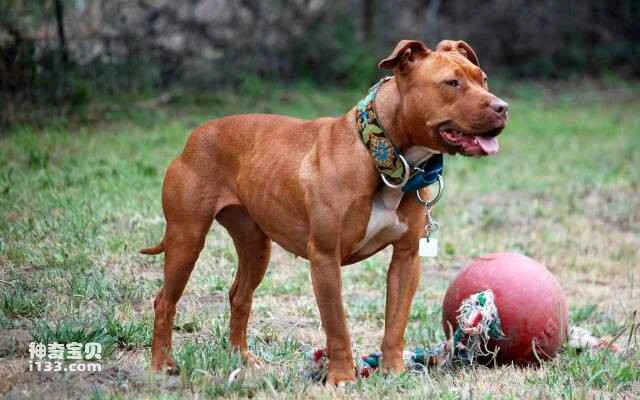
Pit Bulls are a breed developed from American Staffordshire Terriers and American Bulldogs, specifically bred for dogfighting and possessing formidable killing power. Pit Bulls typically exhibit extremely high aggression and bite force, along with a stubborn personality and strong territorial instinct. They will fiercely defend their territory and owner, and are easily provoked into attacking others or animals. Pit Bulls are prone to causing trouble, are aggressive, and will fight to the death. They possess beautiful curves, a healthy physique, a tenacious will, and an exceptionally intelligent mind, showing immense dependence and trust towards their people. However, they are extremely fierce and combative, aggressive towards other animals, and unfriendly to strangers, requiring strict training from a young age by experienced owners.
2. Tosa Inu
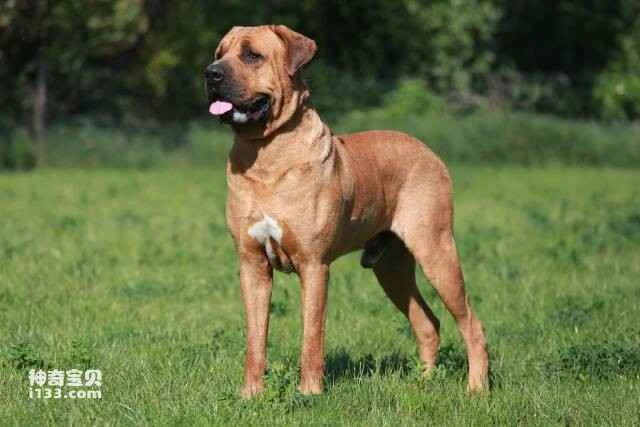
The Tosa Inu is a large dog breed originating in Kochi Prefecture, Japan. They are typically characterized by their muscular build, robust physique, drooping ears, and short, wiry coat. Tosa Inus are widely used for hunting, guarding, and fighting. Due to their extremely high aggression, alertness, and territoriality, they are listed as a prohibited breed in many countries and regions. In my country, the Tosa Inu is also considered a "dangerous breed" and requires special management. As a large breed, the Tosa Inu is generally powerful and aggressive, and without proper training and socialization, it may pose a threat to others. Furthermore, because of their innate hunting instinct, they may exhibit aggressive behavior towards other animals when outdoors. These factors have led to restrictions or management of their ownership in some areas. However, it is important to note that the Tosa Inu's temperament and behavior are influenced by a variety of factors, including genetics and environment, and cannot be generalized; each individual case must be assessed.
3. Fila Brasileiro

The Fila Brasileiro is a large dog breed originating in Malta, Brazil. They are typically characterized by a slender build, long neck, and short, greyish-brown coat. Considered one of the oldest dog breeds in the world, the Fila Brasileiro was primarily used for hunting small animals such as rabbits. Due to their excellent eyesight, agility, and speed, they excel in hunting, racing, and shows. Furthermore, Fila Brasileiros are widely kept as companion dogs because they are intelligent, loyal, friendly, and require relatively little exercise. Fila Brasileiros typically possess a very strong bite force and aggression, as well as wariness and a tendency to attack strangers and other animals. In addition, their large size and powerful build mean they can cause serious injury if out of control. Therefore, in many countries and regions, including China, the Fila Brasileiro is either prohibited or requires special management and must comply with relevant laws and regulations.
4. Argentine Dogo
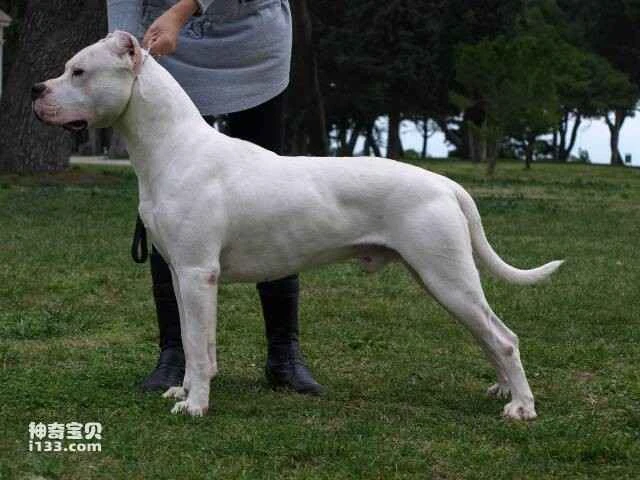
The Dogo Argentino, also known as the Argentine Mastiff, is a large dog breed originating in Argentina. Due to its naturally strong aggression and hunting instincts, as well as its wariness and tendency to attack strangers, it is listed as a prohibited breed in many countries and regions. Argentine Mastiffs typically exhibit a keen sense of smell, high alertness, and loyalty, being extremely devoted to their owners, and possessing extremely high aggression and bite force. These factors necessitate a very careful and responsible attitude and behavior when keeping an Argentine Mastiff, including proper socialization, training, and control. Without adequate training and management, Argentine Mastiffs can pose a serious threat to society and others. Therefore, in many countries and regions, including China, the Argentine Mastiff is either prohibited or requires special management and must comply with relevant laws and regulations.
5. Bulldog
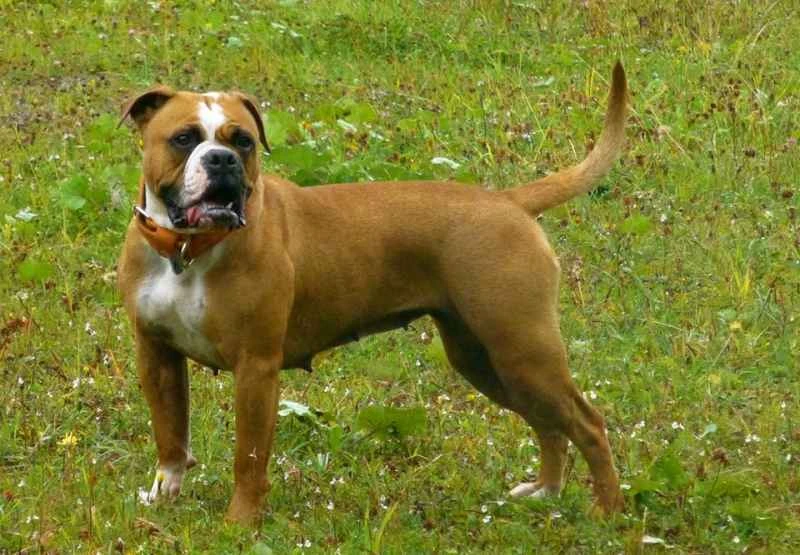
Bulldogs are considered the "manly" dogs of the canine world. They are muscular, with strong limbs, and excellent fighting ability, making them "workhorses" among guard dogs. Bulldogs are alert, highly obedient to their owners, and very affectionate, making them reliable companions. However, they are still a fierce breed, possessing great strength and courage, and can be extremely threatening to strangers. If a bulldog attacks someone, its destructive power is extraordinary, which is why many major cities in my country have banned it. Owners of American Bulldogs must be constantly aware of their dog's aggressive behavior. They have a very strong territorial instinct, considering every inch of their owner's property their territory, and viewing any intrusion by strangers or animals as an invasion. Frequently reported bulldog attacks often stem from the dog perceiving intrusion into its territory. If aggressive behavior is not corrected promptly, it may even turn on the owner, so for everyone's safety, it is crucial to correct such behavior immediately.
6. Mastiff
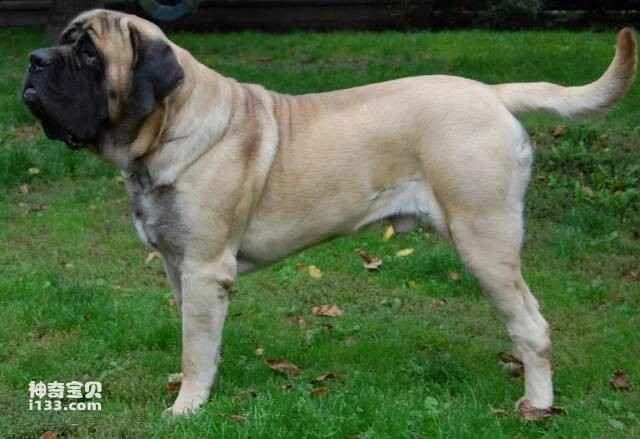
The Mastiff, also known as "Napoleon" in some countries, stands 70-75 cm tall and weighs 60-70 kg, making it one of the largest dog breeds. It is said to have originated in Egypt and was introduced to England by the Persians, where it was bred and standardized. In ancient times, its main roles included assisting with carts, fighting, guarding, and participating in animal combat. It prefers to live in packs. Its coat is short and hard, with colors primarily light fawn, peach, or brown. The tail and ears droop. The eyes and nose are black. Despite its large size and fierce appearance, it is loyal, stable, intelligent, and extremely friendly towards people, especially children. Abroad, it is considered a family member and a very affectionate family dog. It is important to note that Mastiffs have a naturally strong sense of aggression and territoriality, therefore, they require special care and a responsible attitude when kept as pets.
7. American Staffordshire Terrier
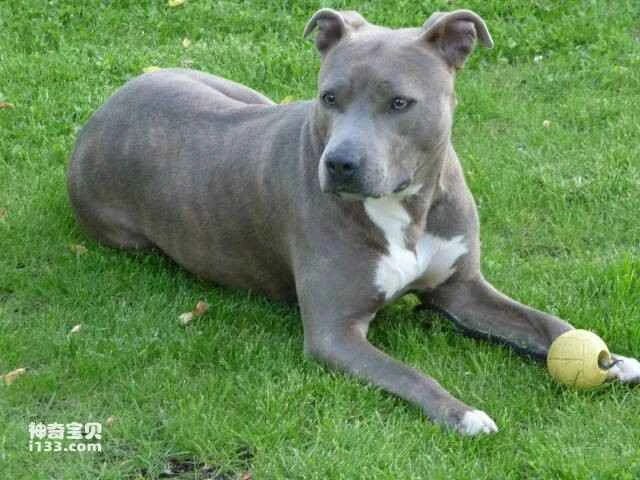
The American Staffordshire Terrier is renowned for its sturdy, well-proportioned build, strong head, muscular body, and courage. Originating in England, the Staffordshire Terrier is a terrier breed that was once widely used for dogfighting. Due to its high level of aggression and bite force, especially towards other animals and strangers, it requires a very careful and responsible approach to care for, including proper socialization, training, and control. The American Staffordshire Terrier is widely used as a guard, protection, and companion dog. Its loyalty, courage, and stamina have led to its widespread use in police, military, and security companies.
8. Rhodesian Ridgeback

The Rhodesian Ridgeback is characterized by its distinctive back, with short, scissor-like hair growing along its spine in the opposite direction to the rest of the body, hence its name. This breed is well-proportioned, intelligent, friendly, calm, and rarely noisy, but can be fiercely independent when angered. It makes a beloved family dog. Skilled at hunting lions, it is also known as the Rhodesian Lion Dog. This versatile breed can be used as a hunting dog, guard dog, or companion dog. It is active and requires a spacious living environment. The Rhodesian Ridgeback is brave, tenacious, and tolerant, able to endure 24 hours without water. It can withstand the extreme temperature variations of the African interior, making it an excellent hunting dog. While adaptable to hot weather and requiring minimal grooming, the Rhodesian Ridgeback is somewhat difficult to train initially and does not easily get along with other dogs. As a truly fierce breed, and requiring a high level of exercise, it can be challenging to keep in the city.
9. Afghan Hound
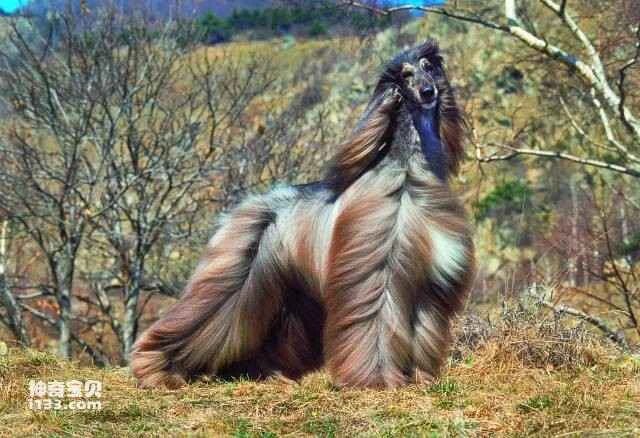
The Afghan Hound is a large dog breed originating in Afghanistan. They are typically characterized by long, silky coats, a slender build, and an elegant gait. Afghan Hounds are widely used for hunting, guarding, and show purposes. Due to their beautiful appearance and noble temperament, they are widely used in dog shows, fashion shows, and films. Furthermore, their gentle, friendly, and intelligent nature has made them popular family pets. It's important to note that their long coats require regular brushing and grooming to prevent tangles and skin infections. Additionally, due to their strong hunting instincts, Afghan Hounds need ample exercise and outdoor time. While Afghan Hounds are gentle in nature, training them requires considerable patience and skill. In short, raising an Afghan Hound requires proper care, training, and socialization to ensure its health, happiness, and that it becomes a loyal, friendly, and trustworthy family pet.
10. Canarao
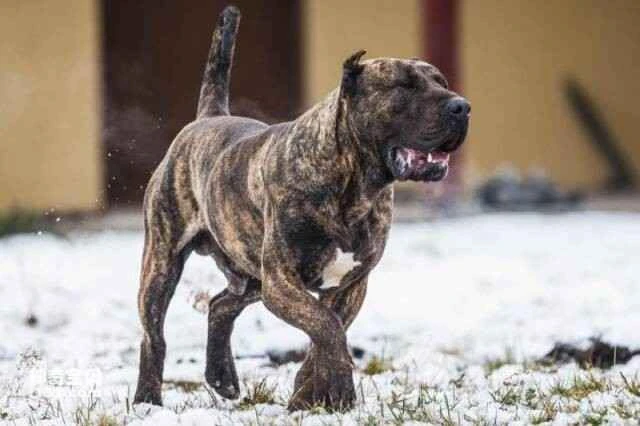
The Canary Mastiff is a breed developed from fighting dogs. It has a large, sturdy head covered with loose skin, roughly rectangular in shape. The neck is thick-skinned and muscular, the chest is broad and deep, and the hindquarters are slightly upturned. The dogs are medium-sized, widely spaced, and covered with short, fine hair. They are energetic and possess typical characteristics of a powerful dog. Canary Mastiffs are highly excitable and easily agitated. They are positive and loyal. For many years, they have been ranked as one of the breeds with the highest rates of injury and death in many countries, and are banned in most. In the early 20th century, dog fighting was popular in most European countries, and breeds with a tenacious temperament developed rapidly; the Canary Mastiff was primarily used for fighting.
Due to varying regional cultures and traditions, there are differences regarding which dog breeds should be prohibited. Under no circumstances should one keep a dog of any breed without being responsible and ensuring that it does not pose a danger to others.