With the arrival of the cold winter, seafood enters its peak season. Especially in January, many seafoods reach their best flavor and are rich in nutrients, providing us with the energy and nourishment we need. This article will introduce you to the top ten best seafoods in January , covering the species characteristics, habitats, nutritional value, and recommended cooking methods for each type, giving you a comprehensive understanding of these delicacies.
1. Eel: A nourishing seafood with thick flesh, few bones, and a rich but not greasy texture.
Eel (Anguilla japonica) is a type of fish that lives in both freshwater and saltwater environments, commonly found in warm marine areas, especially along the southeastern coast of Japan, Korea, and China. Eel is particularly delicious in January, with its thick flesh and moderate fat content, making it both non-greasy and highly nutritious, especially suitable for winter consumption.
Habitat : Eels typically live in coastal bays or freshwater basins, spending most of their life cycle in the ocean before eventually returning to freshwater areas to spawn.
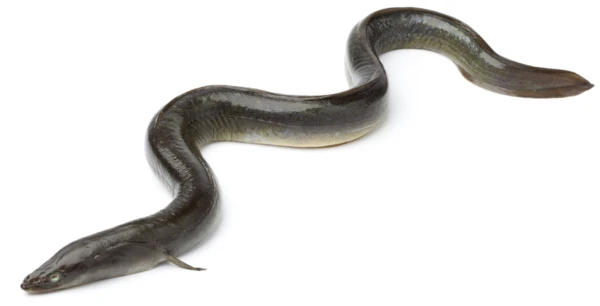
Nutritional value : Eel is rich in high-quality protein, omega-3 fatty acids, vitamin A, B vitamins, and minerals such as calcium and iron, making it a good choice for nourishing the body.
Recommended dishes:
Grilled eel : Sweet and fragrant, crispy on the outside and tender on the inside, rich in nutrients.
Eel sushi : The eel meat is tender and fresh, paired with vinegared rice for a rich flavor.

2. Ribbonfish: A fresh, tender, and delicate seafood delicacy with no fishy smell.
Ribbonfish (Trichiurus lepturus) is an elongated marine fish with a narrow, ribbon-like body. It inhabits tropical and temperate waters, and is widely distributed along the coast of China, in Southeast Asia, and in the Indian Ocean. Its flesh is tender, firm, and odorless, making it a favorite among many seafood lovers.
Habitat : Ribbonfish typically inhabit warm, shallow waters, and especially prefer to live near coral reefs.
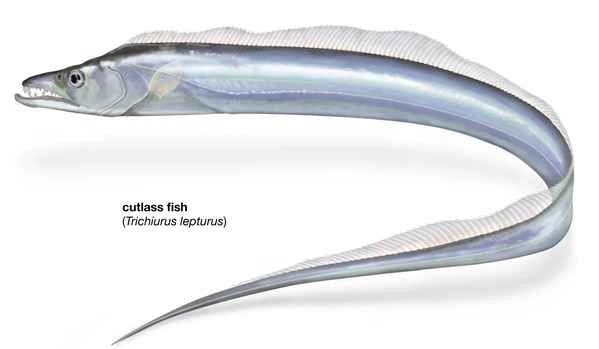
Nutritional value : Ribbonfish is rich in protein and low in fat, and is also rich in minerals such as vitamin D, phosphorus, calcium and potassium. It is an ideal food for nourishing the heart and brain and enhancing physical strength.
Recommended dishes:
Braised ribbonfish : Rich in savory sauce, with tender and smooth meat.
Pan-fried ribbonfish : crispy on the outside and tender on the inside, retaining its original flavor.

3. Yellow croaker: Plump and tender, a common seafood on the dining table.
Yellow croaker (Larimichthys polyactis) is a type of sea fish widely distributed along the coast of China, renowned for its delicious and tender flesh. Its delicate texture and high-quality protein make it a favorite among consumers.
Habitat : Yellow croakers mainly live on the bottom of the ocean, inhabiting shallow waters near the coast, and especially prefer sandy or muddy seabed environments.
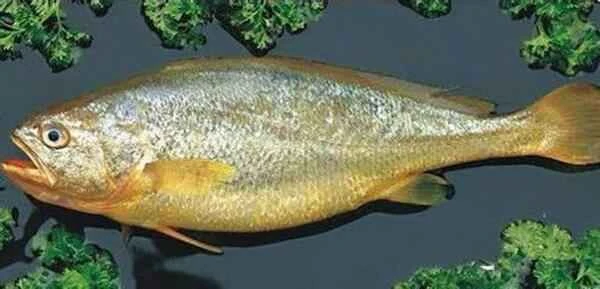
Nutritional value : Yellow croaker is rich in high protein, low in fat and unsaturated fatty acids, and contains vitamins A, D and E, making it a good choice for enhancing immunity and promoting bone health.
Recommended dishes:
Crispy Fried Yellow Croaker : Crispy on the outside and tender on the inside, with a rich texture.
Braised Yellow Croaker : The flesh is tender and the sauce is rich and flavorful.

4. Large yellow croaker: Tender and smooth, with finely minced meat and few bones, making it a perfect seafood.
Large yellow croaker (Pseudosciaena crocea) is a marine fish widely distributed in the South China Sea and East China Sea. Its flesh is tender and delicate, with few bones, and it is suitable for various cooking methods, so it is often regarded as a high-end ingredient on the dining table.
Habitat : Large yellow croakers live in sandy bottom areas of the deep sea and often inhabit warm marine environments.
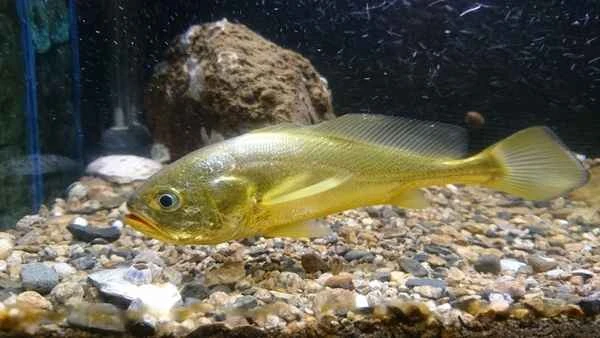
Nutritional value : Large yellow croaker is rich in high-quality protein, omega-3 fatty acids, vitamin D and minerals such as calcium and phosphorus, which have a significant effect on improving heart health and strengthening bones.
Recommended dishes:
Braised Yellow Croaker : Golden in color, with a rich sauce and tender fish meat.
Steamed Yellow Croaker : Preserves its original flavor and has a delicious taste.

5. Sea bass: Firm and tender flesh, fresh and delicious.
Sea bass (Lateolabrax japonicus) is a type of sea fish with firm and elastic flesh, commonly found in the coastal waters of China, Japan, Korea, and Southeast Asia. Its flesh is tender and flavorful, making it a seafood with a rich and complex taste.
Habitat : Sea bass typically inhabit rocky reef areas near the coast, especially in areas with relatively clear water.
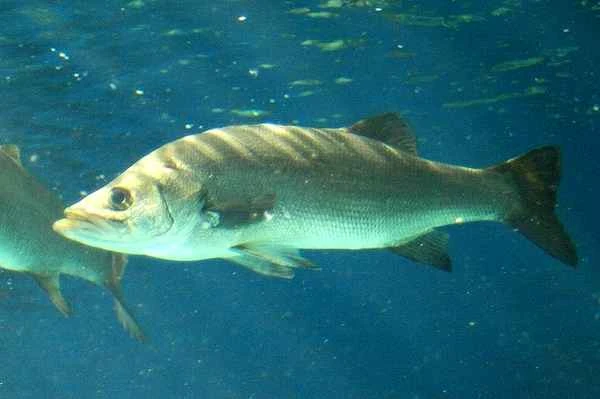
Nutritional Value : Sea bass is rich in protein and low in fat, making it a low-calorie, highly nutritious healthy food. It also contains abundant omega-3 fatty acids, B vitamins, and minerals such as potassium and calcium, which help maintain heart health and boost immunity.
Recommended dishes:
Braised sea bass : Rich in soy sauce flavor, with tender and smooth flesh.
Kung Pao Sea Bass Balls : Sour and spicy, appetizing, with tender and delicious meat.

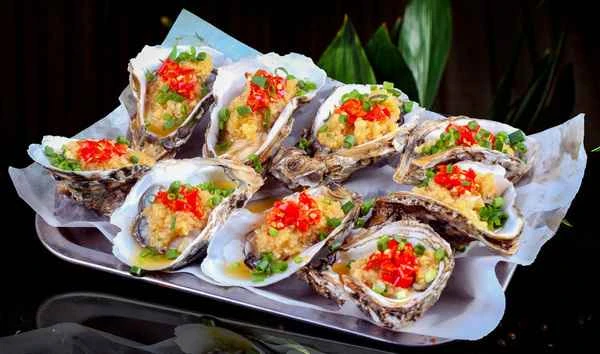
6. Oysters: A salty and fresh seafood delicacy with a tender texture.
Oysters (Crassostrea gigas) are a type of shellfish with a tender texture and a salty, savory flavor. They are widely distributed in temperate to tropical waters, and are particularly common in the coastal waters of China, Japan, and Australia.
Habitat : Oysters mainly inhabit rocky reefs or sandy bottoms in the intertidal zone. They can adapt to relatively harsh environments, and they grow best in mineral-rich seawater.
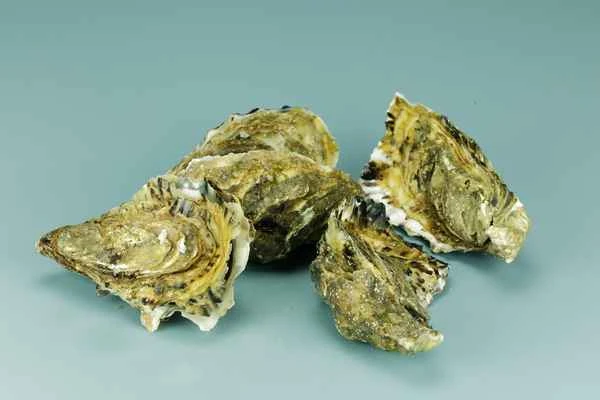
Nutritional value : Oysters are a "superfood" from the ocean, rich in zinc, iron, selenium, vitamin B12, and omega-3 fatty acids, which can enhance immunity and have anti-aging effects. They are also an ideal food source that is low in calories and high in protein.
Recommended dishes:
Grilled oysters : fragrant and tender.
Oyster and Egg Stir-fry : Light yet delicious, with a rich texture
7. Octopus: Tender and chewy, with the taste of the ocean.
Octopus (Octopus vulgaris) is a highly intelligent mollusc with incredibly elastic flesh and a unique texture. Octopuses have a wide distribution, primarily inhabiting the bottoms of rocks in temperate and tropical seas.
Habitat : Octopuses prefer to live in rocky caves or coral reefs on the seabed, especially in deep-sea areas.
Nutritional value : Octopus is rich in protein, vitamin B12, calcium, iron and other minerals, and is low in fat, making it suitable for maintaining good health and boosting immunity.

Recommended dishes:
Boiled octopus : retains its original flavor and has a chewy texture.
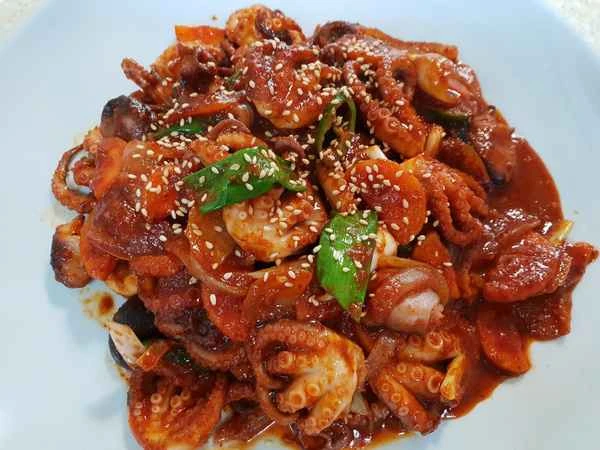
Spicy Stir-fried Octopus : Fragrant, spicy, and flavorful with a chewy texture.
8. Mudfish: Fresh, sweet, and crisp, a healthy seafood that nourishes yin and tonifies the kidneys.
Mud worms (Phascolosoma arcuatum), also known as "mud bugs," belong to the class Annelidae of the phylum Annelida. They are prized for their sweet and crisp texture and are mite-like organisms that live on beaches, widely distributed in the Beibu Gulf. They can be harvested year-round, but are especially abundant during the crisp autumn season around the Double Ninth Festival when they are larger. Groups of people go down to the beach to collect them for this delicious food. Using special triangular hoes to turn over the surface soil, they find the worm tunnels with a bluish-white tinge, following the small holes left on the beach surface. They gently dig shallowly to locate the worms.

Habitat : The mudskipper mainly inhabits wet beaches, estuaries and shallow water areas.
Nutritional value : Mud goose meat is delicate and delicious, and contains rich protein, calcium, phosphorus and other minerals. It has a nourishing effect and is especially suitable for consumption in winter.
Recommended dishes:
Mud porridge : light, refreshing, and nourishing, suitable for the cold season.
Stir-fried garlic chives with minced meat : crisp, refreshing, and nutritious.

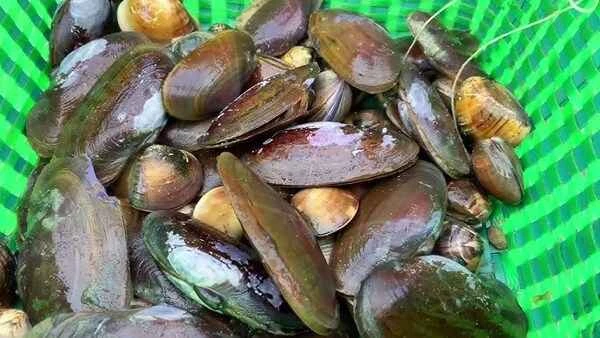
9. Sand snails: Tender, delicious, and nutritious seafood.
Sand snails (Sanguinolaria acuta) are a uniquely shaped mollusk with tender and elastic flesh. They typically inhabit warm beaches and muddy or sandy areas on the seabed.
Habitat : Sand snails typically inhabit sandy bottoms and the intertidal zone of beaches. They are highly adaptable and can survive in environments with significant variations.
Nutritional value : Sand snails are rich in protein, minerals and trace elements, and have a nourishing effect, which can enhance immunity.
Recommended dishes:
Congee with sand snails : Light yet nutritious, suitable for nourishing the body.
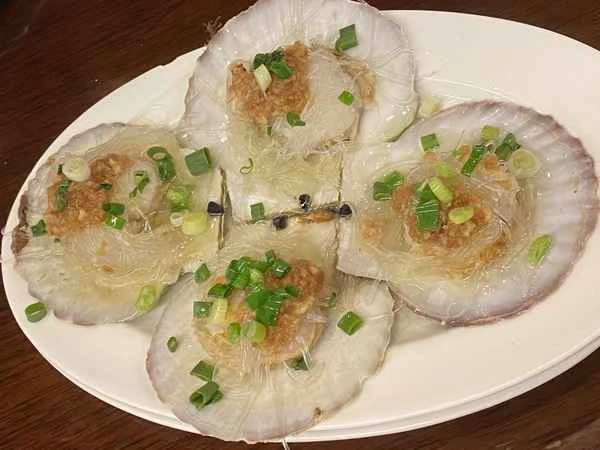
Steamed sand snails with garlic and vermicelli : delicious, juicy, and with a rich texture.

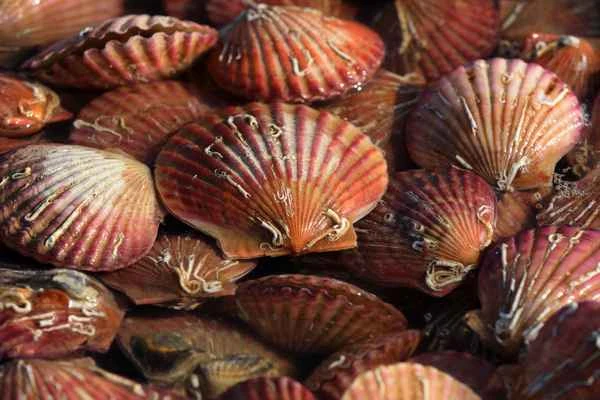
10. Scallops: The scallop meat is tender and juicy, and the roe is smooth and refreshing.
Scallops (Patinopecten yessoensis) are a type of shellfish with tender, juicy, and delicate meat. They are widely distributed in temperate and tropical waters of China, Japan, Korea, and other regions.
Habitat : Scallops typically inhabit shallow waters, especially areas with abundant nutrients. They prefer to live on rocky reefs or sandy bottoms.
Nutritional value : Scallops are rich in protein, trace elements, omega-3 fatty acids and vitamin B12, which can improve immunity and promote health.
Recommended dishes:
Garlic scallops : fragrant and tender.
Steamed scallops : retains the original flavor, the scallop meat is fresh and delicious.
Conclusion
January's seafood season brings us a wealth of delicious dishes. Each type of seafood has its unique flavor and nutritional value, satisfying not only the taste buds but also providing essential nutrients for the body. Whether you prefer the delicate texture of eel or the freshness of oysters , trying these winter seafoods will bring more health and flavor to your dining table.