Cold-blooded animals, or ectothermic animals, are particularly sensitive to temperature changes. These organisms rely on external heat sources to regulate their body temperature, meaning that extreme cold weather poses a significant threat to their survival. This article introduces ten of the most cold-sensitive animals, showcasing how different species react when temperatures plummet. These animals cannot adapt to low temperatures and possess unique survival strategies to cope with cold weather.
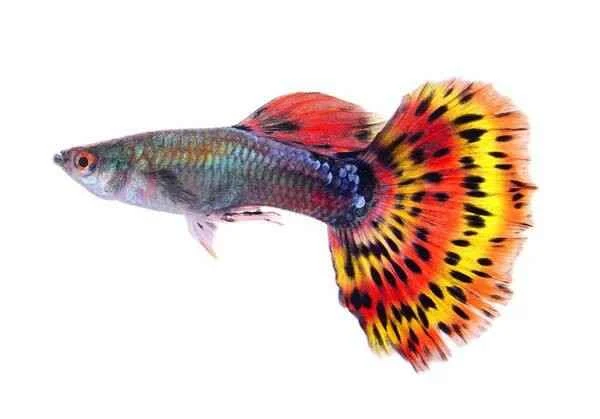
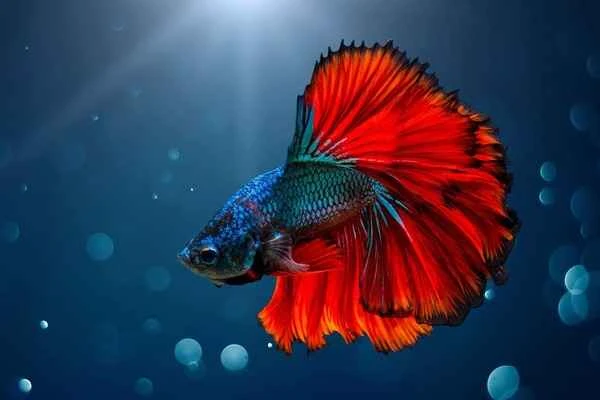
1. Tropical fish: They will feel uncomfortable in water temperatures below 22°C (72°F).
Tropical fish are among the most sensitive to cold, especially species like clownfish and betta fish. These fish are highly dependent on warm waters and generally thrive best at temperatures above 22°C (72°F). When the water temperature drops below this level, their metabolism slows down, they may become sluggish, or even become ill.
Tropical fish typically live in warm oceans or tropical freshwater lakes and require stable, warm water temperatures to maintain their health. Their sensitivity to cold is also why many aquarium enthusiasts use aquarium heaters to maintain the ideal water temperature.
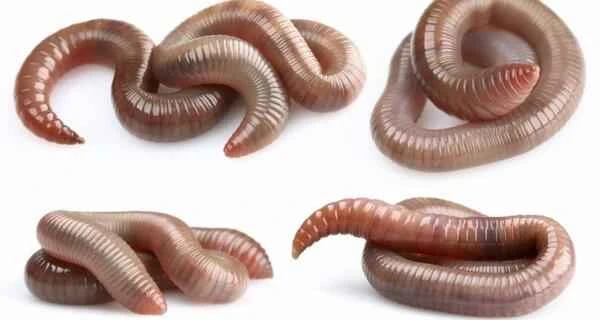
2. Earthworms: cannot survive below 20°C (68°F).
Earthworms are another example of creatures unable to withstand cold. These tiny creatures typically thrive best in environments above 20°C (68°F). When soil temperatures drop, earthworms become less active and may even die in extremely cold conditions. They play a crucial role in soil temperature fluctuations, making temperature vital for their survival.
Earthworms play an important role in loosening soil and decomposing organic matter, but they cannot adapt to cold environments. In many cold regions, earthworm populations have declined significantly, which affects soil quality and plant growth.
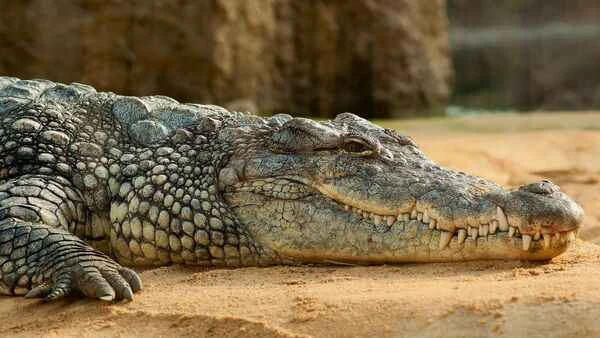
3. Crocodiles: They feel weak at temperatures below 20°C (68°F).
Crocodiles, as cold-blooded reptiles, are extremely sensitive to low temperatures. They typically live in tropical and subtropical regions where temperatures are usually above 20°C (68°F). When the temperature drops below this critical point, crocodiles enter a state of lethargy, making them unable to hunt or reproduce effectively.
Low temperatures make crocodiles inactive, threatening their survival, especially in areas where cold temperatures persist for extended periods. When temperatures drop below 20°C, crocodile populations typically decline or become highly sparse.
4. Snails: They cannot survive below 14°C (57°F).
Snails are particularly sensitive to cold weather. Most snails struggle to survive in temperatures below 14°C (57°F). Cold environments slow down their metabolism, making it difficult for them to move or forage. In extremely cold conditions, snails may enter a hibernation state, closing their shells and waiting for warmer weather.
This sensitivity to cold is why snails typically live in temperate climates where temperatures remain relatively stable throughout the year. In colder regions, snail populations are limited, and many species enter a dormant state during the winter.

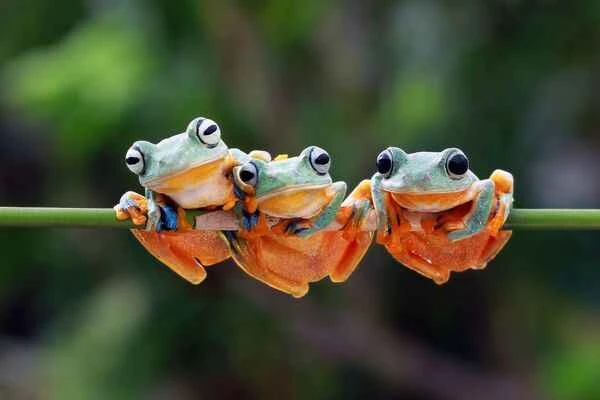
5. Frogs: They feel uncomfortable below 10-12°C (50-54°F).
Frogs are another type of animal that cannot tolerate cold. Most frogs become sluggish when the temperature drops below 10-12°C (50-54°F). They rely on their environment to regulate their body temperature, and cold weather makes it difficult for them to find food and even makes it difficult for them to breathe.
Some species have adapted to the cold by hibernating in underground burrows or under trees during the winter, but prolonged exposure to low temperatures can be fatal. Their sensitivity to cold limits their habitat, with most species living in warmer regions or areas with temperate climates.
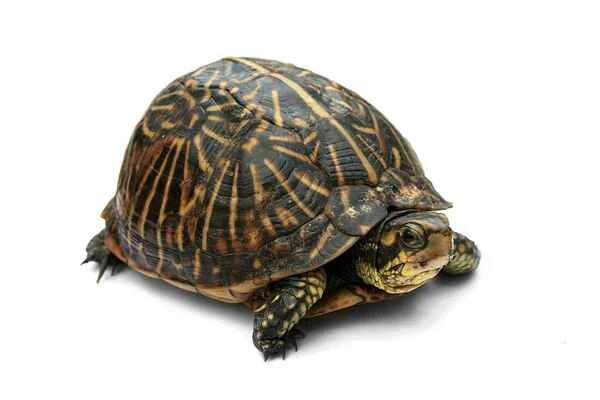
6. Turtles: Difficult to survive below 10°C (50°F).
Turtles are also cold-sensitive creatures; most species cannot survive temperatures below 10°C (50°F). Like other reptiles, turtles are ectothermic, meaning their body temperature varies with their environment. When temperatures are too low, their metabolism slows down significantly, making them less active and more vulnerable to predators.
To survive the colder months, many turtles hibernate or burrow into the soil. However, they may not survive if temperatures drop sharply or become too low, which is why they typically live in warmer climates.
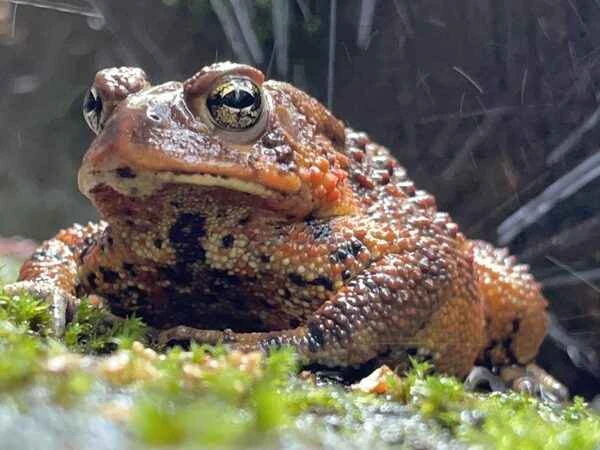
7. Toads: They will hibernate below 10°C (50°F).
Like frogs, toads are amphibians that are very sensitive to cold. They cannot tolerate temperatures below 10°C (50°F). When temperatures are too low, toads hibernate or hide underground. During this period, their metabolism slows down significantly.
Toads typically live in temperate and subtropical climates with relatively moderate temperatures. In colder regions, toads are usually few in number or nonexistent.
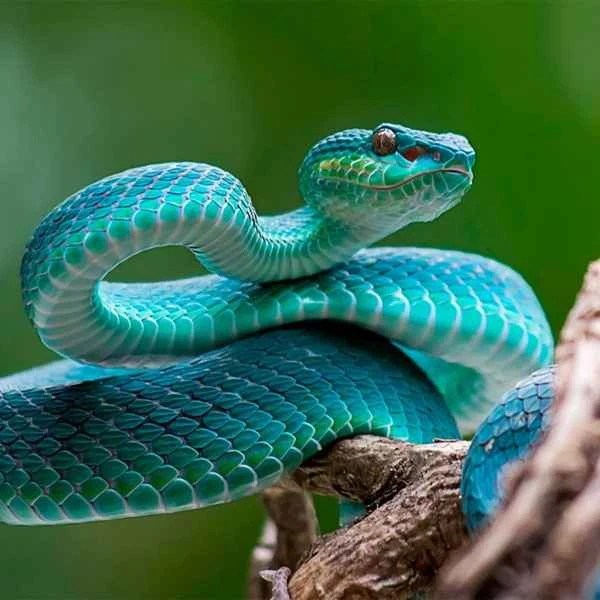
8. Snakes: They become sluggish at temperatures below 7-8°C (45-46°F).
Snakes, like many other cold-blooded animals, are highly sensitive to temperature changes. They cannot function properly when the temperature drops below 7-8°C (45-46°F). As temperatures fall, snakes become sluggish and unable to hunt effectively. In extremely cold weather, many snakes hibernate or enter a state of dormancy, a way for them to conserve energy until temperatures rise again.
Snakes typically live in warm tropical and temperate regions where temperatures rarely drop to levels they cannot tolerate. They rely heavily on the heat of their environment to regulate their body temperature.
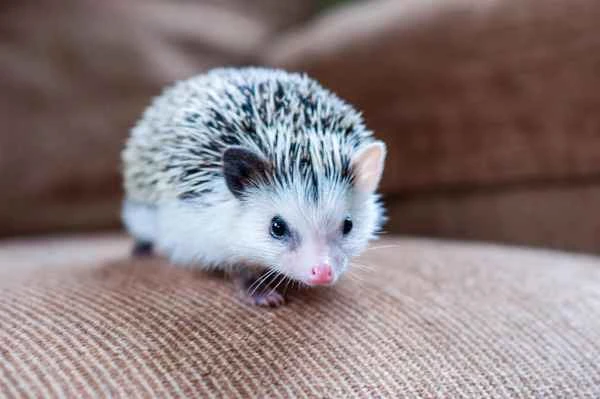
9. Hedgehog: Cannot adapt to temperatures below 7°C (45°F).
Hedgehogs are small, nocturnal mammals that are very sensitive to cold weather. When the temperature drops below 7°C (45°F), hedgehogs hibernate. During hibernation, their metabolism slows down, and they rely on their body's fat reserves to survive until the temperature rises again.
Hedgehogs typically live in parts of Europe and Asia, and their survival depends on mild climates. During prolonged periods of cold weather, hedgehog numbers may decline as they struggle to find enough food during hibernation.
10. Koalas: Difficult to survive below 5°C (41°F)
Koalas are a species endemic to Australia and are highly sensitive to cold temperatures. These marsupials are very ill-suited to temperatures below 5°C (41°F). Koalas have thick fur to protect themselves from heat loss, but this fur is not as effective in cold weather, making them vulnerable to cold conditions.
In areas with persistently low temperatures, koalas typically seek shelter in the dense foliage of trees, but prolonged exposure to cold temperatures can lead to hypothermia and even death. Their sensitivity to cold makes them extremely dependent on Australia's relatively mild climate.

Conclusion: Animals that are "cold-sensitive"
From tropical fish to koalas, many animals have evolved to adapt only to specific environmental conditions, making them extremely sensitive to cold. These cold-sensitive animals remind us that temperature is crucial for the survival of species, especially for cold-blooded or ectothermic organisms. Understanding these temperature thresholds helps scientists and animal lovers better comprehend the delicate balance of nature and how different species adapt to their habitats.