Hybrids are offspring produced through mating between different species. These animals typically possess unique characteristics that are both amazing and intriguing. While some hybrids are not solely products of nature, others are the result of human intervention aimed at cultivating specific traits. This article explores ten of the world's most fascinating hybrids, detailing their physical characteristics, origins, and importance within their ecosystems.
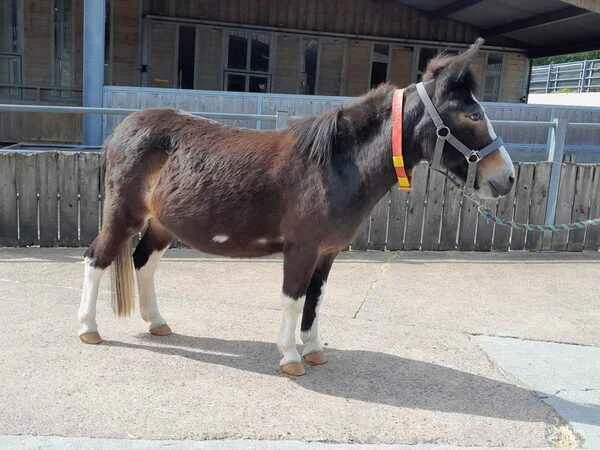
1. Mule: A vigorous hybrid offspring of a donkey and a horse.
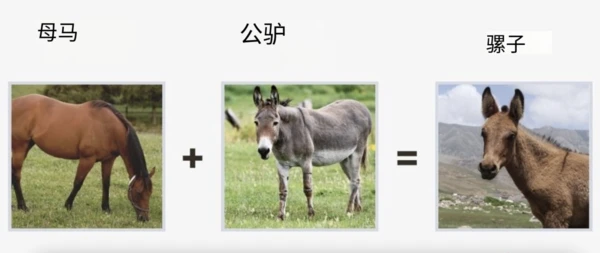
Mules are among the world's most famous hybrid animals, typically bred from a male donkey and a female horse. They inherit the stamina of a donkey and the physique of a horse, combining the best of both. They are commonly used as load-bearing animals and are renowned for their exceptional strength and endurance.
Mules are known for their intelligence and adaptability, enabling them to survive and work in extreme conditions. From mountains to deserts, their adaptability makes them invaluable in transportation and agricultural work. Although mules are generally infertile, they have a long lifespan and are exceptionally durable.
2. Liger: A giant hybrid of a male lion and a female tiger.
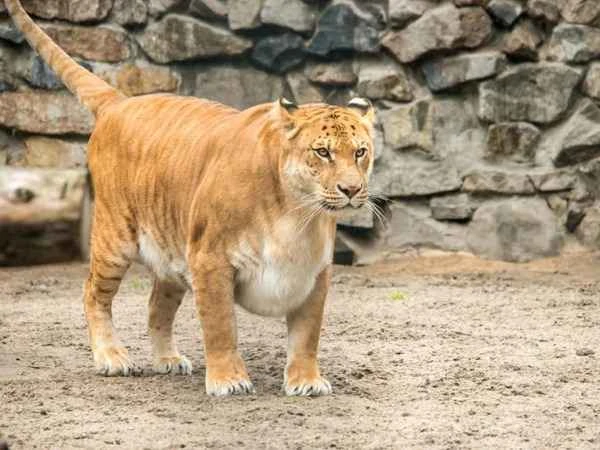
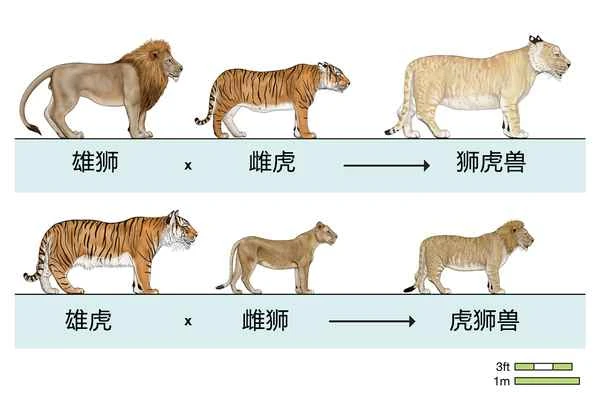
A liger is the offspring of a male lion and a female tiger. These hybrids are the largest known big cats, typically larger than either of their parent species. Ligers inherit the strength and ferocity of lions while possessing the agility and hunting skills of tigers, making them a truly magnificent species.
Ligers are known for their massive size and distinctive appearance, typically possessing a lion's mane and a tiger's stripes. Due to their size, ligers are usually not found in the wild and are instead bred in zoos. However, despite their stunning appearance, ligers are generally unable to breed.
3. Tigon: A smaller, agile hybrid offspring.
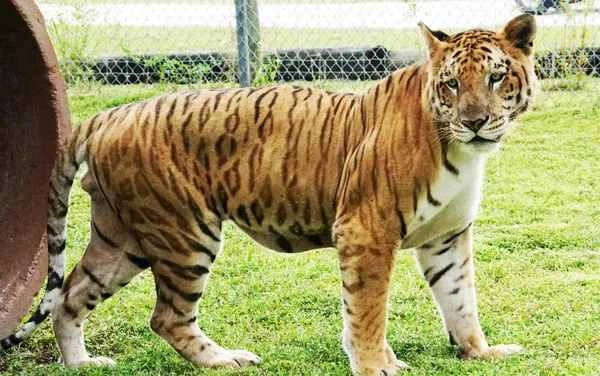
A tigon is a hybrid animal produced by mating a male tiger and a female lion. Tigers are typically smaller than ligers but still inherit most of their parents' characteristics. Tigers generally exhibit more tiger features, including stripes and a slender build, but they also possess some lion-like traits, such as a larger head.
Tigers are typically more aggressive, inheriting the powerful instincts of both tigers and lions. Like ligers, tigers are usually unable to breed and typically only reproduce in zoos or wildlife sanctuaries.
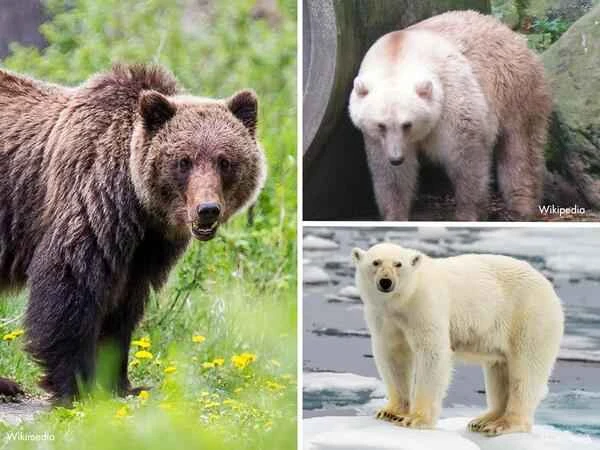
4. Grizzly Bear: A hybrid of a grizzly bear and a polar bear.
Grizzly bears, also known as "polar grizzly bear hybrids," are the offspring of grizzly bears and polar bears. This hybridization has become increasingly common as climate change forces polar bears to migrate south and enter grizzly bear territory.
Grizzly bears possess physical characteristics intermediate between their two parent species, with fur ranging from white to brown, and typically exhibit a robust physique. This hybrid is believed to be an evolutionary response to climate change, combining the strength and endurance of grizzly bears with the adaptability of polar bears.
5. Leopon: A hybrid offspring of the beautiful spotted lion.
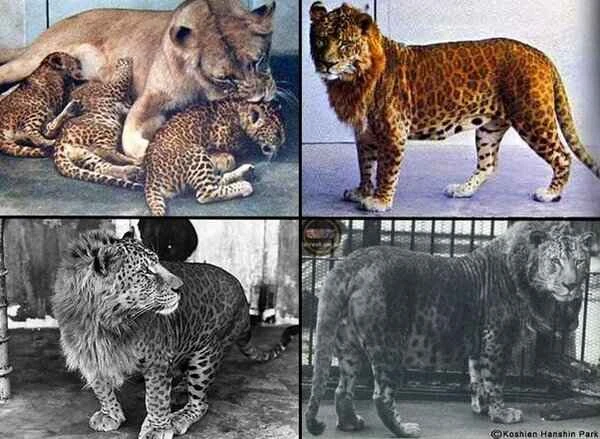
Leopard lions are hybrids of male jaguars and female lions. Their appearance is very unique, combining the spotted features of a jaguar with the mane of a lion. They are more slender than ordinary lions, but retain the strength and aggression of a lion.
Leopard lions are extremely rare, usually found only in zoos. They inherit the agility of jaguars and the territorial behavior of lions, resulting in a powerful yet beautiful hybrid animal.
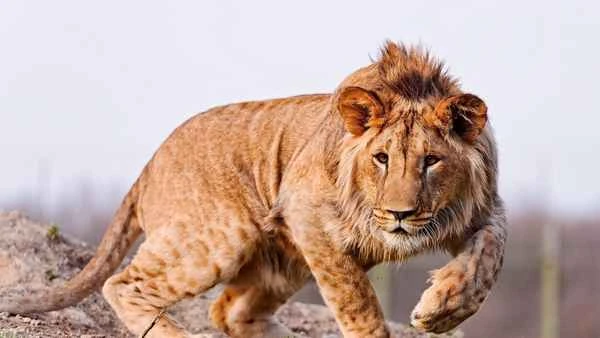
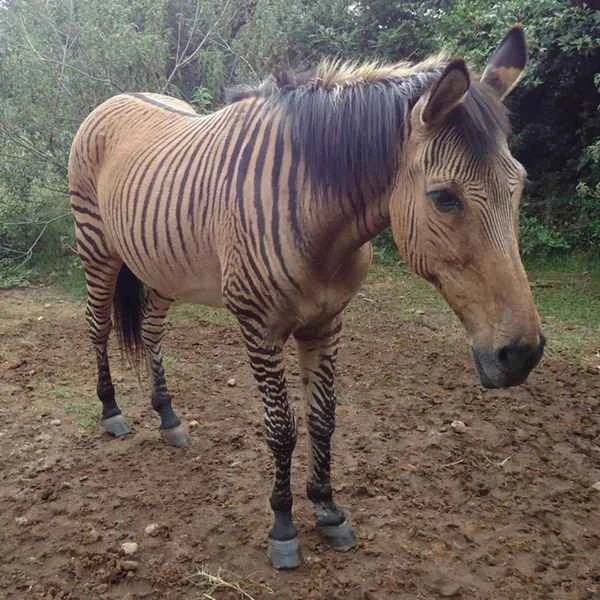
6. Zorse: A unique hybrid of zebra and horse.
Zebra horses are the offspring of zebras and horses. These hybrids inherit the stripes of zebras, typically with prominent stripes on their limbs, face, and certain parts of their body. However, their body shape is more similar to that of a horse, and they are therefore more robust.
Zebras are known for their intelligence and agility, which is why they were once used as working animals in agriculture and the military. Although they inherited some of the stubbornness of zebras, overall, zebras are very resilient and adaptable animals.
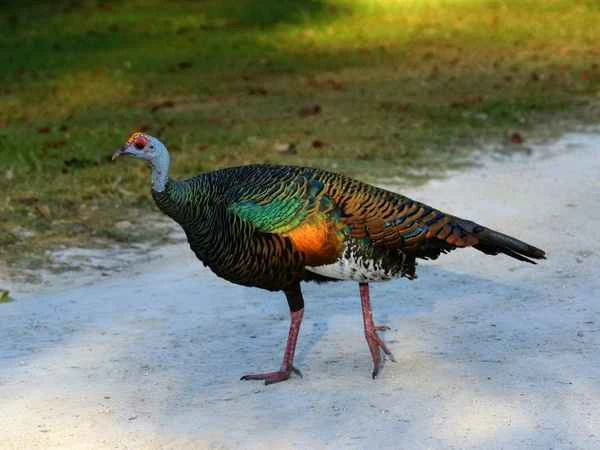
7. Panfowl: A hybrid of peacock and pheasant.
The pheasant is a hybrid bird resulting from the mating of a peacock and a pheasant. These hybrid birds inherit the peacock's vibrant plumage and the pheasant's more compact body shape. Their plumage and colors are very striking, making them popular in birdwatching and the exotic pet market.
The pheasant combines the beauty of the peacock with the flight ability of the pheasant, enabling it to adapt to diverse environments. Its unique appearance and hybrid vigor make it a fascinating species in the bird world.
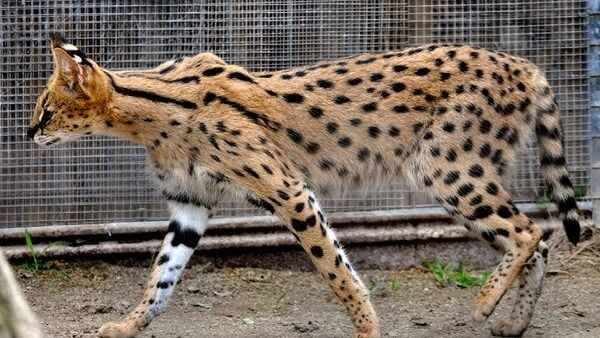
8. Savannah Cat: A cross between a domestic cat and an African lynx.
The Savannah cat is a hybrid breed resulting from the cross between a domestic cat and an African lynx. These hybrid cats have a striking appearance, with long bodies, long limbs, and lynx-like markings on their fur. Their captivating looks often attract the attention of many pet lovers.
Savannah cats are incredibly intelligent and energetic, inheriting not only the agility of wild lynxes but also some of the sociality of domestic cats. Despite being domesticated pets, Savannah cats retain some wild instincts, making them more difficult to care for than typical domestic cats.
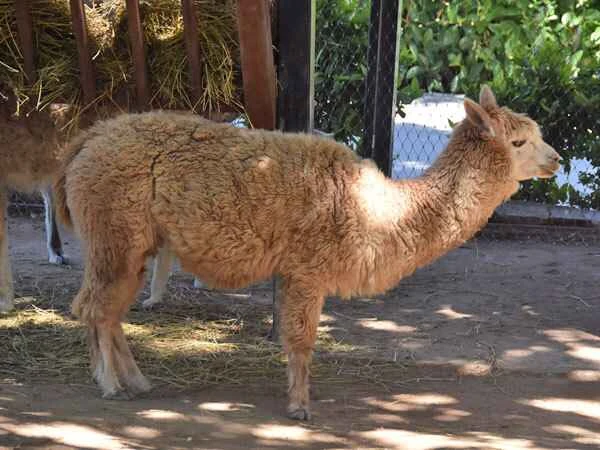
9. Cama: A hybrid of camel and alpaca.
The kama is a hybrid animal produced by mating a male camel and a female alpaca. This hybrid species was created to produce an animal that can withstand harsh environments while maintaining a small size, possessing both the endurance of a camel and the gentle nature of an alpaca.
Camels are primarily used for hair production, and their hair is prized for its warmth and softness. They inherit the camel's ability to adapt to extreme temperatures, while their smaller size makes them more suitable for surviving in a variety of environments.
10. Parrotfish: A hybrid fish species from tropical oceans.
The Blood Parrot Fish, also known as the Red God of Wealth, God of Wealth Fish, or Parrot Fish, is an artificially bred hybrid of the Orange Double Crown Cichlid (Amphilophus citrinellus) and the Purple Firemouth Cichlid (Vieja melanura), not a natural species. It originates from Taiwan. The Blood Parrot was first successfully hybridized by three Taiwanese biologists, Tsai Chien-fa, Chen Yen-ching, and Chen Chien-chih, in 1988. Because the Blood Parrot is a new species resulting from the hybridization of two different species, it cannot reproduce on its own and must be bred by crossing it with the Red Devil Cichlid and the Purple Firemouth Cichlid. Blood Parrots also have male and female counterparts; after pairing, they will lay eggs, but these eggs will not hatch into fry. However, there are successful breeding cases of female Blood Parrots being bred with Flowerhorn cichlids and other cichlids. Therefore, only the female Blood Parrot is likely fertile.
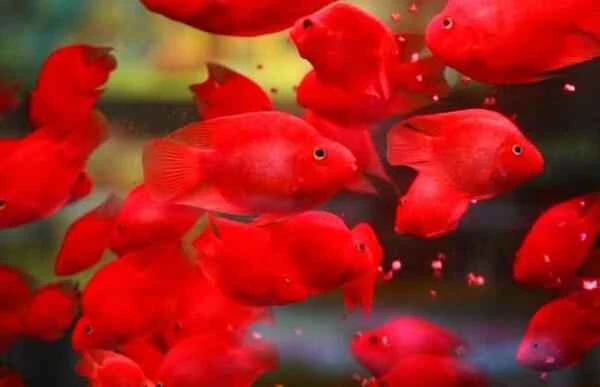
Its body is nearly spherical or oval, with a rounded back and a well-developed tail fin. Its entire body is almost blood red, and it has an adorable triangular mouth that always seems to be smiling, making it a favorite among fish enthusiasts. Blood parrots are robust and adaptable to a wide range of water conditions, with an ideal water temperature of 25-28℃. They have a broad diet, enjoying small live fish, shrimp, and bloodworms. They can also attack other blood parrots and are known for their aggressive nature. Therefore, it is best not to keep only two in an aquarium; they should be kept in a group.
Conclusion: The allure of hybrid animals
Hybrid animals are a remarkable part of nature, showcasing unique combinations of characteristics between species. Whether naturally occurring hybridization or the result of human intervention, hybrid animals often demonstrate a remarkable ability to adapt to new environments and evolve. From the massive liger to the elegant Savannah cat, hybrid animals are living examples of nature's creativity and resilience.
Understanding the biology and behavior of these hybrid animals is crucial for conservation efforts, especially since many hybrids are key to protecting endangered species through artificial breeding. With increasing climate change and habitat destruction, hybrid animals may play an increasingly important role in protecting biodiversity.