Butterflies, often called "flying flowers," are a captivating and beautiful group of insects. Surprisingly, however, the more beautiful their appearance, the more potent their venom. This article introduces 10 of the world's most venomous butterflies, including the African Longwing Swallowtail, the Birdwing Swallowtail, the Monarch Swallowtail, the Blue-edged Blue Grey, the Queen Swallowtail, the American Blue Swallowtail, and the Red-sawed Swallowtail. Let's learn about them together.
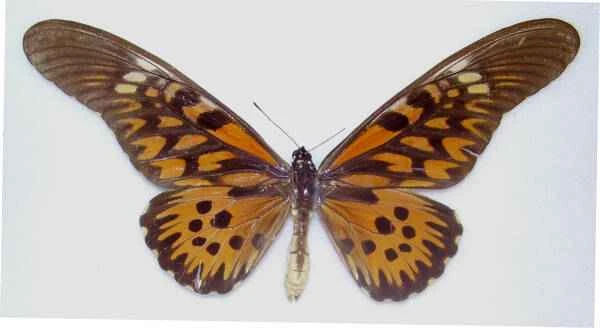
1. African long-winged swallowtail butterfly (contains cardiotonic steroid toxin)
The African Swallowtail (Papilio spp.) is the number one most venomous butterfly species. It is the largest butterfly in Africa, possessing striking orange and black wings. This vibrant coloration is not merely for aesthetics; in fact, it serves as a warning signal, as this butterfly is highly venomous to its predators. Furthermore, the African Swallowtail emits a strong odor that can be detected from ten paces away. Its scales are rich in cardiotonic toxins, causing some animals, such as swallows, sparrows, and lizards, to avoid it. The toxins in an adult African Swallowtail are said to be enough to kill six domestic cats.
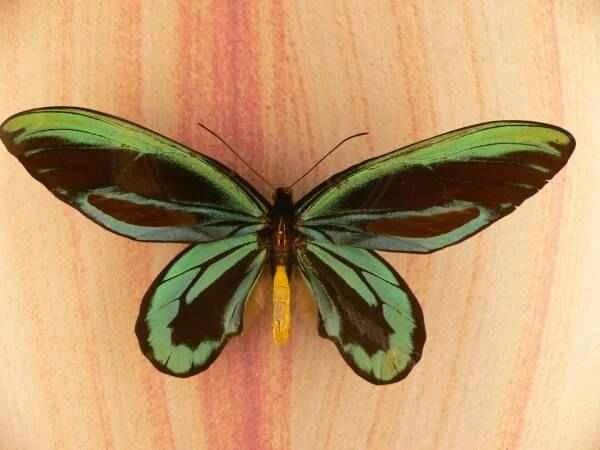
2. Birdwing butterfly (parasitic on Aristolochia debilis)
Among butterflies, the Birdwing Butterfly is one of the most venomous species. Butterflies in this genus are typically large with brightly colored wings and mainly inhabit the tropical rainforests of Oceania. Adult butterflies are active around the rainforest, but their numbers are relatively small. Birdwing butterflies are most active at dawn and dusk, feeding on nectar. It is worth emphasizing that after mating, the female butterfly immediately seeks a suitable host plant, primarily plants of the genera *Aristolochia* and *Aristolochia*. Therefore, the larvae's host plants encompass a variety of *Aristolochia* species, and they mainly feed on the leaves of these plants. Thus, butterflies belonging to the Birdwing Butterfly family are all highly venomous. These butterflies possess a retractable organ at the back of their heads called a "GV1." When disturbed, they secrete foul-smelling terpenoid compounds. This unique defense mechanism causes most predators to avoid them due to their toxicity.
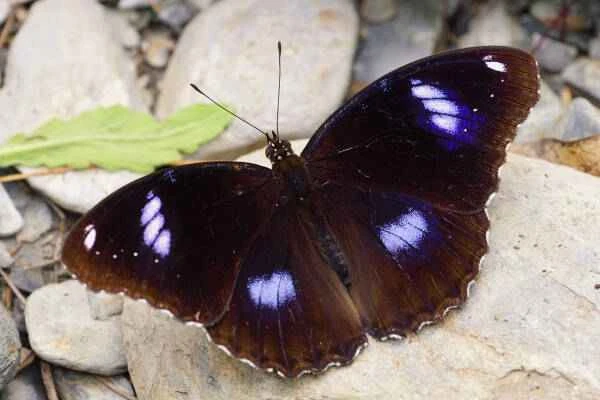
3. The Purple Butterfly (Oleander toxin)
Poisonous butterflies are often quite beautiful, and I especially adore the Monarch Purple Butterfly. The male of this species has dark brown wings, darker at the base and gradually fading to lighter shades towards the sides, with a subtle blue sheen. The trailing edge of the forewings protrudes in a broad arc. When sunlight shines on their wings, they produce a beautiful and captivating purple fluorescence. The Monarch Purple Butterfly prefers to lay its eggs on the leaves of oleander and ficus microcarpa. Newly hatched larvae first consume the eggshells and then begin feeding on the tender leaves of oleander or ficus microcarpa. They accumulate toxins in their bodies by ingesting oleander, thus protecting themselves from predators.
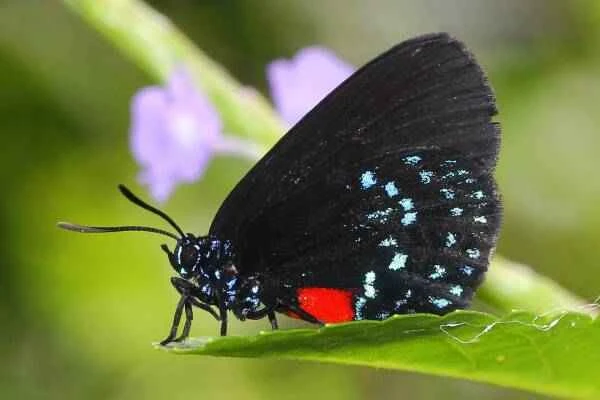
4. Blue-edged Common Blue Butterfly (containing cycads)
The Blue-edged Blue butterfly is one of the most venomous butterflies in the world, and it, along with five other species in its genus, are dedicated to displaying their toxicity. The toxicity of these six butterflies stems from a plant they feed on during their larval stage: the cycad. Cycads are plants that have existed since the time of dinosaurs and contain a potent hepatotoxic toxin called cycadin. Due to this potent toxicity, butterflies belonging to the genus *Eumaeus* are often large and brightly colored. Their larvae are also very striking, being red with gold stripes, and they often appear in groups, feeding together on cycad plants.
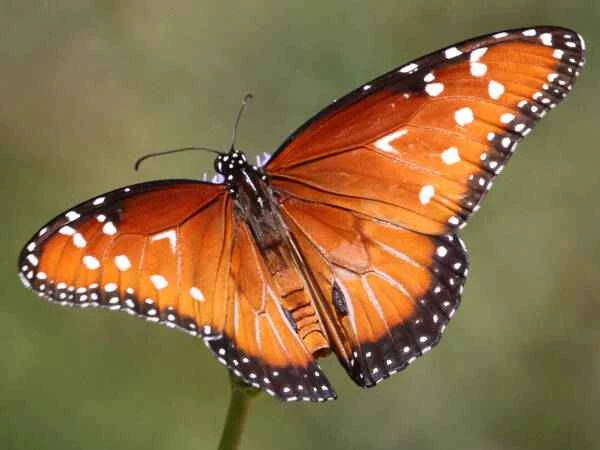
5. Queen Elizabeth butterfly (contains milkweed toxin)
The Queen Elizabeth butterfly (Danaus gilippus) belongs to the family Danaidae and lives in North and South America. It is also one of the most venomous butterflies in the world. This butterfly typically has a wingspan between 3.1 and 9.3 inches, with orange-brown wings edged and veined in black. White spots surround the black edges of the forewings, giving them a luminous appearance. The Queen Elizabeth butterfly feeds on milkweed plants. This plant contains potent toxins, and when the butterfly larvae ingest milkweed, the toxins accumulate in their bodies. These toxins are enough to kill small birds, and in some milkweed species, excessive consumption by butterfly larvae can even cause them to become paralyzed. This demonstrates the Queen Elizabeth butterfly's extremely high venom.
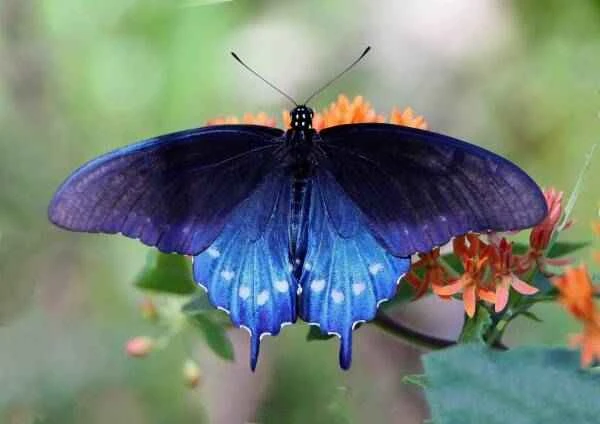
6. American Blue Swallowtail (parasitic on Aristolochia)
The highly venomous American Blue Swallowtail butterfly is mainly distributed in North America. Its life cycle consists of four stages: egg, larva, pupa, and adult. The eggs are round, while the larvae have neatly arranged black or red fleshy, horn-like projections on their backs. These larvae typically live in groups and feed on various climbing plants, especially the leaves of Aristolochia plants. When pollen enters the larvae, it is converted into a toxin called cyanogenic glycoside. This toxin not only protects the butterfly itself but also provides protection before the larvae hatch. When pollen levels are low, the female butterfly redirects the toxin to her reproductive system.
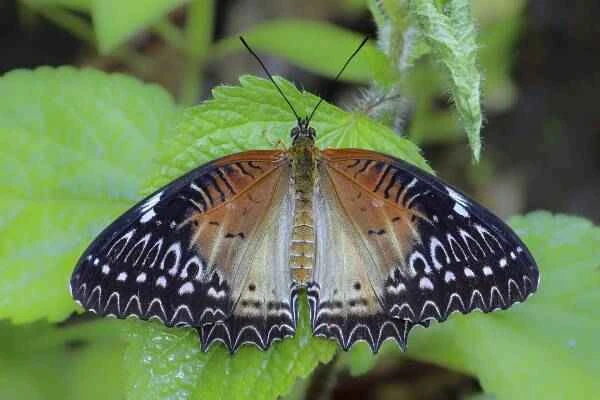
7. Red-sawed butterfly (containing lantana toxin)
The Red-sawed Butterfly is one of the ten most notorious poisonous butterflies, possessing a graceful form and vibrant plumage. The larvae feed on a three-lobed shell. Adults in the wild are mostly found in forest clearings and sunny open areas at forest edges, sometimes also searching for nectar-producing plants in plains, particularly favoring lantana flowers. They may also feed on fermented fruit juices and even animal feces. Lantana is listed as one of the world's ten most poisonous weeds; cattle and sheep that consume its leaves may suffer poisoning or even death. Therefore, the Red-sawed Butterfly is also considered highly poisonous.
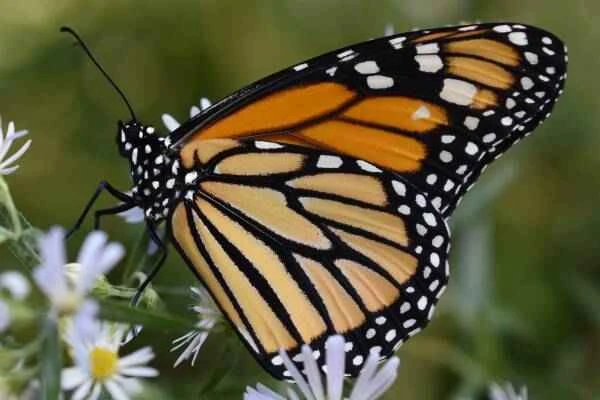
8. Monarch butterfly (contains milkweed toxin)
The monarch butterfly is one of the 10 most venomous butterflies in the world. It is known for its beautiful orange, white, and black wings, long migration distances, and toxicity. This butterfly feeds on milkweed plants, which are rich in a chemical called cardiac glycoside (also known as carnolactone). This causes the monarch butterfly to accumulate this toxic substance in its body, providing protection against certain predators. Furthermore, the monarch butterfly's vibrant colors also serve as a warning to predators.
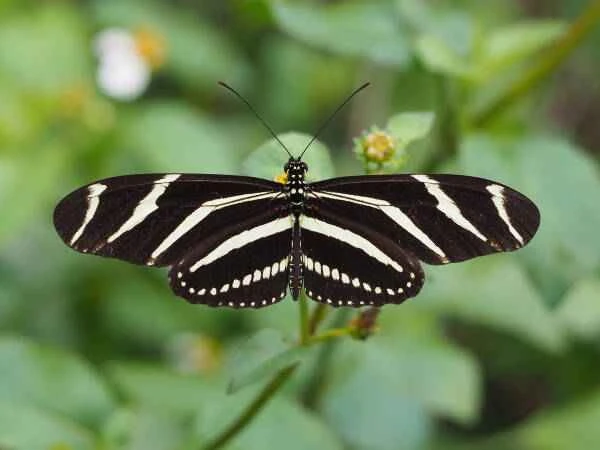
9. Yellow-striped butterfly
The Yellow-striped Spine Butterfly, also known as the Zebra Longwing Butterfly, has larvae with bluish-white bodies covered in long, black, poisonous spines, making them quite frightening. After adulthood, the wings display vibrant and beautiful patterns, with black and yellow interwoven to create a striking contrast, resembling the stripes of a zebra, hence the name "Zebra Longwing Butterfly." This butterfly flies relatively slowly and often gathers in large numbers in open areas, roosting in bushes at night in a phenomenon known as a "sleep party." The larvae of the Yellow-striped Spine Butterfly feed on passionflower leaves. These leaves contain highly toxic and bitter-tasting active alkaloids. As the larvae chew these leaves, the toxins in their bodies increase, becoming more visually apparent through the black spots and spines on their bodies, thus deterring predators.
10. Emperor Moth Yin-Yang Butterfly
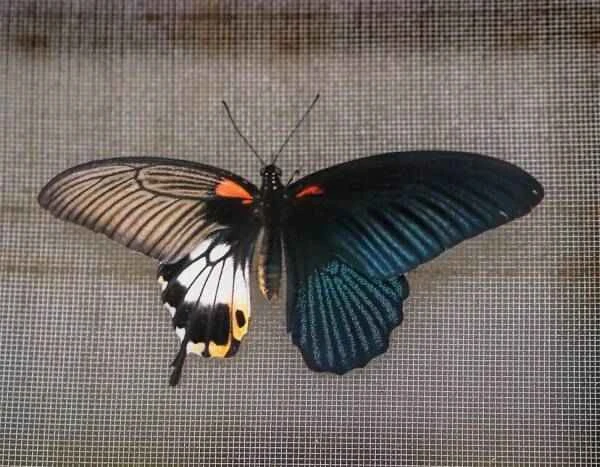
When discussing the most venomous butterflies, one particularly famous example is the Emperor Moth Azalea. Endemic to South America, it belongs to a very rare group of butterflies within the order Lepidoptera. This butterfly is notable for its asymmetrical shape and a variety of colors, hence the name "Azalea." The Emperor Moth Azalea is a special case, not only because of its asymmetry, but also because of its different wing shapes, including a cerci on one side, and its contrasting wing colors. Furthermore, it carries a highly toxic substance.
The ranking of the world's 10 most venomous butterflies is based primarily on the butterflies' popularity and toxicity, while also taking into account relevant online rankings and lists. If you have any questions, please feel free to comment or offer criticism at the end.