Centipedes are considered the most venomous of the five poisonous creatures in traditional Chinese culture. They possess a pair of venomous hooks on their heads and can secrete venom, the potency of which is generally proportional to their size. This article will introduce ten of the world's most venomous centipedes, including the Galapagos giant centipede, the Peruvian giant centipede, the Amazonian giant centipede, the Puerto Rican giant centipede, the Ha's centipede, the Vietnamese giant centipede, and the North American giant centipede. Let's learn about the characteristics of these highly venomous centipedes.
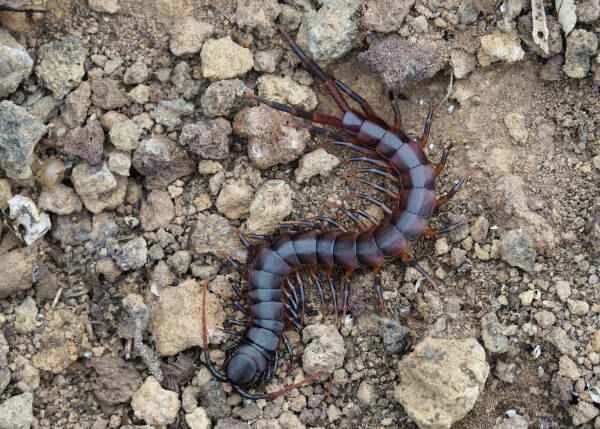
1. Galapagos giant centipede (severe cases may cause anaphylactic shock)
The most venomous centipede, ranked number one, is the Galapagos giant centipede, and also one of the largest centipede species, measuring 30-40 cm in length, with the largest individuals reaching 44-46 cm. The tiger-footed giant centipede is very similar in appearance to the Hainan centipede, and is also quite robust. This centipede is entirely black, and its venom is extremely potent, causing localized redness, swelling, and burning sensations on the skin, and may also lead to lymphangitis symptoms; in severe cases, it can cause anaphylactic shock. Its food chain is not limited to insects, but also includes many small mammals such as chickens, ducks, fish, bats, and rats.
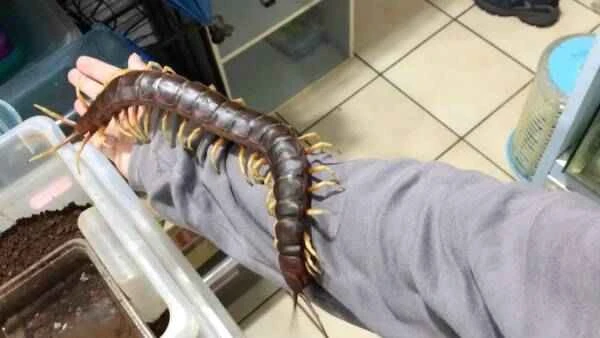
2. Peruvian giant centipede (with venom glands at the tip of its hook)
The Peruvian giant centipede is one of the most venomous centipede species and is quite famous in centipede dictionaries. They can reach 41-42 cm in length and are mainly distributed in Trinidad in the Caribbean Sea, as well as Peru, Ecuador, Brazil, and other Amazon River basin countries and regions in South America. This giant centipede is known for its enormous size and often preys on giant bats for dinner. The first pair of legs of the Peruvian giant centipede are hook-shaped, sharp, and have venom gland openings, commonly referred to as palatine fangs, claws, or venomous limbs. They can secrete venom. When bitten by this centipede, its venom glands secrete a large amount of venom, which is injected into the subcutaneous tissue of the bitten person through the venom gland openings in the palatine fangs, causing poisoning. Generally, the length of the venom gland openings is between 1.5 mm and 34 mm.
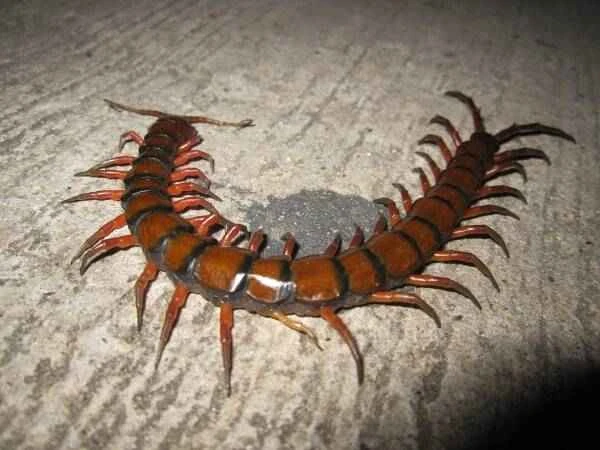
3. Amazonian giant centipede (redness, swelling, pain/lymph node inflammation)
The Amazonian giant centipede is a species of centipede native to the Amazon River basin, now mainly distributed in countries and regions along the Amazon, such as Brazil, Ecuador, and Peru. It is one of the most venomous centipedes and a large species, entirely red in color, measuring 25-32 centimeters in length. Through toxicity studies, scientists have discovered that the Amazonian giant centipede contains a deadly venom similar to that of venomous snakes, primarily composed of proteins. Once bitten, the wound will show redness, swelling, intense pain, and lymph node inflammation. Initially, the pain may be mild, potentially leading to missed opportunities for optimal treatment.
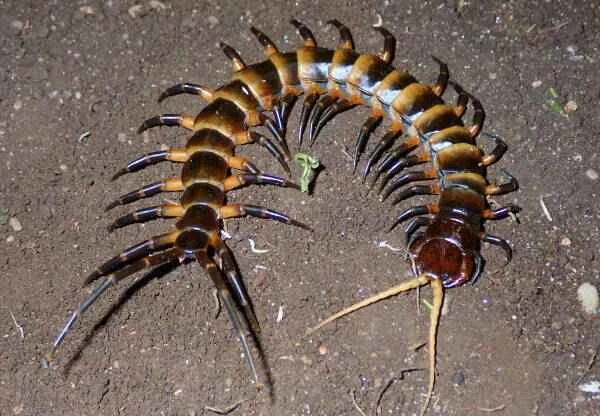
4. Puerto Rican giant centipede (wounds are prone to infection and amputation may occur)
The Puerto Rican giant centipede, though considered one of the most venomous centipedes in the world, is surprisingly docile and not as ferocious as most other centipedes. They have grayish-black bodies. Due to their enormous size, the Puerto Rican giant centipede preys not only on small insects like crickets and spiders but also on larger animals such as small birds and mice. While its venom isn't instantly fatal, wounds can quickly rot. Without prompt treatment, amputation may be necessary. Despite this, the Puerto Rican giant centipede is quite friendly towards humans. They typically live far from human settlements and are now a popular pet choice for a select few.
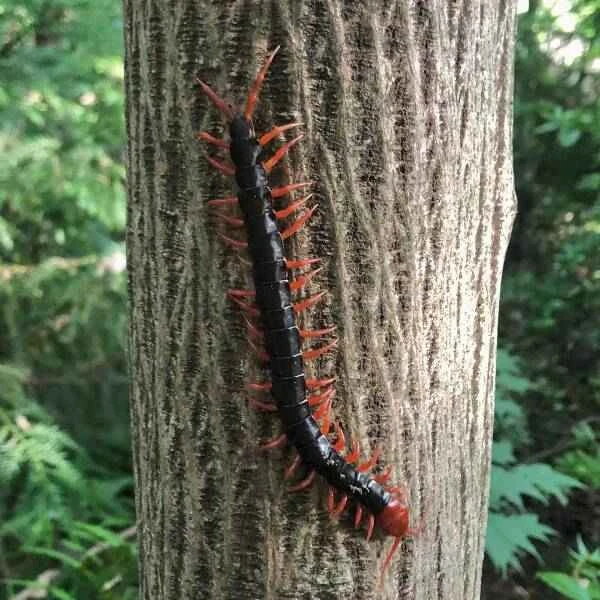
5. Hassell's centipede (there have been cases of fatality)
The centipede *Scolopendra harzianum* is a common and well-known species among highly venomous centipedes, widely distributed in several countries and regions in the western Pacific. They are generally about 20 cm long, with the largest individuals reaching 35 cm. This centipede is entirely brown, with the head and the first segment of the dorsal plate containing the legs possibly being red, while the other dorsal plates are brown; the legs are light brown; the antennae have 18 segments, with the basal 6 segments lacking dense hairs. This species is also distributed in Guangxi, Guizhou, Hainan, and southern Yunnan in my country, and there have even been cases of severe allergic reactions and even death, so we should be extra cautious.
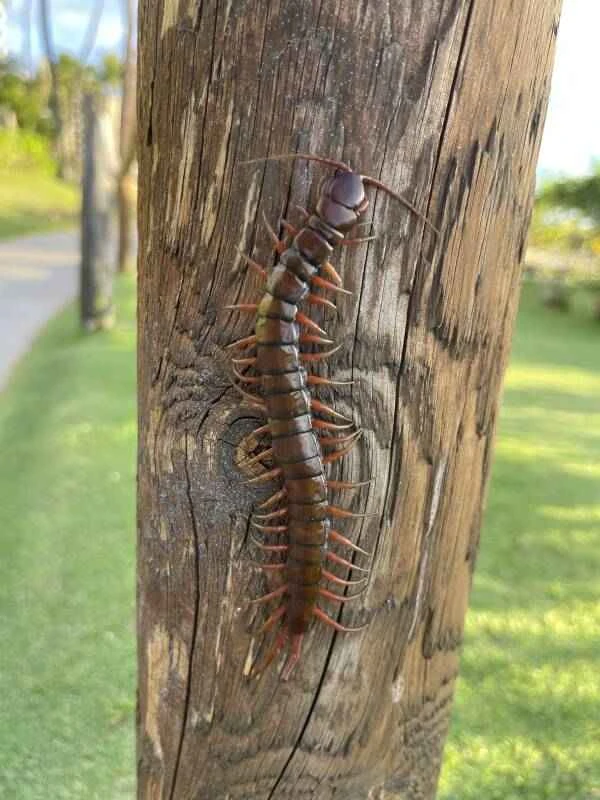
6. Vietnamese Giant Centipede (redness, swelling, pain/nausea, vomiting)
The Vietnamese giant centipede, one of the top ten most venomous centipedes, is the largest centipede species in Asia, typically growing to over 25 centimeters in length. They are usually glossy black with yellowish-red legs, typically around 20 pairs. They are fierce and aggressive, actively attacking other arthropods nearby. Bites from the Vietnamese giant centipede often cause redness, swelling, and pain, and can lead to dizziness, nausea, vomiting, or even convulsions and coma. Therefore, owners should ensure their own safety when keeping centipedes as pets. While the venom is not usually fatal, it is best to remove the stingers.
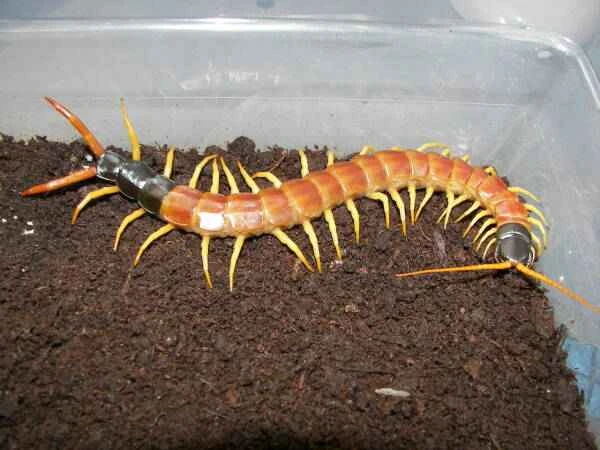
7. North American Giant Centipede
The North American giant centipede is a highly venomous centipede and one of the largest centipede species in North America. In the wild, it averages about 17 cm in length, with the largest individuals reaching approximately 20 cm. They are nocturnal predators, primarily feeding on invertebrates and small vertebrates, including rodents, reptiles, and amphibians. The North American giant centipede can raise its head, using its powerful mandibles to grasp small prey such as flying insects, and then subdue them with its venom. This centipede is not only enormous but also ferocious, earning it the nickname "Tyrannosaurus Rex" among centipedes. Despite this, its beautiful appearance makes it a highly prized pet centipede, making it popular among centipede enthusiasts.
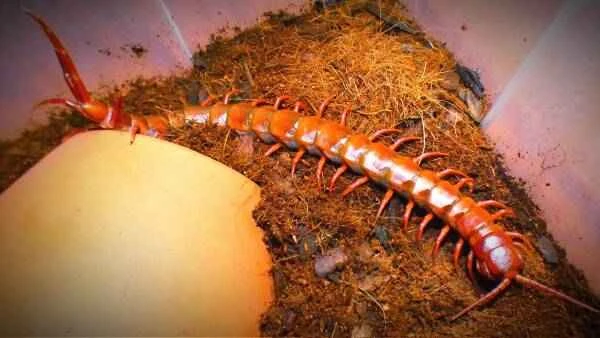
8. Chinese Red Giant Centipede
The Chinese Red Giant Centipede is a unique species found in my country. Its entire body is deep red, and it was referred to as "Heavenly Dragon" in ancient texts, earning it the name "Red Giant Dragon" due to its robust physique. On some tropical islands near the mainland, individuals can reach 20 centimeters in length. Their trunk consists of 20 segments, with long and short segments alternating. The appendages on the first segment, called maxillipeds, are highly developed and possess a pair of venomous claws with venom glands at the tips. The venom glands at the tips of the claws are used to kill small animals and serve as a defense mechanism. However, the venom of this centipede is not particularly potent. If bitten, it will cause intense pain and a burning sensation at the bite site. It is recommended to immediately wash the wound with soap and water.
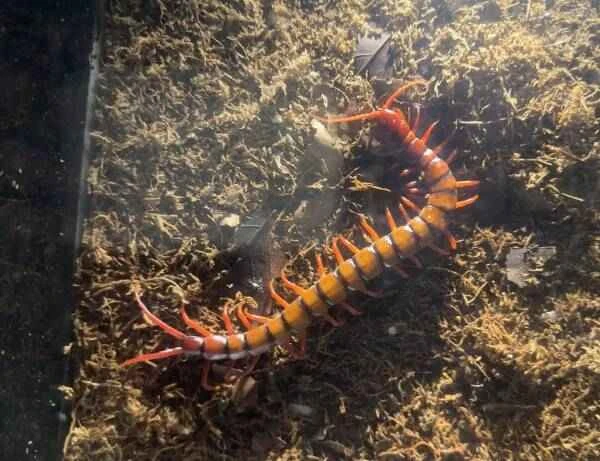
9. Malaysian Giant Centipede
The Malaysian giant centipede is a species of centipede endemic to Malaysia, measuring approximately 18-20 cm in length. Within the centipede world, it is considered one of the most distinctive species. They are reddish-brown in color and typically inhabit dark, muddy soil. They primarily feed on insects such as crickets and are more active at night. The Malaysian giant centipede reproduces by laying eggs. As a venomous centipede, it possesses a certain degree of venom; a bite can be very painful.
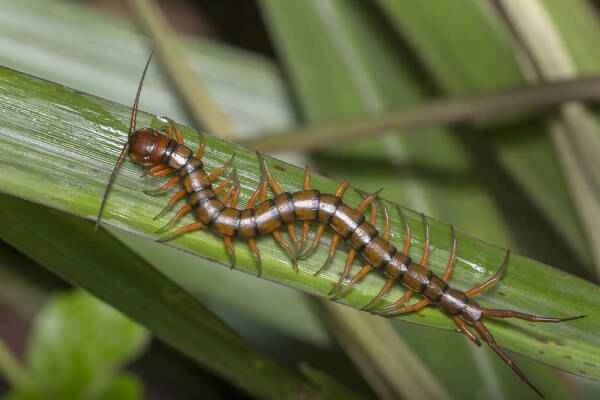
10. Spiny Centipede
The spiny centipede typically measures 16-20 cm in length, with some reaching over 25 cm. Most are a uniform brown or yellowish-brown. This species has poor eyesight; its antennae are effective sensory organs when out hunting, while its venomous mandibles are powerful weapons for both predation and defense. They have a diverse diet, primarily feeding on insects such as crickets, locusts, spiders, and cockroaches. They have a large appetite, consuming about 3/5 of their body weight in each meal, and can go without food or eat very little after a large meal. When food is plentiful, centipedes of all sizes can coexist peacefully. When hungry, however, they will cannibalize each other, with larger ones eating smaller ones and stronger ones eating weaker ones. They are highly resilient, not only preying on weaker prey but also daring to attack animals many times their size.
The list of the 10 most venomous centipedes in the world is based on their popularity, venom potency, and a combination of online rankings and lists. If you have any questions, please feel free to comment or offer corrections at the end.