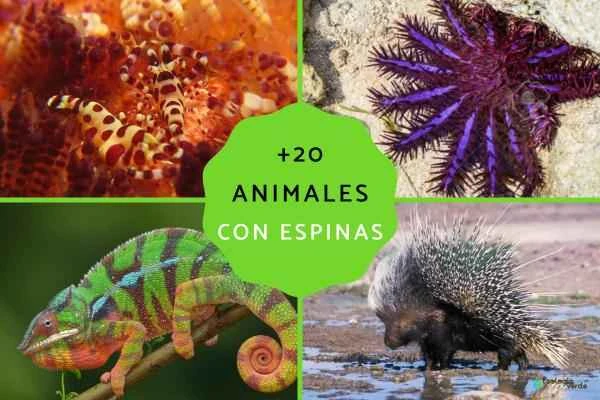
In the animal kingdom, many species have evolved various kinds of "spines" to defend themselves against predators or adapt to their environment. These spines not only enhance their survival abilities but also make them unique and eye-catching in nature. Spines can be composed of different materials, such as chitin from insects and keratin from mammals. This article will provide a detailed overview of the names and main characteristics of 20 common spiky animals.
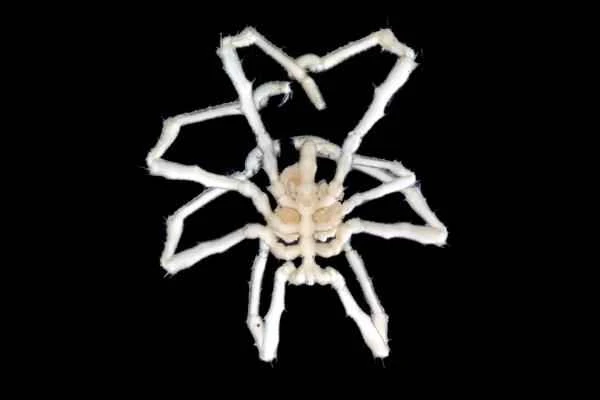
1. Sea spider (Endeis spinosa)
The spiny sea spider is a marine arthropod belonging to the sea spider family. Their bodies are covered with irregular spines, especially prominent in males, exhibiting sexual dimorphism. Ring-shaped spines are also arranged around their mouths, used for feeding and defense.
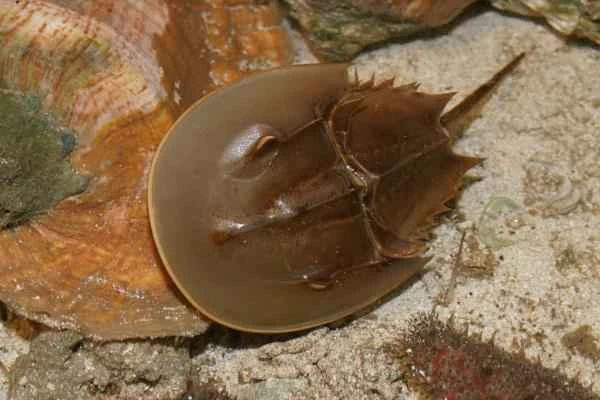
2. Atlantic horseshoe crab (Limulus polyphemus)
Horseshoe crabs are ancient creatures known as "living fossils." They have hard, horseshoe-shaped shells with prominent spikes on both sides of their abdomen and tail, which they use to defend against predators and aid in movement.
3. Umbonia spinosa (spiny-backed insect)
This insect has raised bumps on its back like thorns on a plant, much like the thorns on a rose. They use this appearance to camouflage themselves among plants and avoid being detected by predators.

4. Praying Mantis (Mantis religiosa)
The mantis's forelegs are covered with sharp spines, which can firmly grip its prey and are key weapons for its efficient hunting.
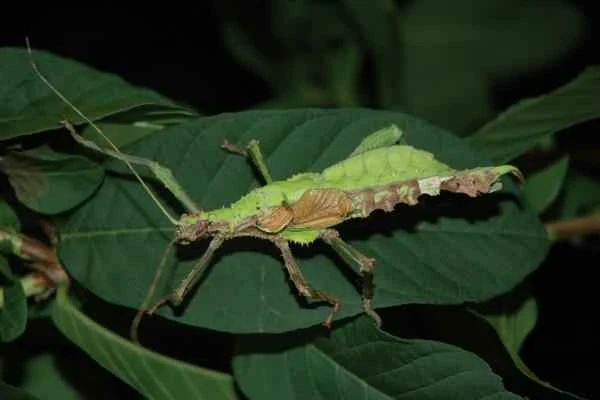
5. Malayan Heteropteryx dilatata
This insect belongs to the stick insect family. The female is bright green, and its body and hind legs are covered with hard spines. When threatened, it will use its legs to clamp down on its enemies.
6. Spiny oyster (Spondylus linguafelis)
The shells of the oyster are covered with many long spines, which serve a protective function and also attract many shell collectors.
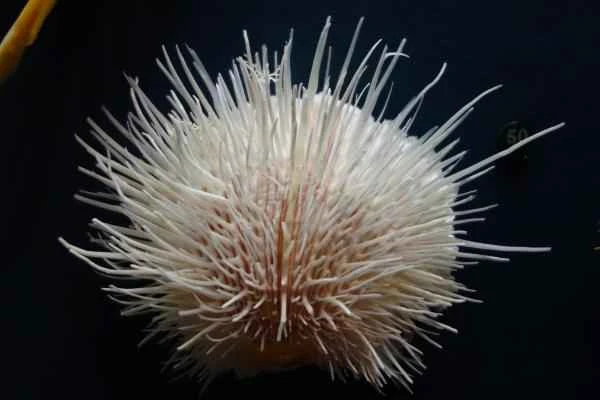
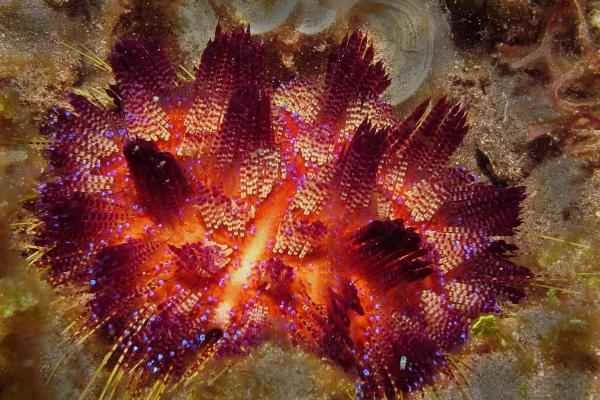
7. Fire sea urchin (Asthenosoma varium)
Fire urchins belong to the echinoderms and are covered in movable, sharp spines. These spines not only serve for defense but also help the urchin move along the seabed. Their spines are venomous, and a sting can cause severe pain.
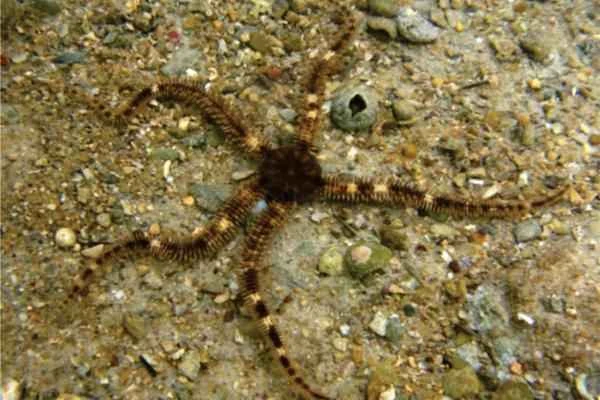
8. Fine-spined brittle starfish (Ophiothrix fragilis)
The spiny brittle star is a typical spiny marine creature found in the North Atlantic. Its long arms are covered with dense, fine spines, which help it capture plankton.
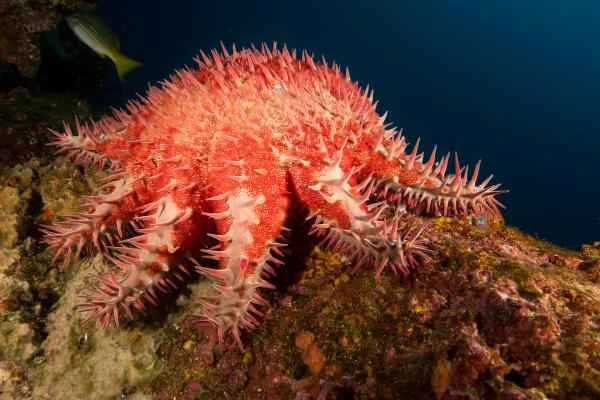
9. Crown-of-thorns starfish (Acanthaster planci)
Giant crown-of-thorns starfish are a major threat to coral reefs, covered in venomous stingers that can cause severe pain to humans. Adults can reach a maximum diameter of 60 centimeters.
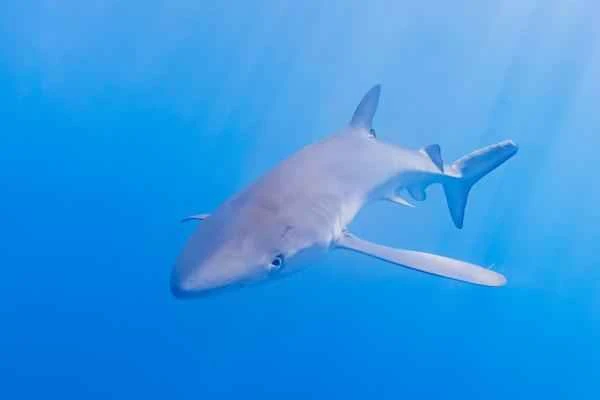
10. Shark (Chondrichthyes)
Shark skin is covered with numerous tiny, spiky "teeth," which are as hard as sandpaper. These teeth not only protect the skin but also enhance swimming speed and attack power.
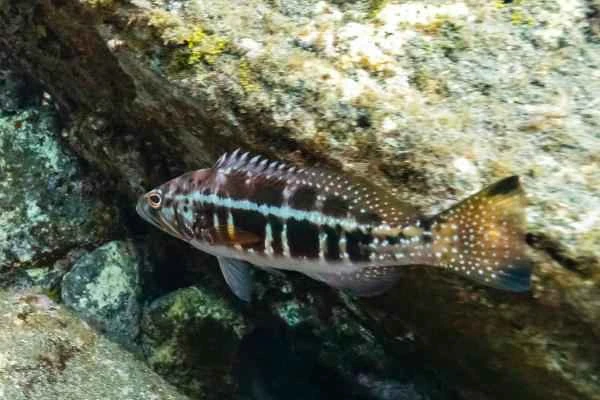
11. Boneless fish (Actinopterygii)
What we often call "fish bones" are actually the fin rays, branches of the skeleton of bony fish. Some fish have fin rays that are as hard as spines, serving a defensive purpose. The shape and hardness of fish fins vary from species to species.
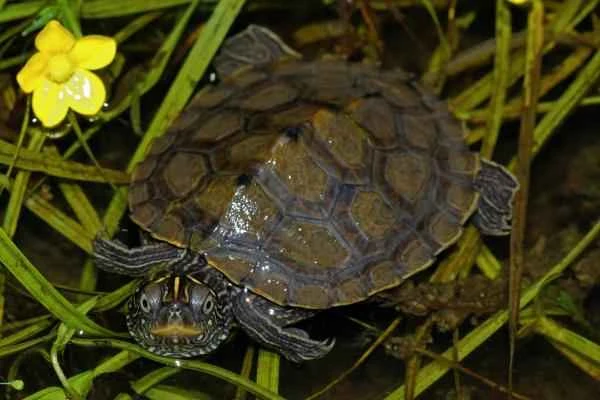
12. The Pseudo-geographical Turtle (Graptemys pseudogeographica)
These turtles have prominent, spiky scales arranged along the center of their carapace, with particularly noticeable protrusions near the tail. These structures help them defend against predators.
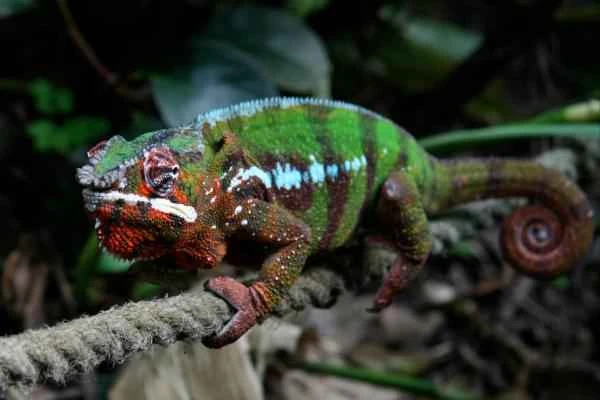
13. Leopard Chameleon (Furcifer pardalis)
The leopard chameleon has a series of long, thin spines on its back and belly, which serve as defense and camouflage, while the bony plates on its head provide further protection.
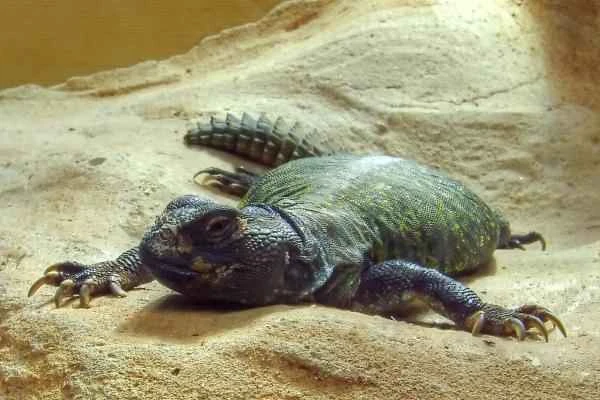
14. Uromastyx acanthinura
The spiny-tailed lizard, which lives in the African desert, has a tail covered with hard spines, which it uses to swing its tail to attack its opponent when threatened.
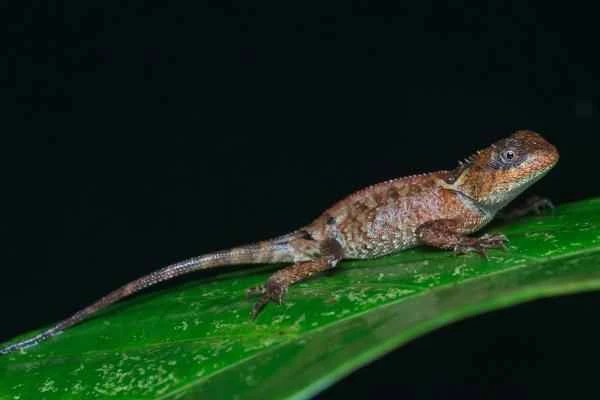
15. Crucigera (Acanthosaura crucigera)
This species has prominent long spines on its back and head, which males often use to show dominance in fights and protect their territory.
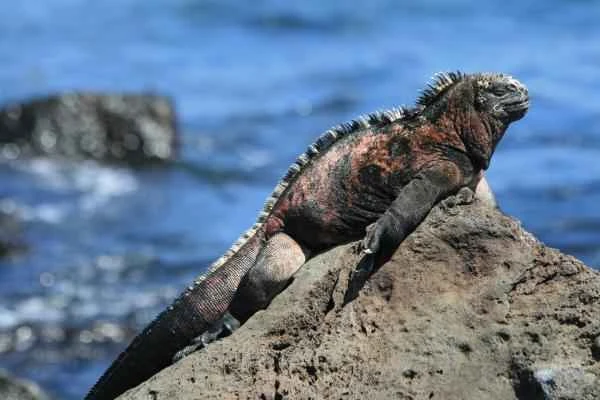
16. Marine iguana (Amblyrhynchus cristatus)
A species endemic to the Galapagos Islands, it has a row of long spines on its back, which are more prominent in adult males and help it maintain balance in the water.
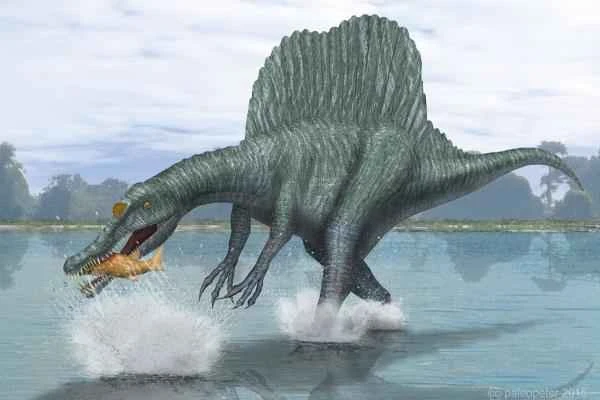
17. Spinosaurus aegyptiacus
A famous dinosaur species with spines up to 1.6 meters long erected on its back, possibly used for thermoregulation or to attract mates.
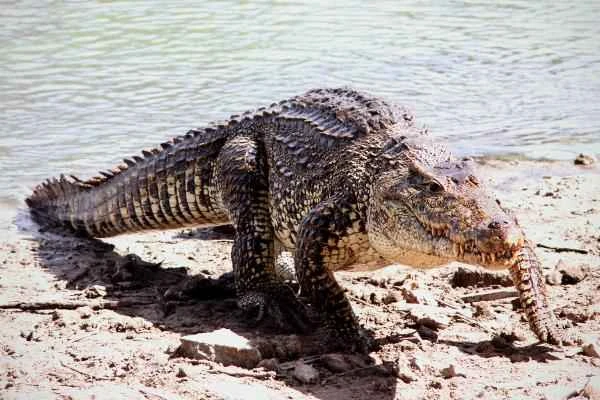
18. Cuban crocodile (Crocodylus rhombifer)
Cuban crocodiles have large bony spines along their backs and tails, which help absorb heat and enhance stability in the water.
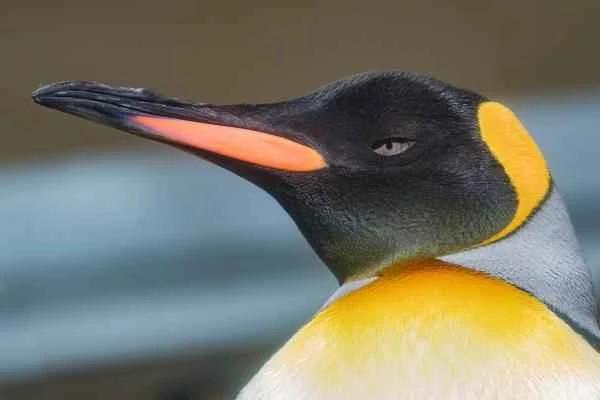
19. King Penguin (Aptenodytes patagonicus)
Despite their soft and cute appearance, king penguins have evolved papillae on their tongues into backward-facing spiky structures that can firmly hold prey in place and prevent it from slipping away.
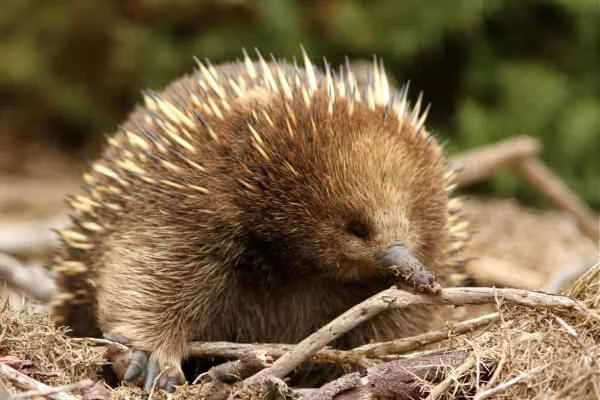
20. Short-beaked echidna (Tachyglossus aculeatus)
As one of the most unique mammals, the echidna is covered with sharp spines, which it can curl into a ball to protect itself when threatened.
Other common spiny animals
Moroccan hedgehog (Atelerix algirus)
Small echidna (Echinops telfairi)
Asian porcupine (Hystrix cristata)
These are 20 common spiny animals and their detailed introductions. If you would like to learn more about spiny animals or defensive evolution, please continue to follow our website for more animal science content.