Spiderfish (Tripoda) are a fascinating genus of fish, often referred to as deep-sea dragonfish. These unique creatures are renowned for their special adaptations to living in the deep ocean. This article will explore in detail the characteristics, habitats, habits, and reproduction of spiderfish (Tripoda), revealing the fascinating aspects of these deep-sea creatures.
Habitat and depth range
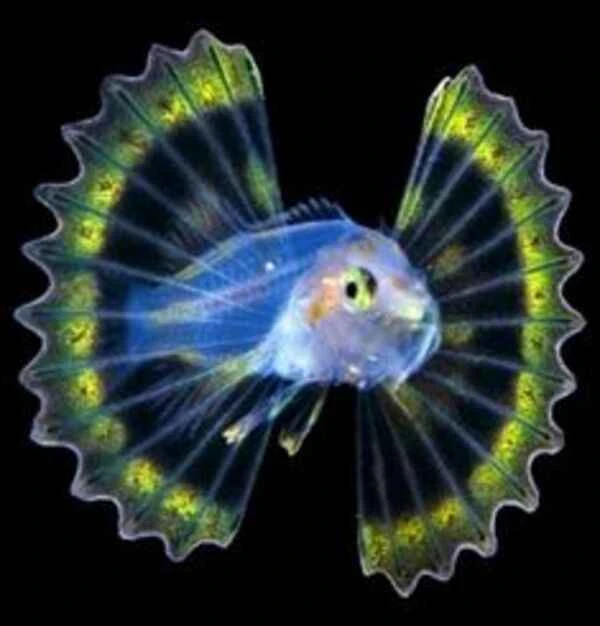
Spiderfish (tripod wrasses) primarily inhabit the deep sea, typically living at depths of 200 to 2,000 meters (approximately 656 to 6,561 feet). This deep-sea environment, characterized by extremely high pressure, low temperatures, and complete darkness, creates harsh living conditions for most marine life. Spiderfish have evolved special adaptations to survive under these conditions.
Physical characteristics
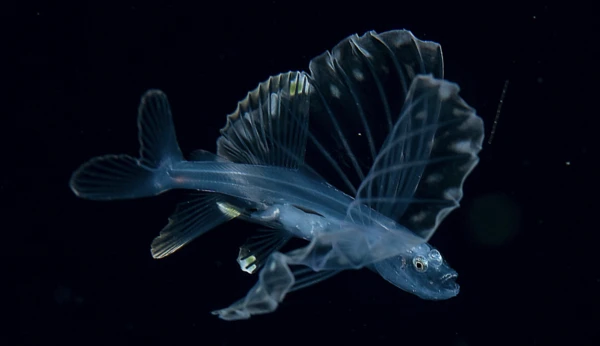
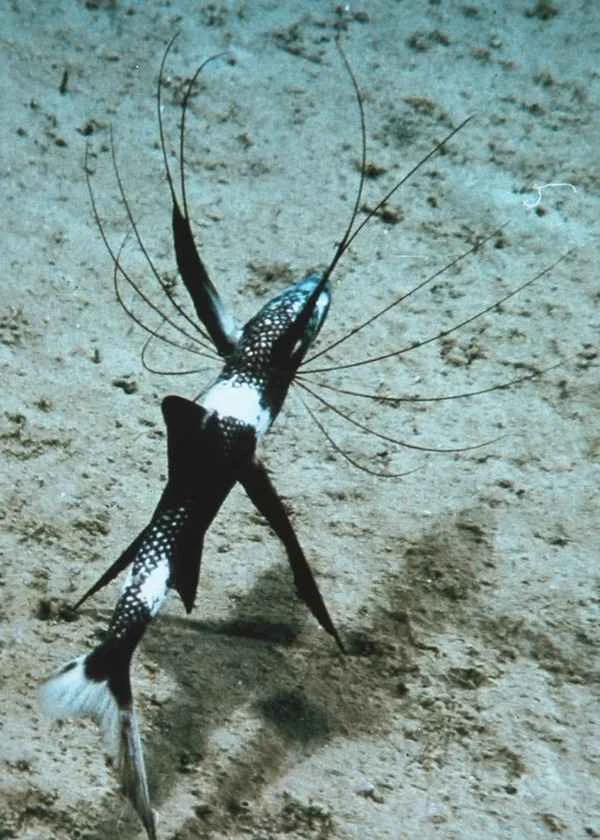
Appearance : Spiderfish (Tripoda) are known for their slender bodies and large mouths filled with sharp teeth. They typically have bioluminescent organs on their bodies, which help them attract prey in the dark.
Color : They come in various colors, but are usually dark brown or black, which helps to camouflage against a dark ocean background.
Dietary habits
Spiderfish (also known as three-legged fish) are carnivorous, primarily feeding on small fish and zooplankton. Their large mouths and sharp teeth enable them to efficiently capture and consume prey. They are believed to use bioluminescence to lure prey and take advantage of the darkness of their habitat.
Behavior and adaptation
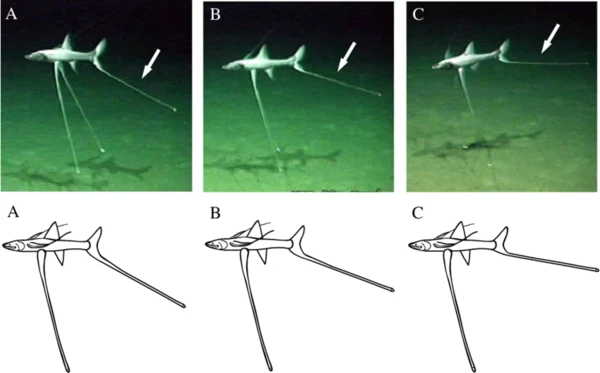
Swimming : Spiderfish (Tripoda) are strong swimmers, using their streamlined bodies to navigate in deep water. They are known for their vertical migration, feeding near the surface at night and returning to deeper waters during the day.
Bioluminescence : One of the most captivating features of spider fish (tripod wrasses) is their ability to glow. This bioluminescence serves multiple purposes, including attracting prey, communication, and camouflage.
Reproduction
Detailed information about the reproductive habits of spiderfish (tripod wrasses) is scarce, mainly because they live in deep-sea environments, making it challenging to study their natural habitats. However, like many deep-sea fish, it is speculated that they possess unique reproductive strategies adapted to the harsh conditions of their habitats.
Spawning : It is said that spider fish (three-legged fish) spawn at different depths, and the young fish drift in the ocean currents and settle in deeper waters as they grow.
Growth : Spiderfish (tripod wrasse) grow relatively slowly, which is common among deep-sea fish. This slow growth rate may be related to limited food supply and harsh environmental conditions.
Protection status
Although specific conservation status data for spiderfish (tripod wrasse) are limited, deep-sea ecosystems are increasingly threatened by human activities such as deep-sea fishing and climate change. Protecting these habitats is crucial to ensuring the survival of species like spiderfish (tripod wrasse). 
Spiderfish (also known as three-legged fish) exemplify the remarkable adaptations marine life has developed to survive in the deep sea. With their unique physical characteristics, predatory behavior, and enigmatic reproductive strategies, these deep-sea dragonfish continue to attract the attention of scientists and ocean enthusiasts alike. As our understanding of these mysterious creatures deepens, protecting their fragile habitats to ensure their future survival becomes increasingly important.