British photographer Tim Flach spent two years traveling the world taking portraits of endangered animals, compiling 180 images into a book titled "Endangered." But are animals the only ones endangered?
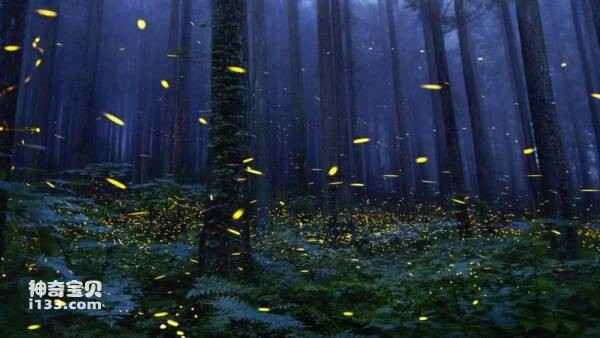
Images of Japanese fireflies
A firefly extravaganza, or an Avatar wonderland? This scene, captured on a Japanese island, is believed by scientists to be a precise yet cryptic language of fireflies. Fireflies are not classified as endangered or vulnerable, but their habitats are being eroded by light and noise pollution.
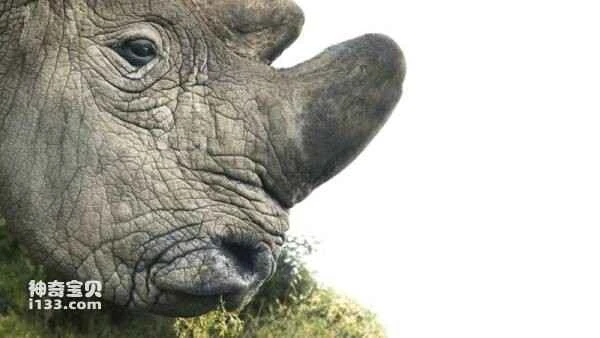
Sudan, the last male northern white rhinoceros on Earth
Its name is Sudan, truly unique, the only remaining male member of the northern white rhinoceros family on Earth. He lives in a protected area in northern Kenya, and now has two female companions, his daughter and granddaughter. They are also the only two remaining female members of the northern white rhinoceros family. The survival of the northern white rhinoceros species depends on these three. Their natural enemy is poachers. Is its expression one of immense sorrow or solemnity? Fleck said that's just how it looks; at the time, there were a few blades of grass hanging from its mouth. He used an anthropomorphic approach in the photographic composition, hoping to touch people's hearts.
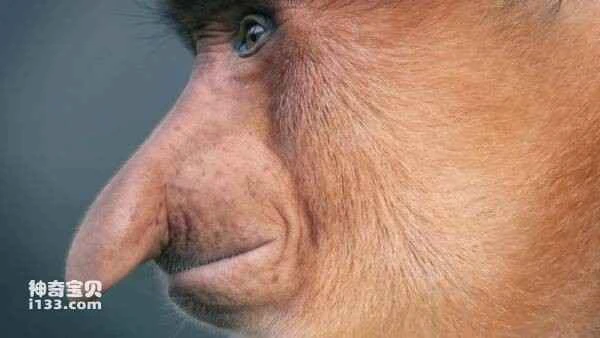
Proboscis monkey profile
This is a proboscis monkey, not Pinocchio, the puppet whose nose grew longer after lying. Proboscis monkeys live only in Borneo, Southeast Asia. It is the only primate that can ruminate, and its main diet consists of leaves and seeds, but it cannot eat sweets. It is listed as an endangered species on the IUCN Red List of Threatened Species.
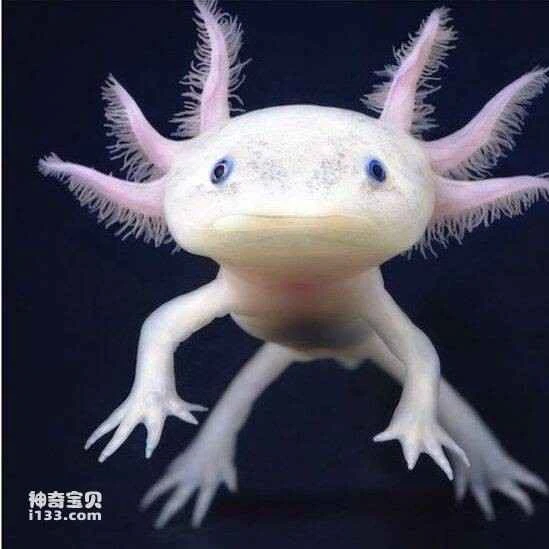
Axolot
Even at 100 years old, it still has this baby face! The Mexican axolotl, also known as the Mexican salamander or axolotl, retains its aquatic juvenile form after reaching adulthood. It is kept as a pet in North America, but its wild habitat has been encroached upon by development, leaving less than 10 square kilometers. It is a critically endangered species.
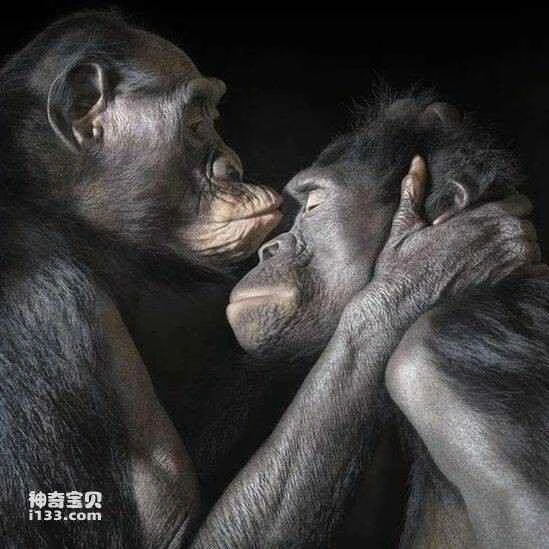
Bonobos kissing
Showing off their love! Bonobos are among the closest primate species to humans, sharing many similarities. They were designated a separate species from chimpanzees in the 1920s and now exist only in the rainforests of the Congo in Central Africa, in the wild and endangered. War, hunting, and the gradual disappearance of the rainforest have pushed them to the brink of extinction.
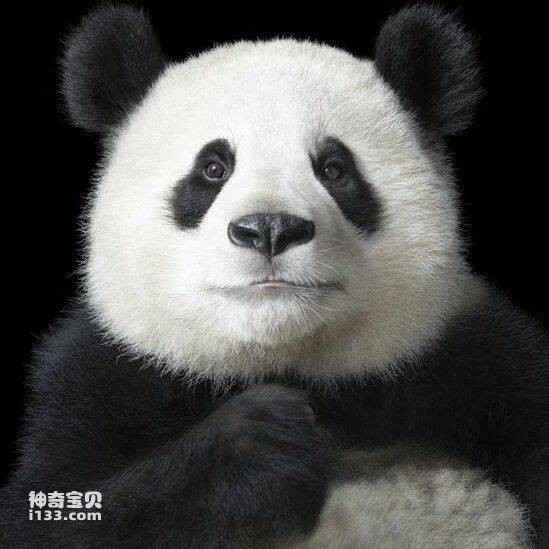
Giant panda
Ya Yun is looking at you, just as you're looking at her. When Fleck's camera was pointed at her, she was about to take a bite of an apple, but politely stopped. Fleck said she looked like she was singing karaoke. Like?
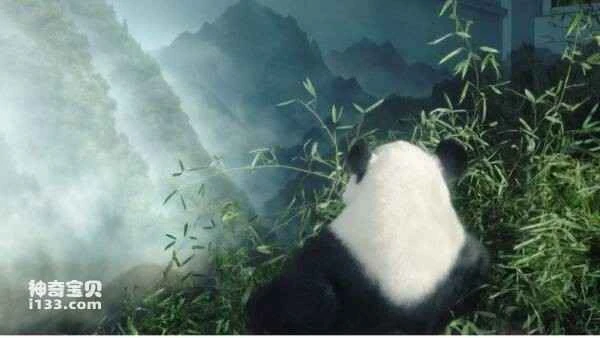
Giant pandas at Wolong Panda Base
Bamboo and distant horizons? The Wolong Giant Panda Base provides giant pandas with a living environment that can be described as five-star or better. This panda, with its back to the camera, seems to be gazing at a landscape painting, a feeling of homesickness welling up within it?
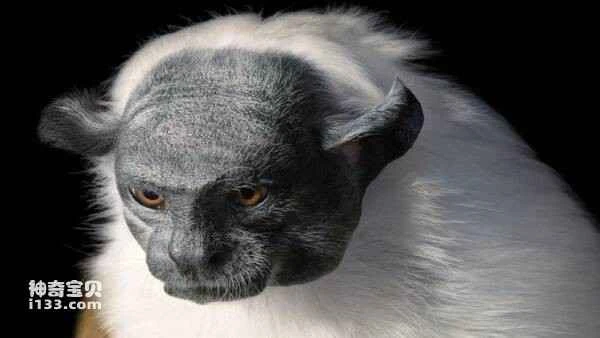
pied tamarin
Who does it resemble? It's that Jedi Knight of Light from Star Wars, what's his name again? The black and white tamarin inhabits a corner of the northeastern Amazon region of Brazil, adjacent to Manaus, the capital of Amazonas state. The expansion of Manaus is constantly squeezing their living space. Is it planning a life-or-death struggle for its kind?

saiga antelope
Is it true? This bewildered saiga antelope has an ancient lineage, its ancestors once coexisting peacefully with the mammoths and saber-toothed tigers depicted in the movie Ice Age. In recent decades, their numbers have plummeted due to both natural disasters (diseases caused by climate change) and human factors (hunting). Their horns are used in traditional medicine in East Asia.
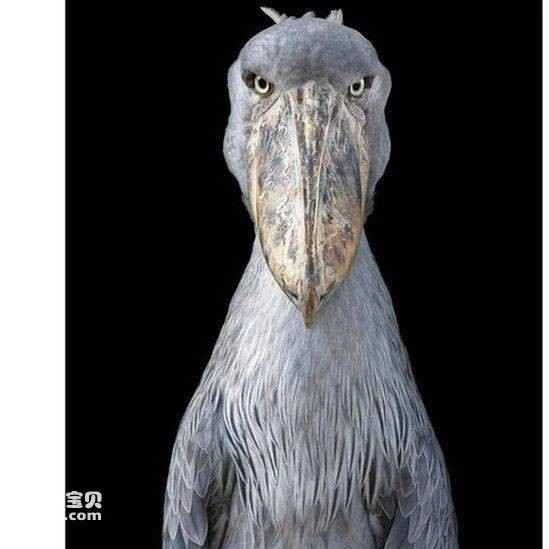
shoebill
Tell me, what bad things have you done! Shoebills mainly live in the swampy areas of Sudan and Zambia. They are classified as vulnerable birds, with a population of between 5,000 and 8,000. Habitat destruction and hunting are their nemesis.
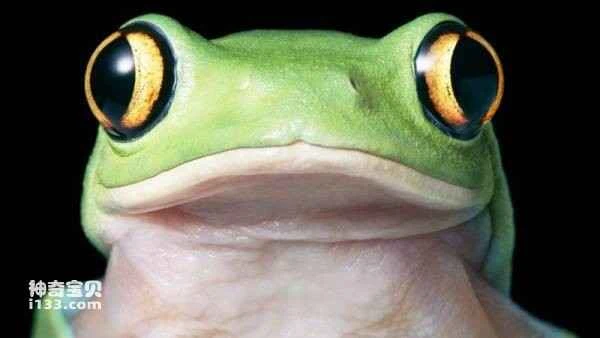
Yellow-eyed tree frog
The Frog Prince: I did nothing! It may have sensed that its surroundings had changed, but perhaps it didn't know why—climate change caused their egg-laying and hatching times to deviate from the norm, disrupting the food chain and threatening them with deadly chytrid fungus disease.
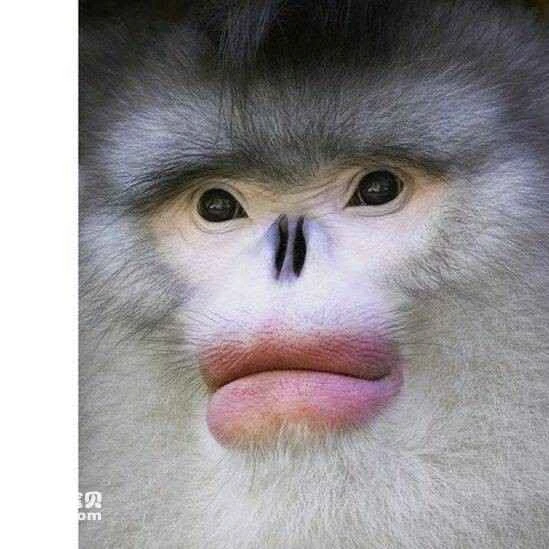
Yunnan golden monkey
Poetry and Distant Places: The Yunnan snub-nosed monkey is a Class I protected animal in China and an endangered species. Its type specimen was first collected in Deqin, Yunnan in 1871. Living in the Hengduan Mountains, they are elusive and locals call them "wild men of the mountains," considering them their ancestors. Due to their extremely small remaining population, they are on the verge of extinction.
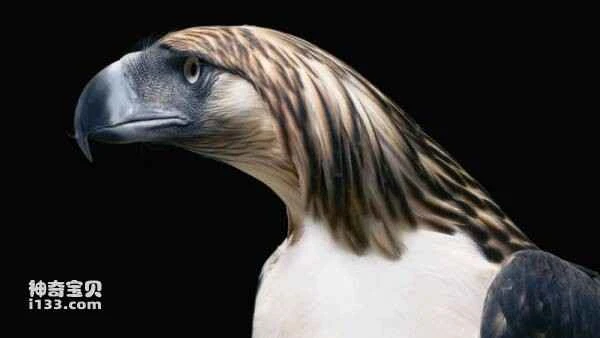
Philippine Eagle
So majestic, yet on the verge of extinction. Is it resigned to this fate? Does it resemble someone you know? Does it look a bit comical? Its name is Pag-asa (Hope), hatched in 1992, and was the world's first Philippine eagle to hatch in captivity. The Philippine eagle is the national bird of the Philippines, with a wingspan of up to two meters, and only a few hundred remain worldwide. Environmental degradation and hunting rifles are their greatest enemies.
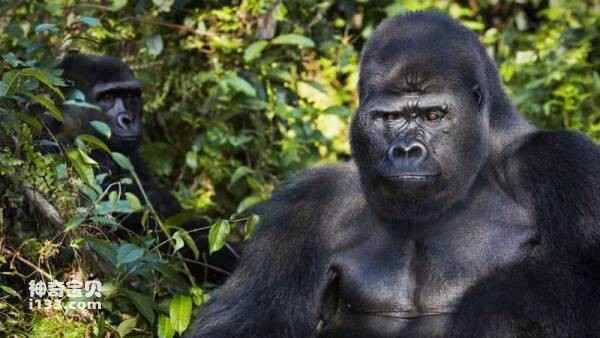
Western lowland gorillas
It's looking right at you. This western lowland gorilla, named Jala, used to live in a zoo in Kent before being returned to its native Gabon in Africa. Fleck took its portrait in Kent five years ago and visited it again in Gabon last year to see if it was happy since its return to the wild.
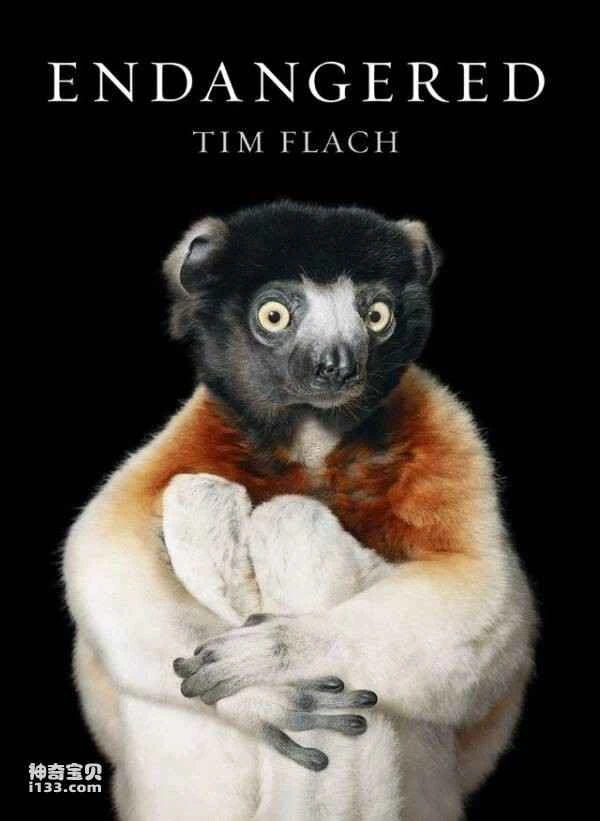
capped lemur
Who are you calling endangered? Me? You? Or all of us? This is the question photographer Frank poses to his readers. His artistic portraits of these endangered animals, taken over the past two years, are compiled and published this fall in the book *Endangered*, with captions by Jonathan Baillie, Chief Scientist of the National Geographic Society, including scientific names, common names, habitats, threats faced, and fates. Some of the portraits are currently on display at the Osborn Samuel Gallery in London (November 29th - December 22nd). Frank says that this project was also a personal journey for him, leading to the realization that community-based ecological protection is fundamental and more important now than ever before; successful animal conservation cannot exist without an emotional foundation; and as a photographic artist, he can create an emotional resonance with viewers through his anthropomorphic portraits.